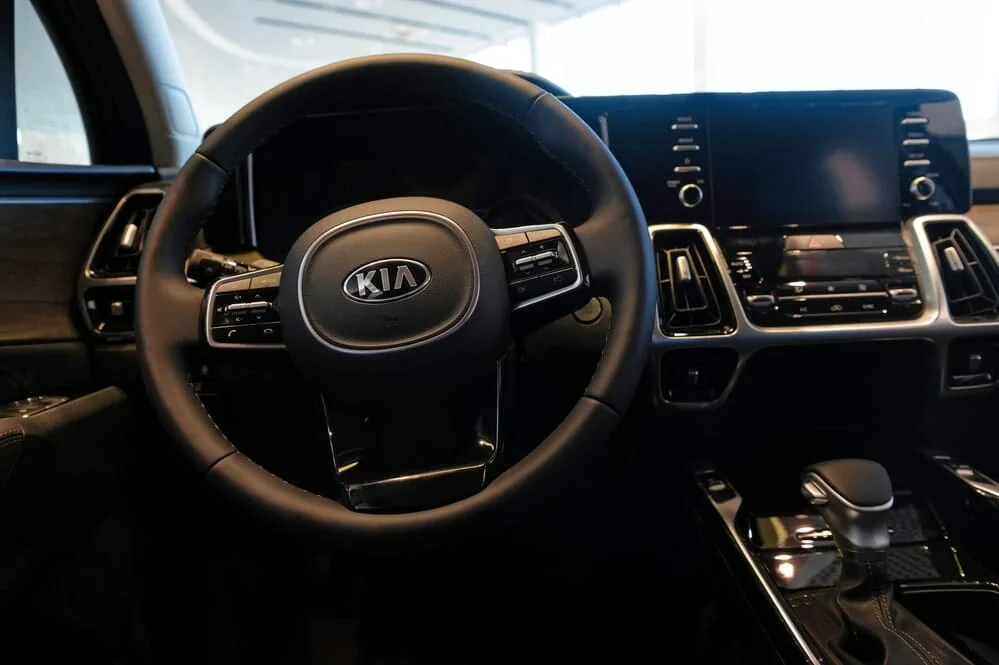
Where Is the Kia Carnival TPMS Reset Button Located?
Last Updated on September 1, 2026 by Ryan
📋 Table of Contents
- 🎯 Key Takeaways
- Understanding Kia Carnival TPMS System Variants
- Kia Carnival TPMS Reset Made Easy: Your Essential Action Plan
- Factors Influencing TPMS Sensor Accuracy and Reliability
- Comparing Direct vs. Indirect TPMS in Kia Minivans
- Benefits of Proactive Tire Pressure Monitoring for Safety
- Conclusion: Keeping Your Carnival Safe and Smooth
- 💬 Quick Questions & Answers
- ❓ Frequently Asked Questions
Most modern Kia Carnival models do not have a physical TPMS reset button, as the system typically recalibrates automatically after tires are inflated. If a manual reset is required, it is usually performed through the infotainment touchscreen or the instrument cluster settings rather than a hidden button under the dashboard.

Prime for Young Adults — 6 Months Free
Students and 18–24s get six months of Prime free, then half price.
Start 6 Months Free🎯 Key Takeaways
Recommended Best Deal Products



- Modern Kia Carnivals often utilize automatic TPMS recalibration without buttons.
- Check the steering wheel controls for cluster-based reset menus.
- TPMS sensors can fail due to battery depletion after 5-10 years.
- Cold weather often triggers false low-pressure warnings in Kia vehicles.
- Proper inflation to the door placard PSI is the primary fix.
Have you ever been cruising down the highway in your Kia Carnival when a mysterious yellow light suddenly flickers on your dash? It usually looks like a small horseshoe with an exclamation point. That is your Tire Pressure Monitoring System (TPMS) trying to tell you something very important. It is not just an annoying light meant to clutter your dashboard. Instead, it is a vital safety feature that watches your tires every second you are behind the wheel.
Keeping your tires at the right pressure is crucial for a smooth ride and better gas mileage. For a large family vehicle like the Kia Carnival, proper inflation ensures the van handles safely when it is fully loaded with passengers and gear. Understanding how this system works is the first step toward keeping your family safe. It also helps you avoid unnecessary trips to the mechanic just to turn off a warning light.
Understanding Kia Carnival TPMS System Variants
The Kia Carnival has evolved quite a bit over the years. Depending on which model year you own, the way your van tracks tire pressure might be different. Kia uses clever technology to make sure you never have to guess if a tire is getting low. However, the hardware behind the scenes can vary based on the specific trim level or the year your vehicle was manufactured.
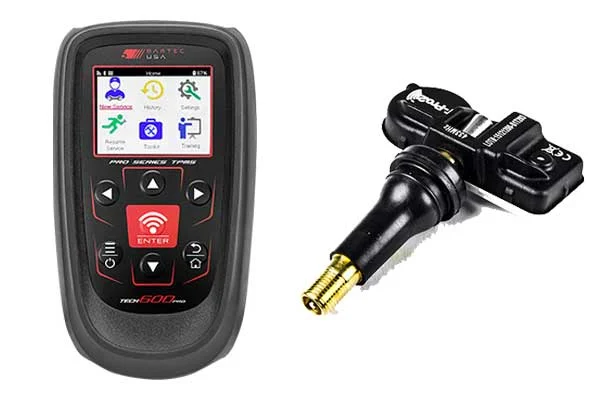
Direct vs. Indirect TPMS
Most modern Kia Carnival models use what we call a Direct TPMS. This system is very advanced and provides real-time data for each individual wheel. It relies on small, battery-powered sensors located inside the tire, usually attached to the air valve. These sensors send a radio signal to your car’s computer to report the exact air pressure. Some older versions of the Sedona (the Carnival’s predecessor) or specific international models might use an Indirect TPMS. This system does not use air sensors. Instead, it uses the Anti-lock Braking System (ABS) to track how fast each wheel is spinning. If one wheel spins faster than the others, the computer assumes it is low on air.
- Direct Systems: These show you the specific PSI for each tire on your digital instrument cluster.
- Indirect Systems: These usually just show a general warning light without telling you which tire is the problem.
- Sensor Locations: In direct systems, the sensors are part of the valve stem assembly inside the rim.
- Update Frequency: Most sensors only send data while the vehicle is moving to save battery life.
The Role of the Smart Key and Receiver
In newer Kia Carnival models, the TPMS is integrated with the vehicle’s wireless control system. When you start your van, the car’s computer looks for signals from all four wheels. If you have a high-tech trim, your dashboard might even show a top-down view of the van. This allows you to see exactly which corner needs attention. This integration makes the system very reliable, but it also means the car is sensitive to electronic interference. If you have many electronic gadgets plugged in near the dashboard, it can occasionally cause a momentary glitch in the reading.
Kia Carnival TPMS Reset Made Easy: Your Essential Action Plan
Recommended Best Deal Products


The Tire Pressure Monitoring System (TPMS) in your Kia Carnival is a vital safety feature designed to alert you when one or more of your tires are significantly under-inflated. However, after rotating your tires, changing a flat, or adjusting pressures for seasonal changes, the warning light may persist. While many drivers search for a physical “reset button,” modern Kia Carnivals often utilize a digital interface or an auto-learn system. This guide will walk you through the precise locations of these “virtual” and physical buttons and the exact sequence required to recalibrate your system, ensuring your family stays safe on the road and your dashboard remains clear of distracting warning lights.
Step 1: Calibrate Tire Pressure to Specification
What you need: A high-quality digital tire pressure gauge and an air compressor (or a visit to a local gas station pump).
Instructions: Before you attempt to locate the reset button or navigate the menu, you must ensure all four tires are inflated to the exact PSI (pounds per square inch) listed on your vehicle’s door jamb sticker. Open the driver’s side door and look for the white and yellow “Tire and Loading Information” placard. For most Kia Carnival models, this is typically 35 PSI, though it may vary based on wheel size. Inflate the tires while they are “cold” (driven less than a mile). Do not forget to check the spare tire if your model is equipped with a full-size spare, as a low spare can sometimes trigger the TPMS light in certain trim levels.

Audible — Listen Free for 30 Days
One free credit a month and thousands of titles included.
Listen Free for 30 DaysPro Tip: Avoid using the pressure gauge built into gas station air hoses, as they are notoriously inaccurate. Invest in a dedicated digital gauge to ensure your baseline is perfect before starting the electronic reset.
Step 2: Locating the Physical TPMS Reset Button (If Equipped)
What you need: A flashlight and a clear view of the lower dashboard area to the left of the steering column.
Instructions: On older Kia Carnival models or specific international trims (notably pre-2021 models), a physical reset button may exist. Sit in the driver’s seat and look to the left of the steering wheel, near your left knee. There is a panel of buttons here for traction control and lane-keep assist. Look underneath the dash lip in this area for a button labeled with the TPMS icon (a horseshoe shape with an exclamation point). If you find it, you will need to turn the ignition to the “ON” position without starting the engine, then press and hold this button until the TPMS light on the dashboard blinks three times. If your dash is entirely digital and sleek, proceed to the next step, as your “button” is located within the software.
Pro Tip: If you see a blank plastic plug where a button should be, your vehicle definitely utilizes the digital “Auto-Learn” or “Menu-Reset” method explained in the following steps.
Step 3: Accessing the Instrument Cluster Menu
What you need: Your vehicle key/fob and access to the steering wheel-mounted controls (the “Menu” or “Mode” buttons).
Instructions: For most 2022+ Kia Carnival (KA4) owners, the reset functionality is tucked away in the Multi-Information Display (MID). Start the engine or set the ignition to “ON.” Use the “Menu” button (it looks like a stack of papers) on the right side of your steering wheel to toggle through the main categories on your dashboard screen. Navigate until you reach the “User Settings” menu (often represented by a gear icon). Use the scroll wheel or arrow keys to move down to the “Convenience” or “Tire Pressure” submenu. This digital location acts as your modern “reset button.”
Pro Tip: If the vehicle is in motion, many of these menu options will be grayed out for safety. Always perform the initial menu navigation while the vehicle is in “Park.”
Step 4: Executing the “Set” Command
What you need: The vehicle must be stationary and in “Park.”
Instructions: Once you have navigated to the “Tire Pressure” or “TPMS” section within the User Settings menu, you will see an option that says “Set” or “Reset.” Press and hold the “OK” button on your steering wheel for approximately 3 to 5 seconds. You should see a message on the screen stating “Tire pressure stored” or “Calibration started.” This action tells the vehicle’s ECU that the current air pressure in all four tires is the new “standard” it should monitor. The yellow warning light on your dash should stop flashing and may disappear immediately, or it may stay solid until the next step is completed.
Audible Premium Plus — Annual Membership
12 audiobook credits up front, plus the full Audible catalogue.
See Annual PlansPro Tip: If the message “Service TPMS” appears instead of “Stored,” there is likely a faulty sensor battery or a hardware malfunction that software cannot fix.
Step 5: Initiating the Auto-Learn Drive Cycle
What you need: A clear stretch of road where you can maintain a steady speed for 15-20 minutes.
Instructions: Kia’s TPMS sensors operate on a specific frequency that often requires centrifugal force to “wake up” and transmit data to the receiver. After performing the digital reset, you must drive the Carnival to finalize the calibration. Drive at a speed of at least 15-20 mph (25-32 km/h) consistently. Avoid stop-and-go traffic if possible, as the sensors need constant rotation to sync. Usually, within 5 to 10 miles of driving, the TPMS light will extinguish as the computer receives fresh, matching data from all four wheels. This is the “Learning” phase where the car confirms the manual reset you performed in the menu.
Pro Tip: If the light starts flashing after 10 minutes of driving, the system failed to detect one of the sensors. Pull over, turn the car off and on, and restart the drive.
Step 6: Verifying the Live Data Readout
What you need: Access to the “Information” tab on the instrument cluster while driving.
Instructions: Once the light has cleared, it is important to verify that the system is actually reading the pressures correctly. Use the steering wheel “Menu” button again to navigate to the vehicle information screen where the tire pressure graphic is displayed. In the Kia Carnival, the individual tire pressures usually won’t display until you have been driving for a few minutes. Check that all four numbers appear on the screen and match the PSI you set in Step 1 within 1-2 pounds. If one tire shows a dashed line (—) while the others show numbers, that specific sensor may have a dead battery or was damaged during a recent tire change.
Pro Tip: Be aware that tire pressure increases as you drive due to heat. If you set them to 35 PSI cold, seeing 38 or 39 PSI on the screen after 20 minutes of highway driving is normal and expected.
✅ Final Checklist
- Confirm all tires (including spare, if applicable) are inflated to the door-jamb specification.
- Ensure the “Tire Pressure Stored” message appeared on the dashboard during the reset.
- Verify that the yellow TPMS icon has completely disappeared from the instrument cluster.
- Check the digital readout to ensure all four tires are transmitting live pressure data.
- Confirm that the reset was performed while the vehicle was in “Park” before the test drive.
Important Notes:
- Safety First: Never ignore a TPMS light. If the light flashes for 60 seconds and then stays solid, the system has a malfunction. If it stays solid immediately, you have low pressure.
- Seek Professional Help: If the light returns within 24 hours after a successful reset, you likely have a slow leak (nail in tire) or a sensor battery that has reached its 5-10 year life expectancy.
- Estimated Time: 20-30 minutes (including inflation and the drive cycle).
- Estimated Cost: $0 (DIY) to $15 (if using a paid air pump). Replacing a broken sensor typically costs $75-$150 at a dealership.
Factors Influencing TPMS Sensor Accuracy and Reliability
It is common to see your TPMS light turn on even if you do not have a flat tire. Many drivers find this frustrating, but the system is actually just doing its job. Sensors are very sensitive instruments. They are designed to catch small changes before they become big problems. Understanding what affects these sensors can help you stay calm when the warning light appears on a cold morning.
The Impact of Seasonal Temperature Changes
Weather is the biggest enemy of consistent tire pressure. As a rule of thumb, tire pressure drops about one pound per square inch (PSI) for every ten-degree drop in temperature. This is why many Kia Carnival owners see their TPMS light turn on during the first cold snap of autumn. The air inside your tires physically shrinks when it gets cold. This triggers the sensor even if there is no hole in the tire. Conversely, long drives on hot summer days can cause the pressure to rise as the air expands. This fluctuation is perfectly normal, but it keeps the TPMS sensors very busy throughout the year.
- Cold Starts: Morning air is denser, often triggering “low pressure” warnings that disappear after five minutes of driving.
- Altitude Changes: If you drive your Carnival from a valley up into the mountains, the change in atmospheric pressure can affect sensor readings.
- Heat Friction: Braking and high-speed driving generate heat, which naturally increases the PSI reading on your dashboard.
Physical Wear and Battery Depletion
Since the sensors in a Direct TPMS are electronic, they do not last forever. They are powered by tiny lithium batteries sealed inside the sensor unit. These batteries are designed to last anywhere from five to ten years. Once the battery dies, the sensor can no longer talk to your Kia’s computer. This will usually trigger a flashing TPMS light rather than a solid one. Additionally, road salt and moisture can cause corrosion around the valve stem. If the stem becomes damaged, it can cause “ghost leaks” where air escapes very slowly. This makes the sensor seem like it is malfunctioning when it is actually detecting a genuine, albeit tiny, leak in the seal.
Comparing Direct vs. Indirect TPMS in Kia Minivans
Recommended Best Deal Products

Understanding the technology behind your Kia Carnival’s dashboard lights can save you a lot of confusion during your morning commute. Kia generally utilizes two types of Tire Pressure Monitoring Systems across their vehicle lineup, and knowing which one is under your hood—or rather, inside your wheels—changes how you interact with the vehicle’s alerts.
How Direct Systems Provide Instant Data
Most modern Kia Carnival trims are equipped with a Direct TPMS. This system uses physical pressure sensors mounted inside each wheel, usually integrated with the valve stem. These sensors transmit real-time PSI data directly to the vehicle’s computer. The primary advantage here is precision; the Carnival can tell you exactly which tire is low and by how many pounds. This is particularly helpful when you are loading up the family for a long trip and need to ensure the vehicle is balanced for a heavy load.
The Simplified Approach of Indirect Systems
While less common in the newest Carnival generations, some older Kia models or specific regional trims may use an Indirect TPMS. This system doesn’t “measure” air at all. Instead, it works with the Anti-lock Braking System (ABS) to monitor the rotational speed of each wheel. A tire with lower pressure has a slightly smaller diameter and spins faster than a correctly inflated one. Here are some key differences to keep in mind:
- Direct TPMS: Offers specific PSI readings on the instrument cluster but requires battery-powered sensors that eventually need replacement.
- Indirect TPMS: Usually requires a manual reset after adding air but has no internal wheel sensors to maintain.
- Accuracy: Direct systems are far more sensitive to temperature fluctuations, which is why your light might pop on during a sudden cold snap.
Benefits of Proactive Tire Pressure Monitoring for Safety
For a vehicle as large and family-oriented as the Kia Carnival, maintaining the correct tire pressure is about much more than just making a dashboard light disappear. It is a fundamental part of your vehicle’s safety “ecosystem” that affects everything from the suspension to the braking distance.
Improving Handling and Braking Performance
A minivan carrying seven or eight passengers exerts significant force on its tires. When your tire pressure is low, the tire’s “footprint” on the road deforms, which can lead to sluggish steering response and longer braking distances. By paying attention to your TPMS alerts and keeping your tires at the manufacturer-recommended PSI (usually found on the driver-side door jamb), you ensure that the Carnival handles predictably during emergency maneuvers or heavy rain.
Maximizing Tire Longevity and Fuel Economy
Under-inflated tires create more rolling resistance, which forces your engine to work harder and consume more fuel. Furthermore, low pressure causes the tire’s sidewalls to flex excessively, generating heat that leads to premature tread wear or even a dangerous blowout. Staying proactive with your monitoring offers several practical perks:
- Cost Savings: Properly inflated tires can improve gas mileage by up to 3% in some driving conditions.
- Extended Tread Life: You avoid the “cupping” or uneven wear that often results from running tires too soft.
- Environmental Impact: Better fuel efficiency and fewer discarded tires mean a smaller carbon footprint for your family adventures.
- Peace of Mind: Knowing your sensors are calibrated means you won’t be second-guessing your safety on the highway.
Conclusion: Keeping Your Carnival Safe and Smooth
Navigating the nuances of the Kia Carnival TPMS doesn’t have to be a headache. Whether your vehicle utilizes a physical reset button or an automated internal recalibration, the goal remains the same: ensuring your tires are in peak condition for the road ahead. By understanding the difference between direct and indirect systems and recognizing the safety benefits of proper inflation, you are better equipped to maintain your minivan’s performance and protect your passengers.
Next Steps: Make it a habit to check your tire pressure manually once a month with a high-quality gauge, even if the light isn’t on. If your TPMS light persists after you’ve added air and driven for a few miles, it may be time to visit a technician to check for a failing sensor battery. Drive safe and keep those tires aired up!
💬 Quick Questions & Answers
Does the 2024 Kia Carnival have a physical TPMS button?
No, the 2024 model handles TPMS resets through the vehicle settings on the infotainment screen or instrument cluster.
Why is my TPMS light still on after inflating tires?
The light usually remains on until you drive the vehicle for several miles at speeds above 15 mph to trigger a sensor update.
Where is the TPMS reset usually located on older Kia models?
On older generations, if a button exists, it is typically located to the lower left of the steering column on the dashboard.
Can cold weather trigger the TPMS light?
Yes, dropping temperatures cause air density to decrease, which can lower your tire pressure enough to trip the sensor.
How do I know if a TPMS sensor is faulty?
A flashing TPMS icon that eventually stays solid usually indicates a sensor malfunction or a dead internal battery.
❓ Frequently Asked Questions
Why can’t I find a physical TPMS reset button in my new Kia Carnival?
Modern Kia vehicles have transitioned to software-based resets or automatic learning systems. Instead of a physical button, the system monitors wheel speed or internal sensor data and updates automatically once the correct pressure is detected during a short drive.
Is there a difference between the TPMS reset location on various trim levels?
While the sensor technology remains consistent, the menu interface may vary between the basic display and the larger panoramic screens. Higher trims usually house the reset function within the ‘Vehicle Settings’ menu on the central touchscreen.
How long should I drive my Kia Carnival for the TPMS light to turn off?
Typically, you need to drive for about 10 to 20 minutes at speeds consistently above 20 mph. This allows the sensors to transmit new data packets to the vehicle’s ECU and confirm the pressure is stable.
What is the recommended PSI for Kia Carnival tires?
You should always refer to the tire information placard located on the driver-side door jamb for the correct PSI. Using the ‘max PSI’ listed on the tire sidewall itself can lead to a harsh ride and premature tire wear.
Can I reset the TPMS light without inflating the tires?
It is not recommended to attempt a reset without verifying pressure, as the light is a critical safety feature. If the light persists despite correct inflation, there may be a puncture or a failing sensor that requires professional inspection.
Does the Kia Carnival TPMS monitor the spare tire?
Most Kia Carnival models do not include a TPMS sensor in the compact spare tire. If you are using the spare, the TPMS light will likely remain illuminated until the full-sized tire is repaired and reinstalled.