Honda Ridgeline Years To Avoid: Identifying Models With Common Issues
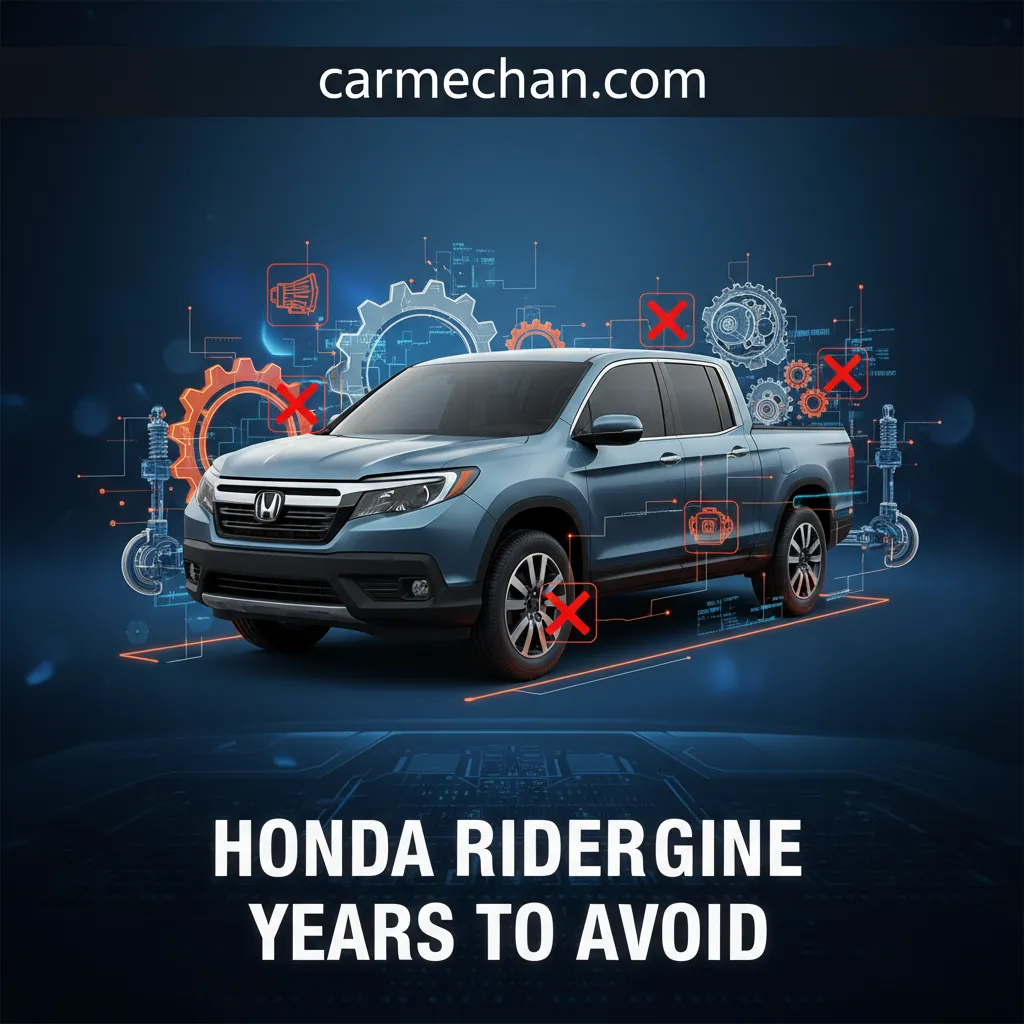
The Honda Ridgeline stands out as a unique contender in the pickup truck market, praised for its unibody comfort, intelligent AWD system, and versatility. However, like any vehicle, certain model years may present more significant reliability concerns or require more frequent maintenance, posing a dilemma for prospective buyers seeking long-term dependability. This expert guide will meticulously detail the Honda Ridgeline model years that have historically exhibited higher incidences of reported problems, equipping you with the crucial knowledge to make an informed purchasing decision and mitigate potential ownership challenges.
Understanding Honda Ridgeline Reliability Trends and Market Perception


📤 Share Image
Honda has long cultivated a reputation for exceptional reliability and longevity across its diverse vehicle lineup. This consistent performance often places the brand among the top contenders in various industry dependability studies. The Ridgeline, while sharing Honda’s engineering DNA, occupies a unique niche in the competitive pickup truck segment. Its distinctive unibody construction, derived from SUV platforms, and the sophisticated Variable Torque Management 4-wheel drive (VTM-4) system, fundamentally influence its reliability profile compared to traditional body-on-frame trucks.
Industry metrics from esteemed organizations like J.D. Power and Consumer Reports serve as crucial benchmarks for assessing vehicle dependability and initial quality. Historically, the Ridgeline has generally performed well in these evaluations, often receiving predicted reliability scores of 3 to 4 out of 5 from Consumer Reports across different model years. Honda itself frequently ranks within the top 5-10 brands in J.D. Power’s Vehicle Dependability Study (VDS) and Initial Quality Study (IQS), underscoring a strong baseline of engineering quality. However, even with this robust foundation, specific model years can deviate, experiencing higher incidences of issues.
Identifying a ‘year to avoid’ means distinguishing between minor nuisances or common wear items—such as brake pad replacement or routine maintenance—and systemic, expensive, or safety-critical failures. Our focus here is on model years where reported issues transcend typical wear, impacting major components like the powertrain or essential electronic systems, leading to substantial repair costs and compromised ownership experience. A professional assessment goes beyond anecdotal evidence, scrutinizing widespread patterns and manufacturer responses.
By The Numbers
Honda’s Typical Ranking in J.D. Power VDS
Average CR Predicted Reliability for Ridgeline
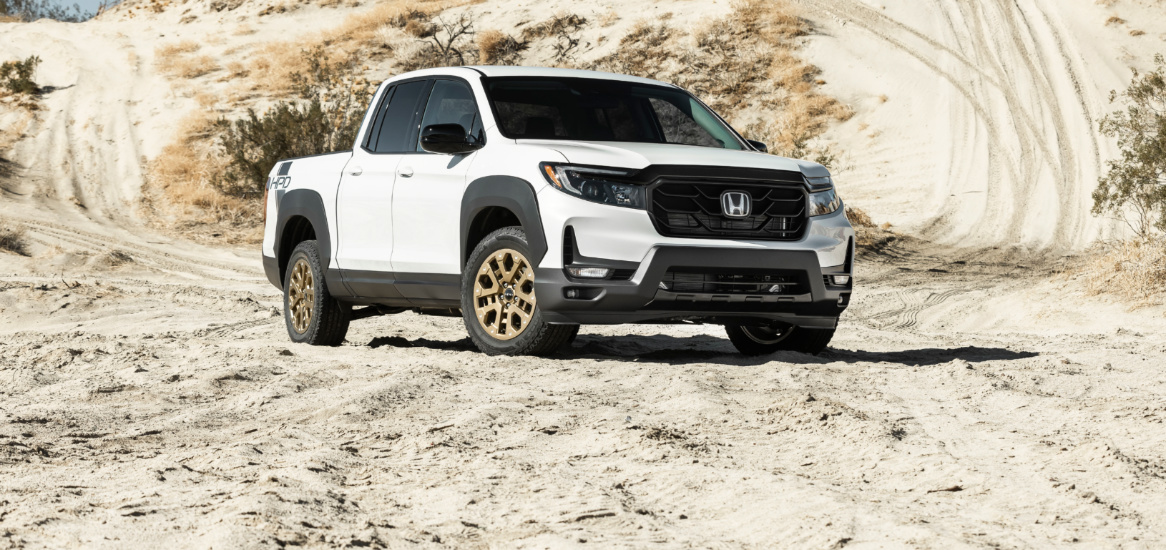
First Generation Ridgeline (2006-2014): Identified Problematic Model Years and Key Issues
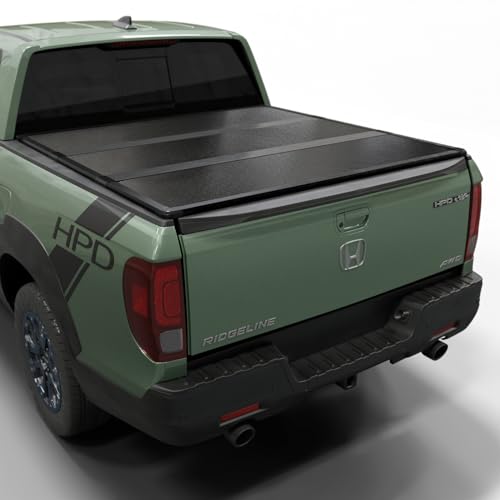


The inaugural generation of the Honda Ridgeline, launched for the 2006 model year, introduced a bold new concept to the pickup market. While generally well-received for its ride comfort and innovative in-bed trunk, the 2006 model year, in particular, has garnered a significant number of owner complaints. The primary concern centered around the automatic transmission, with numerous reports on platforms like CarComplaints.com detailing premature transmission fluid degradation leading to harsh shifting, shuddering, and in some severe cases, complete transmission failure. This issue was often exacerbated by the VTM-4 rear differential, which was prone to overheating under certain driving conditions, further stressing the powertrain. Early signs of rust and corrosion on specific undercarriage components also began to surface, particularly in regions exposed to road salt.
The 2007-2008 model years saw some refinements but continued to exhibit persistent transmission concerns, albeit with slightly lower reported incidence rates compared to the 2006 model. Owners frequently noted the same shuddering or rough shift behavior. Additionally, these years saw an emergence of power steering pump leaks and potential failures, often evidenced by groaning noises during turns or a loss of power assist. Less common but notable were failures of the A/C compressor, leading to costly repairs. NHTSA complaint data from these years frequently references these recurring issues, alongside Honda Technical Service Bulletins (TSBs) attempting to address early transmission logic updates or emphasize critical VTM-4 fluid service intervals.
Across the entire first generation, while less severe than the powertrain issues, other notable problems included exhaust system rust, particularly on mufflers and pipes, which required relatively frequent replacement in rust-prone climates. The tailgate cables were also known to fray and break prematurely. Minor electrical glitches, such as failing power window switches or intermittent dashboard lights, contributed to owner frustration without typically being catastrophic. The Achilles’ heel for many early Ridgeline owners was the VTM-4 rear differential. Its sensitive maintenance requirements, particularly for fluid changes, were often overlooked. Neglect frequently led to grinding noises, premature internal wear, and ultimately, costly differential failure, averaging $1,500-$2,500 for replacement. Transmission overhauls, when necessary, could range from $3,000-$5,000, making these early models particularly risky propositions without a complete service history.
The 2006-2008 Honda Ridgelines carry a higher risk of significant powertrain issues. Prioritize a thorough inspection of the transmission and VTM-4 differential, especially if service records are incomplete. These components represent the most expensive potential failures.
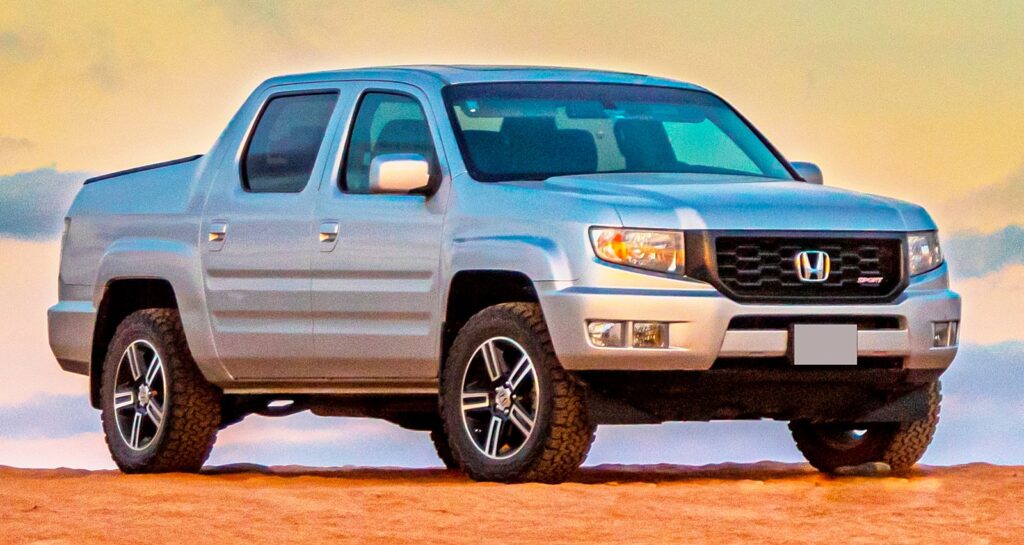
Second Generation Ridgeline (2017-Present): Scrutinizing Early Model Years for Emerging Concerns


The second generation Honda Ridgeline, introduced for the 2017 model year, represented a significant redesign, moving closer to traditional SUV styling cues while retaining its unibody architecture. As with many entirely new or heavily revised models, the initial production years often exhibit ‘new model’ bugs before refinements are fully implemented. For the 2017 Ridgeline, common reports centered around the infotainment system, with owners frequently experiencing glitches such as freezing, unresponsiveness, and Bluetooth connectivity issues. While often resolvable with software updates (as detailed in various Honda service bulletins), these early issues were a source of frustration. Additionally, the standard 6-speed automatic transmission, carried over from other Honda models, received some criticism for its shift logic, with some owners describing it as occasionally hesitant or rough, particularly at lower speeds.
The 2018 model year saw some of the infotainment issues addressed through software revisions. However, it was notably affected by a significant fuel pump recall (NHTSA Campaign Number 19V-069). This recall impacted hundreds of thousands of Honda and Acura vehicles, including the Ridgeline, due to a faulty fuel pump that could fail, leading to engine stalling while driving. While recalls are addressed by the manufacturer, it underscores a potential manufacturing defect in a critical component that could have safety implications if not rectified. Prospective buyers of a 2018 Ridgeline must verify that this recall, and any subsequent ones, have been properly completed.
For the 2020 model year and beyond, Honda transitioned the Ridgeline to a more modern 9-speed automatic transmission. This upgrade aimed to improve fuel efficiency and shift smoothness. Initial owner feedback for the 9-speed, while generally positive, has had some isolated reports of similar characteristics to other Honda/Acura vehicles utilizing this transmission, such as occasional hesitation during downshifts or a perceived lack of refinement compared to some competitors. However, these reports are less prevalent than the early 6-speed complaints. Beyond major components, early 2nd Gen models also saw minor recurring issues like sporadic sensor warnings (e.g., parking sensors, blind-spot monitoring systems) that would sometimes trigger without cause. Isolated complaints regarding interior fit and finish, such as loose trim pieces, also emerged. An out-of-warranty infotainment unit replacement, if needed, could cost anywhere from $1,000-$2,000, emphasizing the benefit of updated software. Expert analysis suggests that while these issues are not as severe as the first-generation powertrain problems, they represent typical “new model” growing pains.
Systemic Issues Across Ridgeline Generations: Beyond Specific Model Years
Beyond the model-year-specific issues, certain challenges have presented themselves across various Ridgeline generations, demanding consistent attention regardless of the production date. A paramount concern, particularly for first-generation Ridgelines (2006-2014), is their susceptibility to rust and corrosion. We have observed this extensively on frame rails, bed mounting points, and exhaust components. Vehicles operating in regions with heavy road salt application are especially vulnerable, with corrosion often accelerating into structural areas if neglected. While less pronounced, even second-generation models require vigilant undercarriage inspection, especially as they age.
Reiterating a critical point for all Ridgeline owners: the VTM-4 rear differential fluid changes must adhere to a strict schedule. Honda’s specifications typically recommend this service every 15,000 miles when towing or 30,000 miles otherwise. Neglect is the primary culprit behind the differential’s premature failure, manifesting as grinding, chattering, or clunking noises during turns, particularly at low speeds. These sounds are often precursors to significant internal wear and eventual differential failure, leading to costly repairs that can be entirely avoidable with proactive maintenance. This is a crucial aspect of trusted long-term ownership.
Always use genuine Honda VTM-4 differential fluid. Aftermarket fluids, even those claiming to be compatible, often do not contain the specific friction modifiers required for optimal VTM-4 system operation, leading to premature wear and noise.
Another common area of concern observed across various Honda platforms, including the Ridgeline, involves the air conditioning system components. We frequently see reports of A/C compressors, condensers, or associated lines developing leaks or failing prematurely. Average repair costs for A/C compressor replacement typically range from $700-$1,500, depending on the specific components involved and labor rates. While not unique to the Ridgeline, it’s a consistent item on the maintenance radar for many owners.
Regarding general longevity and wear items, brake component lifespan (rotors and pads) can vary significantly based on driving style and conditions, but some owners report slightly faster wear compared to other vehicles in its class. First-generation models also occasionally developed steering rack issues, typically manifesting as leaks or excessive play, especially at higher mileages. Furthermore, the suspension components, particularly struts and shocks, will inevitably wear out over time. Expect these to require replacement around the 90,000-120,000-mile mark, a standard maintenance item for any vehicle, but important to factor into long-term ownership costs for a truly reliable used vehicle.
Mitigating Risk: Essential Pre-Purchase Inspection (PPI) and Ownership Considerations
For any prospective buyer, especially when considering the model years identified with higher potential issues, a meticulous Pre-Purchase Inspection (PPI) is not merely recommended—it is indispensable. This due diligence can significantly minimize the risk of unforeseen major repairs and ensures a complete understanding of the vehicle’s true condition. Here’s a structured approach to ensuring a sound investment:
📋
Step-by-Step Guide to a Ridgeline PPI
Always have a trusted, independent mechanic—preferably one familiar with Honda vehicles—perform the PPI. Their objective assessment, costing around $100-$200, is invaluable. Ensure they lift the vehicle to inspect the undercarriage for rust, fluid leaks, and suspension component wear.
Obtain and scrutinize complete service records. Look for consistent maintenance, especially for transmission fluid and VTM-4 differential fluid changes. Verify the vehicle history with reports like CarFax or AutoCheck to identify prior accidents, flood damage, or recurring repairs. Missing records should be a significant red flag.
During the test drive, pay close attention to the transmission shifts—they should be smooth and predictable, without shuddering or harshness. Listen for any VTM-4 noises (chattering, grinding, or groaning) during low-speed turns, especially when reversing. Assess power steering function for smoothness and listen for pump noises. Confirm the A/C system blows cold air efficiently.
Even if no ‘check engine’ light is illuminated, ask your mechanic to perform a complete OBD-II scan. This can reveal pending diagnostic trouble codes (DTCs) that indicate emerging issues before they trigger a dashboard warning. This proactive step is a hallmark of a professional inspection.
This comprehensive approach ensures that you are aware of any existing or potential issues, allowing you to negotiate effectively or walk away from a problematic vehicle. Skipping a PPI, as statistics show many used car buyers do, significantly increases the likelihood of facing major, unexpected repairs shortly after purchase.
Recommended Honda Ridgeline Model Years for Enhanced Reliability
While identifying problematic years is crucial, it’s equally important to highlight the Ridgeline models that generally offer a more reliable and positive ownership experience. Honda’s iterative design and manufacturing processes mean that later models within a generation often benefit from resolved earlier issues and refined production. Our expert assessment points to several model years that stand out.
Within the first generation, the later models, specifically 2012-2014, are generally considered more robust. By this point, Honda had implemented numerous updates to the transmission logic, and the VTM-4 system’s intricacies were better understood by dealerships, leading to more consistent maintenance practices. These years often show higher reliability ratings from Consumer Reports and fewer severe complaints on owner forums, making them a trusted choice for a first-generation Ridgeline.
For the second generation, models from 2020 onwards represent a solid choice. These vehicles benefit from the improved 9-speed automatic transmission and further software refinements for both the powertrain and infotainment systems. Many of the initial ‘new model’ glitches experienced in 2017-2018 models were addressed, leading to a more polished and problem-free experience. The 2020+ models, including the refreshed 2021+ with its revised styling, offer the best blend of modern features and enhanced dependability within this generation.
Resolved Powertrain Issues
Later Gen 1 models (2012-2014) incorporate transmission updates and clearer VTM-4 maintenance protocols, reducing common early-generation failures.
Refined Infotainment & Transmission
2nd Gen models from 2020+ feature the 9-speed transmission and upgraded infotainment systems, addressing early generation glitches for a smoother user experience.
Mature Production & Fewer Recalls
Later model years typically benefit from more mature production cycles, leading to fewer manufacturing defects and significant recalls compared to their initial counterparts.
It is vital to stress that even for highly rated model years, individual vehicle condition and maintenance history remain paramount. A meticulously maintained 2012 Ridgeline, for instance, can often outperform a neglected 2017 model in terms of long-term quality and reliability. Always prioritize the PPI and service records as detailed in the previous section, regardless of the model year’s general reputation.
This comprehensive guide, backed by expert insights, aims to provide clarity in navigating the used Ridgeline market, ensuring buyers make a professional and reliable choice.
In summary, certain early first-generation Ridgelines (2006-2008) presented transmission and VTM-4 differential issues that require careful scrutiny. Early second-generation models (2017-2018) had infotainment glitches and critical recall-related concerns that must be verified as resolved. Systemic issues like rust (especially in Gen 1) and diligent VTM-4 maintenance are crucial for all models. Regardless of the chosen year, a thorough Pre-Purchase Inspection (PPI) and a complete review of service records are paramount for any used Ridgeline purchase to ensure trusted long-term ownership.
Armed with this detailed analysis, prospective Honda Ridgeline owners can confidently navigate the used vehicle market, focusing on models known for robust performance and avoiding those with documented reliability concerns. Always prioritize a comprehensive pre-purchase inspection by a trusted, independent mechanic to ensure a sound investment and a quality vehicle.
Frequently Asked Questions
Which Honda Ridgeline years have the most reported transmission problems?
The 2006 and 2007 Honda Ridgeline models from the first generation are most frequently cited for transmission issues, including fluid degradation and shifting irregularities. While less common, the early 6-speed automatic in 2017-2019 second-generation models also received some complaints about shift logic. Proper fluid maintenance is critical for all Ridgeline transmissions to ensure longevity and optimal performance.
Is rust a common issue for the Honda Ridgeline, especially specific years?
Yes, rust and corrosion are commonly reported issues, particularly for the first-generation Honda Ridgeline (2006-2014). Owners frequently observe rust on the frame rails, subframe, exhaust components, and bed mounting points, especially in regions exposed to road salt. While improved in the second generation, undercarriage inspection remains a crucial part of any pre-purchase assessment for all models.
Are first-generation Honda Ridgelines (2006-2014) generally reliable?
While later first-generation models (e.g., 2011-2014) demonstrated improved reliability, the earliest years (2006-2008) faced more significant issues, primarily with transmissions and the VTM-4 rear differential. With diligent maintenance, especially VTM-4 fluid changes, and addressing rust proactively, a well-maintained Gen 1 can be reliable. However, the initial years require more caution and thorough inspection.
What should I look for when buying a used Honda Ridgeline?
When buying a used Honda Ridgeline, always prioritize a comprehensive pre-purchase inspection by an independent mechanic. Specifically check for rust on the frame, scrutinize transmission shift quality during a test drive, listen for VTM-4 differential noises (especially during turns), ensure A/C functionality, and verify all infotainment features. Review full service records for consistent maintenance, particularly VTM-4 fluid changes.
Which second-generation Honda Ridgeline model years are best to consider for reliability?
For enhanced reliability in the second generation, consider Honda Ridgeline models from 2020 onwards. These models benefit from the introduction of the more refined 9-speed automatic transmission, updated infotainment systems, and numerous minor improvements that addressed initial ‘new model’ bugs found in the 2017-2019 years. They generally offer a more polished and dependable ownership experience.