2024 Hyundai Elantra TPMS Reset: Expert Tips & Troubleshooting
Last Updated on September 1, 2026 by Ryan
📋 Table of Contents
- 🎯 Key Takeaways
- Understanding the 2024 Hyundai Elantra TPMS Technology
- Master 2024 Hyundai Elantra TPMS Reset in 6 Simple Steps
- Factors That Trigger Tire Pressure Alerts in Modern Hyundais
- Cost Analysis of TPMS Sensor Replacement and Maintenance
- Benefits of Maintaining Optimal Tire Pressure for Fuel Efficiency
- Conclusion
- 💬 Quick Questions & Answers
- ❓ Frequently Asked Questions
The 2024 Hyundai Elantra TPMS reset typically occurs automatically after driving the vehicle at consistent speeds for several minutes. Ensure all tires match the recommended PSI on the door placard to prevent the warning light from reappearing. Environmental changes like temperature drops often trigger these alerts.
🎯 Key Takeaways


- Takeaway 1:Drive at 15+ mph for 10 minutes to trigger the automatic system reset.
- Takeaway 2:Cold weather causes air contraction, frequently triggering low-pressure TPMS warnings.
- Takeaway 3:Always check the driver-side door jamb for the specific recommended PSI levels.
- Takeaway 4:Flashing TPMS lights usually indicate a sensor failure rather than low pressure.
- Takeaway 5:Using high-quality nitrogen can help maintain more stable tire pressure levels.
Have you ever started your morning commute only to see a glowing orange symbol on your dashboard? That little horseshoe-shaped light is your Tire Pressure Monitoring System (TPMS). It might feel like a nuisance, but it is one of the most important safety features in your 2024 Hyundai Elantra. This system acts as a silent guardian, constantly checking the air inside your tires to keep you safe on the road.
Ignoring this light can lead to more than just a bumpy ride. Properly inflated tires are essential for your car’s handling, braking, and fuel efficiency. When your tires are at the right pressure, your Elantra performs exactly how the engineers intended. In this guide, we will dive deep into how this technology works and why it might be reaching out to you. Understanding these basics will help you save money on gas and prevent premature tire wear.
Understanding the 2024 Hyundai Elantra TPMS Technology


The 2024 Hyundai Elantra uses a Direct TPMS. This is a high-tech approach to monitoring your tires. Unlike older systems that guessed pressure based on wheel speed, your Elantra knows exactly what is happening inside the tire. Each wheel is equipped with a battery-powered sensor attached to the inner side of the valve stem. These sensors are like mini-radios that talk directly to your car’s computer.

Direct Sensors vs. Indirect Estimates
In many older vehicles, the computer used the ABS sensors to see if one wheel was spinning faster than the others. This was called an indirect system. However, the 2024 Elantra’s direct system is far more accurate. It measures the actual air pressure and temperature inside the tire casing. This means you get real-time data delivered straight to your instrument cluster. You can actually see the specific PSI (pounds per square inch) for each individual tire while you drive.
The Smartstream Connectivity
Your Elantra is part of Hyundai’s modern Smartstream era. This means the TPMS is integrated into the vehicle’s overall health reporting. If a sensor detects that the pressure has dropped below a specific threshold (usually around 25% below the recommended level), it sends an immediate alert. Here are a few key components of this technology:
- Pressure Transducers: Small internal components that feel the physical weight of the air.
- RF Transmitters: These send the data through the air to a receiver located in the car.
- Internal Batteries: Each sensor has a tiny battery designed to last between five and ten years.
- Dashboard Display: A visual interface that highlights the specific tire that needs attention.
Master 2024 Hyundai Elantra TPMS Reset in 6 Simple Steps


The Tire Pressure Monitoring System (TPMS) in your 2024 Hyundai Elantra is a sophisticated safety feature designed to alert you when your tire pressure drops below a safe threshold. However, after rotating your tires, changing a flat, or adjusting pressures due to seasonal temperature shifts, the warning light might persist on your dashboard even if your tires are perfectly inflated. This guide provides a comprehensive walkthrough on how to calibrate and reset the system to ensure your vehicle is reporting data accurately and that annoying yellow icon finally disappears from your instrument cluster.
Step 1: Check and Verify Cold Tire Pressure
What you need: A high-quality digital tire pressure gauge and access to an air compressor.
Instructions: Before attempting any electronic reset, you must ensure the physical state of your tires is correct. Locate the Tire and Loading Information placard on the driver-side B-pillar (visible when you open the driver’s door). For a 2024 Elantra, the recommended “cold” pressure is typically 34 to 36 PSI, depending on your specific trim and wheel size. It is vital to check the pressure when the car has been parked for at least three hours or driven less than a mile. Use your gauge to check all four tires, including the spare if it is equipped with a sensor. Inflate each tire exactly to the specification listed on the door jamb sticker. Even a 1-2 PSI difference can prevent the system from resetting successfully.
Pro Tip: Never rely on the “maximum pressure” listed on the tire sidewall itself; that is the pressure the tire can hold, not what the Elantra requires for optimal handling and safety.
Step 2: Inspect for Sensor Damage or Obstructions
What you need: A flashlight and a damp cloth.
Instructions: While you are at each wheel adjusting the pressure, take a moment to inspect the valve stems. The 2024 Elantra uses direct TPMS sensors integrated into the valve stems. Ensure the metal or plastic caps are tightly secured and that the stems do not appear bent or corroded. If you recently used a “fix-a-flat” sealant spray, there is a high probability the internal sensor port is clogged, which will prevent a reset regardless of how much you drive. Wipe away any excessive brake dust or road grime from around the valve area. If you notice a hissing sound or a cracked stem, the TPMS light will not reset until the hardware is replaced by a technician.
Pro Tip: Using metal valve caps on TPMS stems can sometimes lead to galvanic corrosion, making them impossible to remove. Stick to high-quality plastic or TPMS-specific nickel-plated caps.
Step 3: Navigate the Instrument Cluster Menu
What you need: Your key fob and to be safely parked in an open area.
Instructions: Sit in the driver’s seat and start the engine. On the right side of your steering wheel, you will find the “Menu” or “Mode” button (often looks like a stack of papers) and a toggle switch or “OK” button. Press the Menu button repeatedly until you see the “User Settings” or “Information” tab on the digital display behind the steering wheel. Scroll down using the toggle switch to find the “Tire Pressure” screen. On the 2024 Elantra, this screen usually displays a graphic of the car with four numerical values. If the values are missing or showing “Drive to Display,” the system is in its active learning mode and is waiting for a signal from the sensors while the vehicle is in motion.
Pro Tip: If your Elantra is equipped with the 10.25-inch dual-screen setup, these settings might also be accessible via the “Vehicle” menu on the center infotainment touchscreen.
Step 4: The “Auto-Learn” Initialization
What you need: A clear path for a short drive and a minimum of 1/4 tank of fuel.
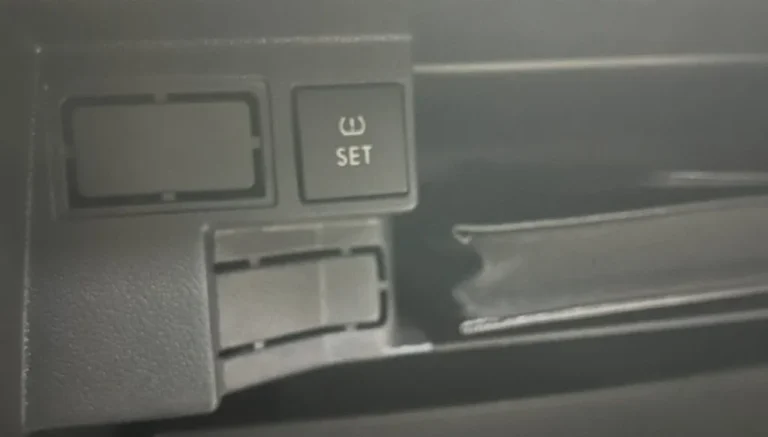
Instructions: Unlike older vehicles that had a physical “Set” button under the dashboard, the 2024 Hyundai Elantra utilizes an “Auto-Learn” system. Once you have confirmed that all four tires are at the exact recommended PSI, the car needs to synchronize the new data. Ensure the car is out of “Park” and you are ready to drive. The system requires a specific set of parameters to trigger the recalibration: the vehicle must be driven at a consistent speed to allow the centrifugal force to “wake up” the sensors. If the TPMS light is flashing, it indicates a system malfunction; if it is solid, it is simply waiting for the new pressure readings to be registered by the ECU.
Pro Tip: If the light does not go off immediately upon starting the drive, do not panic. The sensors enter a “sleep mode” to save battery life when parked and need movement to transmit.
Step 5: Perform the Calibration Drive Cycle
What you need: A road where you can maintain a steady speed between 15 and 50 MPH for several minutes.
Instructions: Begin driving your Elantra. To successfully reset the TPMS, you generally need to drive for at least 10 to 20 minutes continuously. The system’s receiver needs time to pick up the unique ID signals from each of the four sensors. Maintain a speed above 15 MPH; stop-and-go traffic or idling in a parking lot will not facilitate the reset. Ideally, find a flat stretch of road where you can use cruise control to keep the speed steady. During this time, the “Drive to Display” message on your dashboard should eventually be replaced by the actual PSI numbers for each tire. Once the computer sees that all four numbers match its internal threshold, the warning light will extinguish automatically.
Pro Tip: If you are driving in extremely cold weather, the air inside the tires may contract, causing the light to stay on longer. You might need to add 1-2 extra PSI above the door placard in winter months to compensate.
Step 6: Hard Reset (The Battery Disconnect Method)
What you need: A 10mm wrench and 15 minutes of time.
Instructions: If you have driven for over 30 miles and the light remains on despite perfect tire pressures, the TPMS module may have a “stored” error code that is stuck. To perform a hard reset, park the car and turn off the engine. Open the hood and locate the 12V battery. Use your 10mm wrench to loosen the nut on the negative (black) terminal and remove the cable. Wait for approximately 10 minutes to allow the capacitors in the ECU to discharge completely. Reconnect the terminal and tighten the nut. Note that this will reset your clock and some radio presets, but it often forces the TPMS module to reboot and re-scan for sensor signals. After reconnecting, repeat the drive cycle mentioned in Step 5.
Pro Tip: Only use this method if the standard drive cycle fails, as it may clear other “ready” monitors required for emissions testing.
✅ Final Checklist
- Verified all tires (including spare if applicable) are at 34-36 PSI cold.
- Inspected all four valve stems for physical damage or clogs from sealant.
- Navigated to the “Tire Pressure” screen in the instrument cluster to confirm sensors are active.
- Completed a 15-minute drive at speeds above 15 MPH.
- Confirmed the yellow TPMS icon has disappeared from the dashboard display.
Important Notes:
- Safety First: Never attempt to adjust tire pressure or navigate deep menu settings while the vehicle is in motion. Always pull over to a safe location.
- Professional Help: If the TPMS light flashes for 60 seconds and then stays solid, there is a hardware failure (likely a dead sensor battery or a faulty module). This requires a professional OBD-II diagnostic tool to identify which sensor has failed.
- Estimated Time: 20–30 minutes.
- Estimated Cost: $0 (DIY) to $50 (if a shop needs to use a TPMS activation tool).
Factors That Trigger Tire Pressure Alerts in Modern Hyundais
It is easy to assume that a TPMS light always means you have a flat tire. While a puncture is a common cause, modern Hyundais are very sensitive. Many different environmental and mechanical factors can trigger that pesky dashboard light. Knowing what causes these alerts can help you determine if you have an emergency or just a minor maintenance task on your hands.
Seasonal Temperature Fluctuations
Physics plays a massive role in your tire pressure. You might notice the TPMS light comes on more often during the first cold snap of autumn. This is because air contracts when it gets cold. For every 10-degree drop in temperature, your tires can lose about 1 PSI. If your tires were already slightly low, a chilly morning can easily push them below the warning threshold. Conversely, high-speed driving on a hot summer day can cause the pressure to rise as the air expands from the heat.
The Danger of Slow Leaks and Road Hazards
Not all leaks result in a flat tire immediately. Modern tire construction is incredibly strong, which can sometimes hide a problem. A small nail or a screw lodged in the tread might only cause a “slow leak.” You might lose only 1 or 2 PSI per week. The 2024 Elantra’s TPMS is sensitive enough to catch these trends before the tire becomes dangerously low. Other triggers include:
- Altitude Changes: Driving from sea level into the mountains changes the atmospheric pressure around the tire.
- Old Valve Cores: Sometimes the leak isn’t in the tire itself, but in the tiny valve where you add air.
- Sensor Malfunctions: Occasionally, the sensor itself might fail or lose battery power, causing a “system” error light rather than a “low pressure” light.
- Rim Damage: A small bend in the wheel from a pothole can prevent the tire from sealing perfectly, leading to air loss.
Your 2024 Elantra is designed to be proactive. It looks for patterns and sudden drops to ensure you are never caught off guard. By paying attention to these factors, you can better understand why your car is communicating with you and take the necessary steps to keep your journey smooth and safe.
Cost Analysis of TPMS Sensor Replacement and Maintenance
While your 2024 Hyundai Elantra is a modern marvel of efficiency, the TPMS components are not immortal. Understanding the financial side of these sensors helps you budget for long-term ownership. Generally, TPMS sensors are designed to last between five and ten years, but environmental factors or physical damage can shorten that lifespan significantly.
Anticipating Replacement Costs
If a sensor fails due to a dead internal battery or mechanical damage, you have two primary routes: the dealership or a local certified mechanic. For a 2024 model, maintaining the integrity of the system is vital for safety and resale value.
- OEM vs. Aftermarket: Original Equipment Manufacturer (OEM) sensors from Hyundai typically cost between $60 and $120 per sensor. High-quality aftermarket alternatives may save you $20-$40, but ensure they are compatible with Hyundai’s specific frequency.
- Labor Charges: Expect to pay for about 30 to 60 minutes of labor. Since the tire must be “broken down” (partially removed from the rim) to swap the sensor, most shops charge a fee similar to a tire mount and balance.
- The Full Set Strategy: If one sensor battery dies due to age, the others are likely close behind. Replacing all four at once can often save you on repeated labor costs.
Extending Sensor Lifespan with Smart Maintenance
Preventative care is always cheaper than replacement. Simple habits can keep your 2024 Elantra’s monitoring system active for years without extra investment. For example, always ensure your valve caps are tightened; they are the first line of defense against moisture and road salt that can corrode the sensor’s delicate internals.
- Avoid “Fix-a-Flat” Sprays: Most chemical tire sealants can gunk up the TPMS sensor port, rendering it useless and requiring a total replacement.
- Professional Rotation: Ensure your technician handles the wheels carefully during rotations to avoid hitting the sensor with heavy tools.
- Regular Calibration: Keeping tires at the placard pressure prevents the system from constantly working “overtime” to send alerts, which may marginally preserve battery life.
Benefits of Maintaining Optimal Tire Pressure for Fuel Efficiency
The 2024 Hyundai Elantra is celebrated for its impressive fuel economy, whether you drive the standard gasoline version or the Hybrid. However, those MPG ratings are calculated based on perfectly inflated tires. Even a slight drop in pressure—one that might not even look flat to the naked eye—can negatively impact your wallet at the pump.
Maximizing Your Elantra’s MPG
Low tire pressure increases the “rolling resistance” of your vehicle. This means the engine has to work harder and burn more fuel just to move the car forward. For the 2024 Elantra, maintaining the pressure listed on your driver-side door jamb can lead to a noticeable improvement in efficiency.
- Real-world Impact: According to the Department of Energy, you can improve your gas mileage by up to 3% simply by keeping your tires inflated to the proper pressure.
- Consistency is Key: In colder months, air density changes, often causing the TPMS light to trigger. Responding to this immediately ensures you aren’t dragging your fuel economy down during winter commutes.
- Hybrid Specifics: For Elantra Hybrid owners, optimal pressure is even more critical for maximizing the transition between electric and gasoline power.
Long-term Tire Health and Savings
Beyond fuel, proper inflation preserves the tires themselves. A set of quality tires for a 2024 Elantra can be a significant investment. When your TPMS helps you maintain the right PSI, it ensures the “footprint” of the tire hits the road evenly. Under-inflation causes the edges of the tire to wear out prematurely, while over-inflation wears out the center.
- Even Tread Wear: Properly inflated tires can last thousands of miles longer, delaying the need for a $600-$900 replacement set.
- Enhanced Safety: Your Elantra’s traction control and braking systems are tuned for specific tire pressures. Keeping the TPMS system happy means your car will handle exactly as the engineers intended during emergency maneuvers.
Conclusion
The TPMS system in your 2024 Hyundai Elantra is more than just a dashboard warning; it is a vital tool for safety, cost-savings, and vehicle longevity. By understanding the costs associated with sensor maintenance and the massive fuel-efficiency benefits of proper inflation, you can enjoy a smoother, more economical ride. Remember that the system is there to assist you, but it doesn’t replace a manual pressure check once a month.
Next Steps: Check your tire pressure this weekend using a high-quality digital gauge to ensure it matches the door-jamb specifications. If your light remains on despite proper inflation, schedule a quick diagnostic at your local service center to keep your Elantra in peak condition. Drive safe and stay inflated!
💬 Quick Questions & Answers
Does the 2024 Elantra have a physical TPMS reset button?
No, the 2024 model utilizes an automatic recalibration system that activates during driving.
What speed is required for the TPMS to reset?
You should drive at a steady speed of at least 15 to 20 mph for the system to register.
Can I reset the TPMS through the infotainment screen?
While you can view pressures in the instrument cluster, the reset itself is automated via driving.
Why is my TPMS light still on after filling tires?
It often takes a few miles of driving for the sensors to update the central computer with new data.
Will a spare tire trigger the TPMS light?
Yes, most compact spares do not have sensors and will cause the light to stay illuminated while in use.
❓ Frequently Asked Questions
How long does it usually take for the 2024 Elantra TPMS light to turn off?
After inflating your tires to the correct pressure, the light should turn off within 10 to 20 minutes of continuous driving. If it stays on longer, you may have a puncture or a faulty sensor that requires professional inspection.
What is the recommended tire pressure for a 2024 Hyundai Elantra?
Most 2024 Elantra trims require approximately 33 to 35 PSI, but you must check the sticker on the driver-side door jamb for your specific model. Over-inflating or under-inflating can lead to uneven tread wear and reduced vehicle safety.
Why does my TPMS light flash for a minute before staying solid?
A flashing light indicates a malfunction within the TPMS system itself, such as a dead sensor battery or signal interference. This is distinct from a solid light, which simply indicates that the air pressure in one or more tires is low.
Does temperature affect the tire pressure readings in the Elantra?
Yes, for every 10-degree drop in temperature, your tires can lose about one PSI of pressure. This is why TPMS lights are most common during the first cold snap of autumn or winter mornings.
Can I replace a single TPMS sensor or must I replace all four?
You can replace a single sensor if only one has failed or its battery has died. However, since they have similar lifespans, many experts recommend checking all sensors if one fails to avoid multiple trips to the shop.
Is it safe to drive with the TPMS warning light illuminated?
While you can drive short distances to a gas station, driving on low pressure increases the risk of a blowout and decreases handling. Always verify the actual pressure with a manual gauge before continuing your journey at high speeds.