Hyundai Sonata Hybrid 12V Battery Reset Button Explained
Last Updated on September 1, 2026 by Ryan
📋 Table of Contents
- 🎯 Key Takeaways
- Understanding the Integrated Lithium-Ion 12V Battery System
- Hyundai Sonata Hybrid 12V Battery Reset Made Easy: Your Essential Action Plan
- Factors That Trigger the Battery Management System Cutoff
- Advantages of the Internal Reset Feature Over External Jump-Starting
- Long-Term Reliability and Health for Hybrid Battery Systems
- Conclusion
- 💬 Quick Questions & Answers
- ❓ Frequently Asked Questions
The 12V Battery Reset button is a specialized safety feature in newer Hyundai Sonata Hybrids that restores power when the battery management system detects a low voltage state. This innovative system eliminates the need for traditional jump-starting by drawing power from the high-voltage hybrid battery to revive the vehicle’s electronics.
🎯 Key Takeaways

- The button restores power if the 12V battery discharges after periods of inactivity.
- It utilizes the high-voltage hybrid battery to recharge the integrated 12V lithium-ion unit.
- Using the reset button prevents the need for external jump-starting cables in most cases.
- A failed reset attempt often indicates the high-voltage battery is also depleted.
- Frequent reliance on the reset button suggests an underlying parasitic drain or battery health issue.
Have you ever walked out to your Hyundai Sonata Hybrid only to find it completely unresponsive? It is a sinking feeling when your modern car refuses to unlock or turn on. You might think your battery is dead and that you need a tow truck. However, your Sonata has a clever trick built into its design to save you from this exact headache.
Most traditional cars use a heavy lead-acid battery that can die permanently if it drains too low. Your Hyundai Sonata Hybrid uses a much smarter system. It features a special reset button that acts like a “jump start” from within the car itself. Understanding how this system works will save you time, money, and stress the next time your car seems to have lost its spark.
Understanding the Integrated Lithium-Ion 12V Battery System


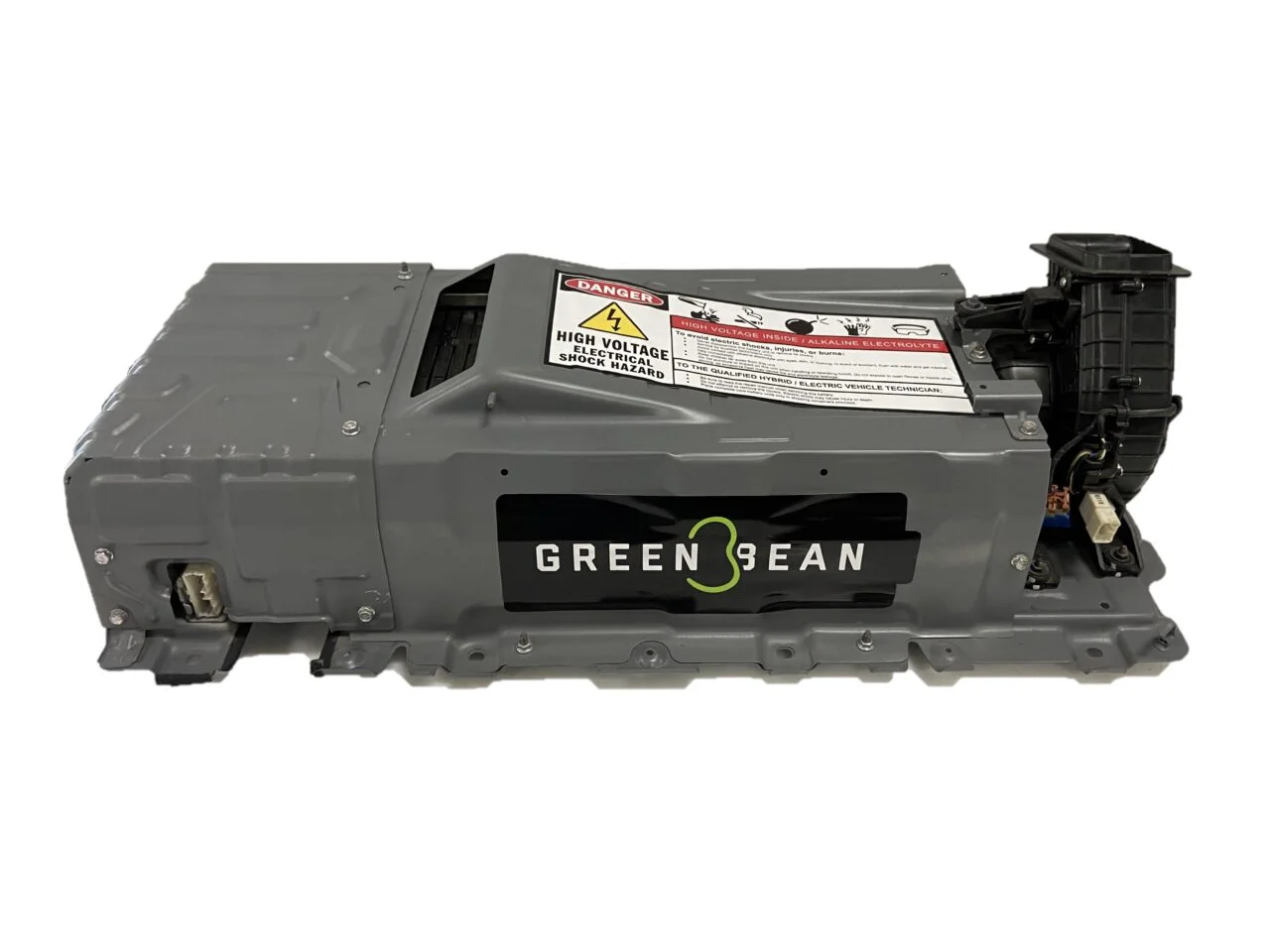
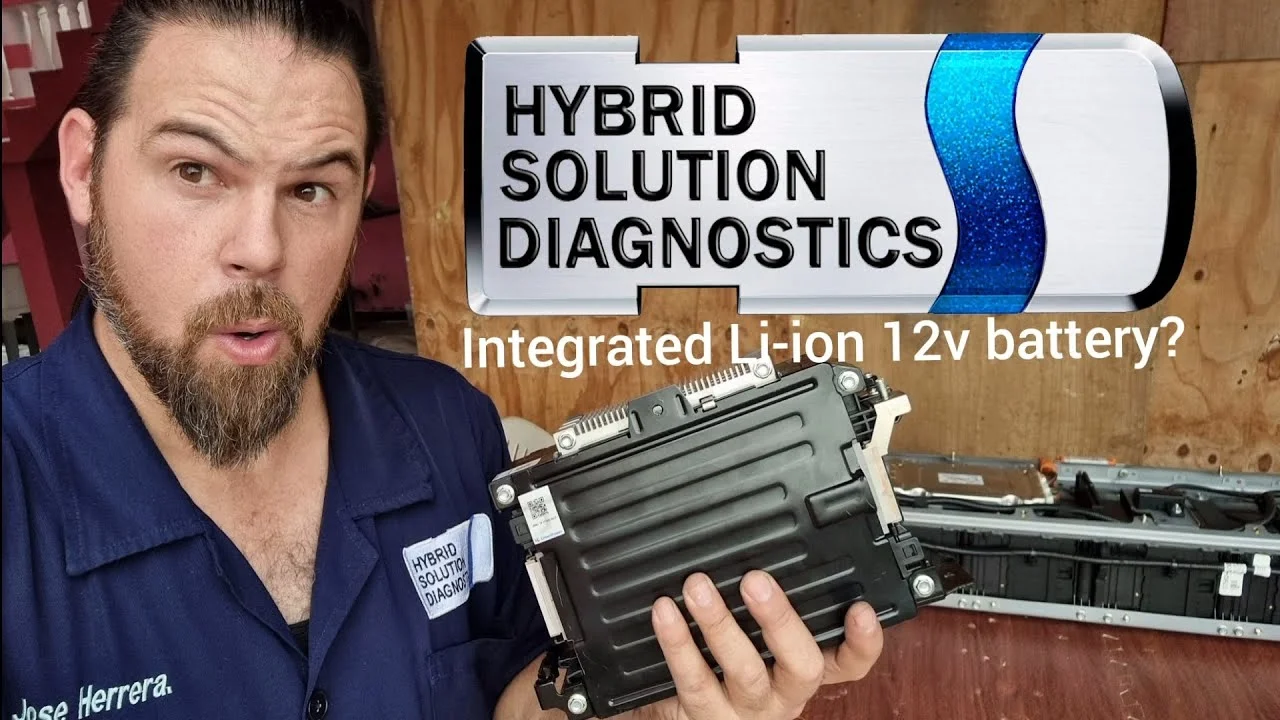
Your Hyundai Sonata Hybrid is a marvel of modern engineering. In older cars, you would find a big, heavy lead-acid battery in the trunk or under the hood. In your Sonata, that bulky black box is gone. Hyundai replaced it with a sleek, lightweight lithium-ion battery. This battery is integrated directly into the high-voltage hybrid battery pack, usually located under the rear seat.
This design choice offers several benefits for you as a driver. It saves a significant amount of weight, which helps improve your fuel economy. It also clears up extra space in your trunk for groceries or luggage. Because it uses lithium-ion technology, the battery is designed to last the entire lifetime of the vehicle. You never have to worry about corrosion on the terminals or adding distilled water.
The Role of the Battery Management System (BMS)
Think of the Battery Management System (BMS) as a digital bodyguard for your car. Its primary job is to monitor the health of the 12V battery at all times. It keeps a close eye on voltage levels, temperature, and how much power is flowing in and out. If the system detects that the 12V charge is getting too low, it acts quickly to protect the hardware.
- Prevents Damage: Lithium batteries can be damaged if they drop to zero percent. The BMS stops this from happening.
- Saves a Reserve: The system “hides” a small amount of electricity before the battery is actually empty.
- Automatic Cutoff: It physically disconnects the battery from the car’s electronics to stop any further power drain.
This is why your car might seem completely dead. It isn’t actually empty of power. Instead, the BMS has put the battery into a “sleep mode” to protect the cells. The reset button is your way of telling the BMS to wake up and use that hidden reserve power to start the engine.
Hyundai Sonata Hybrid 12V Battery Reset Made Easy: Your Essential Action Plan

Modern Hyundai Sonata Hybrids (specifically models from 2016 and newer) utilize a sophisticated lithium-ion 12V battery that is integrated into the high-voltage hybrid battery pack. Unlike traditional cars with a lead-acid battery under the hood, these vehicles feature a “Battery Management System” (BMS) that cuts off power to prevent the battery from draining to a level that would cause permanent damage. If you find your car completely unresponsive, it likely isn’t “dead” in the traditional sense; rather, the safety cutoff has been triggered. This guide will walk you through the precise steps to engage the 12V Battery Reset button, allowing the high-voltage system to jump-start the 12V system so you can get back on the road without needing a bulky jump pack or another vehicle.
Step 1: Identifying a Deep Discharge State
What you need: Your key fob and a basic observation of the vehicle’s behavior.
Instructions: Before attempting a reset, you must confirm that the 12V battery protection system has actually engaged. The most common symptoms include a key fob that refuses to unlock the doors, a completely dark instrument cluster when you enter the cabin, and no response from the “Push to Start” button. This usually happens if the car has been sitting for several weeks, if an interior light was left on, or if an aftermarket dashcam has drained the reserve. If your lights are dim but the dash still flickers, the system might not have cut off yet. However, if the car is “brick-like” and totally silent, the BMS has successfully isolated the battery to save it. Understanding this state is vital so you don’t waste time looking for a traditional battery under the hood.
Pro Tip: If the doors won’t unlock electronically, don’t panic. Use the mechanical key hidden inside your key fob to manually unlock the driver’s door before proceeding to the next step.
Step 2: Gaining Manual Entry to the Vehicle
What you need: The mechanical key blade stored inside your Hyundai Smart Key fob.
Instructions: Since the 12V system is shut down, your proximity sensor and remote unlock will not function. Locate the release switch on the back of your key fob and pull out the metal mechanical key. Look at the driver’s side door handle; if you don’t see a visible keyhole, it may be hidden behind a small plastic cover at the rear of the handle. Insert the key into the slot on the underside of the handle cover to pop it off, or simply insert the key into the visible cylinder. Turn the key clockwise to unlock the door. Once inside, sit in the driver’s seat. It is important to close the door behind you to ensure the car’s electrical load is minimized during the reset process.
Pro Tip: Keep the mechanical key out for a moment. If the car’s alarm system has just enough residual juice, it might trigger a weak honking once the door opens; don’t worry, the reset process will stop this.
Step 3: Locating the 12V Battery Reset Button
What you need: Adequate lighting (a smartphone flashlight is helpful if it is dark outside).
Instructions: Position yourself in the driver’s seat and look at the dashboard panel located to the lower left of the steering wheel. This is the area where you typically find the instrument illumination dimmer and the blind-spot monitoring toggle. Look specifically for a button labeled “12V Battery Reset.” In most Sonata Hybrid models (2016–2023+), this button is clearly marked and located in this cluster. It serves as a momentary switch that tells the High Voltage (HV) battery to send a brief charge to the 12V integrated lithium system. Familiarize yourself with the feel of the button before pressing it, as you will need to perform the next step quickly to ensure the engine starts.
Pro Tip: Some owners confuse this with the gas cap release or the trunk button. Ensure the icon specifically shows “12V” with a battery symbol to avoid unnecessary frustration.
Step 4: Executing the Reset Sequence
What you need: No tools required; just your hand and your foot on the brake pedal.
Instructions: This is the most critical step. Firmly press the “12V Battery Reset” button once. You do not need to hold it down for an extended period, but a solid one-second press is recommended. Immediately after pressing the button, you have a window of approximately 15 to 30 seconds to start the car. The reset button closes a relay that reconnects the battery, but if the vehicle doesn’t detect the “Ready” state quickly, it will trip the safety cutoff again to prevent further drain. This sequence is designed to be a “self-jumpstart,” utilizing the massive energy stored in the hybrid powertrain battery to wake up the smaller 12V electronics system.
Pro Tip: If you hear a faint “click” coming from the rear of the car after pressing the button, that is the relay engaging—this is a great sign that the system is responding.
Step 5: Starting the Vehicle into “Ready” Mode
What you need: Your foot on the brake and the Smart Key fob present in the cabin.
Instructions: Within 15 seconds of pressing the reset button, place your foot firmly on the brake pedal and press the “Engine Start/Stop” button. On a hybrid, the gasoline engine may not actually crank or start immediately if the hybrid battery has enough charge; instead, look for the green “Ready” indicator light (usually shaped like a car with arrows underneath) on the instrument cluster. Once the “Ready” light is illuminated, the car’s DC-DC converter is actively charging the 12V system from the high-voltage pack. If the engine does start, let it run. If it stays in electric mode, that is also fine, provided the “Ready” light stays on. This indicates that the system is now self-sustaining.
Pro Tip: If the car fails to start on the first try, wait 30 seconds and repeat Step 4 and Step 5. Do not attempt this more than three times in a row to avoid overheating the relays.
Step 6: Running the System to Restore Charge
What you need: 20 to 30 minutes of time and a safe place to drive or park.
Instructions: Once the vehicle is in “Ready” mode, the internal charging system begins replenishing the 12V battery. To ensure the battery reaches a sufficient state of charge to prevent another shutdown, you must keep the vehicle on for at least 20 to 30 minutes. You do not necessarily need to drive the car; you can leave it parked in “Ready” mode while you monitor it. However, driving is often better as it allows the gasoline engine to cycle and ensures the high-voltage battery also stays topped up. During this time, try to avoid using high-draw accessories like the heated seats, rear defroster, or the AC on maximum blast, as you want as much current as possible going back into the battery.
Pro Tip: If you are parked, make sure the vehicle is in a well-ventilated area in case the gasoline engine kicks on to charge the high-voltage pack.
Step 7: Verifying the Fix and Checking for Drains
What you need: A quick inspection of your vehicle’s interior and accessory ports.
Instructions: After your 30-minute charge cycle, shut the vehicle off and try to restart it normally without using the reset button. If it starts right up, the battery has successfully taken a charge. Now, perform a “parasitic drain check.” Walk around the car and ensure all interior map lights are off, the glovebox is fully closed, and nothing is plugged into the 12V power outlets (cigarette lighters) or USB ports. Aftermarket devices like OBD-II scanners or insurance “tracking” dongles are common culprits for draining Sonata Hybrid batteries. Removing these items when the car is parked for long periods will prevent the BMS from triggering the cutoff in the future.
Pro Tip: Check your door latches. Sometimes a door that isn’t perfectly latched won’t turn off the interior “puddle lights” or the dash display, leading to a slow drain.
✅ Final Checklist
- Confirm the green “Ready” light is illuminated on the dashboard.
- Verify that the “12V Battery Reset” button was only pressed once per start attempt.
- Ensure the vehicle remained on for at least 20 minutes to replenish the lithium cells.
- Check that all aftermarket accessories (dashcams, chargers) are unplugged.
- Test the key fob lock/unlock functionality to ensure 12V power is stable.
Important Notes:
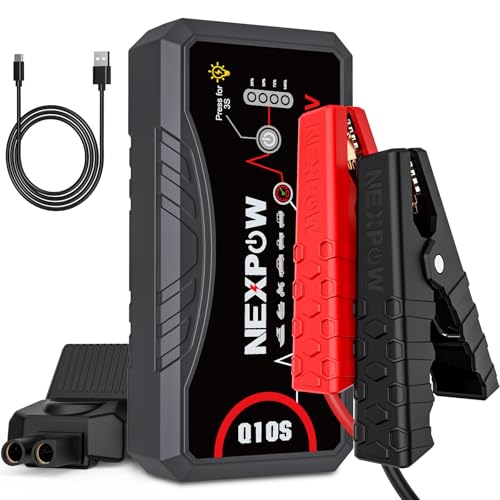
- Safety Warning: Never attempt to “jump-start” a Hyundai Sonata Hybrid with a traditional 12V jump pack directly to the battery terminals unless the owner’s manual specifically directs you to do so for your model year, as this can damage the sensitive BMS.
- When to call a pro: If you have to use the reset button every time you start the car, your 12V lithium pack may be failing or there is a significant parasitic draw that requires a technician’s diagnostic tool.
- Estimated Time: 5 minutes for the reset; 30 minutes for the charging cycle.
- Estimated Cost: $0 (This is a built-in feature of the vehicle).
Factors That Trigger the Battery Management System Cutoff
You might wonder why your car decided to shut down in the first place. The BMS is very sensitive to power loss because it wants to ensure the car can always be recovered. Even small electrical draws can trigger a cutoff if they happen over a long period. Understanding these triggers can help you change your habits and avoid a “dark” car in the future.
Parasitic Power Drains
Modern cars are never truly “off.” They are always “awake” in the background, listening for your key fob or running security sensors. Sometimes, external factors or simple mistakes pull more power than the car expects. This is known as a parasitic drain. If the drain is faster than the battery can handle, the BMS will cut the power to save the core charge.
- Interior Lights: Leaving a map light or a vanity mirror light on overnight is a common culprit.
- External Gadgets: Plugged-in dash cameras that record while the car is parked can drain the 12V system.
- Diagnostic Tools: Leaving an OBD-II scanner in the port under the dash can keep the car’s computers from sleeping.
- Key Fob Proximity: Keeping your keys too close to the car (like on a hook in the garage) can keep the car’s systems in a “ready” state.
Environmental Stress and Inactivity
How you use your car also plays a big role in battery health. If you do not drive your Sonata for several weeks, the 12V battery will slowly lose its charge through natural discharge. Unlike a traditional car, the hybrid 12V battery is smaller and has less “leisure” capacity for sitting idle. Extreme weather can also play a role.
In very cold temperatures, the chemical reactions inside the battery slow down. This makes the voltage appear lower than it actually is. The BMS might see this lower voltage and assume the battery is dying, triggering a safety cutoff. Similarly, if you only take very short trips of two or three minutes, the car may not have enough time to replenish the 12V battery from the main high-voltage pack. Over time, these short trips lead to a cumulative loss of power that eventually triggers the protection mode.
Advantages of the Internal Reset Feature Over External Jump-Starting
For decades, a dead battery meant one thing: finding a set of jumper cables and a friendly neighbor with a running engine. The 12V Battery Reset button in the Hyundai Sonata Hybrid changes that dynamic entirely. By utilizing the power already stored in the high-voltage traction battery, the car can essentially jump-start itself without any outside assistance.
Eliminating Physical and Safety Risks
Traditional jump-starting involves high-voltage sparks and the risk of reversed polarity, which can be catastrophic for a modern hybrid’s complex electrical architecture. Using the internal reset feature removes these physical variables. You don’t have to worry about messy cables, dirty battery terminals, or standing in the rain on a busy shoulder. It is a clean, electronic handshake between two battery systems designed to work together.
Protecting Sensitive Onboard Electronics
Modern Sonatas are essentially computers on wheels. External jump packs can sometimes deliver inconsistent voltage spikes that threaten delicate sensors or the Electronic Control Unit (ECU). The internal reset system is regulated by the car’s own battery management software, ensuring that the power transfer is stable and safe.
- Speed: Recovery happens in seconds rather than minutes.
- Independence: No need to wait for roadside assistance or a “donor” vehicle.
- Precision: The system only draws the exact amount of current needed to wake the electronics.
- Longevity: Minimizes wear on the 12V battery cells by avoiding harsh external charging currents.
Long-Term Reliability and Health for Hybrid Battery Systems
Understanding the 12V Battery Reset button is also about understanding the longevity of your Sonata Hybrid. Unlike older vehicles that use a heavy lead-acid battery, many newer Sonata Hybrids use a Lithium-ion 12V battery integrated into the main hybrid pack. This design is built for the long haul, but it still requires smart management to maintain its health over several years of ownership.
The Benefits of Integrated Lithium-Ion Technology
Because the 12V battery is integrated, it benefits from the same thermal management systems as the main hybrid battery. This means it stays at a more consistent temperature, which is the “secret sauce” for battery longevity. However, even the most advanced batteries can lose charge if the vehicle sits idle for extended periods. The reset button acts as a safety net, preventing the battery from reaching a “deep discharge” state that could permanently chemically damage the cells.
Best Practices for Maintaining Battery Vitality
While the reset button is a fantastic tool, relying on it daily isn’t ideal for the battery’s overall lifespan. Maintaining a healthy state of charge is the best way to ensure your Sonata remains reliable for the next decade. Keeping the system active allows the Battery Management System (BMS) to balance the cells and perform self-diagnostic checks.
- Regular Operation: Drive the vehicle for at least 20–30 minutes once a week to allow the high-voltage system to top off the 12V battery.
- Limit Accessory Use: Avoid leaving headlights, interior lights, or the infotainment system on when the vehicle is not in “Ready” mode.
- Smart Storage: If you plan to leave the car for more than two weeks, consider having someone start it periodically or check the manual for long-term storage “shipping mode” settings.
- Monitor Warnings: Pay attention to any “Battery Discharge Warning” messages on the dashboard, as these often precede a need for the reset button.
Conclusion
The Hyundai Sonata Hybrid’s 12V Battery Reset button is a testament to how far automotive technology has come. It bridges the gap between high-tech efficiency and everyday practicality, ensuring that a minor power drain doesn’t turn into a major inconvenience. By understanding how this internal jump-start works and why it is superior to traditional methods, you can drive with the confidence that your vehicle is designed to take care of itself.
To keep your Sonata in peak condition, make it a habit to monitor your battery alerts and ensure the car gets regular road time. If you haven’t already, take a moment to locate the button in your cabin so you are prepared for the unexpected. Stay informed, drive often, and enjoy the seamless performance of your hybrid technology!
💬 Quick Questions & Answers
Where is the reset button located?
It is typically found on the driver’s side dashboard, near the fuel door and trunk release buttons.
Can I still jump-start my Sonata Hybrid?
Yes, there are still jump points located under the hood for use if the reset button fails.
Why did my 12V battery die?
Common causes include leaving interior lights on, electronic accessories plugged in, or vehicle inactivity for several weeks.
How many times can I press the button?
You should only press it once per incident; repeated presses without starting the car can deplete the high-voltage battery.
Does every Sonata Hybrid have this button?
No, this feature is primarily found on 2016 and newer models equipped with lithium-ion 12V batteries.
❓ Frequently Asked Questions
What exactly happens when I press the 12V battery reset button?
Pressing the button signals the Battery Management System (BMS) to reconnect the 12V circuit and use energy from the high-voltage traction battery to provide an immediate charge. This allows the vehicle to engage the hybrid system and start the engine or electric motor successfully.
Why won’t my car start even after pressing the reset button?
If the high-voltage hybrid battery is also too low on charge, the reset button will not function. In this scenario, the vehicle may require a professional jump-start through the engine bay terminals or a tow to a dealership for high-voltage system diagnostics.
Is it safe to use the 12V battery reset button frequently?
While it is a safe built-in feature, frequent use is a sign of an underlying issue such as a parasitic drain or a failing battery sensor. You should have your electrical system inspected if the battery requires resetting more than once a month.
How does the integrated 12V battery differ from a standard car battery?
Unlike traditional lead-acid batteries located in the trunk, this is a lithium-ion battery integrated into the hybrid pack. It is lighter, has a longer lifespan, and is managed by software to prevent permanent damage from deep discharging.
Will using the reset button void my Hyundai warranty?
No, using the 12V battery reset button is a standard operating procedure clearly outlined in the Hyundai owner’s manual. It is designed to be the primary method for resolving a discharged 12V system without external assistance.
Can extreme cold weather affect the performance of the reset button?
Extreme cold can reduce the efficiency of lithium-ion cells, which may require you to wait a few moments after pressing the button before attempting to start. If the voltage has dropped below a critical threshold due to cold, the BMS may prevent the reset to protect the battery pack.