Where To Take Old Car Batteries Your Real 2026 2026
Last Updated on September 1, 2026 by Albert Duke


Properly disposing of old car batteries is crucial for environmental safety. Many auto parts stores, scrap metal yards, and municipal centers offer recycling services, often with potential core charge refunds. We help you find local options and safely prepare your battery.
Properly disposing of old car batteries is crucial for environmental safety. Many auto parts stores, scrap metal yards, and municipal centers offer recycling services, often with potential core charge refunds. We help you find local options and safely prepare your battery.
Finding where to take old car batteries for proper recycling ensures a safer environment for everyone. Improper disposal of these hazardous items can cause significant ecological harm. Lead-acid batteries, common in most vehicles, contain toxic materials that must not end up in landfills.
By understanding your recycling options, you can contribute to a healthier planet. This guide provides actionable steps for 2026, helping you navigate the process safely and efficiently. We cover everything from finding a drop-off location to understanding potential financial benefits.
Key Takeaways

- Auto parts stores often offer free battery recycling.
- Understand core charges for potential refunds.
- Always handle old batteries with safety gear.
- Improper disposal harms the environment greatly.
- Check local municipal waste sites for options.
5 Top Places to Recycle Your Old Car Battery

When your vehicle needs a new battery, you will need to find a reliable place for the old one. Fortunately, several accessible locations accept car batteries for recycling. Many of these options are conveniently located, making proper disposal straightforward.
Auto Parts Retailers
Major auto parts retailers are often the easiest and most common places to recycle old car batteries. These stores frequently have programs in place to accept used batteries, sometimes even offering a core charge refund if you are buying a new one. For instance, AutoZone, Advance Auto Parts, O’Reilly Auto Parts, and Pep Boys typically accept used lead-acid batteries. Their policies might vary, so a quick call ahead can confirm their current guidelines and any associated fees or refunds. They facilitate a crucial recycling loop.
Scrap Metal Yards
Scrap metal yards are another excellent option for battery recycling. These facilities specialize in processing various metals, including the lead found in car batteries. While some might pay you a small amount for the lead content, their primary function is to ensure the materials are recycled responsibly. Always contact them beforehand to inquire about their specific procedures and whether they purchase old batteries. This ensures a smooth transaction and proper handling.
Local Recycling Centers
Many communities have dedicated local recycling centers that accept hazardous materials, including car batteries. These centers are equipped to handle and process batteries in an environmentally sound manner. Check your municipal waste management website for information on local facilities or scheduled hazardous waste collection events. These sites provide a secure way to manage potentially dangerous items, protecting local ecosystems from contamination.
Automotive Service Shops
Your local mechanic or automotive service shop often takes old batteries, especially if they are replacing your battery for you. Even if they didn’t install your new battery, many shops will accept your old one as a courtesy. They usually have arrangements with recyclers to pick up used batteries regularly. Inquire about their battery recycling policies when you visit or call. This option provides convenience if you are already having other service work done.
Municipal Waste Sites
Government-operated municipal waste transfer stations or landfills sometimes have designated areas for hazardous waste, including car batteries. These are regulated sites that ensure proper environmental protocols are followed. Check your city or county’s waste management department website for specific locations and operating hours for these services. These facilities play a vital role in preventing pollutants from entering the environment. Planning ahead can save you time and effort when dropping off your battery.
How to Prepare Your Car Battery in 3 Steps
Properly preparing your car battery for recycling is essential for safety and efficiency. Taking a few simple steps ensures a smooth drop-off process at any recycling location. This also protects you and others from potential hazards during transport.
Inspect Battery Condition
Before moving your battery, visually inspect it for any cracks, leaks, or significant damage. A severely damaged battery might require extra caution or specialized handling. Ensure the battery casing is intact and there are no obvious signs of acid leakage. If you notice any damage, wear extra protective gear and place the battery in a leak-proof container for transport. This initial check prevents unforeseen accidents.
Clean Battery Terminals
Corrosion often builds up on battery terminals. It is wise to clean any visible corrosion from the terminals using a wire brush and a baking soda and water solution. This minimizes the risk of accidental short circuits during transport. Cover the terminals with plastic caps or electrical tape after cleaning to further prevent any contact. This simple step can avert potential sparks or electrical issues.
Secure Battery for Travel
Transport the battery in an upright position in a plastic container or tray to catch any potential leaks. Place it in a secure spot in your vehicle, such as the trunk or bed of a truck, where it will not tip over or shift during transit. Use bungee cords or straps if necessary to keep it stable. Proper securing is vital to prevent spills and ensure safe arrival at the recycling center.
3 Vital Safety Measures for Battery Transport


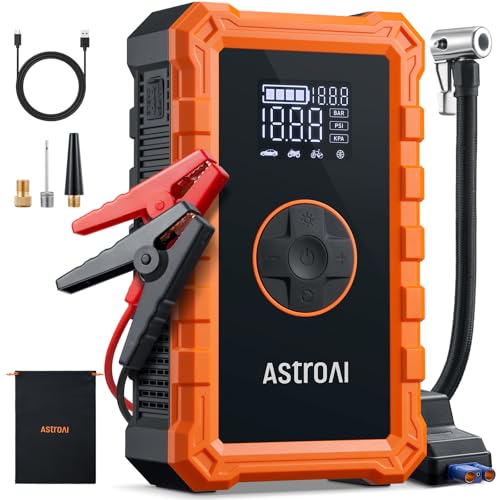
Handling old car batteries requires specific safety measures due to the hazardous materials they contain. Lead-acid batteries pose risks like acid burns and environmental contamination if mishandled. Prioritizing safety during transport is non-negotiable.
Wear Protective Gear
Always wear appropriate personal protective equipment (PPE) when handling a car battery. This includes heavy-duty gloves, such as acid-resistant rubber gloves, and eye protection like safety glasses or goggles. The sulfuric acid within batteries can cause severe chemical burns to skin and eyes. Using proper gear protects you from direct contact with corrosive substances. Protect your clothing by wearing long sleeves and pants as well.
Prevent Acid Spills
Take every precaution to prevent battery acid spills. Transport the battery in a sturdy, leak-proof container like a plastic tub. Avoid tilting or dropping the battery, which can dislodge caps or crack the casing. Even a small amount of acid spilled can damage your vehicle’s interior and create environmental hazards. Promptly clean any accidental spills with baking soda to neutralize the acid.
Transport Battery Upright
Always ensure the battery remains upright during transportation. Most batteries have vents that can allow acid to leak if the battery is laid on its side. Securing the battery in an upright position within a carrier or strapped down in your vehicle minimizes the risk of leakage. This simple step helps maintain the integrity of the battery casing and prevents acid from escaping. Keep the battery away from other items that could puncture or damage its casing.
Can You Make Money From Your Old Battery
Many people wonder if their old car battery holds any monetary value. The answer often depends on how and where you choose to recycle it. Understanding core charges and scrap value can potentially put a few dollars back in your pocket.
Understand Core Charges
When you purchase a new car battery, you often pay a “core charge,” which is a deposit on the old battery. This charge, typically ranging from $10 to $20, is fully refundable when you return an old lead-acid battery. Most auto parts stores will refund this charge whether you bought the new battery from them or not, as long as you have a receipt or a valid core. This system incentivizes proper recycling. Always ask about their core return policy before you go.
Seek Scrap Value
Scrap metal yards are another place where you might receive payment for your old battery. They are interested in the lead content within the battery, which is a valuable commodity for recycling. The amount they pay fluctuates with current lead market prices, so it might not be a significant sum. However, receiving even a small payment is better than paying a disposal fee. Contact several local scrap yards to compare their rates.
Check Program Availability
Not all recycling options offer financial incentives. Some general recycling centers or municipal facilities provide free drop-off services without any payment to you. While you might not get cash back, you are still contributing to responsible waste management. Always call ahead to inquire about fees or potential refunds before you transport your battery. This clarifies expectations and helps you choose the best option.
What to Do With Limited Recycling Options
In some areas, finding suitable car battery recycling facilities can be challenging. If your immediate vicinity lacks convenient options, there are still effective ways to ensure proper disposal. Patience and a proactive approach will yield results.
Contact Local Authorities
Begin by contacting your municipal waste management department or county hazardous waste program. These government entities often have information on local collection events, permanent hazardous waste facilities, or specific guidelines for battery disposal. They can direct you to authorized collection points or provide resources you might not find otherwise. Many communities organize special collection days.
Explore Manufacturer Programs
Some battery manufacturers offer take-back programs for their products. While less common for individual consumers, it is worth checking the manufacturer’s website or customer service. They might provide information on authorized recycling partners or specific drop-off locations for their brand. This shows a commitment to product lifecycle responsibility. Researching major battery brands can sometimes reveal unexpected options.
Utilize Online Resources
Use online search engines and dedicated recycling locator tools. Websites like Earth911.com allow you to enter your ZIP code and find nearby recycling facilities for various materials, including car batteries. Specific search terms like “car battery recycling near me 2026” or “lead acid battery disposal locations” can yield up-to-date results. These online tools are incredibly helpful for locating less obvious recycling points. They consolidate information from numerous sources for your convenience.
Your Next Step Smart Battery Recycling
Properly recycling your old car battery is a simple yet impactful action you can take for environmental stewardship. We have explored the many accessible options, from local auto parts stores offering core refunds to municipal hazardous waste facilities. Remember that safe handling and transport are paramount when dealing with these corrosive materials. By taking the time to prepare your battery and choose the right drop-off location, you ensure that hazardous lead and acid are recovered responsibly. Make a plan today to safely dispose of your old car battery and contribute to a cleaner, healthier 2026.
Common Questions About Battery Recycling
Do Auto Parts Stores Take Old Car Batteries?


Yes, most major auto parts retailers like AutoZone and Advance Auto Parts accept old car batteries for recycling. They often offer a core charge refund if you are purchasing a new battery, or free disposal otherwise. It is always best to call ahead to confirm their current policy.
Is There a Fee to Dispose of an Old Car Battery?
Often, there is no direct fee for disposing of an old car battery, especially if you return it to an auto parts store. Many places offer a core charge refund when purchasing a new battery. Some specialized recycling centers or scrap yards might even pay you a small amount for the lead. Always verify costs beforehand.
How Should I Prepare a Car Battery for Recycling?
Before recycling, ensure the battery is upright and stable to prevent leaks. You should also inspect for cracks, clean any corrosion from the terminals, and secure the battery so it doesn’t shift during transport. Wearing gloves and eye protection for safety is also highly recommended.
Why Is It Important to Recycle Car Batteries?
Recycling car batteries is crucial because they contain hazardous materials like lead and sulfuric acid. Improper disposal can contaminate soil and water, harming ecosystems and human health. Recycling conserves resources by recovering valuable lead, reducing the need for new mining and minimizing environmental impact.
What If I Cannot Find a Local Recycling Center?
If local options are scarce, start by contacting your municipal waste management department or county hazardous waste program. They can often direct you to specific collection events or facilities. Some battery manufacturers also offer take-back programs. Utilizing online search engines with specific terms can also yield hidden options.