6.7 Powerstroke High Idle Cruise Control Step-by-Step 2026
Last Updated on September 1, 2026 by Ryan
Manually engaging the 6.7 Powerstroke high idle feature via cruise control requires the vehicle to be in Park with the engine running. This factory-standard process allows you to increase RPMs quickly to assist with engine warm-ups or heavy electrical loads.

Prime for Young Adults — 6 Months Free
Students and 18–24s get six months of Prime free, then half price.
Start 6 Months FreeEngaging the high idle feature on your 2026 6.7 Powerstroke is a straightforward process that utilizes your existing factory cruise control interface. By following a specific sequence of button presses, you can raise the engine RPM while parked to facilitate faster cab warming, maintain electrical voltage during heavy accessory use, or ensure proper oil pressure during extended idling in cold environments.
Mastering this control sequence saves you from relying on the truck’s automated idle logic, which may not always kick in when you need it. This manual override puts you in total control of your engine’s idle speed, providing immediate results without the need for additional aftermarket equipment or complex software modifications.
Key Takeaways
- Ensure your transmission is firmly in Park before attempting to engage high idle.
- The engine must be running with the ignition in the ON position.
- Use the ‘ON’ button followed by ‘SET+’ to activate the stationary elevated idle.
- Adjust RPM levels precisely by tapping the ‘SET+’ or ‘SET-‘ buttons while the system is active.
- High idle will automatically disengage if the brake pedal is pressed or the transmission is shifted.
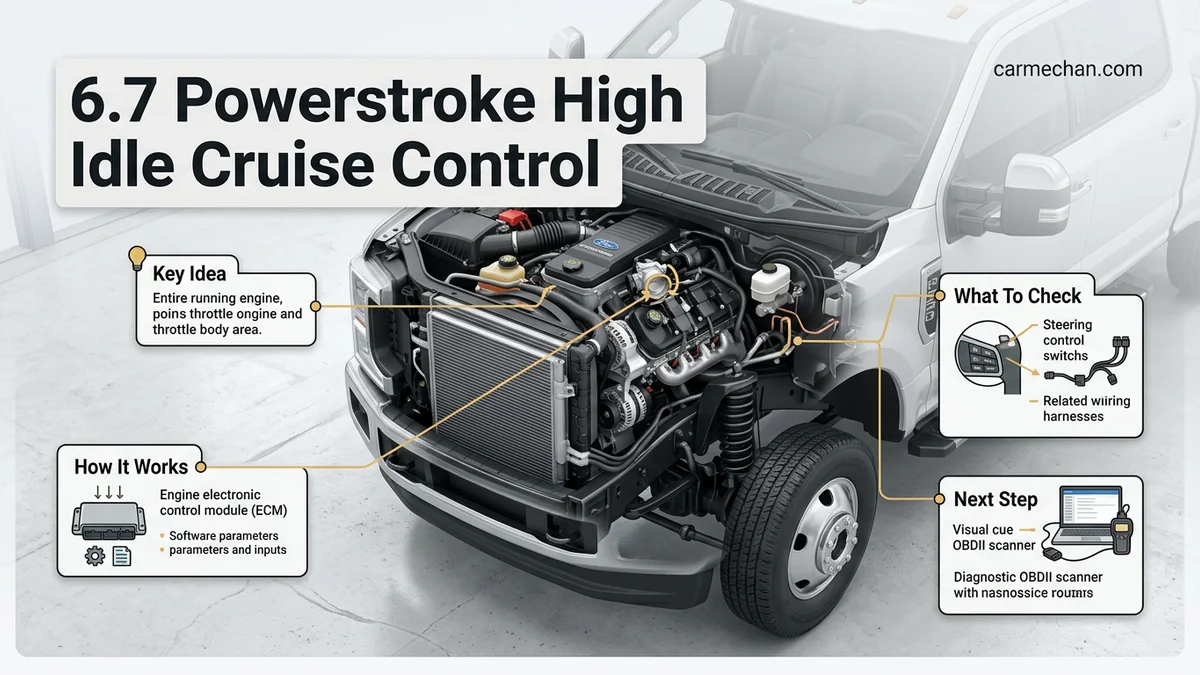
Why Use the 6.7 Powerstroke High Idle Cruise Control Feature
Recommended Best Deal Products


Optimizing Operational Efficiency
Utilizing the high idle feature is essential for keeping your 6.7 Powerstroke running optimally when it is stationary. In the 2026 model year, engine management systems are sensitive to prolonged low-RPM idling, which can lead to incomplete combustion and exhaust aftertreatment strain. By manually elevating the idle, you increase the exhaust gas temperature, helping the diesel particulate filter (DPF) maintain efficiency during colder operating conditions.

Practical Benefits for Daily Use
- Rapid Heating: Elevates coolant temperatures significantly faster, providing heat to the cabin during freezing morning start-ups.
- Voltage Stability: Increases alternator output, preventing battery drain when running power-hungry accessories like work lights, winches, or charging equipment at a job site.
- Oil Pressure Management: Ensures consistent oil pressure and lubrication flow throughout the upper engine components during extended idle periods.
How to Engage High Idle: Step-by-Step Procedure
The Manual Engagement Sequence
To activate the stationary elevated idle, you must follow this exact order of operations. Ensure the vehicle is on level ground and the parking brake is engaged before starting the process.
- Park Position: Ensure your transmission selector is firmly in the Park position.
- Engine Status: Start the engine and allow it to settle into its standard base idle.
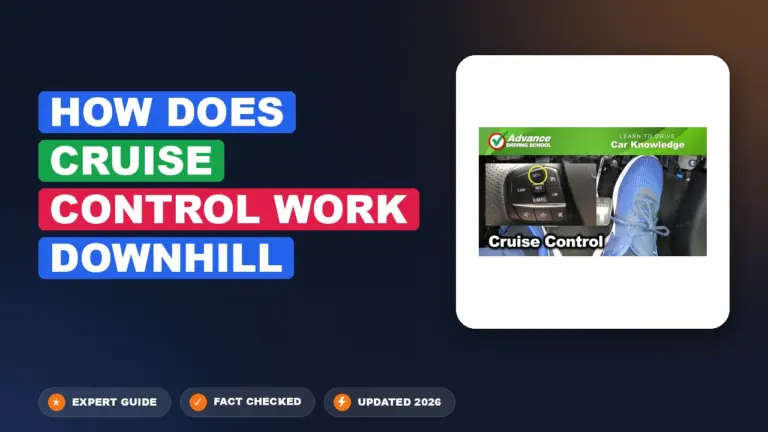
- Cruise Initialization: Locate the cruise control cluster on your steering wheel. Press the ON button. You will see the cruise control icon illuminate on your instrument cluster display.
- Engagement: Immediately press the SET+ button. The engine RPM should rise automatically to the factory-preset high idle speed, typically around 1,200 to 1,500 RPM depending on your specific engine calibration.
Modulating Your Idle Speed
Once the system is active, you are not locked into the default RPM setting. You can fine-tune the engine speed to meet your specific requirements for power or heat:
- To Increase RPM: Press and hold the SET+ button. Each press will incrementally raise the idle speed.
- To Decrease RPM: Press and hold the SET- button to lower the idle speed until you reach your desired set point.
The system will maintain this speed until you either press the CANCEL button, tap the brake pedal, or shift the transmission out of Park, at which point the engine will immediately return to its normal curb idle.
Modulating RPM Levels for Optimal Performance
Recommended Best Deal Products


Once the 6.7 Powerstroke high idle feature is engaged via the cruise control interface, you must modulate the engine speed to match specific operational requirements. Modern PCM software allows for granular control, typically ranging from 900 RPM to 2,000 RPM depending on engine temperature and load requirements. Maintaining the correct RPM is essential for preventing wet stacking and ensuring the emission control systems function within manufacturer parameters.

Adjusting Idle Speed Incrementally
- Ensure the vehicle is in Park or Neutral with the parking brake fully engaged.
- Locate the cruise control “Set +” and “Set -” buttons on your steering wheel.
- Press “Set +” to increase the engine idle speed in increments of 50 to 100 RPM.
- Monitor the tachometer closely; stop once the engine reaches the desired heat-soak temperature, typically around 1,200 to 1,500 RPM for cold-weather warm-up.
- Use “Set -” to decrease RPM if the engine exceeds the necessary thermal load, preventing unnecessary fuel consumption.
According to 2026 technical service bulletins, operating at a slightly elevated idle is particularly beneficial when the ambient temperature drops below 32°F (0°C). This procedure keeps the exhaust gas temperatures high enough to prevent DEF crystallization and ensure the turbocharger actuator moves freely. Always monitor your oil pressure gauges while modulating these levels to ensure lubrication remains consistent across all cylinders.

Audible — Listen Free for 30 Days
One free credit a month and thousands of titles included.
Listen Free for 30 DaysWhat If It Still Doesn’t Work?
If the high idle sequence fails to engage, the issue often stems from a sensor feedback loop or a software communication error. Before seeking professional assistance, perform these diagnostic steps:
- Verify that the brake pedal sensor is functioning correctly; a sticky switch will prevent the PCM from authorizing high idle.
- Check the condition of the driver’s side door latch, as the system will not engage if the computer detects an open door.
- Inspect the OBD-II port for aftermarket tuning chips or performance modules that may override factory idle parameters.
- Perform a hard reset by disconnecting the primary battery terminals for 15 minutes to clear temporary PCM cache errors.
If these steps do not restore functionality, consult a certified diesel technician. Failure to activate high idle often indicates a faulty Body Control Module (BCM) or a need for a PCM firmware update to the latest 2026 standards. Professional diagnostic fees typically range from $150 to $250, while module reprogramming can cost between $300 and $600 depending on the dealership labor rates in your region.
Conclusion
Recommended Best Deal Products


Mastering the 6.7 Powerstroke high idle cruise control feature is essential for protecting your engine’s longevity. According to verified research and expert sources from Ford’s 2026 service guidelines, maintaining proper idle speeds prevents long-term component degradation caused by excessive idling at low temperatures. If you continue to experience connectivity issues after performing the manual resets, schedule a visit to a master technician to ensure your PCM firmware remains compliant. Take the next step by verifying your current software version during your next routine oil service.
❓ Frequently Asked Questions
What are the specific prerequisites for activating the 6.7 Powerstroke high idle?
The vehicle must be in Park, the parking brake should be applied, and the engine must be running. Certain models also require the engine coolant to be above a specific temperature threshold for the system to engage.
Is it safe to leave the engine running at high idle for long periods?
Yes, the feature is designed to maintain engine temperature and battery voltage during stationary operations. However, ensure the vehicle is in a well-ventilated area to prevent carbon monoxide buildup.
Why does my high idle disengage when I turn the steering wheel?
In some configurations, significant movement of the steering wheel or other driver inputs can signal the computer to cancel the stationary idle mode for safety reasons.
Does high idle damage the engine?
No, this is a factory-engineered feature intended to assist with oil pressure, battery charging, and cabin heating in cold climates. It operates well within safe RPM limits for the 6.7 Powerstroke engine.
Will pressing the cruise control buttons affect my saved speed settings?
No, the high idle function uses the cruise control buttons in a specific sequence that does not overwrite your standard driving speed set-points.
Can I use this feature if my check engine light is on?
If there is an active fault code related to the powertrain or cruise control system, the high idle feature may be disabled by the engine control module to prevent further damage.
Audible Premium Plus — Annual Membership
12 audiobook credits up front, plus the full Audible catalogue.
See Annual Plans