What Is Paint Correction On A Car Expert Guide What Is 2026
Last Updated on September 1, 2026 by Ryan
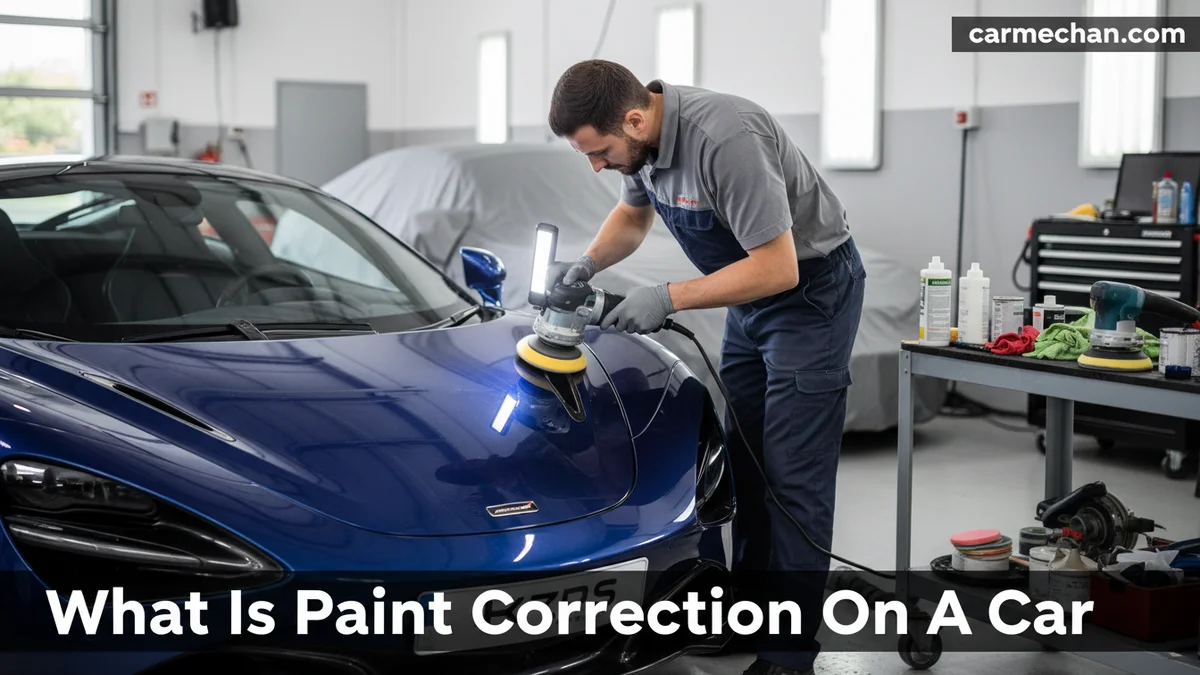
Paint correction on a car is a meticulous process of removing imperfections from a vehicle’s clear coat to restore and refine its paintwork. It involves carefully abrading the surface with specialized compounds and polishers to eliminate swirl marks, light scratches, oxidation, and other blemishes, revealing a deeper gloss and clarity.
Paint correction on a car is a meticulous process of removing imperfections from a vehicle’s clear coat to restore and refine its paintwork. It involves carefully abrading the surface with specialized compounds and polishers to eliminate swirl marks, light scratches, oxidation, and other blemishes, revealing a deeper gloss and clarity.
Paint correction fundamentally refers to the process of restoring a vehicle’s paintwork by removing surface imperfections. This highly specialized detailing service aims to eliminate defects that detract from a car’s aesthetic appeal.
It goes beyond a simple wash or wax, transforming a dull, scarred finish into a mirror-like surface. Understanding this process helps car owners appreciate the level of craftsmanship involved.
This article will explain what paint correction does and why it is a valuable investment for vehicle owners in 2026. We will detail the journey from a blemished exterior to a showroom-quality shine.
Key Takeaways


- Paint correction eliminates surface defects.
- It involves multi-step machine polishing.
- Achieves enhanced gloss and paint clarity.
- Cost varies by vehicle condition and size.
- Proper aftercare ensures lasting results.
What 5 Common Paint Defects Can Paint Correction Fix?


Paint correction excels at removing several common paint defects that diminish a car’s appearance. These imperfections often accumulate over time through daily driving and improper washing techniques. Professional correction targets these issues directly.

Eliminate Swirl Marks
Swirl marks are circular scratches visible under direct light, often caused by automated car washes or improper hand washing. Paint correction uses abrasive compounds to level the clear coat around these defects. This physically removes the swirls, restoring a smooth and reflective surface.
Address Minor Scratches
Light scratches that haven’t penetrated through the clear coat are prime candidates for paint correction. These superficial marks can appear from various sources, including fingernails, car doors, or minor abrasions. The process carefully abrades the surrounding clear coat to blend and remove these imperfections.
Remove Paint Oxidation
Oxidation occurs when a car’s paint is exposed to sun and environmental elements, causing it to look dull and faded. Paint correction removes the topmost layer of oxidized clear coat, revealing fresh, vibrant paint underneath. This restores the original color depth and luster.
Cleanse Water Spots
Hard water spots leave mineral deposits that can etch into the clear coat if left untreated. These unsightly marks can be stubborn and difficult to remove with standard washing. Paint correction gently buffs away these etchings, returning a pristine finish to the affected areas.
Repair Etching Damage
Bird droppings and insect splatter contain acidic compounds that can etch into a car’s clear coat, leaving permanent marks. When caught early, paint correction can effectively smooth out these etched areas. It prevents further damage and restores an even surface texture.
Now that we know what imperfections paint correction can tackle, let’s explore the step-by-step process involved.
How Is Car Paint Correction Done in 6 Essential Steps?


The professional car paint correction process involves a series of meticulously executed steps to achieve a flawless finish. Each stage requires precision and specialized tools to ensure optimal results and protect the vehicle’s paint integrity.
Prepare the Surface
The first critical step involves a thorough wash and decontamination of the vehicle. This removes all loose dirt, grime, and embedded contaminants like tar, sap, and industrial fallout. Techniques include a multi-stage wash, chemical decontamination sprays, and clay bar treatment.
Assess Paint Condition
After cleaning, a detailed inspection of the paint surface is crucial. Technicians use specialized lighting to identify all defects, such as swirl marks, scratches, and oxidation. This assessment determines the paint’s condition and guides the most effective correction strategy.
Protect Trim Areas
Before any abrasive work begins, all sensitive areas like plastic trim, rubber seals, and chrome accents are carefully masked off. This protects them from accidental contact with polishers, compounds, or abrasives. This precise step prevents damage to non-painted surfaces.
Begin With Compounding
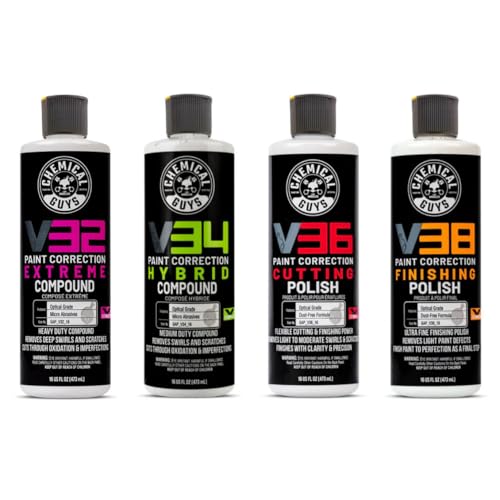
Compounding is the initial abrasive stage, where more aggressive compounds are used with a machine polisher (like a Dual Action or Rotary). This step targets deeper scratches and heavy oxidation by removing a microscopic layer of the clear coat. Proper technique prevents overheating the paint or removing too much material.
Refine With Polishing
Following compounding, a finer polish is used with softer pads to remove any haze or micro-marring left by the compounding stage. This refining step enhances gloss and clarity, bringing out the paint’s true depth. It achieves a smooth, reflective, and swirl-free finish.
Apply Final Protection
Once the paint correction is complete and the surface is perfectly refined, a protective layer is applied. This might include a high-quality wax, sealant, or a durable ceramic coating. This final step locks in the corrected finish and provides long-lasting protection against environmental elements. It also helps prevent future defects.
This multi-stage process yields remarkable results, leading us to consider the significant benefits of undertaking such a thorough paint restoration.
What 3 Key Benefits Does Paint Correction Offer?
Beyond simply fixing defects, paint correction offers several key benefits that enhance a vehicle’s overall appearance and protection. These advantages contribute significantly to both the car’s aesthetic and its long-term value.

Restore Paint Clarity
One of the most striking benefits is the restoration of paint clarity. Defects like swirl marks and oxidation scatter light, making the paint appear dull. Correcting these imperfections allows light to reflect evenly, revealing a deeper, more vibrant color. Your car’s finish will exhibit an almost wet-look shine.
Boost Aesthetic Appeal
Paint correction dramatically boosts a vehicle’s aesthetic appeal. A flawless, highly reflective paint job stands out, giving the car a rejuvenated, often better-than-new appearance. This enhancement is immediately noticeable, making the vehicle look exceptionally clean and well-maintained. [VISUAL EXAMPLE: Before and after gloss]
Prolong Paint Life
By removing harmful oxidation and providing a perfectly prepped surface for protection, paint correction can indirectly prolong the life of your paintwork. A newly corrected and protected surface is less susceptible to environmental damage. It makes future cleaning easier and more effective, maintaining the finish for years.
While the benefits are clear, it is equally important to understand what paint correction cannot achieve and when it might not be the right solution.
What 4 Limitations Won’t Paint Correction Fix?
Despite its transformative capabilities, paint correction has specific limitations and cannot fix all types of paint damage. Understanding these boundaries helps manage expectations and determine when alternative repairs are necessary.
Address Deep Scratches
Paint correction only works on imperfections contained within the clear coat or the uppermost layer of paint. Scratches that have penetrated through the clear coat into the color coat or primer cannot be fixed. This process removes a thin layer of material; it cannot add paint back. [EXPLANATION: Clear coat depth limitations]
Repair Paint Chips
Paint chips, often caused by stones or road debris, involve actual loss of paint material. Paint correction cannot repair these physical voids in the paint. For chips, touch-up paint or professional respraying of the affected panel is typically required to restore the finish.
Resolve Extreme Damage
Severe paint defects like widespread delamination, extensive chemical burns, or areas where the clear coat is flaking off are beyond the scope of paint correction. These issues indicate significant clear coat failure that necessitates repainting the entire affected panel or vehicle.
Replace Missing Paint
The core principle of paint correction is to level the existing paint surface by removing minute imperfections. It cannot add missing paint or clear coat back onto the vehicle. For areas with missing paint, whether due to scratches, chips, or other damage, a body shop repair is the appropriate solution.
Understanding these limitations helps in assessing if paint correction is the right investment, which often brings questions about its cost.
How Much Does Car Paint Correction Cost in 2026?
The cost of car paint correction varies significantly, influenced by several factors that reflect the labor and expertise involved. Pricing depends heavily on the condition and type of vehicle.
Understand Pricing Variables
Several elements influence the final price of paint correction. These include the vehicle’s size, the severity of the paint defects, and the color of the paint (darker colors often show imperfections more readily). Extremely neglected finishes require more time and more aggressive techniques, increasing the cost.
Choose Correction Levels
Paint correction services are often offered in different levels, such as a one-step or multi-step correction. A one-step correction typically involves a single pass with a polish to enhance gloss and remove minor swirls. Multi-step corrections, involving compounding followed by polishing, target more significant defects.
Consider Regional Differences
Geographic location plays a role in pricing, with services in metropolitan areas or regions with a higher cost of living often being more expensive. Demand for professional detailing services also impacts pricing. Always research local providers for the most accurate quotes.
Evaluate Overall Value
While professional paint correction can range from a few hundred to over a thousand dollars in 2026, it offers significant value. It dramatically enhances a car’s appearance and can boost its resale value. Compared to the cost of a full repaint, which can be several thousands, paint correction is a highly cost-effective restoration solution.
After investing in paint correction, maintaining its pristine results is crucial, and a frequently asked question often relates to follow-up care.
Why Car Paint Correction Is a Smart Investment
Investing in what is paint correction on a car means choosing to restore your vehicle’s aesthetic and protect its finish. This detailed process offers more than just superficial shine; it rejuvenates the paint by removing accumulated defects. You gain a deeper gloss, enhanced clarity, and an overall renewed appearance.
It is a commitment to maintaining your vehicle’s value and pride of ownership. By understanding the process, its benefits, and its limitations, you can make an informed decision for your car. Proper aftercare ensures these stunning results last for many years to come.
5 Common Questions About Car Paint Correction
How Long Does Car Paint Correction Last?
The physical removal of defects through paint correction is permanent, as the clear coat material is gone. However, the appearance of the corrected finish depends on applying good protection, like ceramic coatings, and consistent, proper maintenance. With excellent care, results can last many years.
Is Paint Correction the Same as Car Polishing?
No, paint correction is a comprehensive, multi-stage process that includes polishing as one of its steps. Polishing refines the paint to enhance gloss. Paint correction encompasses thorough cleaning, decontamination, compounding (defect removal), polishing, and protection.
Can I Do Paint Correction Myself at Home?
While DIY paint correction is possible, it requires specialized tools, significant knowledge, and practice. Improper technique can cause irreversible damage to your car’s clear coat. For best and safest results, professional service is highly recommended.
Does Paint Correction Remove Deep Scratches?
Paint correction effectively removes light to moderate scratches that reside only within the clear coat. It cannot remove deep scratches that have gone through the clear coat into the color layer or primer. Those require body shop repair.
How Often Should a Car Have Paint Correction?
The frequency depends on how well the paint is maintained and its exposure to damaging elements. With proper washing techniques and quality protection (like ceramic coating), a car might only need paint correction every few years, or even longer.