How Often Should You Vacuum Your Car Expert Guide 2026
Last Updated on September 1, 2026 by Albert Duke
Most drivers should vacuum their car every two to four weeks to prevent dirt buildup, allergens, and permanent carpet damage. However, the ideal frequency depends heavily on lifestyle factors like transporting pets or children. Establishing a consistent cleaning schedule preserves interior materials and maintains a healthier cabin environment.

Prime for Young Adults — 6 Months Free
Students and 18–24s get six months of Prime free, then half price.
Start 6 Months FreeFor most drivers in 2026, the sweet spot for vacuuming your car is once every two weeks. However, the exact frequency ranges from twice a week to once a month depending entirely on your passengers, pets, and daily routine. If you eat on the commute or transport muddy gear, you will need a much tighter schedule than someone who treats their cabin like a strictly enforced no-food zone.
Maintaining a clean interior is about more than just aesthetics. Trapped dirt, sand, and organic debris act like sandpaper on your floor mats and upholstery, breaking down fibers prematurely. Regular vacuuming preserves your vehicle’s resale value, prevents stubborn odors from settling into the fabric, and keeps allergens at bay.
Key Takeaways
- Vacuum standard daily commuter vehicles every 2 to 4 weeks.
- Vehicles carrying pets or children require weekly vacuuming.
- Infrequently driven weekend cars only need cleaning every 1 to 2 months.
- Trapped dirt and food crumbs can permanently damage interior carpet fibers.
- Regular vacuuming prevents allergen buildup and eliminates lingering odors.

What Causes Interior Dirt Buildup in Your Vehicle
Recommended Best Deal Products


To figure out your ideal cleaning schedule, you need to understand where the mess comes from. Dirt does not just magically appear on your carpets; it is constantly tracked in from the outside world on your shoes, clothing, and gear.
External Elements and Foot Traffic
Every time you get into your car, your footwear brings in microscopic soil, street dust, sand, and seasonal debris like leaves or pine needles. Sand is particularly destructive because the sharp, hard grains sink deep into carpet weaves where they sever fibers every time your heels press down. If you live in an urban environment with heavy construction or a rural area with unpaved roads, this accumulation happens at an accelerated rate.
Passenger Habits and Organic Debris
Life happens inside modern vehicles. Commuters who eat breakfast on the highway leave behind microscopic crumbs, sugar crystals, and wrapper residue. These organic materials attract ants, beetles, and other unwanted pests. Furthermore, skin cells, pet dander, and shed hair constantly accumulate in upholstery seams, creating a hidden layer of buildup that requires regular suction to remove.
How Often to Vacuum Based on Lifestyle and Driving Habits

Audible — Listen Free for 30 Days
One free credit a month and thousands of titles included.
Listen Free for 30 DaysYour vehicle use case dictates your vacuuming timeline. A generic rule of thumb fails because a solo commuter faces vastly different conditions than a parent running a carpool van. Assessing your specific lifestyle ensures you maintain a clean cabin without wasting time on unnecessary chores.
The Commuter and Weekend Driver Standard
If you use your car primarily for solo commuting or weekend errands and strictly enforce no-eating policies, you can easily stretch your vacuuming routine to once a month. Low-traffic cabins accumulate dust rather than heavy debris. On the other hand, if you drive daily for rideshare services or professional appointments, your passengers demand a much higher standard. In 2026, rideshare drivers typically need a quick cordless vacuum touch-up twice a week to maintain high ratings and a fresh-smelling interior.
The Reality of Kids, Pets, and Active Hobbies
Transporting children and pets completely changes the math. You should adjust your cleaning frequency based on these specific factors:
- Pets: If you frequently drive with dogs, pet hair and dander weave themselves tightly into fabric seats. You will need to vacuum at least once a week using specialized rubber pet hair attachments.
- Kids: Between dropped crackers, juice box spills, and sports gear, family vehicles accumulate debris rapidly. Aim for a thorough vacuum every 7 to 10 days.
- Outdoor Enthusiasts: Hikers, surfers, and cyclists track in mud, sand, and organic matter constantly. Shake out and vacuum your rubber all-weather or carpet mats bi-weekly to prevent permanent staining.
Step-by-Step Guide to Maintaining Clean Car Carpets
Recommended Best Deal Products


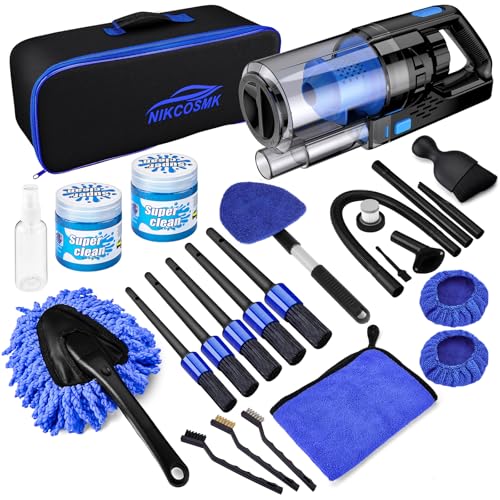
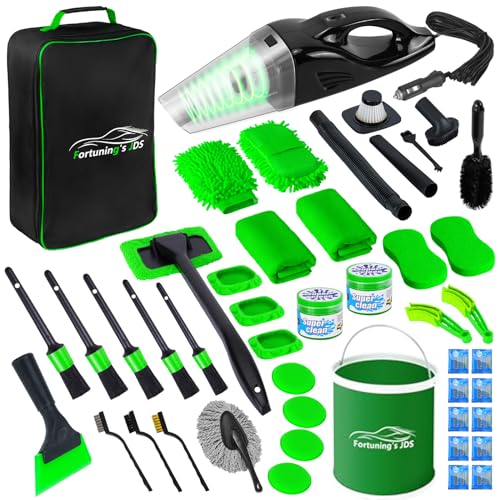
Achieving professional-grade detailing results requires a methodical approach rather than random cleaning. Automotive care experts recommend following a strict protocol to extract embedded grit and protect fabric fibers from premature wear.

1. Preparation and Debris Removal
Remove all floor mats, personal items, and large trash before powering on any equipment. Shake floor mats vigorously outside the vehicle to dislodge loose surface dirt.
2. The Agitation Phase
Use a stiff-bristled interior detailing brush across all carpeted surfaces and seats. This crucial step loosens stubborn pet hair, sand granules, and dried mud trapped deep within the weave.
3. Systematic Vacuum Passes
Equip your vacuum with a crevice tool for tight spaces and a motorized brush attachment for flat areas. Move the nozzle slowly in overlapping grid patterns. According to equipment manufacturers, slow passes capture up to 35 percent more particulate matter than rapid sweeping motions.
Audible Premium Plus — Annual Membership
12 audiobook credits up front, plus the full Audible catalogue.
See Annual PlansWhat If Regular Vacuuming Doesn’t Remove Deep-Set Debris?
Persistent embedded dirt, stubborn pet hair, or ground-in stains often resist standard household or commercial vacuums. When routine cleaning fails to restore your car interior, utilize these advanced fallback strategies:
- Use a Pumice Stone or Rubber Pet Hair Brush: Specialized rubber bristles create static charges that pull woven pet hair out of carpet loops effortlessly.
- Apply Hot Water Extraction: Rent or purchase a dedicated automotive carpet extractor to inject hot water and cleaning solution, instantly vacuuming it back up along with dissolved grime.
- Hire Professional Detailing Services: If ground-in salt or biohazards remain, professional detailers utilize high-pressure pneumatic agitation tools (like a Tornador) and industrial steam extractors. Professional interior detailing typically costs between $150 and $350 depending on vehicle size and contamination levels.
Conclusion
Maintaining a clean vehicle interior requires balancing your daily lifestyle factors with a consistent maintenance schedule. By vacuuming every one to two weeks, you prevent abrasive grit from permanently degrading your automotive carpeting. According to verified research and automotive industry experts, proactive interior maintenance preserves vehicle resale value by up to five percent over a five-year ownership period. Your actionable next step for 2026 is to inspect your floor mats today, schedule your next deep clean, and invest in a quality rubber pet brush for stubborn fibers.
❓ Frequently Asked Questions
How often should you vacuum your car if you have kids?
If you regularly transport children, you should vacuum your car at least once a week. Kids often track in mud, drop food crumbs, and spill drinks that require immediate and frequent attention.
What are the clear signs that my car needs to be vacuumed immediately?
Visible crumbs on the seats, pet hair accumulation, a noticeable layer of dust on the floor mats, and musty odors are all clear indicators that your car is overdue for a vacuuming.
Does seasonal weather affect how often I should vacuum?
Yes, rainy spring seasons and snowy winters bring in mud, salt, and moisture that require more frequent vacuuming and mat cleaning to prevent interior damage.
Can I damage my car interior by vacuuming too often?
No, standard residential or car wash vacuums will not damage your vehicle’s interior. However, using stiff bristle attachments too aggressively on delicate fabrics can cause piling over time.
How can I reduce the amount of dirt in my car between vacuums?
Using all-weather rubber floor mats, shaking them out weekly, keeping a small trash bin in the vehicle, and shaking off shoes before entering can significantly cut down on debris.
Does vacuuming help eliminate bad car odors?
Yes, removing trapped food crumbs, spilled liquids, and organic pet dander through regular vacuuming eliminates the primary sources of lingering bad odors in a vehicle.