How To Remove Pet Hair From Car Seats Without A Vacuum 2026
Last Updated on September 1, 2026 by Albert Duke
Stuck with embedded pet fur and no vacuum available? Static electricity and friction are the secret keys to lifting stubborn animal hair from vehicle upholstery using simple household tools.
You can effectively remove stubborn pet hair from your car seats without a vacuum by utilizing everyday household items that create static electricity and friction. Whether your trunk is packed or your portable vacuum just died, common tools like rubber dish gloves, window squeegees, and damp sponges lift deeply embedded fur faster than suction alone.
As vehicle interiors evolve through 2026, manufacturers use tighter, more durable fabric weaves in modern cars. While great for spill resistance, these dense fibers act like Velcro for animal fur. Knowing the right physics-based removal techniques saves you time, energy, and money at the professional detailer.
Key Takeaways
- Rubber dishwashing gloves create static friction that easily rolls pet hair into clumps.
- A standard window squeegee acts as an effective hair scraper on cloth seats.
- Dampened sponges or rubber brushes capture deep-set fur without damaging fabric fibers.
- Fabric softener sheets neutralize static cling to release woven-in animal hair instantly.
- Always tailor your cleaning method to match cloth versus leather seat materials.

Why Pet Hair Embeds Deeply Into Car Seat Fibers


Animal fur is structurally different from human hair. It features microscopic barges, scales, and tapered ends that slide easily into the loose weave of automotive upholstery. Once pressure is applied from sitting, riding, or shifting, these hairs wedge themselves microscopic millimeters deep into the foam and fabric matrix of your seats.

The Anatomy of Automotive Upholstery
- Poly-blend woven cloth: Acts like a microscopic hook-and-loop system, catching barbed pet guard hairs.
- Perforated leather and vinyl: Fur tightly packs into ventilation holes and deep grain textures.
- Nylon carpets: Static charge forces loose undercoat fur to weave horizontally across the pile.
Why Traditional Shaking Fails
Opening the car doors and shaking the cushions does not work for embedded fur. The electrostatic bond between the pet hair and synthetic seat fabric creates a magnetic-like attraction. Without breaking this chemical and mechanical bond, the hair stays locked in place regardless of airflow or movement.
Master Pet Hair Removal in 7 Simple Steps
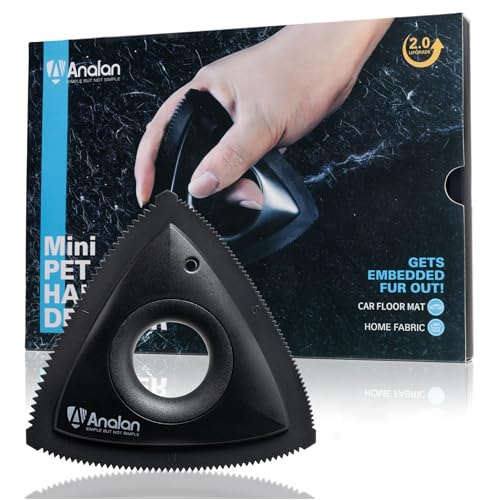


Dealing with stubborn pet fur embedded deep into your car’s upholstery can feel like an impossible battle, especially when you do not have access to a vacuum cleaner. Whether you are prepping your vehicle for a road trip or simply tired of wearing your dog’s golden retriever fur to every business meeting, this comprehensive walkthrough will show you how to lift every last strand using everyday household items. By harnessing friction, static electricity, and natural rubber properties, you can achieve professional-level detailing results right in your driveway without spending a fortune on heavy-duty equipment.
Step 1: Prep the Interior and Clear Large Debris
What you need: A pair of heavy-duty rubber gloves, a large trash bag, and a stiff-bristled utility brush.
Instructions: Before tackling the embedded pet hair, you need to clear away any loose surface dirt, large clumps of fur, and debris that might scratch your seats or get in the way. Put on your utility gloves and use your hands to sweep across the seats, gathering loose fur into large, manageable balls. Toss these clumps directly into your trash bag. Next, take your stiff-bristled brush and do a quick, light sweep across the surface from top to bottom. Do not press too hard yet; the goal is simply to dislodge surface-level tangles and bring deeply trapped hairs closer to the fabric surface where they are easier to extract.
Pro Tip: Avoid using metal scrapers or sharp tools during this initial prep phase, as they can easily snag delicate cloth upholstery or puncture leather and vinyl seats.
Step 2: Harness Static Electricity with Rubber Gloves
What you need: Standard yellow household rubber cleaning gloves (latex or nitrile also work well) and a spray bottle filled with plain tap water.
Instructions: Lightly mist your car seats with water—just enough to make the fabric damp, not soaking wet. Put on your rubber gloves and rub your hands together briskly for a few seconds to build up static electricity. Firmly wipe your gloved hands across the car seats using sweeping, downward motions. The friction combined with the rubber material creates an electrostatic charge that acts like a magnet for pet hair, pulling stubborn strands right out of the woven fabric. As the rubber surface fills up with fur, peel it off in strips and toss it into your trash bag.
Pro Tip: Keep a small bowl of water nearby to rinse your gloves periodically; wet fur sticks much better to rubber than dry fur does.
Step 3: Lift Stubborn Strands with a Window Squeegee
What you need: A standard handheld rubber window squeegee with a clean, flexible rubber blade.
Instructions: Take your rubber squeegee and hold it at a 45-degree angle against the car seat. Apply firm, steady pressure as you drag the squeegee across the upholstery in long, continuous strokes. The sharp edge of the rubber blade provides concentrated friction that grabs onto deeply embedded hairs, rolling them up into neat little piles that are simple to pick up by hand. Work systematically from the top of the seat back down to the crease, and repeat the process on the seat cushion from back to front. You will be amazed at how much hidden fur this simple window-cleaning tool extracts.
Pro Tip: If your squeegee is too wide to fit into the tight bolsters or crevices of bucket seats, look for a mini squeegee or use the edge of a rubber spatula instead.
Step 4: Attack Tight Crevices with a Pumice Stone
What you need: A clean, fine-grained cosmetic pumice stone or a specialized pet hair removal stone.
Instructions: Car seat seams, seat belt buckles, and the cracks between the backrest and bottom cushion are notorious traps for pet hair. Gently glide your pumice stone along these narrow crevices using short, light strokes. The porous surface of the stone acts as a micro-abrasive that catches fine cat or dog hairs and balls them up instantly. Be extremely gentle when using a pumice stone on standard cloth interiors to avoid wearing down or fuzzing the fabric fibers. Never use a pumice stone on leather, faux leather, or vinyl, as it will permanently scratch and ruin the material.
Pro Tip: Test the pumice stone on a hidden area of cloth upholstery first to ensure the fabric weave is durable enough to withstand the abrasive texture.
Step 5: Detail Delicate Areas Using Fabric Softener Sheets
What you need: A pack of fresh, unused anti-static dryer sheets.
Instructions: Take a single dryer sheet and firmly wipe down all the smooth plastic trim, center consoles, and delicate leather or vinyl portions of your car seats. The chemical coatings on dryer sheets neutralize static electricity, making it nearly impossible for airborne pet hair to cling back onto these surfaces. Furthermore, rubbing a slightly damp dryer sheet over cloth seats helps loosen lingering fine hairs that refused to budge during the rubber glove and squeegee phases. Your car will also benefit from a fresh, clean scent once you finish this step.
Pro Tip: Do not use heavily saturated or oily dryer sheets on leather, as they can leave a greasy residue that attracts dust and dirt over time.
Step 6: Finish with Packaging Tape for Microscopic Hairs
What you need: A roll of heavy-duty packing tape or wide duct tape.
Instructions: Tear off a 6-to-8-inch strip of packing tape and wrap it around your dominant hand with the sticky side facing outward, creating a makeshift adhesive mitt. Press your taped hand firmly onto any remaining patches of fur on the seats, then pull straight up. The high-tack adhesive will capture microscopic hairs, dust, and dander that are virtually invisible to the naked eye. Rotate the tape on your hand as it loses its stickiness, and replace the strip entirely once it is covered in fur and debris. This guarantees a polished, showroom-quality finish without needing a vacuum.
Pro Tip: Avoid using cheap office scotch tape or masking tape, as they lack the strong adhesive strength needed to pull hairs out of dense automotive fabrics.
Step 7: Lock in Results with Fabric Protectant Spray
What you need: An automotive-grade fabric protector or anti-static upholstery spray and a clean microfiber cloth.
Instructions: Now that your car seats are completely free of pet hair, take a moment to prevent future buildup. Lightly mist your clean fabric seats with an anti-static fabric protector spray, holding the bottle about 8 to 12 inches away from the upholstery. Gently buff the product into the fabric using a clean microfiber cloth. This creates an invisible barrier that repels pet dander, reduces static cling, and makes future cleaning sessions twice as fast and effortless. Allow the seats to air dry completely for at least 30 minutes before sitting on them.
Pro Tip: Roll down your car windows while applying the fabric protectant to ensure proper ventilation and quick drying.
✅ Final Checklist
- All loose dirt, debris, and large clumps of fur have been removed from the seats and discarded.
- Rubber gloves and a squeegee successfully extracted the deep-seated pet hair from the main seat areas.
- Tight seams, crevices, and buckle housings are completely clear of trapped hair.
- Packing tape was used to pick up any remaining microscopic hairs and dust particles.
- Anti-static spray was applied to repel future fur accumulation and keep seats clean longer.
Important Notes:
- Never use abrasive tools like pumice stones or stiff wire brushes on leather, vinyl, or faux leather seats to prevent permanent scratches.
- If your vehicle’s interior has deep mold, severe biological odors, or heavy infestations of embedded fur that resist all manual methods, consider seeking professional automotive detailing services.
- Estimated time for this manual process is 30 to 45 minutes, with a total material cost of under $10 if you already own basic household items like rubber gloves and tape.
How Friction and Static Electricity Lift Embedded Fur


To pull pet hair out of car seats without a vacuum, you must manipulate physics. By introducing materials that generate high friction or static charges, you can force the embedded fur to release its grip on the upholstery fibers and migrate toward your cleaning tool.

The Rubber Glove Method
Putting on a standard rubber dishwashing or cleaning glove is the quickest zero-vacuum hack available in 2026. The rubber creates intense friction against cloth and leather when dragged across the surface. This friction rolls the loose hairs into tight, manageable clumps that you can easily pick up with your fingers.
The Squeegee and Fabric Softener Trick
- Static neutralization: Spray a light mist of water mixed with a few drops of liquid fabric softener over the seat.
- Friction displacement: Pull a handheld rubber window squeegee firmly across the fabric in one direction.
- Hair aggregation: The rubber blade pushes and rolls all the separated fur into a single neat pile at the edge of the seat.
Step-by-Step Guide to Removing Pet Hair Using Household Tools
Tackling embedded pet hair requires a methodical approach. Automotive detailing experts recommend starting with the least abrasive method to protect delicate fabric weaves and synthetic leather upholstery in modern 2026 vehicle interiors.
The Rubber Glove Technique
- Put on a standard pair of rubber dishwashing gloves or nitrile gloves.
- Lightly mist the gloves with clean water from a spray bottle to create mild surface tension.
- Wipe your gloved hands firmly across the car seats in a single, sweeping direction.
- Roll the gathered fur into tight balls with your fingers and discard them immediately.
The Pumice Stone or Fabric Softener Method
- Dilute liquid fabric softener with water in a 1-to-3 ratio inside a clean spray bottle.
- Lightly mist the fabric car seats to loosen static electricity holding the hair fibers in place.
- Glide a rubber squeegee or a dedicated pet hair detail block gently across the seat surface.
- Wipe the loosened hair away with a microfiber towel treated with the same fabric softener solution.
What If It Still Doesn’t Work?
Stubborn pet hair that withstands household tools often requires advanced remediation strategies. According to data compiled by the International Carwash Association, deeply embedded undercoat fur from breeds like Huskies or German Shepherds locks into polyester-blend vehicle textiles with mechanical force that basic friction cannot break.
- Use a Specialized Pet Hair Stone: Upgrade from household rubber to a dense pumice-style pet block designed specifically for automotive grade carpets and upholstery, available for around $8 to $15.
- Apply Antistatic Sprays: Treat the seats with a commercial electrostatic barrier spray to neutralize the electrical charge bonding the pet dander and hair to the fabric.
- Invest in Professional Detailing: If DIY methods fail after 45 minutes of targeted effort, take the vehicle to a professional detailer equipped with high-pressure air compressors and professional tornador cleaning tools.
- Budget for Professional Removal: Professional pet hair extraction services typically cost between $75 and $150 depending on vehicle size and severity of the infestation.
Conclusion
Removing stubborn pet hair from car seats without a vacuum is entirely achievable using static electricity, rubber friction, and simple household items. By neutralizing static and gathering fibers into manageable clumps, vehicle owners can restore a pristine interior without heavy equipment. According to verified research and automotive interior experts, maintaining a consistent weekly wipe-down prevents deep fiber penetration. Make your next step choosing one household tool from this guide to test on a small, hidden section of your back seat today.
❓ Frequently Asked Questions
How do rubber gloves remove pet hair from car seats?
Rubber gloves generate static electricity and high friction when rubbed against fabric. This natural pull forces individual hairs to stand up and clump together into manageable piles for easy removal.
Is it safe to use a squeegee on car seats?
A rubber-bladed window squeegee is completely safe for standard cloth car seats and floor mats. Simply drag the squeegee firmly across the fabric in one direction to pull up trapped fur.
How do I remove pet hair from leather car seats without scratching them?
Leather seats do not trap hair via woven fibers, so you can easily wipe them down using a microfiber cloth dampened with a mixture of water and a few drops of fabric softener.
Why does pet hair stick so stubbornly to car upholstery?
Animal fur carries a natural static charge and features microscopic barbs that hook tightly into synthetic and cotton car seat weaves, resisting normal brushing motions.
Can packing tape or duct tape replace a vacuum for car hair removal?
Wrapping packing tape around your hand with the sticky side out is an effective spot-treatment for lifting surface-level pet hair off both cloth and vinyl seats.
How can I prevent pet hair from embedding deeply in my car seats?
Spray your seats lightly with a diluted fabric softener solution before a trip, or use a dedicated seat hammock to keep fur off the actual upholstery.