2017 Kia Soul TPMS Reset Button Location: Solved
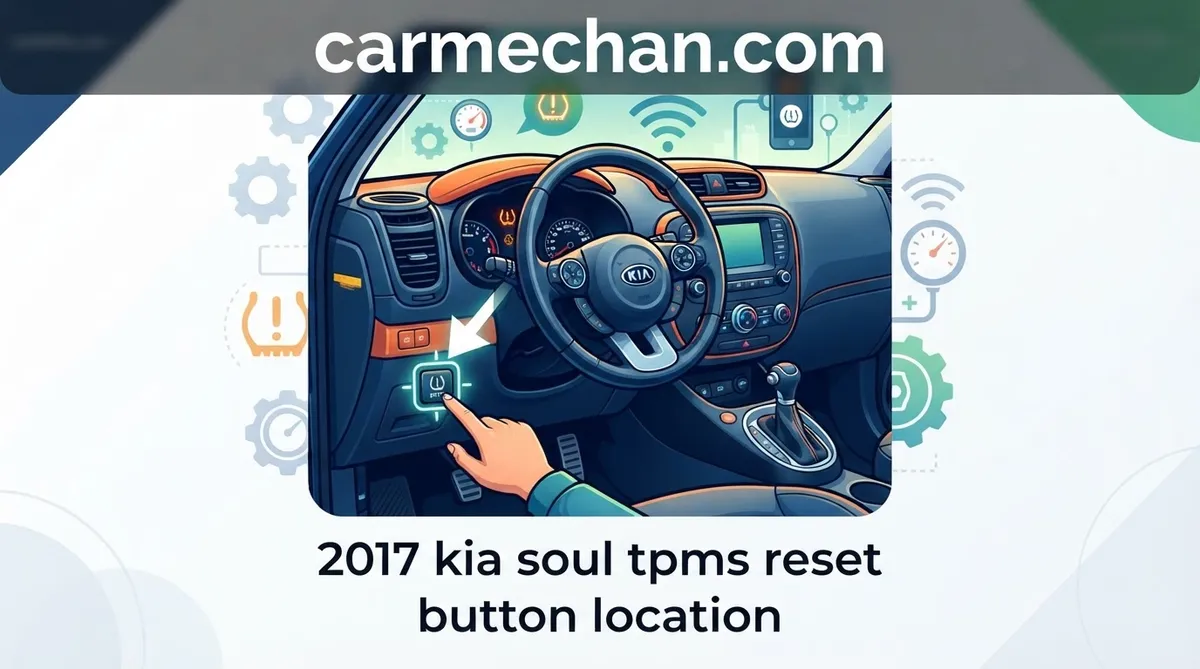
Is your tire pressure light glaring at you, and you’ve spent hours hunting for a phantom reset button under your steering wheel? Many 2017 Kia Soul owners are led astray by outdated automotive advice suggesting there is a physical button to clear the TPMS alert. In this guide, we clarify the 2017 Kia Soul TPMS reset button location status—or lack thereof—and walk you through the correct, official way to get your dashboard light turned off for good.


Understanding Why the 2017 Kia Soul TPMS Light Stays On
To effectively manage your vehicle’s Tire Pressure Monitoring System (TPMS), you must first understand that your 2017 Kia Soul utilizes a Direct TPMS. Unlike indirect systems that rely on wheel speed sensors to estimate pressure based on tire rotation, a direct system employs physical valve stem sensors installed inside each wheel.
📤 Share Image
The Direct TPMS Sensor and ECU Connection
Each wheel contains a sensor that measures internal pressure and transmits this data via radio frequency to the vehicle’s TPMS control module. When the pressure drops below the manufacturer’s specified threshold, the control module sends a signal to the instrument cluster warning light, alerting the driver of an under-inflation event. Because the system is automated, it does not rely on a manual input to “learn” new pressures; it constantly polls the sensors for data.
How Cold Weather Triggers False Pressure Alerts
Ambient temperature is the most frequent culprit for a nuisance light. Research indicates that for every 10-degree drop in outside temperature, tire pressure typically drops by 1 to 2 PSI. If your tires are already on the lower end of the recommended range during a warm afternoon, an overnight temperature dip can trigger a warning the next morning. This is not a system failure, but rather a functional demonstration of the Ideal Gas Law.
Decoding the Solid vs. Flashing Warning Light
Interpreting the dashboard display is critical for diagnosis. A solid TPMS light consistently signifies that at least one tire is under-inflated. Conversely, a flashing TPMS light indicates a system malfunction. This usually occurs if a sensor battery is dead, a sensor was damaged during a tire change, or there is an electrical fault within the receiver module. If you see the light flash for 60 seconds upon starting the car and then remain solid, you are dealing with both a pressure issue and a sensor communication failure.
Industry Data
Loss per 10°F Drop
Flashing Light Duration (System Error)
Correct 2017 Kia Soul TPMS Reset Button Location Procedure
Because there is no physical button, you must follow the correct sensor initialization procedure to restore the system to its default state. Do not search under the dash or in the glovebox; the “reset” is built into the drive cycle.
📋
Manual Tire Pressure Adjustment Guide
Open the driver-side door and locate the placard on the door frame. This provides the exact cold tire pressure (PSI) recommended by Kia. Never use the number printed on the tire sidewall.
Use a high-quality tire pressure gauge to measure all four tires. Inflate them to the exact PSI listed on the placard. Ensure you do not forget the spare if it is monitored by the system.
Once the tires are properly inflated, drive the vehicle for at least 10–15 minutes at speeds exceeding 20 mph. This provides the sensor the necessary time to reboot and signal the TPMS module that the pressure is sufficient.
Common Pitfalls When Resetting 2017 Kia Soul TPMS


Many DIY enthusiasts encounter unnecessary complications because they attempt to force a manual reset that the system simply does not support. Avoiding these pitfalls is essential for a clean and efficient diagnostic process.
- The Sidewall Trap: Always adhere to the door jamb PSI. Tires often state a “Max PSI” of 44 or higher, which refers to the maximum pressure the tire can handle at its maximum load, not the optimal operating pressure for your vehicle. Over-inflating based on this number creates a harsh ride and uneven tire wear.
- The Hidden Button Myth: Spending hours looking for an “under-dash reset” is a common waste of time. Your 2017 Kia Soul does not contain this feature. Forcing the system to “initialize” via non-existent buttons will not clear the backup memory in the ECU.
- Ignoring the Flash: If you see a flashing light and simply add air, the light will remain on. A flashing light is a diagnostic code for a system component failure, not a pressure correction reminder. Ignoring this can lead to further damage to the TPMS receiver or the valve stem sensors.
- Static Reset Failure: Attempting to reset the system while the vehicle is parked in your driveway will fail. The sensors require the centrifugal force of rotating wheels to activate and transmit data packets to the ECU.
Troubleshooting Persistent TPMS Alerts on a 2017 Kia Soul
If you have confirmed your pressures are set correctly and you have completed multiple drive cycles, yet the light remains, you are dealing with a technical fault. In these instances, you require a fresh start through professional intervention.
Diagnosing Failed Sensors with an OBD-II Scanner
A standard OBD-II scan tool capable of reading TPMS data can provide the exact information the ECU sees. These tools interact with the TPMS sensor in each wheel, allowing you to view individual sensor IDs, battery status, and signal strength. If a scanner shows that one or more sensors are not broadcasting, you have identified the source of your error.
When a Professional Technician Intervention is Required
When sensors fail, professional assistance is usually necessary because the tires must be unmounted to replace the faulty valve stem sensor. A professional shop will use a specialized TPMS tool to “wake up” the new sensors and program their unique hexadecimal IDs into the vehicle’s ECU. This ensures that the vehicle recognizes the new hardware and integrates it properly into the system.
Never attempt to force or override the TPMS system by disabling warning chimes or covering the light. This system is a vital safety feature mandated by federal regulations to prevent loss-of-control accidents caused by tire failure.
In summary, the 2017 Kia Soul TPMS is a sophisticated, fully automated safety system. It does not require manual inputs or hidden buttons to operate or reset. By maintaining the correct PSI and allowing the system to perform its automatic handshake during a standard drive, you will keep your dash clean and your vehicle safe. If the light persists, treat it as a mechanical diagnostic trigger rather than a simple tire pressure warning.
2017 Kia Soul Tpms Reset Button Location: Frequently Asked Questions
Where is the TPMS reset button on my 2017 Kia Soul?
There is no physical TPMS reset button on the 2017 Kia Soul. Unlike many older vehicles or some other manufacturers, Kia designed this system to be entirely automatic. Once the system detects that the tire pressure in all tires—including the spare, if monitored—is within the manufacturer’s specified range, the sensors will automatically signal the computer to turn off the warning light.
Why is my tire pressure light still on after filling my tires?
The system requires a ‘drive cycle’ to update. After filling your tires to the correct pressure, you must drive the car at speeds consistently above 20 mph for at least 10 to 20 minutes. This allows the TPMS sensors to wake up and transmit the new, correct data to the car’s computer, confirming that the pressure is stable and within the acceptable safety threshold.
Do I need a special tool to reset the TPMS on this car?
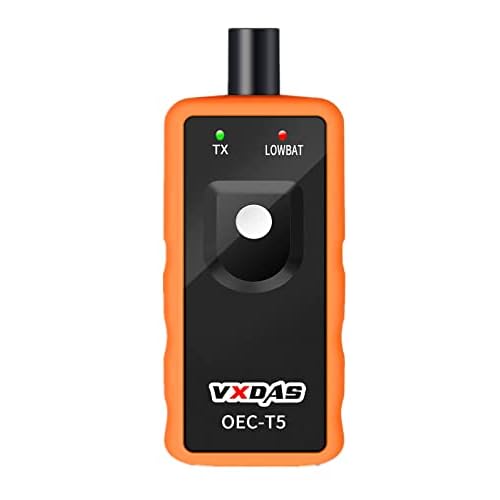


No special tool is required for the average driver. You do not need an OBDII reset tool or a TPMS scan tool to clear the light; simple maintenance and driving are the standard methods. However, if a sensor has reached the end of its battery life or is physically damaged, a professional technician will need a specialized scan tool to identify which specific sensor has failed.
Can I disconnect the battery to force a TPMS reset?
Disconnecting the battery is not recommended as a method to reset the TPMS. While it might temporarily clear stored codes, it does not address the underlying issue and may cause other electronic control units in your 2017 Kia Soul to lose their memory settings. Always rely on the prescribed inflation and drive-cycle method to resolve TPMS alerts properly and safely.
What happens if a sensor is damaged?
If a TPMS sensor is physically damaged or its internal battery dies, it cannot communicate with the vehicle’s computer. In this scenario, the warning light will typically remain illuminated or flash periodically. No amount of driving or tire pressure adjustment will clear the light. You will need to have the specific wheel removed and the damaged sensor replaced by a technician, followed by a system relearn.