Proven Signs Your Car Needs An Oil Change 2026 Guide
Last Updated on September 1, 2026 by Ryan
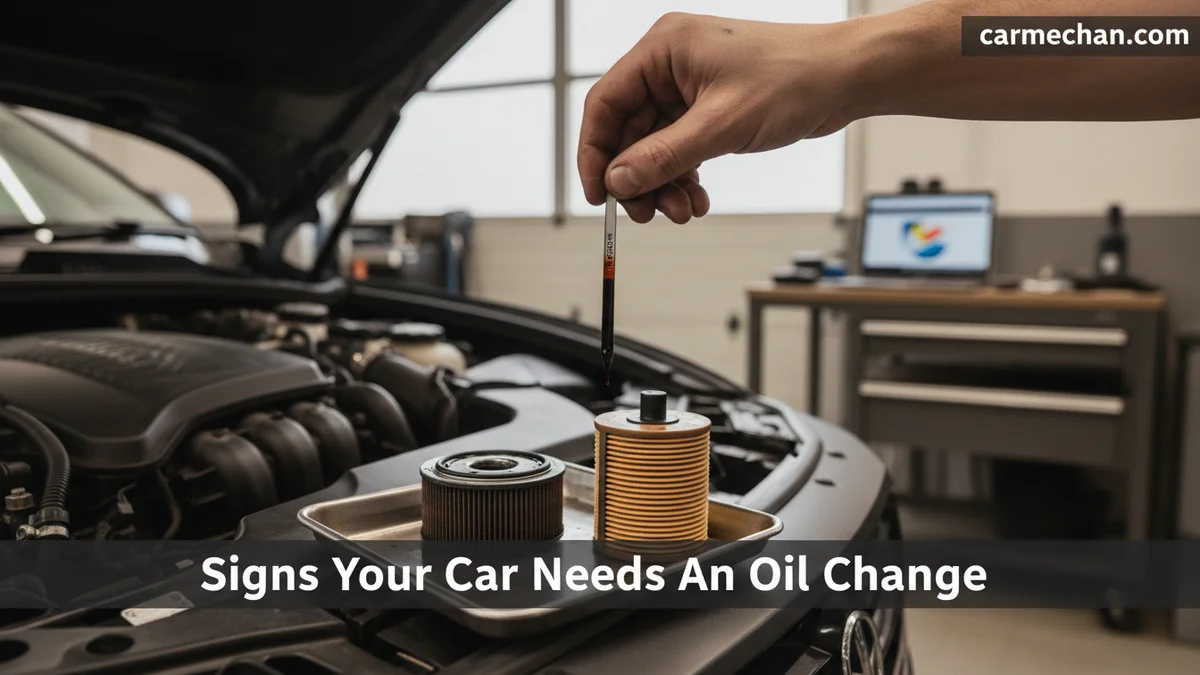
Recognizing the early signs your car needs an oil change can prevent significant engine damage. Pay close attention to warning lights, unusual engine noises, and changes in oil appearance to proactively maintain your vehicle.
Recognizing the critical signs your car needs an oil change is essential for vehicle longevity and peak performance. Engine oil acts as the lifeblood of your car, lubricating moving parts, reducing friction, and dissipating heat. Neglecting its quality or level can lead to severe issues.
Ignoring these warning signals can transform routine maintenance into costly repairs. We empower you to understand your vehicle’s needs, preventing unexpected breakdowns and ensuring a safer driving experience in 2026 and beyond. Proactive care is always the best approach.
Key Takeaways


- Dashboard warnings are crucial first indicators.
- Unusual engine sounds often signal low or old oil.
- Check oil color and texture on the dipstick regularly.
- Ignoring signs leads to expensive engine failures.
- Regular maintenance aligns with manufacturer guidelines.
7 Critical Warning Signs Your Engine Needs Oil Now


Several clear indicators can signal that your engine oil is failing or critically low, demanding your immediate attention. Addressing these promptly can save your engine from significant damage.

Dashboard Oil Light Illuminates
When the oil pressure warning light glows on your dashboard, it’s a critical signal. This typically indicates low oil pressure, meaning your engine might not receive adequate lubrication. Stop safely and investigate the issue immediately. .
Continuing to drive can cause irreversible harm to vital engine components.
Engine Develops Unusual Sounds
Healthy engine oil dampens the sounds of moving parts. If you start hearing knocking, ticking, or grinding noises from under the hood, especially when accelerating, it often points to insufficient lubrication. These sounds signify metal-on-metal friction, indicating that your oil is either low, degraded, or both. This friction can quickly lead to severe wear.
Dark, Gritty Oil on Dipstick
Regularly checking your oil’s appearance provides direct insight into its condition. Fresh oil is typically clear and amber. If the oil on your dipstick appears dark black, thick, and gritty, it means it’s laden with contaminants and has lost its lubricating properties. This dirty oil can no longer protect your engine effectively, acting more like an abrasive.
We recommend an oil check every few weeks.
Burning Oil Odor Emits
A distinctive burning smell emanating from your car’s engine compartment or vents is a serious red flag. This often occurs when oil leaks onto hot engine parts or when the engine is overheating due to poor lubrication. An oil leak can reduce the oil level drastically, while excessive heat means the oil isn’t doing its job to cool the engine properly.
Find the source of the smell without delay. Regular preventative maintenance can help catch leaks early.
Exhaust Smoke Color Changes
While a bit of steam on a cold morning is normal, blue or grey exhaust smoke is a clear indicator of oil burning within the combustion chambers. This typically happens when worn engine components, like piston rings or valve seals, allow oil to enter the engine’s cylinders.
Blue smoke usually signals oil consumption, requiring professional diagnosis beyond just an oil change. Increased oil consumption can impact fuel efficiency.
Vehicle Performance Decreases
A subtle but noticeable decline in your car’s overall performance can be attributed to old or low engine oil. Your vehicle might feel sluggish, accelerate poorly, or hesitate when you press the gas pedal. This reduced responsiveness comes from the engine struggling against increased friction without proper lubrication. The engine works harder, impacting its efficiency and power output.
Fuel Efficiency Declines
As engine oil degrades and becomes thick with contaminants, it increases internal friction. This forces your engine to exert more energy to move its components, directly translating to a noticeable drop in fuel economy. If you find yourself filling up more frequently than usual, poor oil quality could be a contributing factor.
Maintaining good oil can keep your fuel efficiency optimized.
Understanding these early warnings is crucial, but what happens if these critical signals are ignored?
What 3 Major Risks Delaying Oil Changes Creates


Procrastinating on an oil change invites a cascade of problems for your vehicle’s most vital system. The consequences extend far beyond minor inconvenience, often leading to very expensive repairs.
Engine Components Suffer Wear
Old, dirty oil loses its ability to lubricate effectively, allowing metal engine parts to grind against each other. This increased friction leads to accelerated wear and tear on critical components such as bearings, camshafts, and piston rings. Over time, this wear can significantly shorten the lifespan of your engine.
Sludge and deposits also accumulate, clogging vital oil passages and starving parts of lubrication. .
Fuel Economy Significantly Worsens
When engine oil is dirty and thick, it forces the engine to work harder to overcome internal resistance. This added strain means the engine consumes more fuel to generate the same amount of power. Consequently, your car’s fuel efficiency will noticeably decrease, costing you more at the gas pump over time.
Regular oil changes ensure your engine runs smoothly and efficiently, optimizing your vehicle’s fuel economy.
Accelerated Engine Failure Occurs
The most severe consequence of neglecting oil changes is catastrophic engine failure. Without proper lubrication, heat builds up rapidly, and components wear out at an alarming rate. This can lead to seized pistons, damaged crankshafts, or a complete breakdown of the engine, rendering your vehicle inoperable.
Engine repairs resulting from neglected oil can easily cost several thousands of dollars, often exceeding the value of the car itself. . This makes timely oil changes the cheapest form of engine insurance.
Preventing these serious issues requires regular vigilance and knowing how to accurately assess your vehicle’s oil condition.
How to Check Your Car’s Oil Level in 4 Easy Steps
Empowering yourself with basic maintenance checks, like inspecting your engine oil, is a crucial step in proactive car care. This simple process can confirm warning signs and guide your next steps.

Gather Necessary Supplies
Before you begin, ensure your car is parked on level ground and the engine has been turned off for at least 5-10 minutes, allowing oil to drain back into the pan. Gather a clean rag or paper towel. We want to avoid any burns from hot engine components.
Locate and Clean Dipstick
Open your car’s hood and locate the dipstick, typically identifiable by a brightly colored (often yellow or orange) handle. Pull the dipstick completely out. Use your rag or paper towel to thoroughly wipe away all the oil from the metal stick. This ensures an accurate reading on your second attempt.
For more details on vehicle components, consider learning about engine care basics.
Read Oil Level Accurately
Reinsert the clean dipstick all the way back into its tube until it’s fully seated. Wait a few seconds, then pull it out again. Observe the oil level between the ‘min’ and ‘max’ (or ‘add’ and ‘full’) marks. The oil should ideally be close to the ‘max’ or ‘full’ line.
Also note the oil’s color and consistency. .
Determine Next Action
If the oil is below the ‘min’ or ‘add’ line, you need to add more oil. If it’s very dark, gritty, or has a strong burning smell, an oil change is necessary regardless of the level. Only X% of drivers regularly check their oil between changes.
. If unsure, consult a mechanic. Performing routine DIY checks helps you stay informed.
Beyond these immediate checks, understanding your manufacturer’s preventative schedule is key to proactive and consistent maintenance.
When to Schedule Your Next Oil Change Effectively
While specific signs indicate an urgent need, a preventative approach to oil changes ensures optimal engine health and longevity. Proactive scheduling is far more cost-effective than reactive repairs.
Consult Vehicle Manual First
Your car’s owner’s manual is the definitive source for recommended oil change intervals and the correct oil type for your specific model. This document outlines manufacturer specifications based on engine design and typical operating conditions. Always prioritize these recommendations as your baseline. Ignoring these guidelines can void your warranty.
Consider Your Driving Habits
Manufacturer recommendations often assume ‘normal’ driving conditions. However, ‘severe’ conditions like frequent short trips, heavy towing, extreme temperatures, or driving in dusty environments necessitate more frequent oil changes. These factors put extra stress on the engine and degrade oil more quickly. Adjust your schedule accordingly to protect your engine investment.
Understand Oil Type Differences
The type of engine oil you use significantly impacts change intervals. Conventional oil typically requires changes every 3,000 to 5,000 miles. Synthetic blends extend this to 5,000 to 7,500 miles. Full synthetic oil offers the best protection and longest intervals, often up to 10,000 miles or more, depending on the vehicle.
. Always use the oil type recommended by your manufacturer, choosing the right engine oil.
Track Mileage and Time
Even if you don’t drive frequently, oil degrades over time due to oxidation and contamination. Most modern cars recommend oil changes every 5,000 to 7,500 miles, or every 6 months, whichever comes first. .
We recommend keeping a log or using a reminder system to stay on top of both mileage and time-based intervals. This dual approach ensures your engine always has fresh, effective lubrication.
Even with diligent maintenance and understanding, questions can still arise, so let us address some common concerns.
Final Recommendations for Your Car’s Oil Health
Understanding the signs your car needs an oil change is an indispensable skill for any vehicle owner in 2026. Your engine relies heavily on clean, adequate lubrication to perform efficiently and last for years. By recognizing the critical indicators we have discussed, such as dashboard warnings, unusual engine sounds, or changes in oil appearance, you are equipped to act proactively.
Regularly checking your oil and adhering to manufacturer guidelines, adjusted for your driving habits, is the best defense against expensive engine damage. Prioritize this simple maintenance task; your car will thank you with reliable performance and a longer lifespan. Invest a little time now to save a lot of money later.
Your Top 5 Oil Change Questions Answered
How Often Should I Really Change My Car’s Oil?
Most modern vehicles recommend an oil change every 5,000 to 7,500 miles, or every 6 months, whichever comes first. However, consult your vehicle’s owner’s manual for the precise manufacturer-recommended interval, as this can vary significantly based on your specific car model, driving conditions, and the type of oil used.
What Does an Oil Change Warning Light Mean?
An oil change warning light typically indicates low oil pressure or that your oil life monitor has determined it’s time for a service. This light is a critical signal that your engine might not be getting adequate lubrication, which could lead to severe damage. You should check your oil level and schedule service promptly when it illuminates.
Can I Drive My Car With the Oil Light On?
Driving with the oil light on is generally not recommended and can be very risky. If the light indicates low oil pressure, continuing to drive can quickly cause extensive and irreversible engine damage due to a lack of lubrication. Stop safely, check your oil, and add more if needed, or have your vehicle towed to a mechanic.
Is Dark Engine Oil Always a Bad Sign?
Dark engine oil isn’t always a bad sign; new oil often darkens quickly as it picks up combustion byproducts and contaminants. However, if the oil is dark, thick, gritty, and accompanied by other warning signs like unusual noises or a burning smell, it’s definitely time for an oil change. The best indicator is its consistency and clarity.
What Happens If I Delay an Oil Change for Too Long?
Delaying an oil change for too long allows the oil to break down, lose its lubricating properties, and accumulate contaminants. This leads to increased friction, excessive heat buildup, and sludge formation within the engine. Ultimately, this accelerates wear on critical engine components, reduces fuel efficiency, and significantly increases the risk of catastrophic engine failure and costly repairs.