How to Choose a Car Vacuum Cleaner Step-by-Step Guide 2026
Last Updated on September 1, 2026 by Albert Duke
Choosing the right car vacuum cleaner requires evaluating suction power (PA), power sources like 12V plugs versus rechargeable batteries, and specific attachments. Matching these features to your cleaning habits prevents weak performance and frustrating debris left behind. Prioritizing portability and runtime ensures you can effectively clean tight spaces and stubborn pet hair without interruption.
Choosing the right car vacuum cleaner comes down to matching your vehicle’s specific mess profile with three critical metrics: suction power measured in Pascal (PA), your power source preference, and the correct nozzle attachments. If you drive with pets, haul kids, or park under shedding trees, a standard handheld device will leave embedded debris behind.
Selecting a vacuum in 2026 requires looking past marketing hype. You must evaluate real-world suction limits, battery chemistry, and physical ergonomics to avoid buying a tool that dies halfway through cleaning your floor mats. Here is exactly what you need to look for to make the right choice.
Key Takeaways
- Prioritize higher suction power (measured in PA) to effectively lift embedded dirt and heavy debris.
- Choose corded models for uninterrupted power or cordless models for maximum portability.
- Look for essential attachments like crevice tools and brush nozzles for tight spaces.
- Pet owners should select specialized motorized brush heads to remove stubborn fur.
- Consider dust bin capacity and washable filters to lower ongoing maintenance costs.
What Causes Poor Car Vacuum Performance and Weak Suction


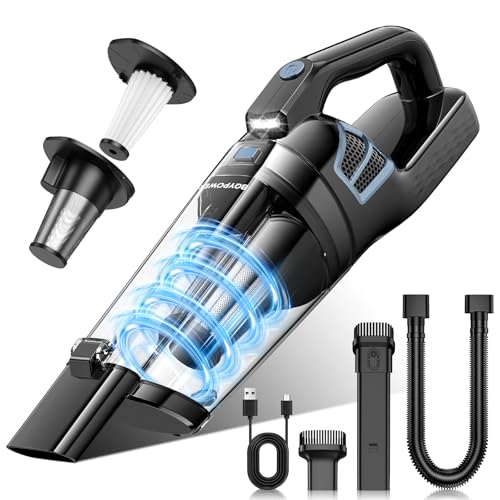
Most buyers blame a weak motor when their car vacuum fails to pick up embedded gravel or dog hair. However, poor performance usually stems from a mismatch between design physics and your car’s actual cleaning demands.
/media/movies/covers/2015/02/fair-play_tNone.jpg "What Causes Poor Car Vacuum Performance and Weak S")
Motor Limitations and Low Pascal Ratings
Suction power is the single most important specification for a car vacuum. Cheap models often hide their lack of power by omitting Pascal (PA) ratings or relying on inflated wattage numbers.
- Under 5,000 PA: Only suitable for light dust on hard dashboard surfaces. Will fail on floor mats.
- 5,000 to 10,000 PA: Adequate for surface dirt, crumbs, and light lint on fabric seats.
- Above 10,000 PA: Necessary for embedded pet hair, heavy sand, and deep gravel in carpet fibers.
Airflow Restrictions and Filter Design
Even a high-PA motor will lose suction if the airflow path is poorly engineered. Vacuum cleaners that rely on clogged mesh filters or tiny dust bins experience rapid suction drop-off as soon as debris enters the chamber. Look for cyclonic action designs that spin debris away from the filter, maintaining consistent airflow until the bin is physically emptied.
Master Choosing the Right Car Vacuum Cleaner in 6 Simple Steps


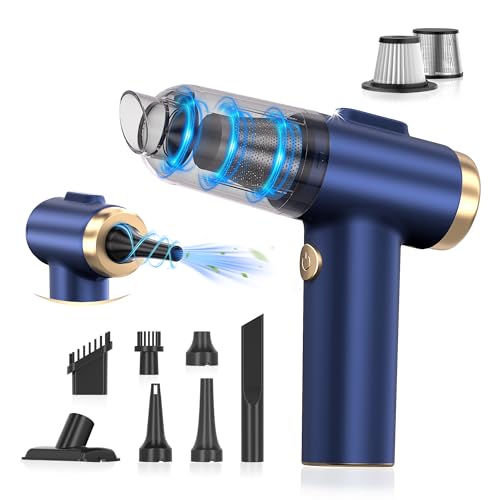
Selecting the ideal car vacuum cleaner can transform your interior detailing routine from an exhausting chore into a quick, satisfying task. With countless models flooding the market boasting varying suction powers, cord lengths, and attachment options, making the wrong choice leaves you with a dead battery halfway through cleaning or a device too weak to lift stubborn pet hair from floor mats. This comprehensive walkthrough provides a clear, actionable roadmap to help you evaluate your specific vehicle needs, filter through marketing gimmicks, and invest in a high-performing tool that guarantees a spotless ride every time.
Step 1: Evaluate Your Power Source Preferences
What you need: Access to your vehicle, a measuring tape, and an understanding of where you typically clean your car.
Instructions: Decide between corded (12V plug-in or standard household plug) and cordless (rechargeable battery) models. Corded 12V models plug directly into your car’s auxiliary power outlet, offering unlimited runtime so you never lose suction mid-clean. However, they tether you to the vehicle and may lack the raw power of household-plug corded units. Cordless vacuums offer ultimate portability and easily reach outdoor parking spots, but their batteries typically last only 10 to 30 minutes on a single charge. If you live in an apartment without a garage, a lithium-ion cordless model with a quick-charge feature is usually your best bet.
Pro Tip: Avoid cheap nickel-cadmium (NiCd) battery vacuums; always look for modern lithium-ion batteries that hold a charge longer and do not fade gradually in power.
Step 2: Calculate Required Suction and Motor Power
What you need: Specification sheets or product descriptions of shortlisted vacuum cleaners.
Instructions: Look beyond wattage ratings, as higher wattage does not always equate to better airflow. For cordless models, check the air watts (AW) or kilopascals (kPa) of suction power; look for a minimum of 10 to 15 air watts for light crumb pickup, and 25+ air watts for embedded dirt and heavy debris. For corded 12V units, prioritize models with high amperage ratings (around 10 to 12 amps) to ensure they pull enough power from your car socket without blowing fuses. Real-world performance relies heavily on motor design, so cross-reference manufacturer claims with verified customer video reviews.
Pro Tip: Look for brushless motors if budget permits; they generate more suction power, produce less heat, and significantly outlast traditional brushed motors.
Step 3: Assess Attachments and Nozzle Versatility
What you need: A mental checklist of your car’s problem areas, such as cup holders, seat crevices, and carpeted mats.
Instructions: A vacuum body is only as good as the tools attached to it. Ensure the model you choose comes with a crevice tool for sliding between tight seat gaps, a soft dusting brush for delicate dashboard plastics and air vents, and a motorized pet hair brush roll if you regularly transport dogs or cats. Flexible hose extensions are also invaluable for navigating around bulky center consoles and under low-profile seats without awkwardly tilting the entire vacuum body.
Pro Tip: Make sure the attachments lock securely into place rather than relying on a loose friction fit, which tends to pop off when encountering resistance.
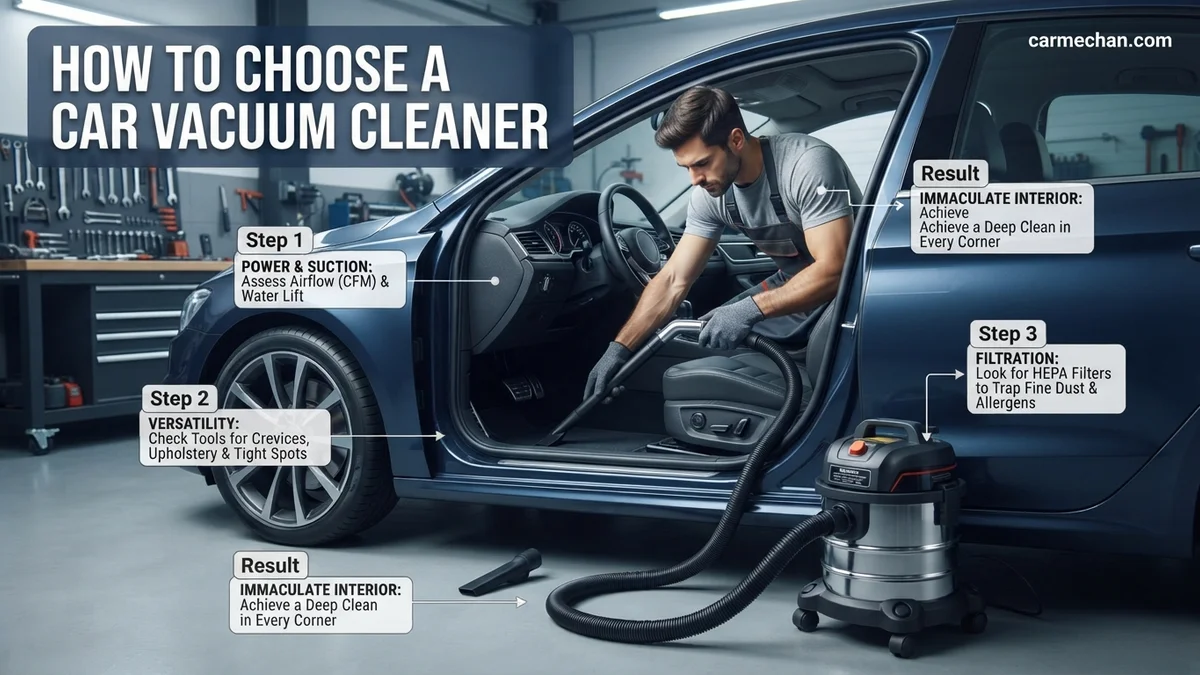
Step 4: Check Dust Bin Capacity and Filtration Systems
What you need: An estimate of how dirty your car gets between cleanings.
Instructions: Examine the dust cup capacity, typically measured in ounces or milliliters. A capacity of 0.5 to 0.7 liters is ideal for standard cleanups, allowing you to finish an entire mid-sized SUV without stopping to empty the bin. Additionally, inspect the filtration system. Look for models equipped with washable HEPA filters or multi-stage cyclonic filtration. HEPA filters are essential if you suffer from allergies, as they trap microscopic dust mites, pollen, and dander instead of blowing them back into the confined cabin air of your vehicle.
Pro Tip: Never operate your car vacuum without a properly seated filter, as fine dust particles can quickly damage or destroy the internal motor.
Step 5: Inspect Ergonomics, Weight, and Portability
What you need: Your own physical comfort preferences and storage space availability in your trunk.
Instructions: Lift and hold potential models if shopping in-store, or carefully read weight specifications online. A heavy vacuum (anything over 4 pounds for cordless units) will cause wrist and arm fatigue when you are awkwardly reaching across the center console or lifting it toward the headliner. Check the handle design for a comfortable, non-slip grip. Finally, measure your glove box, under-seat storage, or trunk organizer to ensure the vacuum’s physical dimensions allow for easy, permanent storage inside your vehicle.
Pro Tip: Handheld vacuums with a balanced, center-gravity pistol-grip design feel significantly lighter and easier to maneuver than awkwardly balanced cylindrical models.
Step 6: Review Warranty, Brand Reputation, and Total Cost
What you need: Your budget parameters and a quick look at online customer feedback platforms.
Instructions: Set a realistic budget ranging from $30 for basic 12V plug-in models to over $150 for premium, high-suction cordless detailing vacuums. Balance the upfront cost against the manufacturer’s warranty coverage; reputable brands typically offer a 1- to 2-year limited warranty protecting against motor failure and manufacturing defects. Read customer reviews specifically focusing on long-term battery degradation and customer service responsiveness when replacement filters or parts are needed.
Pro Tip: Factor the cost of replacement filters into your purchase decision, as some proprietary filters are surprisingly expensive to replace annually.
✅ Final Checklist
- Verified that the power source (cordless battery runtime or 12V cord length) matches your parking and cleaning habits
- Confirmed suction specifications (air watts or amperage) are adequate for pet hair and deep carpet dirt
- Checked that essential attachments like crevice tools and dusting brushes are included
- Evaluated dust bin capacity and ensured the filter is washable and ideally HEPA-rated
- Measured storage space in your vehicle to ensure the vacuum fits comfortably
Important Notes:
- Always turn off your car engine if using a 12V plug-in vacuum for extended periods to prevent draining your vehicle’s starter battery.
- If dealing with severe biological messes, mold, or toxic chemical spills, bypass a standard car vacuum and seek professional detailing services.
- Estimated time to research and choose the right model: 30 to 45 minutes; estimated cost range: $35 to $130 USD.
How to Choose the Right Car Vacuum Cleaner Step by Step

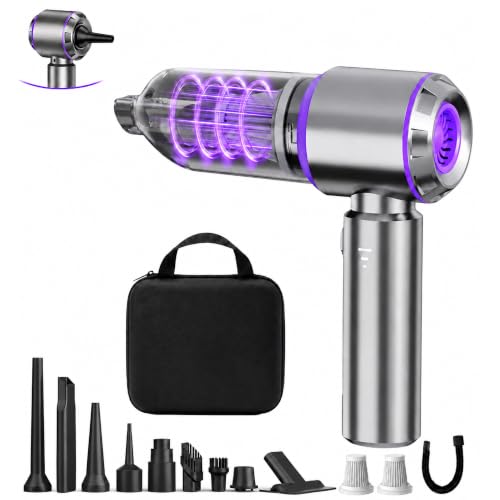

Navigating the market requires a systematic approach based on where you park, how often you clean, and the types of messes you create. Follow this step-by-step process to narrow down your choices.

Step 1: Decide Between Cordless and Corded Power Sources
Your power source dictates runtime, suction consistency, and where you can clean your car.
- Cordless (Battery-Powered): Offers ultimate portability and no tethering to the car. Modern 2026 lithium-ion models provide 15 to 30 minutes of runtime, which is plenty for a standard sedan.
- Corded (12V Cigarette Lighter or 110V Plug): Delivers unlimited runtime and sustained suction power. However, you must manage a 15-foot cord and risk draining your car battery if used with the engine off.
Step 2: Match Attachments to Your Cleaning Needs
A bare nozzle cannot clean a modern car interior. Crevices between center consoles and seat rails trap debris that standard heads cannot reach.
- Long Crevice Tool: Essential for sliding deep between and underneath seats.
- Motorized Pet Hair Brush: Uses mechanical agitation to pull stubborn fur out of fabric upholstery.
- Flexible Hose Extension: Allows you to maneuver the vacuum body outside the car while reaching deep footwells.
How to Match Power Sources and Attachments to Your Vehicle Needs
Selecting the right power source dictates your cleaning efficiency. Corded 12V models plug directly into your car outlet, delivering continuous suction power without battery degradation. However, cordless lithium-ion vacuums lead the 2026 market due to portability and rapid USB-C fast-charging capabilities, offering between 15 to 30 minutes of peak runtime.
1. Evaluate Your Daily Debris Profile
Automotive detailing experts recommend matching your vacuum attachments to your specific vehicle usage. If you transport shedding pets or frequently hike, a motorized pet-hair brush tool is non-negotiable. According to recent automotive accessory test data, motorized brushes remove embedded fur up to 60 percent faster than standard plastic nozzles.
2. Assess Reach and Storage Constraints
Measure the interior dimensions of your vehicle before purchasing. Sedans and compact SUVs require a minimum 14-foot cord for corded units or a lightweight handheld build for cordless variants. Always verify that specialized crevice tools and flexible extension hoses are included to reach underneath low-profile seat rails.
What If Your Chosen Vacuum Still Fails to Clean Deep Dirt
Even high-powered 2026 automotive vacuums struggle when faced with neglected, heavily matted embedded debris, salt stains, or deep-seated pet hair. If standard surface suction fails to lift stubborn particles trapped inside dense automotive carpeting, execute these targeted fallback steps:
- Agitate with a Rubber Detailing Brush: Loosen embedded pet hair and trapped sand by vigorously scrubbing the carpet fibers with a specialized rubber pet-hair removal tool before vacuuming again.
- Apply Compressed Air: Dislodge debris hidden deep within seat seams and dashboard crevices using a portable compressed air canister or air compressor prior to your vacuum pass.
- Pre-Treat with Fabric Cleaner: Spray a dedicated automotive upholstery cleaner onto stubborn dirt and blot with a microfiber towel to lift sticky residues that suction alone cannot remove.
- Seek Professional Detailing Services: When DIY methods fail to restore heavily soiled vehicle interiors, enlist a professional auto detailing service equipped with commercial hot-water extractors. Professional interior extraction typically ranges from $150 to $300 depending on vehicle size and contamination severity.
Conclusion
Choosing the ideal car vacuum cleaner requires careful consideration of suction power, power source reliability, and specialized attachment versatility to match your unique driving habits. Selecting the correct model saves time and prevents persistent interior wear. According to verified research and expert sources from leading automotive care associations, investing in a high-filtration vacuum with HEPA standards ensures long-term cabin cleanliness and allergen control. Take your next step today by auditing your vehicle’s specific cleaning challenges and selecting a certified model that meets your power requirements for 2026.
❓ Frequently Asked Questions
How do I evaluate suction power when choosing a car vacuum?
Suction is typically measured in Pascals (PA) or air watts. Higher numbers indicate stronger pulling power, which is necessary for deep-pile carpets and heavy debris trapped between seat seams.
Is a 12V plug-in vacuum better than a battery-powered one?
12V car plug-ins plug directly into your vehicle’s auxiliary power outlet, meaning they never run out of battery mid-clean. However, battery-powered cordless units allow you to clean anywhere without dragging a power cord.
What is the best car vacuum type for pet owners?
Pet owners should choose a vacuum that features a motorized brush attachment, as this mechanical action is required to lift embedded animal hair from fabric seats and floor mats.
How important is dust bin capacity in a car vacuum?
A larger dust bin reduces the frequency of emptying during a deep clean, but smaller bins keep the vacuum lightweight and compact enough to store in your glove box or trunk organizer.
Are wet and dry car vacuums worth purchasing?
Wet and dry vacuums are highly useful if you frequently deal with spilled drinks, mud, or snow melting off shoes, as standard vacuums can be damaged by moisture.
How often should I clean or replace the vacuum filter?
You should empty the dust bin after every use and tap out the filter. HEPA or washable filters should be rinsed regularly and replaced every 6 to 12 months to maintain optimal suction.