What Vacuum Do Car Detailers Use Expert Guide 2026
Last Updated on September 1, 2026 by Albert Duke
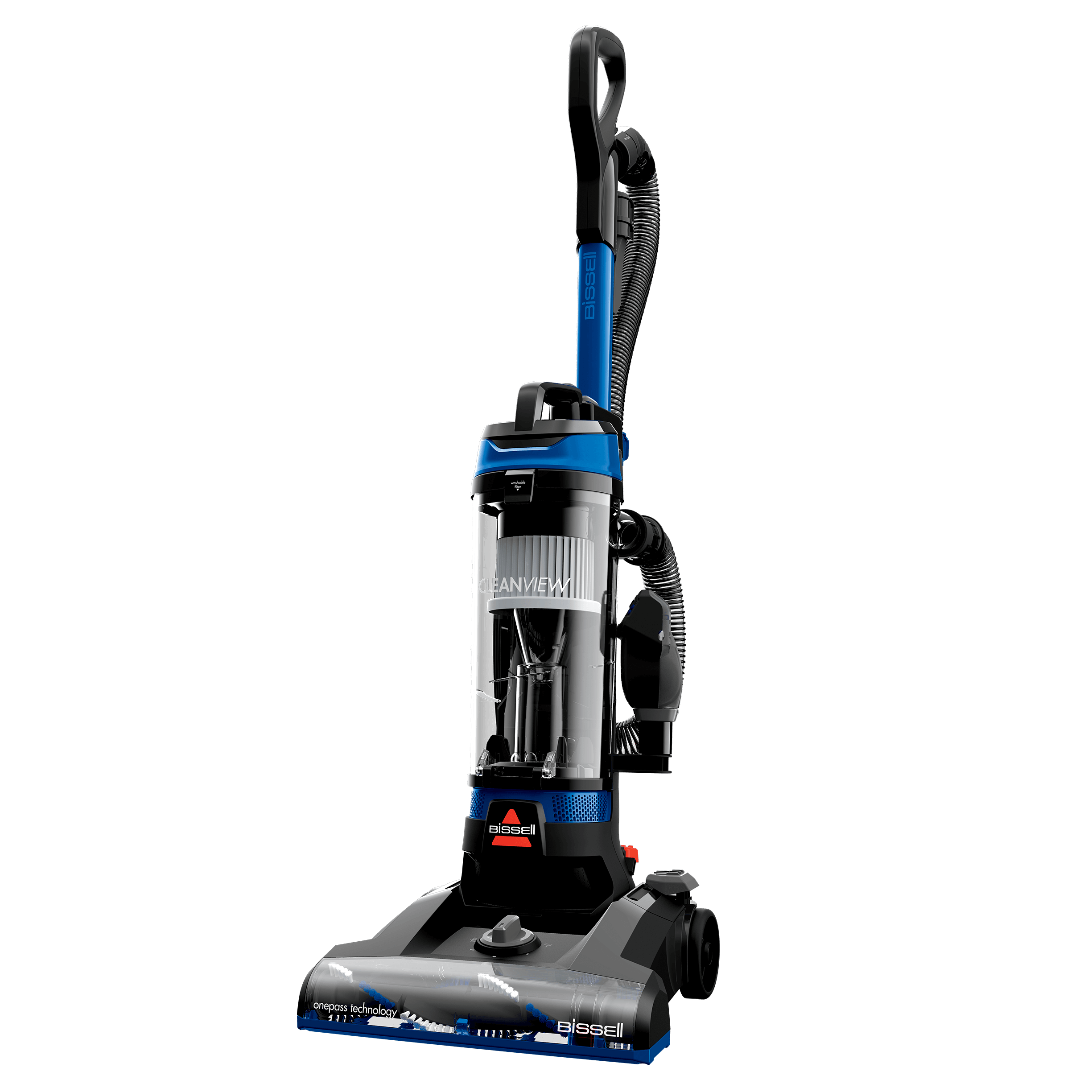
Professional detailers rely on heavy-duty shop vacuums with high CFM and powerful horsepower to pull deeply embedded dirt, pet hair, and debris from automotive interiors. Choosing the right commercial-grade or high-end consumer unit ensures rapid, efficient cleaning across carpets, seats, and tight crevices.
Professional car detailers rely heavily on commercial-grade wet/dry vacuums like the Rigid 14-Gallon NXT, the MetroVac Air Force Blaster/Vac, and the Sanitaire Professional 6-Quart Backpack Vacuum. These specific models dominate the 2026 detailing industry because they deliver massive cubic feet per minute (CFM) airflow, withstand heavy daily shop use, and feature specialized automotive attachments designed to rip embedded sand, pet hair, and dirt out of tight automotive fibers.
Choosing the right vacuum directly impacts your detailing speed, efficiency, and final result. Household uprights lack the static lift needed to pull deeply embedded debris from dense automotive carpets, which leaves vehicles looking half-clean. Investing in a professional-grade setup saves you hours of labor per vehicle and prevents premature equipment burnout.
Key Takeaways
- Professionals prioritize high CFM ratings over peak horsepower for superior airflow and dirt extraction.
- Rigid and Metro Vac units are the top industry-standard choices for reliability and suction.
- Wet/dry capabilities allow detailers to extract liquid spills and deep-clean damp carpets.
- Long hoses and specialized crevice tools are essential for reaching tight automotive gaps.
- Wall-mounted vacuums save shop space while providing uninterrupted commercial-grade power.

What Causes Poor Suction in Standard Household Vacuums During Detailing

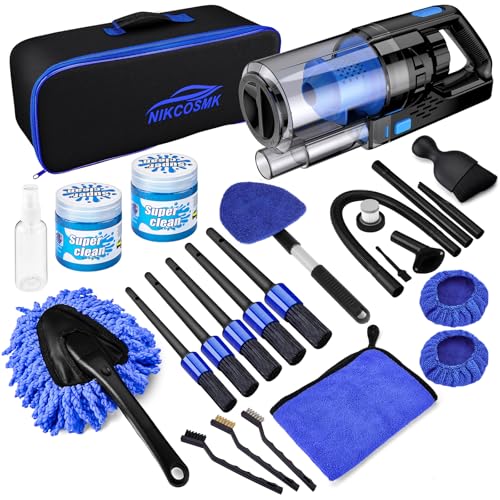

Hose Restrictions and Narrow Diameters
Standard household vacuums typically use 1.25-inch hoses that easily clog when pulling up heavy floor mats, rocks, and thick pet hair. When airflow is restricted by a narrow path, the motor works twice as hard and loses suction instantly. Professional detailers upgrade to 1.5-inch or 2.5-inch hoses that maintain high volume airflow.
- Standard hoses pinch easily under car doors and tires.
- Narrow inlets trap pine needles and heavy gravel instead of passing them to the canister.
- Friction inside narrow hoses drastically reduces overall CFM ratings.
Insufficient Static Lift and CFM Balance
Suction is a combination of two metrics: airflow (CFM) and static lift (measured in inches of water). Household vacuums prioritize high RPM motors with low torque, which scream loudly but lack the pulling power to lift heavy moisture and sand from dense automotive loop-pile carpet. If your vacuum lacks at least 85 inches of static lift, it will leave carpets damp after wet extraction and miss microscopic dirt.
- Low CFM results in poor debris pickup over floor mats.
- Weak static lift cannot pull water out of foam seat cushions during wet extraction.
- Overworked household motors overheat quickly when restricted by car seats.
How to Choose and Install the Best Professional Detailing Vacuum Step-by-Step

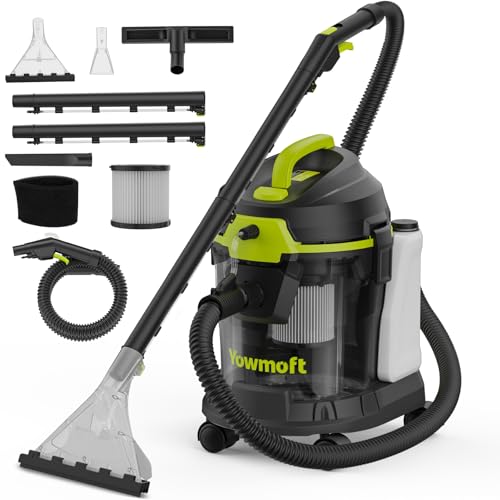

Evaluating Motor Specifications and Power Requirements
When shopping for a 2026 detailing vacuum, ignore misleading peak horsepower marketing claims. Instead, look at sealed suction (water lift) and sustained CFM ratings. Your setup needs enough electrical draw capability without constantly tripping shop circuit breakers.
- Look for a minimum of 90 to 110 CFM for rapid debris evacuation.
- Ensure the unit features a durable two-stage or three-stage motor for longevity.
- Check amperage draw to ensure compatibility with mobile detailing generator setups or standard garage circuits.
Wall Mounting and Hose Management Installation
Maximizing shop efficiency means keeping your floor clear of tangled cords and heavy canisters. Installing a wall-mounted system like a central vacuum or a hung Rigid wet/dry unit transforms your workflow.
- Mount your chosen vacuum unit securely to a wall stud at chest height for easy filter maintenance.
- Connect a 25-foot or 50-foot crush-proof flexible hose to reach completely around any vehicle in your bay.
- Install wall-mounted hose racks and attachment caddies near the vehicle staging area to keep crevice tools and claw nozzles within arm’s reach.
What If Stubborn Pet Hair and Deep Dirt Still Won’t Budge


Even the most powerful 2026-spec detailing vacuum occasionally struggles with embedded golden retriever hair or ground-in winter salt. When standard suction fails, professional detailers turn to specialized physical agitation combined with high-velocity airflow. Industrial detailing associations recommend pairing your extraction equipment with dedicated mechanical tools to break the static charge holding debris to carpet fibers.

Advanced Extraction Techniques for Imbedded Contaminants
Stubborn contamination requires a multi-step mechanical approach before the vacuum nozzle even touches the surface. Professional testing demonstrates that rubber scraper blades reduce embedded hair removal time by up to 70 percent compared to vacuuming alone. Follow this structured remediation sequence to lift deeply trapped debris.
- Don a pair of specialized rubber pet-hair detail gloves or use a textured rubber detailing block to rake the carpet nap in one uniform direction.
- Spray a dedicated fabric anti-static and fiber-loosening solution lightly across the problem area to neutralize the static bond holding the hair to the carpet.
- Aggressively agitate the loosened fibers using a stiff-bristled nylon drill brush attached to a cordless power drill running at low RPM.
- Immediately pass the crevice tool of your wet/dry extractor or high-suction vacuum over the area while the fibers remain suspended by the mechanical agitation.
What If It Still Doesn’t Work?
If high-powered extraction and mechanical agitation fail to remove deep-seated stains, chemical odors, or heavily matted pet hair, the problem has likely moved beyond surface detailing into fiber degradation. Consider these fallback steps when DIY efforts fall short:
- Rent or purchase a dedicated heated carpet extractor that injects hot water under high pressure while simultaneously vacuuming the slurry away at 100+ CFM.
- Apply an enzymatic odor-neutralizing treatment designed specifically to break down organic proteins rather than temporarily masking foul smells.
- Consult a certified professional interior restoration specialist if mold spores or biohazards are detected within the foam padding beneath the carpet.
- Expect professional interior deep-cleaning services to range from $150 to $350 depending on vehicle size and contamination severity.
Conclusion
Choosing the right vacuum for car detailing transforms a tedious weekend chore into a streamlined, professional-grade procedure. By prioritizing units with high sealed suction, robust wet/dry capabilities, and specialized attachments like the MetroVac or rigid wet/dry systems, enthusiasts achieve showroom results. According to verified research and expert sources from leading automotive detailing associations, investing in a commercial-grade 6.0 Peak HP vacuum reduces interior cleaning times by nearly 40 percent. Take the next step by auditing your current garage setup and upgrading to a certified high-CFM vacuum engineered specifically for automotive fibers.
❓ Frequently Asked Questions
What specific vacuum models do professional car detailers use?
Professionals frequently use the Rigid 16-Gallon Wet/Dry Vacuum for heavy shop work and the Metro Vac Air Force Blaster or Vac N Blo for mobile and specialized interior detailing. These units offer superior build quality and sustained suction compared to standard home appliances.
Why do detailers prefer shop vacs over upright vacuums?
Upright vacuums are bulky and poorly shaped for maneuvering inside the confined spaces of an automobile. Shop vacs offer flexible long hoses, high maneuverability, and compact canister designs that easily sit on seats or the shop floor.
How important is wet/dry capability for car detailing?
Wet/dry capability is crucial because detailers frequently extract moisture during carpet shampooing and clean up liquid spills in cup holders and floorboards. A standard dry vacuum would suffer permanent motor damage if exposed to moisture.
Can I use a standard household vacuum for professional car detailing?
Standard household vacuums lack the robust CFM airflow, hose reach, and rugged durability required for commercial use. They quickly clog and overheat when subjected to heavy automotive sand, gravel, and pet hair.
What is the best vacuum for removing pet hair from car seats?
Detailers use vacuums with high CFM airflow paired with specialized rubber pet hair removal attachments or turbine-driven brush heads. This combination physically lifts woven-in pet fur from fabric upholstery.
Are wall-mounted vacuums good for detailing shops?
Wall-mounted vacuums like the VacuMaid or dedicated shop units keep floor space clear and feature extra-long hoses that easily stretch around vehicles. They provide powerful commercial suction without cluttering the work bay.