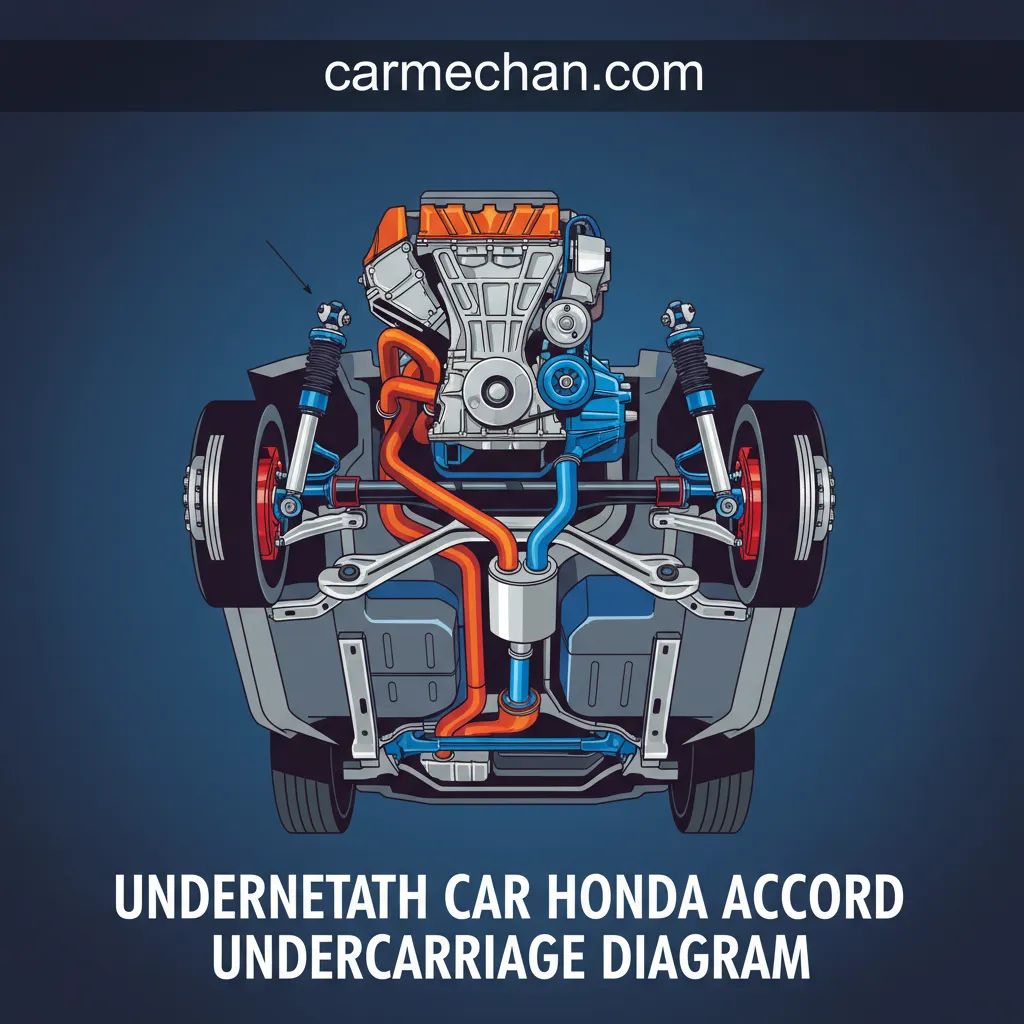
Honda Accord Undercarriage Diagram: Essential Components And Maintenance
Understanding the intricate components beneath your Honda Accord is not merely for mechanics; it’s a fundamental aspect of responsible vehicle ownership. Many Honda Accord owners often overlook the undercarriage until an issue arises, leading to deferred maintenance, unexpected repairs, and potentially compromised safety or performance due to a lack of detailed knowledge about its critical systems. This expert guide will provide a comprehensive breakdown of the Honda Accord undercarriage diagram, detailing essential components, their functions, and best practices for maintenance and inspection to ensure the longevity and reliable operation of your vehicle.
The Anatomy of the Honda Accord Undercarriage: A Structural Overview
Recommended Best Deal Products


📤 Share Image
Beneath the sleek exterior of every Honda Accord lies a sophisticated network of structural components and operational systems, collectively known as the undercarriage. This foundation is not merely a collection of parts; it is the backbone that dictates the vehicle’s integrity, safety, and dynamic performance. The Accord, like most modern passenger cars, utilizes a monocoque chassis (also known as a unibody construction), meaning the body and frame are integrated into a single, cohesive unit. This design is fundamentally different from a traditional body-on-frame construction, offering superior rigidity, lighter weight, and enhanced crash safety by distributing impact forces throughout the entire structure. Specifically, Honda’s G-CON (G-Force Control) body structure is a key element of this monocoque chassis, engineered to distribute impact forces effectively, a design philosophy that contributed to the 2023 Accord receiving a Top Safety Pick+ award from IIHS, demonstrating the undeniable quality of its underlying structure.
Crucially integrated into this monocoque structure are the front and rear subframes. These robust, often bolt-on, components serve as critical mounting points for the engine, transmission, and major suspension components, providing additional localized rigidity and isolating vibrations from the passenger compartment. From an underneath perspective, one can identify various critical systems. The propulsion system elements like the engine oil pan and transmission housing are visible upfront. The suspension components — struts, control arms, and stabilizer bars — are prominent at both ends. The steering rack and linkages, braking system lines and calipers, and the complete exhaust system running from front to rear are also readily apparent. An undercarriage diagram typically highlights these key regions: the front end (engine bay, front suspension), the mid-section (transmission, exhaust routing, fuel lines), and the rear axle (rear suspension, fuel tank). Such a complete visual guide is indispensable for accurately identifying component location, understanding the placement of protective shields, and recognizing potential access points for routine servicing and inspection.
It’s important to acknowledge generational differences in Accord undercarriage design. Earlier models, such as the 6th generation, famously employed a double-wishbone front suspension, which provided exceptional handling. In contrast, later generations, from the 8th through the current 11th, have largely transitioned to a more space-efficient and cost-effective MacPherson strut setup for the front. These design evolutions significantly impact the appearance of undercarriage diagrams, necessitating a model-year specific approach for precise identification and professional maintenance.

Critical Suspension System Components Beneath Your Accord
The suspension system is paramount to your Honda Accord’s ride comfort, handling dynamics, and overall safety. It’s designed to absorb road impacts, maintain consistent tire contact with the road surface, and facilitate precise steering. Examining an undercarriage diagram reveals a comprehensive arrangement of components, each serving a specific, vital role. The integrity of these components directly impacts the quality of your driving experience.
Front Suspension Dynamics
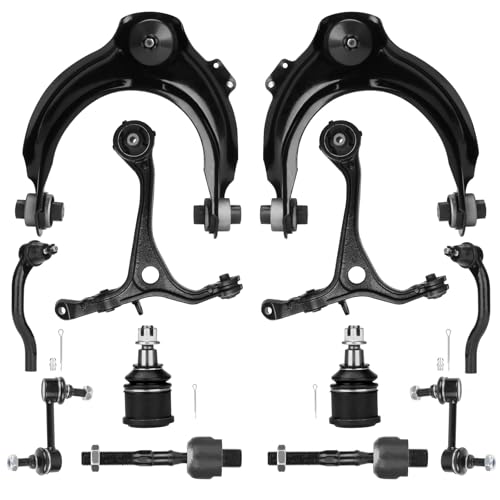
Modern Honda Accords (8th generation and newer) typically utilize a MacPherson strut assembly at the front. This system integrates the shock absorber and coil spring into a single unit. Key components include the strut itself, which dampens oscillations; the coil spring, which supports the vehicle’s weight and absorbs impacts; and the upper mount, which attaches the assembly to the chassis. Below, the lower control arm (often an A-arm or L-arm shape) connects the wheel hub to the subframe, allowing for vertical wheel travel. Integral to the control arm is the ball joint, a flexible pivot point that permits steering and suspension movement. Signs of wear in these components include clunking noises, excessive tire wear, or a “floaty” feeling over bumps, indicating a need for professional inspection.
Rear Suspension Sophistication
For enhanced ride comfort, stability, and handling, Honda Accords feature a multi-link independent rear suspension system. This complex setup employs several individual control arms (typically three to five per wheel), a trailing arm, and toe adjustment links. Each arm is precisely angled to control specific wheel movements, optimizing tire contact patch and minimizing unwanted toe or camber changes during suspension travel. The design allows each rear wheel to react independently to road conditions, significantly improving comfort and cornering stability. A visual diagram illustrating this intricate geometry highlights the numerous pivot points and connections that define its sophisticated operation.
Stabilizer Bars and Bushings: The Unsung Heroes
Stabilizer (sway) bars, found at both the front and rear, are crucial for reducing body roll during cornering, thereby improving handling dynamics. These torsion bars are connected to the control arms via end links. Common signs of wear include noticeable body roll, a vague steering feel, or persistent clunking noises over bumps, often indicating worn end links or bushings. Additionally, throughout the suspension system, various rubber or polyurethane bushings are present in control arms, subframe mounts, and other pivot points. These small but mighty components isolate vibrations, reduce noise, and allow for controlled movement. Degraded bushings, which can crack or tear, lead to excessive play, clunking sounds, poor wheel alignment, and compromised vehicle control—a clear indicator that the quality components of your suspension need attention. Suspension components like struts typically have a service life of 50,000 to 100,000 miles under normal driving conditions. However, severe driving environments or aggressive driving can reduce this by 30-40%, necessitating earlier inspection and potential replacement for reliable performance.

Honda Accord Drivetrain and Exhaust System Diagram Breakdown
Recommended Best Deal Products


The undercarriage provides a direct view of the Accord’s drivetrain and exhaust systems, both critical for vehicle propulsion, emissions control, and overall operational integrity. Understanding their layout and common maintenance concerns is fundamental for any discerning owner.
Drivetrain Elements: Power Transmission
As a front-wheel-drive vehicle, the Honda Accord’s drivetrain components are primarily concentrated at the front. Visible from underneath are the engine oil pan, situated at the bottom of the engine, which houses engine oil for lubrication, and the transmission housing, directly adjacent, which encases the transmission gears or continuously variable transmission (CVT) components. Extending from the transmission to the front wheels are the drive shafts, also known as CV (constant velocity) axles. These robust shafts transmit power efficiently while allowing for suspension travel and steering. Each CV axle features flexible rubber or thermoplastic CV boots at both ends, which protect the sensitive CV joints from dirt, moisture, and debris while retaining lubricating grease. The integrity of these boots is paramount; a torn boot is a common maintenance point requiring reliable and prompt inspection.
Exhaust System Pathway: Emissions and Noise Control
The exhaust system begins where the engine’s exhaust gases exit the exhaust manifold. From there, the gases flow into the catalytic converter, a vital emissions control device that transforms harmful pollutants into less toxic gases. Following the converter, the gases pass through the mid-pipe, which often includes a resonator to further reduce noise, before reaching the rear muffler, where final sound attenuation occurs. The entire system is suspended from the undercarriage by rubber hangers and connected by flanges and clamps. A detailed diagram illustrating this flow path highlights points susceptible to rust, particularly at welds and hangers, and critical connections. Catalytic converters are designed to last the life of the vehicle (often 100,000+ miles as per EPA standards), but external damage or engine issues can cause premature failure. Replacement costs can range upwards of $1,000-$2,500, highlighting the need for preventative care and professional attention.
The Importance of Heat Shields
Strategically placed along the exhaust system are heat shields. These metallic barriers are critical for protecting sensitive components—such as fuel lines, electrical wiring, and the passenger compartment floor—from the extremely high temperatures generated by the exhaust. Common issues with heat shields include rattling noises, which occur when their mounting points corrode or detach. While often considered minor, a detached heat shield can allow excessive heat to impact other systems, necessitating prompt repair to maintain the overall quality and safety of the vehicle.
Fuel and Brake System Infrastructure: Safety and Performance Underneath Your Accord
The fuel and brake systems are unequivocally the most safety-critical infrastructure found beneath your Honda Accord. Their proper function ensures the vehicle can accelerate and, more importantly, stop reliably. Any compromise in these systems can have severe consequences, making thorough inspection of their undercarriage components an absolute priority.
Fuel System Routing for Safe Delivery
The fuel tank in a Honda Accord is typically located under the rear seats, safely tucked away within the chassis structure. From the tank, fuel lines—comprising both supply and, in some older models, return lines—are routed meticulously along the undercarriage towards the engine. These lines, often made of steel or high-pressure plastic, are carefully clipped and shielded to protect them from road debris, heat, and corrosion. An undercarriage diagram clearly shows their protected pathway, often alongside the frame rails. The integrity of these lines is paramount for safe fuel delivery and preventing hazardous leaks. Corrosion on metal fuel lines or damage to plastic lines are serious issues that require immediate professional attention.
Brake System Plumbing: Stopping Power
The braking system’s plumbing is equally vital. From the master cylinder, main steel brake lines extend along the undercarriage, splitting off to deliver hydraulic pressure to each wheel. Near each wheel, these rigid steel lines transition into flexible rubber brake hoses that connect to the calipers. The calipers, in turn, house the brake pads that clamp down on the rotors to slow or stop the vehicle. For the rear wheels, a separate parking brake cable mechanism is also visible, engaging the rear brakes independently. An illustration of brake line routing from the master cylinder to each wheel provides a complete and trusted guide to this critical safety system. Brake fluid should be flushed and replaced every 2-3 years, or 30,000-45,000 miles, to prevent moisture absorption, which can lead to a reduced boiling point, corrosion within the brake system, and compromised braking performance, a crucial aspect of professional maintenance.
ABS and Sensor Wiring: The Electronic Watchdogs
Modern Accords are equipped with Anti-lock Braking Systems (ABS) and other electronic stability controls. Integral to these systems are wheel speed sensors, located at each wheel hub. The wiring for these sensors traces a path along the suspension components and frame, connecting back to the main vehicle wiring harness. These wires are in vulnerable positions, susceptible to damage from road debris, impacts, or even improper servicing. Regular inspection for frayed, pinched, or disconnected ABS sensor wiring is essential to ensure the reliable system functions as intended, maintaining vehicle safety and performance.
Protective Measures for Longevity
Both fuel and brake lines rely heavily on protective clips, heat shields, and anti-corrosion coatings to ensure their long-term safety and functionality. These measures guard against physical damage, extreme temperatures, and the corrosive effects of road salt and moisture. During undercarriage inspections, a professional technician will meticulously check for any compromise to these protective elements, which could expose the critical lines to deterioration, underlining the importance of a reliable system.
Protecting Your Honda Accord Undercarriage: Maintenance and Inspection Strategies
Recommended Best Deal Products


Proactive maintenance and regular inspection are the cornerstones of ensuring the longevity, safety, and optimal performance of your Honda Accord. The undercarriage, often out of sight, is particularly susceptible to wear, corrosion, and damage. A comprehensive approach, combining informed owner checks and professional expertise, is the most effective strategy for quality protection.
Routine Visual Inspections: Your First Line of Defense
Honda Accord owners can perform effective DIY checks for visible damage during routine service intervals, such as oil changes or tire rotations. While not a substitute for an expert inspection, these checks can flag emerging issues early. Look for:
- Fluid Leaks: Any drips or wet spots indicate a leak that requires investigation. Pay close attention to the engine, transmission, and differential areas for oil or transmission fluid, and around wheels for brake fluid.
- Loose or Damaged Components: Check for hanging wires, rattling heat shields, or obvious physical damage to exhaust components, control arms, or plastic underbody panels.
- Signs of Rust and Corrosion: Particularly important in regions exposed to road salt. Inspect brake lines, fuel lines, exhaust components, and suspension mounting points for excessive rust.
- Torn CV Boots: Examine the rubber boots on the drive shafts for tears, cracks, or signs of grease leakage. This is a common and critical item for early detection.
📋
Step-by-Step Guide for Undercarriage Visual Check
Use a reliable jack and always secure the vehicle with jack stands on a level, hard surface. Never work under a vehicle supported only by a jack.
Starting from the front, methodically scan from left to right, moving towards the rear. Shine a bright flashlight into all accessible areas to spot details.
Focus on brake lines, fuel lines, exhaust pipes, and suspension components, particularly around welds and mounting points. Note any excessive rust.
Look for fluid drips, wet areas, or puddles. Check rubber boots (CV axles, steering rack) for tears. Visually assess all wires and hoses for chafing or cuts.
Rust Prevention Strategies
For vehicles in regions exposed to road salt or high humidity, rust prevention is critical for maintaining undercarriage integrity. Effective methods include:
- Professional Undercoating: Applying a specialized barrier (e.g., rubberized, wax-based) provides a durable layer of quality protection against corrosion.
- Rust Inhibitors: Regular application of wax-based or oil-based rust inhibitors can creep into crevices and offer ongoing protection, especially for exposed metal components.
- Thorough Regular Washing: During winter months, rinse the undercarriage frequently to remove accumulated road salt and grime.
Addressing Minor Issues Proactively
One of the most valuable insights from hands-on experience is that small problems rarely fix themselves; they almost always escalate. Rectifying minor issues—such as a torn CV boot, a loose heat shield, or a minor fluid drip—before they become major failures can save significant time and money. For instance, a torn CV boot, if ignored, will inevitably lead to a failed CV joint, turning a relatively inexpensive boot replacement into a costly drive shaft replacement. This proactive approach ensures the trusted reliability of your Accord.
When to Seek Professional Expertise
While owner-performed inspections are beneficial, certain situations demand the nuanced understanding and specialized equipment of a certified, trusted automotive technician. Consult a professional for:
- Persistent Fluid Leaks: Especially brake fluid, power steering fluid, or significant oil/transmission fluid leaks.
- Grinding, Clunking, or Squealing Noises: These often indicate serious issues with brakes, suspension, or drivetrain components.
- Significant Rust or Structural Damage: Any compromised structural components or heavily corroded lines.
- Warning Lights: If ABS, brake, or check engine lights illuminate after an undercarriage event.
- Complex Repairs: Replacements of control arms, struts, catalytic converters, or any work requiring specific torque specifications or wheel alignments.
A study by AAA found that ignoring routine vehicle maintenance can cost drivers an average of $600-$800 more per year in avoidable repairs, underscoring the financial and safety value of proactive undercarriage inspection and maintenance. Investing in expert service for complex diagnostics and repairs is always the most prudent choice, ensuring your Accord remains a reliable and safe vehicle. This complete guide emphasizes that understanding and acting upon undercarriage health is a hallmark of responsible vehicle stewardship.
Never attempt undercarriage work without proper safety equipment, including jack stands and wheel chocks. Working under a vehicle carries inherent risks and should only be undertaken by those with sufficient mechanical aptitude and the correct tools. When in doubt, always defer to a professional technician for your safety and the integrity of your vehicle.
The Honda Accord undercarriage is a complex assembly of structural, suspension, drivetrain, fuel, and brake components, all vital for vehicle integrity. Regular, informed inspection and proactive maintenance of these components are crucial for ensuring the vehicle’s longevity, safety, and optimal performance. Understanding the undercarriage diagram empowers owners to identify potential issues early and make informed decisions regarding repairs and protective measures. We encourage all Honda Accord owners to utilize this detailed content blueprint for regular undercarriage inspections. For any identified concerns or complex repairs, always consult a trusted and professional automotive technician.
Frequently Asked Questions
What does a Honda Accord undercarriage diagram typically show?
A Honda Accord undercarriage diagram typically illustrates the layout of major components like the engine oil pan, transmission, exhaust system (manifold, catalytic converter, muffler), drive shafts, suspension elements (struts, control arms), brake lines, fuel lines, and the overall structural frame. It helps in identifying parts for maintenance, repair, or inspection, providing a comprehensive visual guide to the vehicle’s underside.
How often should I inspect my Accord’s undercarriage for issues?
It is professionally recommended to inspect your Honda Accord’s undercarriage at least twice a year, ideally during routine oil changes or tire rotations. Owners in regions with harsh winters or road salt should consider more frequent checks (e.g., seasonally). Early detection of rust, leaks, or damaged components can prevent minor issues from escalating into costly repairs, ensuring the vehicle remains reliable and safe.
What are the common Honda Accord undercarriage problems to look out for?
Common undercarriage problems for Honda Accords include rust development on exhaust components, brake lines, and subframes, especially in corrosive environments. Other issues involve worn suspension bushings, leaky CV boots leading to drive shaft failure, damaged heat shields causing rattles, and compromised fuel or brake lines. Prompt attention to these issues is vital for the quality and safety of your vehicle.
Is undercoating necessary for a Honda Accord, especially in certain climates?
Undercoating is highly recommended for Honda Accords, particularly if driven in climates exposed to road salt, brine, or high humidity, as it provides a professional barrier against rust and corrosion. While modern vehicles have improved factory coatings, an additional quality undercoating significantly extends the lifespan of the undercarriage, protecting critical components and maintaining the vehicle’s structural integrity over time.
What are the key signs of suspension wear on a Honda Accord’s undercarriage?
Key signs of suspension wear on a Honda Accord’s undercarriage include excessive bouncing after hitting bumps, a ‘clunking’ or ‘squeaking’ noise when driving over uneven surfaces, uneven tire wear, and a noticeable lean or pull to one side. Visually, look for leaky struts or shocks, cracked or bulging bushings, and damaged sway bar links. These indicate components that may require expert inspection and replacement.