2016 Nissan Rogue TPMS Reset Button Location & Setup Guide
Last Updated on September 1, 2026 by Ryan
📋 Table of Contents
- 🎯 Key Takeaways
- Understanding the 2016 Nissan Rogue TPMS Technology
- How to Reset Your Tire Pressure Light Like a Pro: A Practical Walkthrough
- Factors Influencing TPMS Indicator Activation
- Comparing Direct vs. Indirect TPMS in Nissan Vehicles
- Maintenance Tips for Long-Term TPMS Sensor Health
- Conclusion
- 💬 Quick Questions & Answers
- ❓ Frequently Asked Questions


The 2016 Nissan Rogue does not feature a physical TPMS reset button as the system is designed to recalibrate automatically. To clear the light, you must ensure proper tire inflation and drive the vehicle at consistent speeds for several minutes.
🎯 Key Takeaways
- Takeaway 1:No physical reset button exists on the 2016 Rogue dashboard.
- Takeaway 2:The system recalibrates automatically after driving for several minutes.
- Takeaway 3:Maintain tire pressure according to the driver-side door placard.
- Takeaway 4:TPMS sensors can fail due to battery depletion over time.
- Takeaway 5:Cold weather often causes temporary pressure drops and alerts.
Have you ever been driving your 2016 Nissan Rogue when a bright yellow horseshoe-shaped light suddenly pops up on your dash? It is a common sight for many drivers, yet it often causes a bit of unnecessary panic. This light is your Tire Pressure Monitoring System (TPMS) alert. While it might feel like a nuisance, this system is actually a high-tech guardian for your vehicle. It works silently in the background to ensure your tires are always at their optimal performance levels.
Understanding the basics of your Rogue’s tire sensors is crucial for every owner. Properly inflated tires keep you safe on the road and help you save significant money at the gas pump over time. In this guide, we will explore the inner workings of your vehicle’s tire technology. We will also help you understand why that light keeps coming back to haunt your commute. Knowing these details ensures you can handle the alert with confidence rather than frustration.
Understanding the 2016 Nissan Rogue TPMS Technology
The 2016 Nissan Rogue utilizes a Direct TPMS setup. This means your car has actual pressure sensors mounted inside each wheel assembly. These sensors measure the exact air pressure in every tire in real-time. Unlike older “indirect” systems that guessed pressure based on wheel speed, this direct method is incredibly accurate. It sends digital data wirelessly to your car’s central computer. If the pressure drops below a specific threshold, the computer triggers the warning light on your instrument cluster immediately.

The Benefits of the Advanced Drive-Assist Display
One of the best features of this technology is how it communicates with you. You do not have to guess which tire is low. The 2016 Rogue features an Advanced Drive-Assist Display located right between your main gauges. By toggling through the menu using your steering wheel buttons, you can see a digital readout of the PSI for all four tires. This transparency allows you to spot a specific problem tire before it becomes a dangerous flat. It turns a mystery warning into a manageable maintenance task.
The Innovative Easy-Fill Tire Alert
Nissan designed this system to make your life much easier at the gas station or in your driveway. Their Easy-Fill Tire Alert is a standout feature in the compact SUV class. When you are adding air to a tire, the vehicle’s hazard lights will flash to show the system is monitoring the change. Once you reach the perfect factory-recommended pressure, the horn will give a quick, friendly chirp. This clever feedback loop means you do not need to carry a handheld gauge to get the job done right. It makes maintaining your tires feel like a modern convenience rather than a chore.
- Real-time Monitoring: Sensors update pressure readings constantly while driving.
- Individual PSI Data: See exactly how much air is in each tire from the driver’s seat.
- Visual and Audible Cues: Lights and horns guide you during the inflation process.
- Battery Powered: Each sensor runs on a long-life internal battery tucked inside the wheel.
How to Reset Your Tire Pressure Light Like a Pro: A Practical Walkthrough
The Tire Pressure Monitoring System (TPMS) in your 2016 Nissan Rogue is a vital safety feature designed to alert you when one or more tires are significantly under-inflated. Whether you have just topped off your air, rotated your tires, or the changing seasons have caused a pressure drop, knowing how to properly address the TPMS warning light is essential for vehicle longevity and passenger safety. This guide will walk you through the precise steps to locate the digital reset functions and the physical inflation procedures required to clear that stubborn dashboard icon, ensuring your Rogue remains fuel-efficient and handles predictably on the road.
Step 1: Perform a Physical Tire Inspection
What you need: A high-quality digital or analog tire pressure gauge and a flashlight.
Instructions: Before attempting to reset any electronic systems, you must ensure that the warning light isn’t indicating a genuine emergency, such as a puncture or a slow leak. Park your Nissan Rogue on a flat, level surface and engage the parking brake. Use your flashlight to inspect the sidewalls and tread of all four tires for nails, screws, or bulging areas. Even if the tires “look” full, a loss of just a few PSI can trigger the sensor. Check the pressure of each tire while they are “cold” (meaning the car has been parked for at least three hours or driven less than a mile). This provides the most accurate reading, as heat from driving increases the internal air pressure and can give you a false sense of security.
Pro Tip: Don’t forget to check your spare tire! While the 2016 Rogue’s TPMS system typically monitors the four active wheels, a severely deflated spare can occasionally cause interference or be forgotten during a routine maintenance check, leading to headaches later during a roadside emergency.
Step 2: Identify the Correct PSI Specifications
What you need: Access to the driver-side door frame.
Instructions: One of the most common mistakes Rogue owners make is inflating their tires to the “Max Pressure” listed on the tire’s sidewall. This is incorrect and can lead to a harsh ride and uneven tire wear. To find the manufacturer’s recommended cold tire pressure for your 2016 Nissan Rogue, open the driver’s door and look at the “Tire and Loading Information” placard located on the B-pillar (the frame the door latches onto). For most 2016 Rogues, the recommended pressure is typically 33 PSI for both front and rear tires, though this can vary slightly depending on your specific trim level (S, SV, or SL) and wheel size (17, 18, or 19 inches). Write these numbers down so you have a specific target for the next step.
Pro Tip: If the sticker is missing or unreadable, you can also find this information in the “Technical and consumer information” section of your owner’s manual, usually toward the back of the book.
Step 3: Utilize the Easy-Fill Tire Alert System
What you need: An air compressor or a gas station air pump.
Instructions: The 2016 Nissan Rogue features a specialized “Easy-Fill Tire Alert” that acts as a physical reset “button” during the inflation process. To use this, park the vehicle, set the transmission to “Park,” and leave the ignition in the “ON” position (engine off or running is fine, but “ON” is required for the electronics to work). As you add air to a tire, the Rogue will monitor the pressure in real-time. When the tire reaches the recommended pressure, the vehicle’s hazard lights will flash and the horn will honk once. This is your signal to stop. If you over-inflate the tire, the horn will honk again and the hazard lights will flash three times, indicating you need to release some air until the horn sounds again to confirm the correct level.
Pro Tip: If the horn does not honk during inflation, your TPMS sensors might not be communicating correctly with the vehicle, or the battery in the sensor may be dying. In this case, rely strictly on your hand-held pressure gauge.
Step 4: Navigate the Advanced Drive-Assist Display
What you need: Your vehicle’s steering wheel controls.
Instructions: Unlike older vehicles with a physical button hidden under the dash, the 2016 Rogue manages its TPMS through the Advanced Drive-Assist Display (the screen located between the tachometer and speedometer). To access the “soft” reset area, use the square icon button and the arrow keys on the left side of your steering wheel. Press the square/menu button repeatedly until you see the “Settings” menu appear on the screen. From there, use the down arrow to scroll through the options. You are looking for a sub-menu labeled “Maintenance” or “Tire Pressures.” This digital interface allows the car’s computer to recognize that you are acknowledging the current pressure levels as the new baseline after an adjustment.
Pro Tip: If you find yourself stuck in a menu, pressing the “Back” arrow button (usually located near the OK button on the steering wheel) will take you up one level, allowing you to restart the navigation without turning the car off.
Step 5: Execute the System Recalibration
What you need: A clear road for a short 5-10 minute drive.
Instructions: Once you have ensured all tires are at the correct PSI and you have navigated the menu, the 2016 Nissan Rogue requires a “drive cycle” to finalize the reset. The TPMS sensors are centrifugal, meaning they activate and transmit data most effectively when the wheels are spinning. After inflating the tires, drive the vehicle at a speed of at least 16 mph (25 km/h). The system usually takes between 2 and 10 minutes of continuous driving to update the dashboard display and extinguish the low-pressure warning light. During this time, the computer is polling each sensor to verify that the pressure is stable and within the safe operating parameters defined by the factory settings.


![[2026 Upgrade] Windshield Sun Shade Umbrella for Mazda CX-5/Nissan Rogue 2008-2026 Windshield…](https://m.media-amazon.com/images/I/41ncmmsNUxL._SS500_.jpg)
Pro Tip: Avoid heavy stop-and-go traffic during this recalibration drive. Maintaining a steady speed on a clear suburban road or highway allows the sensors to transmit a consistent signal to the BCM (Body Control Module), speeding up the reset process.
Step 6: Interpret TPMS Light Patterns
What you need: Observation of the dashboard icons.
Instructions: It is crucial to understand what the light is telling you if it doesn’t go away. If the TPMS icon stays solid after you have followed the steps above, it usually means at least one tire is still low or the system hasn’t finished its drive cycle. However, if the TPMS light flashes for approximately one minute when you start the car and then stays solid, this indicates a malfunction in the system itself, rather than a pressure issue. This often means a sensor has a dead battery or has been damaged. In the 2016 Rogue, sensors typically have a battery life of 5 to 10 years, meaning many original sensors are currently reaching the end of their functional life and may require professional replacement.
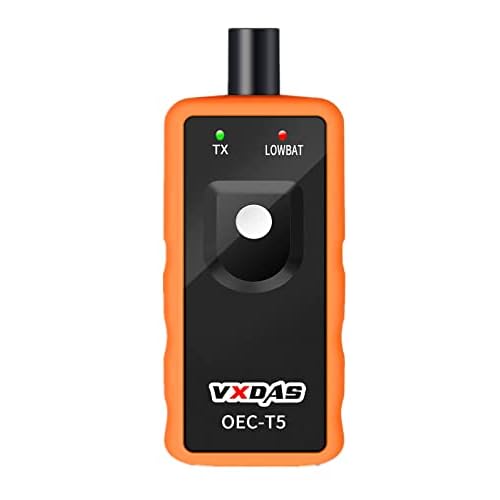
Pro Tip: If the light flashes, don’t waste time adding more air. A flashing light is an “error code” for the hardware. You will need an OBD-II scanner with TPMS capabilities or a visit to a tire shop to identify which specific sensor has failed.
✅ Final Checklist
- Verified that all four tires are inflated to the exact PSI listed on the driver-side B-pillar placard.
- Confirmed that the “Easy-Fill Tire Alert” horn honk was heard for each tire during the inflation process.
- Navigated the steering wheel menu to the “Tire Pressure” screen to monitor real-time data.
- Completed a drive of at least 10 minutes at speeds over 16 mph to allow the sensors to sync.
- Ensured the TPMS light is no longer illuminated on the instrument cluster.
Important Notes:
- Safety: Never ignore a TPMS light. Low tire pressure can lead to tire failure, decreased braking efficiency, and poor hydroplaning resistance.
- Professional Help: If the light continues to flash after a reset attempt, seek professional help. Replacing a TPMS sensor requires specialized equipment to “relearn” the sensor ID to the vehicle’s computer.
- Estimated Time: 15–20 minutes.
- Estimated Cost: $0 (if using your own air) to $150 (if a sensor needs replacement at a shop).
Factors Influencing TPMS Indicator Activation
It is important to remember that the TPMS light does not always mean you have a punctured tire. Many external variables can cause the sensors to trigger an alert. Understanding these factors can save you a trip to the mechanic. Air pressure is highly sensitive to the environment around it. If you see the light on a Monday but it disappears by Tuesday, your car might just be reacting to the world around it.
Seasonal Temperature Fluctuations
Did you know that air pressure changes significantly with the weather? For every 10-degree drop in outside temperature, your tires can lose about one pound of pressure. This is why many Nissan Rogue owners see the TPMS light on chilly autumn mornings. The air inside the tire contracts when it gets cold, which lowers the overall pressure. Often, the light might turn off on its own after you drive for ten minutes because the friction of the road warms the tires back up. However, you should still check the levels to ensure they stay within the safe range.
Sensor Health and Battery Life
Your TPMS sensors are robust, but they are not invincible. Each sensor contains a small lithium-ion battery designed to last several years. Since the 2016 Nissan Rogue is now several years old, many original sensors may be nearing the end of their expected battery life. A dying battery can cause the light to flicker or stay on even when your tires are perfectly full. If your pressure is correct but the light persists, a sensor might simply be failing due to age.
Common factors that can trigger your dashboard warning include:
- Road Debris: Picking up a nail or screw can cause a slow, steady leak.
- Altitude Changes: Driving into high mountains can change the pressure balance.
- Wheel Damage: Hitting a deep pothole can break the airtight seal on the rim.
- Spare Tire Usage: Most spare tires do not have sensors, which keeps the light on.
- Natural Permeation: Tires naturally lose about 1 PSI every month through the rubber walls.
By keeping these factors in mind, you can better diagnose why your Rogue is “talking” to you. Most of the time, the system is just doing its job to keep you safe. Regular checks and an awareness of the weather will help you maintain a clear dashboard and a smooth ride.
Comparing Direct vs. Indirect TPMS in Nissan Vehicles
Understanding how your 2016 Nissan Rogue monitors its tires is the first step in troubleshooting that stubborn dashboard light. Most modern vehicles use one of two systems: Direct or Indirect TPMS. While both aim to keep you safe, they operate on completely different principles. In the case of the 2016 Rogue, Nissan utilized a Direct TPMS, which is generally considered the more precise of the two technologies.
What Makes Direct TPMS Different?
In a direct system, your Rogue has a physical pressure sensor mounted inside each wheel, usually integrated with the valve stem. these sensors are tiny computers that measure the actual air pressure and temperature inside the tire. They then transmit this data wirelessly to your Rogue’s onboard computer. This is why you can often see the specific PSI for each individual tire on your instrument cluster display—a feature that indirect systems simply cannot offer.
Why Nissan Chose Direct Monitoring for the Rogue
Nissan opted for direct monitoring to provide drivers with real-time, high-accuracy data. Indirect systems rely on the Anti-lock Braking System (ABS) to track how fast the wheels are spinning; a flatter tire has a smaller circumference and spins faster. However, indirect systems can be easily “tricked” by uneven road surfaces or new tires. By using direct sensors, your Rogue ensures that you get an alert the moment a tire drops below the threshold, regardless of your driving speed or road conditions.
- Pros: Highly accurate readings, works even when the car is stationary, and identifies exactly which tire is low.
- Cons: Sensors are powered by batteries that eventually die and can be physically damaged during tire swaps.
Maintenance Tips for Long-Term TPMS Sensor Health
Because the sensors in your 2016 Nissan Rogue are sophisticated pieces of electronics living in a harsh environment, they require a bit of “TLC” to stay functional. Neglecting them can lead to false readings or a permanent TPMS warning light that refuses to go away even when your tires are perfectly inflated. Taking a proactive approach during routine maintenance can save you hundreds of dollars in sensor replacement costs down the road.
Protecting Sensors During Tire Service
The most common time for a TPMS sensor to break is during a tire change or rotation. The “bead breaker” tool used by technicians can easily snap a sensor if they aren’t careful. Always remind your mechanic that your Rogue has active sensors. Additionally, be very wary of using liquid tire sealants (like “Fix-a-Flat”) in an emergency. These chemicals can coat the sensor’s port, hardening into a “gunk” that prevents it from reading pressure accurately, often ruining the sensor permanently.
Managing Battery Life and Corrosion
TPMS sensors are powered by small internal lithium-ion batteries. Typically, these batteries last between 5 to 10 years. Since your 2016 Rogue is crossing that age threshold, don’t be surprised if sensors start failing one by one. To extend the life of the external components, consider these tips:
- Use Plastic Valve Caps: Metal caps can undergo galvanic corrosion, essentially “welding” themselves to the sensor stem. High-quality plastic caps with a rubber seal are actually safer for TPMS stems.
- Keep Stems Clean: Road salt and grime can eat away at the valve stem. A quick rinse during a car wash helps prevent the metal from becoming brittle.
- Replace Service Kits: Every time you get new tires, ask for a “TPMS Service Kit.” This replaces the rubber grommets, washers, and valve cores without replacing the expensive sensor itself.
Conclusion
Managing the TPMS in your 2016 Nissan Rogue doesn’t have to be a headache. While there isn’t a physical “reset button” hidden under the dashboard, the system is designed to be intuitive and user-friendly through the digital display. By understanding the difference between direct and indirect monitoring and keeping up with basic sensor maintenance, you can ensure your Rogue stays safe and efficient on the road. Remember, that little yellow light is your best friend when it comes to preventing blowouts and maintaining fuel economy.
Next Steps: Check your tire pressure manually with a high-quality gauge at least once a month to verify your sensors are accurate. If your TPMS light continues to blink for 60 seconds before staying solid, it’s time to visit a professional to check for a dead sensor battery. Drive safe and keep those tires inflated!
💬 Quick Questions & Answers
Does the 2016 Nissan Rogue have a TPMS reset button?
No, it utilizes an automatic reset system triggered by driving at specific speeds.
How long do I drive to reset the light?
Usually 5 to 10 minutes at speeds above 16 mph will clear the indicator.
Where is the correct tire pressure listed?
You can find the recommended PSI on the sticker inside the driver-side door jamb.
Can cold weather trigger the TPMS light?


Yes, cold air contracts, lowering pressure enough to trigger the sensor alert.
What if the light flashes then stays on?
A flashing light typically indicates a malfunctioning sensor or a dead sensor battery.
❓ Frequently Asked Questions
Why can’t I find a physical TPMS button in my 2016 Nissan Rogue?
Nissan designed this model with a self-learning system that monitors wheel speed and pressure sensors wirelessly. Unlike older vehicles or different manufacturers, there is no manual button under the dash or in the glove box.
What is the recommended tire pressure for a 2016 Nissan Rogue?
Most trims require 33 to 35 PSI, but you should always check the door placard for your specific vehicle. Over-inflating can lead to a harsh ride, while under-inflating triggers the TPMS alert.
Why does my TPMS light stay on after I filled the tires?
The system requires the vehicle to be in motion to register the new pressure levels transmitted from the sensors. If it stays on after 20 minutes of driving, you may have a slow leak or a faulty sensor.
How long do the internal TPMS sensor batteries usually last?
Most TPMS sensors have lithium-ion batteries that last between 5 to 10 years. In a 2016 model, it is common for these batteries to begin failing, requiring full sensor replacement.
Is there a difference between a solid TPMS light and a flashing one?
A solid light means low pressure in one or more tires, while a flashing light indicates a system error. If it flashes for 60 seconds upon startup before staying solid, a professional diagnostic is needed.
Can I reset the TPMS using the dashboard menu settings?
While you can view individual tire pressures in the Advanced Drive-Assist Display, there is no manual ‘reset’ option there. The display simply reflects the current data transmitted by the sensors while the vehicle is moving.