How Many Miles Should You Put On A Car In A Year Your 2026

Last Updated on July 25, 2026 by Albert Duke

Quick Summary

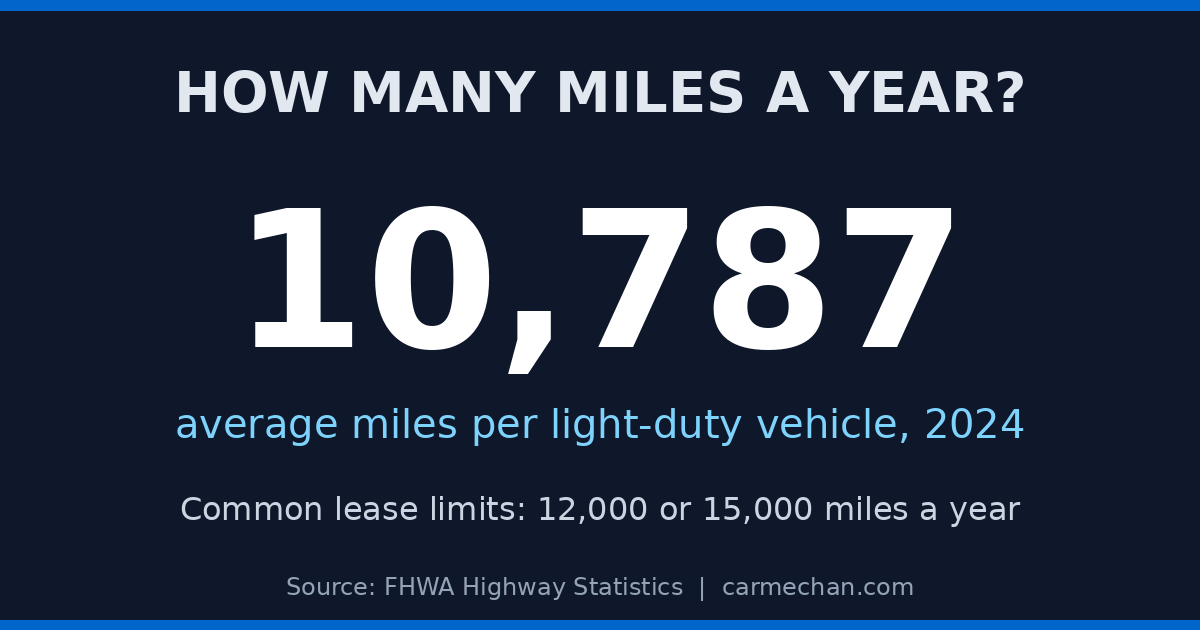
On average, how many miles should you put on a car in a year is around 12,000 to 15,000 miles in the US, but this can vary significantly based on your driving habits and vehicle use. Understanding your personal mileage helps assess vehicle value, maintenance needs, and financial implications.

On average, how many miles should you put on a car in a year is around 12,000 to 15,000 miles in the US, but this can vary significantly based on your driving habits and vehicle use. Understanding your personal mileage helps assess vehicle value, maintenance needs, and financial implications.

For many car owners, deciphering “how many miles should you put on a car in a year” is a critical question. The answer profoundly influences everything from depreciation and resale value to maintenance schedules and leasing agreements. In 2026, informed decisions about your annual car mileage are more important than ever for maximizing your vehicle’s lifespan and financial return.

This comprehensive guide will illuminate the average annual mileage figures. We explore how different mileage levels impact a car’s financial health and operational needs. We also provide actionable insights for every type of driver. By the end, you will understand what your optimal annual mileage looks like.

Let us explore the specific average figures and their influencing factors.

Key Takeaways

  • US average mileage is 12,000-15,000 annually.
  • High mileage accelerates car depreciation.
  • Low mileage needs consistent maintenance checks.
  • Leasing imposes strict mileage limitations.
  • Personal driving patterns define optimal mileage.

What Is the Average Annual Car Mileage?

We begin by establishing the widely accepted average annual mileage figures for cars in the United States. While individual driving habits vary, national statistics provide a crucial benchmark. This figure helps us understand what is considered “normal” car usage.

What Is the Average Annual Car Mileage - How Many Miles Should You Put On A Car In A Year
What Is the Average Annual Car Mileage
How Many Miles Should You Put On A Car In A Year visual guide showing the main topic and key context
How Many Miles Should You Put On A Car In A Year

National Averages Explained

The typical driver in the United States averages approximately 12,000 to 15,000 miles per year. This figure, often cited by automotive and government organizations, serves as a general guideline. For 2026, we expect these averages to remain consistent with historical trends. .

This average includes a wide range of driving scenarios.

Commute Driving Impacts

Daily commuting significantly contributes to a car’s annual mileage. Longer commutes naturally push drivers towards the higher end of the average spectrum. Urban drivers might log fewer miles than those in suburban or rural areas traveling to work. The type of commute, whether highway or stop-and-go city driving, also affects wear and tear, even if the mileage is similar.

Lifestyle Driving Influences

Beyond commuting, personal lifestyle choices play a large role. Frequent weekend trips, family vacations, or even extensive errands can quickly accumulate miles. Conversely, individuals who primarily use public transport or live close to their workplaces often register much lower annual mileage. Vehicle sharing services or having multiple cars also reduce the mileage on any single vehicle.

Vehicle Type Differences

The type of vehicle can also influence expected mileage. Commercial vehicles, ride-share cars, or delivery vans naturally accumulate much higher mileage. Passenger cars, however, generally adhere to the 12,000 to 15,000-mile average. Trucks and SUVs, often used for longer hauls or towing, might see slightly higher averages than compact sedans. Understanding average mileage helps in comparing vehicles.

Understanding average mileage is the first step. Next, we examine how different mileage levels directly impact a car’s financial value.

High vs Low Annual Mileage for Car Value

We often consider annual mileage a primary determinant of a vehicle’s long-term financial health, directly impacting its value. The number of miles on the odometer significantly influences how a car depreciates and its eventual resale price. Both high and low mileage present distinct advantages and disadvantages when assessing a car’s worth.

Understanding Depreciation Rates

Mileage is a significant factor in car depreciation, often after age. . Cars with higher annual mileage generally depreciate faster than their lower-mileage counterparts. Each mile driven adds wear and tear, signaling potential future maintenance costs to buyers.

See also  Do You Check Transmission Fluid While The Car Is 2026

This reduces the car’s perceived value over time. For example, a car driven 20,000 miles per year will likely lose value faster than one driven 10,000 miles, assuming all other factors are equal.

Resale Value Considerations

When it comes to selling a car, mileage becomes a key negotiation point. High-mileage cars, while potentially more affordable, often face greater scrutiny. Buyers assume more components may need replacement sooner. This can make them harder to sell or command a lower price. Conversely, low-mileage vehicles are typically more desirable.

They often fetch a higher resale value due to their presumed better condition and longer remaining lifespan. However, an extremely low mileage car might raise questions about long-term storage or lack of use, which can also cause issues.

Market Perception Shifts

Market perception also plays a crucial role. A car with 100,000 miles at five years old is generally perceived differently than a car with 100,000 miles at ten years old. Higher mileage relative to a car’s age usually signals heavy use. This can negatively affect market perception.

Low mileage, especially for older vehicles, often generates interest. Buyers often seek out vehicles that appear to have been lightly used. Proper documentation of maintenance records can, however, mitigate some negative perceptions associated with higher mileage.

From financial value, we now shift our focus to the practical aspects of vehicle care at different mileage levels.

When to Adjust Car Maintenance for Mileage

Beyond depreciation, your annual mileage directly dictates your vehicle’s maintenance needs and overall running costs. Adhering to a proper maintenance schedule is crucial for longevity and safety. Both high and low mileage drivers need to adjust their routines. This ensures the car remains in optimal condition for 2026 and beyond.

When to Adjust Car Maintenance for Mileage - How Many Miles Should You Put On A Car In A Year
When to Adjust Car Maintenance for Mileage

Standard Maintenance Intervals

Most manufacturers provide a recommended maintenance schedule based on mileage or time, whichever comes first. Manufacturer-recommended maintenance schedules vary but typically include checks at 5,000-10,000 mile intervals. . These intervals cover essential services like oil changes, tire rotations, fluid checks, and general inspections.

Following these guidelines helps prevent major issues and preserves your car’s health. Neglecting these basic services can lead to costly repairs down the line.

High Mileage Schedules

If you put significantly more miles on your car than the average, you will reach maintenance milestones more quickly. High-mileage drivers might need more frequent oil changes, brake inspections, and tire rotations. Critical components like belts, hoses, and spark plugs may also require earlier replacement.

Staying ahead of the manufacturer’s recommended schedule by conducting checks more frequently can prevent unexpected breakdowns. Investing in premium fluids and parts might also be beneficial for vehicles under heavy use. This proactive approach ensures reliability for high-use vehicles.

Low Mileage Care

Conversely, low-mileage cars also require specific attention. Even if you do not hit the mileage benchmarks, time-based maintenance remains crucial. Fluids degrade over time, tires can dry rot, and batteries lose charge regardless of miles driven. Low-mileage drivers should prioritize annual inspections, fluid changes, and battery checks.

It is also important to drive the car regularly. Short, infrequent trips can be harder on an engine than longer, consistent drives. Ensuring the vehicle runs periodically prevents component stagnation and seals from drying out.

Operating Cost Differences

Higher mileage typically leads to increased fuel and operational costs. . More miles mean more fuel consumed. It also means increased wear on tires, brakes, and other consumables. High-mileage drivers will allocate a larger portion of their budget to these running costs.

Low-mileage drivers save on fuel and some wear-related costs. However, they still incur fixed expenses like insurance and registration. They also face time-based maintenance costs. Planning for these expenses helps manage your overall car ownership budget effectively.

See also  Nissan Versa TPMS Reset Button Location & Fixes

Having considered general car ownership, we now turn our attention to the specific considerations of leased vehicles and mileage.

How Do Car Lease Mileage Limits Work?

For those who lease, annual mileage is not just a suggestion, but a contractual obligation with significant financial implications. Lease agreements include strict mileage limits. Exceeding these limits can result in substantial penalties at the end of your lease term. Understanding these terms is vital for budgeting and avoiding unexpected fees.

Common Lease Limits

Standard car lease mileage limits are typically 10,000, 12,000, or 15,000 miles annually. . These limits are set at the beginning of the lease agreement. The total allowed mileage over the lease period is usually this annual limit multiplied by the lease term length.

For example, a three-year lease with a 12,000-mile annual limit allows for a total of 36,000 miles. You choose a limit that best fits your anticipated driving habits.

Overage Charges Explained

If you return a leased vehicle with more miles than your contract allows, you will face overage charges. Overage penalties on car leases typically range from $0.15 to $0.25 per mile. . These charges can quickly add up.

For instance, exceeding a 12,000-mile annual limit by just 5,000 miles in a three-year lease could cost you hundreds, if not thousands, of dollars. It is crucial to monitor your mileage throughout the lease term to avoid these fees.

Buying Extra Miles

Some leasing companies offer the option to purchase additional miles upfront at a reduced rate. This can be a smart financial move if you anticipate exceeding your initial limit. Buying miles in advance is usually cheaper than paying overage penalties at lease end. Discuss this option with your dealer or leasing company if your driving habits change.

This flexibility allows for better financial planning if your needs shift. [INTERNAL LINK: How to Negotiate a Car Lease Effectively]

Lease Return Strategies

To avoid overage penalties, consider several strategies. You can reduce your driving by using alternative transportation or carpooling. If you are significantly over, you might consider buying out your lease. Another option is to trade the car in early if its market value is strong.

Some manufacturers offer incentives for loyal customers who lease a new vehicle. Always review your lease agreement carefully before the return date. This helps in understanding all your options.

Now, let us move from understanding lease specifics to applying all this learned information to your personal driving situation.

How to Calculate Your Optimal Annual Mileage

Understanding generalized averages is a starting point, but the most crucial step is to pinpoint your own specific driving habits. Calculating your personal annual mileage empowers you to make informed decisions. You can better plan for maintenance, understand depreciation, and manage lease agreements. This personalized approach ensures your car ownership aligns with your financial and practical goals for 2026.

Tracking Your Driving

The most accurate way to calculate your annual mileage is to track it over time. Note your odometer reading today. Then, record it again exactly one month later. Multiply the difference by 12 for an initial estimate. Even better, keep a log for three to six months.

This accounts for seasonal variations in driving. Many modern cars also have trip computers that track total miles. Use these tools to gather precise data. This data will be invaluable for future planning.

Commute Distances

Your daily commute forms the foundation of your annual mileage. Calculate the round trip distance from your home to work. Then, multiply that by the number of working days in a year (approximately 250 for a standard five-day work week). Factor in any additional detours for school drop-offs or errands.

See also  2015 Nissan Rogue Fuse Box Location: Accessing Primary And Secondary Electrical Panels

This number represents your baseline mileage. Consider if telecommuting changes your commute in 2026. [INTERNAL LINK: Tips for Fuel-Efficient Commuting]

Leisure Driving Factors

Do not forget leisure driving. Estimate miles for weekend trips, vacations, and family visits. Account for regular errands like grocery shopping or appointments. These miles add up quickly. A good approach is to estimate weekly leisure miles and multiply by 52. Be realistic in your estimations. Underestimating leisure miles can lead to unexpected overages, especially for leased vehicles.

Personalizing Your Number

Once you have a total, compare it to national averages. Is your mileage considered low (below 10,000 miles), average (12,000-15,000 miles), or high (above 15,000 miles)? This understanding helps you categorize your car’s usage. This category will guide your choices in maintenance schedules, insurance policies, and future car purchases or leases.

Your optimal annual mileage is the one that best suits your actual driving needs without incurring unnecessary costs.

Your Annual Mileage, Your Choice for 2026

Navigating the question of “how many miles should you put on a car in a year” is more than just knowing an average. It involves a holistic understanding of how your driving habits intersect with your vehicle’s value, maintenance requirements, and financial commitments. For 2026, being informed about your personal annual mileage empowers you to make intelligent decisions.

This ensures your car ownership experience is both cost-effective and enjoyable.

Whether you are a low-mileage driver focused on preserving resale value, or a high-mileage commuter prioritizing maintenance, understanding these factors is key. We encourage you to calculate your own annual mileage. Use this information to tailor your car’s care and financial planning. By doing so, you will secure your vehicle’s longevity and maximize its value, year after year.

Drive smart, drive informed.

Frequently Asked Questions About Annual Car Mileage

What Is Considered Average Annual Car Mileage?

The average annual car mileage in the United States typically falls between 12,000 and 15,000 miles per year. This figure varies based on factors like commuting distances, regional differences, and personal driving habits. It serves as a useful benchmark for comparing individual usage patterns.

Does High Mileage Always Devalue a Car?

High mileage generally leads to faster depreciation and lower resale values. However, a well-maintained high-mileage car with thorough service records can still hold decent value. Age also plays a significant role; an older car with low mileage might raise other concerns.

How Does Low Annual Mileage Affect Car Maintenance?

Low annual mileage still requires regular maintenance, often based on time intervals rather than just miles. Fluids degrade, and rubber components can dry out regardless of how little you drive. Annual inspections and fluid changes are crucial for low-mileage vehicles.

What Are Typical Car Lease Mileage Limits?

Car lease mileage limits commonly range from 10,000 to 15,000 miles per year. Exceeding these contractual limits results in overage penalties, which can be costly. It is important to choose a lease limit that accurately reflects your anticipated driving.

How Can I Accurately Calculate My Personal Annual Mileage?

To accurately calculate your personal annual mileage, record your odometer reading at specific intervals, such as monthly or quarterly. Average these readings over a few months to account for variations. Then, multiply by 12 to get your estimated annual total. This helps in tailoring car choices.

Author

Similar Posts

Leave a Reply

Your email address will not be published. Required fields are marked *