Expert Guide How Wide Is A Single Car Garage Door 2026
Last Updated on September 1, 2026 by Albert Duke
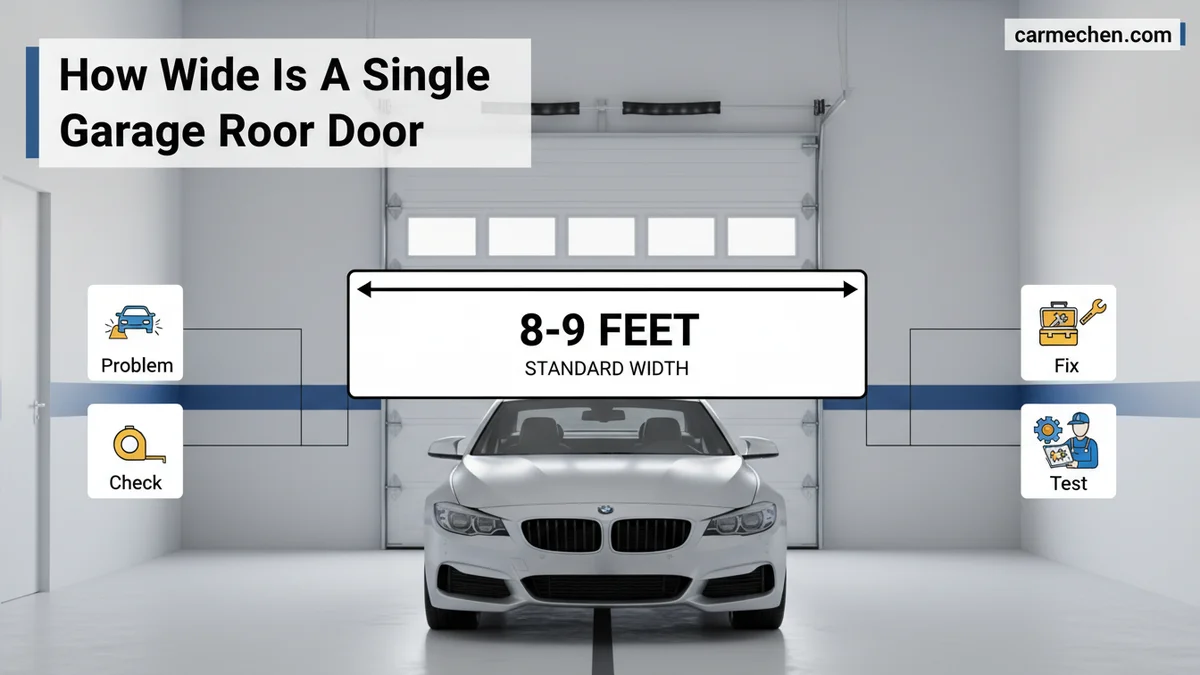
The standard width for a single car garage door is typically 8 or 9 feet (approximately 2.4 to 2.7 meters), though variations exist. Planning for a new door requires accurate measurements of the rough opening.
The question of how wide is a single car garage door typically leads to standard measurements of 8 or 9 feet. Understanding these dimensions is crucial, whether you are planning a new construction, undertaking a major renovation, or simply replacing an existing garage door. The correct width ensures proper vehicle fitment and optimal functionality for your property.
We will explore the common industry standards, potential variations, and guide you through the essential measurement process. This comprehensive guide aims to equip homeowners, contractors, and home planners with all the necessary information for a successful garage door project in 2026.
We will now explore these standard sizes in detail, uncovering why certain widths became common industry benchmarks.
Key Takeaways



- Standard single door widths are 8 or 9 feet.
- Always measure rough opening, not old door.
- Consider vehicle size for door width.
- Factor in height, headroom, and side room.
- Custom sizes available for unique needs.
2 Primary Standard Single Garage Door Widths


When considering how wide a single car garage door typically is, we identify two primary standard dimensions. These sizes have become industry benchmarks due to their ability to accommodate most residential vehicles while optimizing construction efficiency.

Eight-Foot Widths
The 8-foot wide garage door, typically 8 feet wide by 7 feet high, has long served as a common standard for single-car garages. This dimension provides ample space for smaller sedans and compact vehicles. Historically, many residential properties were built with these specifications, making them a prevalent choice in older neighborhoods.
Homeowners often select this size for its cost-effectiveness and suitability for modest vehicle storage. It offers a snug fit for many cars, but requires careful maneuvering for larger vehicles.
Nine-Foot Options
In recent years, the 9-foot wide single garage door, typically 9 feet wide by 7 or 8 feet high, has gained significant popularity. This extra foot of width provides a much more comfortable margin for most modern vehicles, including larger sedans, SUVs, and even some trucks.
The increased width reduces the risk of accidental scrapes and dents during entry and exit. Many new constructions in 2026 now feature 9-foot wide single doors as a default, recognizing the trend towards larger personal vehicles. This size offers enhanced convenience and a more forgiving driving experience.
While these dimensions form the backbone of the industry, understanding how much single garage door widths can vary is equally crucial for informed decision-making.
How Much Do Single Garage Door Widths Vary?


Beyond the most common measurements, you might wonder how much single garage door widths can vary across different homes and manufacturers. While 8-foot and 9-foot doors dominate the market, several factors can lead to deviations from these standards.
Beyond Standard Sizes
Sometimes you might encounter slight variations like 8’3″ or 9’6″ wide openings, especially in older homes or custom-built properties. These minor differences can arise from original construction practices, regional preferences, or even simple measurement discrepancies during the initial build. It is important to measure your specific opening accurately rather than assuming a standard size.
Some manufacturers also offer slightly less common “standard” sizes, such as 10-foot wide single doors, particularly for larger garages or specific utility needs.
Considering Custom Doors
Custom-sized garage doors are a viable option when standard dimensions simply do not fit your needs. This is often the case for historical homes with unique architectural openings or for modern designs requiring specific aesthetic integration. Custom doors can accommodate unusual widths or heights, ensuring a perfect fit without extensive structural modifications to the house.
When planning for custom dimensions, it is essential to consult with garage door professionals who can advise on feasibility and local building codes. Building codes may also dictate minimum or maximum opening sizes in certain areas, particularly for safety or accessibility reasons.
Knowing about width variations is one thing, but accurately measuring your specific garage door opening is the next critical step in any project.
How to Measure Your Single Garage Door Opening in 5 Steps
To ensure you select the correct door, we will guide you on how to measure your single garage door opening precisely in 5 straightforward steps. Accurate measurements are paramount for proper installation and smooth operation of your new garage door.
Measuring Existing Openings
Always measure the finished opening, also known as the rough opening, not the old door itself. The rough opening is the space framed by the wood or steel jambs and header where the garage door will be installed. You will need a sturdy tape measure, a level, and a notepad to record your findings.
Identifying Rough Width
Step 1: Measure Width. Measure the width of the garage door opening from left to right at the widest point. This is typically done from the inside face of the left finished opening to the inside face of the right finished opening. Take measurements at the top, middle, and bottom of the opening and use the largest of these three measurements as your rough width.
Round up to the nearest whole inch or standard door size.
Essential Vertical Clearance
Step 2: Measure Height. Measure the height of the garage door opening from the bottom of the finished floor to the underside of the header. Perform this measurement at the left, middle, and right sides of the opening. Use the largest measurement as your rough height.
Again, round up to the nearest standard door height. Ensure the floor area is level or account for any slopes.
Step 3: Measure Headroom. Headroom is the distance from the top of the garage door opening (underside of the header) to the lowest obstruction on the ceiling. This could be a ceiling joist, plumbing, or existing garage door opener rails. Standard garage door openers typically require at least 12 inches of headroom, but some high-lift systems or certain opener types might need more or less.
Minimum Side Room
Step 4: Measure Side Room. This refers to the clear space on the left and right sides of the garage door opening. You need space for the vertical tracks that guide the door. A minimum of 4.5 to 6 inches on each side is typically required for standard track systems.
Measure from the inside edge of the finished opening to the nearest wall or obstruction.
Step 5: Measure Backroom (Depth). The backroom is the depth of the garage from the opening to the back wall. This measurement ensures there is enough space for the door to open fully, plus the garage door opener mechanism. Generally, the backroom required is the door height plus at least 18 inches for the opener and tracks.
For a 7-foot high door, you’d typically need around 8 feet 6 inches of clear depth.
Once you have your precise measurements, the next consideration involves matching your garage door width to the vehicles you intend to park inside.
What Single Garage Door Width Suits Your Vehicle?
Understanding what single garage door width truly suits your vehicle is essential for both daily convenience and avoiding accidental damage. The right door size provides peace of mind and prevents costly repairs.
Standard Car Clearance
For most standard sedans, an 8-foot wide garage door can be sufficient. However, it often leaves a minimal clearance margin, requiring careful alignment when driving in or out. This can be particularly challenging for new drivers or in situations with poor visibility. We recommend aiming for at least 6 to 12 inches of clearance on either side of your vehicle for comfortable maneuvering.
This extra space reduces stress and potential scratches on your vehicle or the door frame.
Larger Vehicle Considerations
As vehicles have grown in size, the 9-foot wide single garage door has become increasingly popular. This extra foot provides a much more generous opening, ideal for larger SUVs, pickup trucks, and minivans. These vehicles, which often measure between 6.5 and 7.5 feet in width (excluding mirrors), benefit significantly from the wider door.
Without sufficient width, backing a large SUV or truck into an 8-foot opening can be a frustrating and risky daily task.
Future Proofing Your Garage
When selecting your single garage door width, consider not only your current vehicle but also potential future purchases. The average size of cars continues to evolve, and you might upgrade to a wider SUV or truck in 2026 or beyond. Opting for a 9-foot wide door now can future-proof your garage, preventing the need for costly renovations later.
This foresight also enhances your property’s resale value, appealing to a broader range of potential buyers who own larger vehicles.
Ultimately, selecting the right single garage door width involves balancing these practical considerations with a few other key factors.
3 Key Factors for Choosing Your Single Garage Door
To make an informed decision, we have identified 3 key factors for choosing your single garage door width that bring together all the crucial aspects. Considering these points ensures you select a door that perfectly meets your needs now and in the future.
Existing Opening Dimensions
The fixed dimensions of your existing garage opening are the primary determinant. While custom doors are an option, they come at a higher cost. We recommend accurately measuring your rough opening first to see if it aligns with standard 8-foot or 9-foot widths. Building codes and structural limitations may also influence what modifications are feasible for widening an existing opening.
Work within these constraints or plan for significant structural changes if a wider door is essential.
Vehicle Size Requirements
Your current and anticipated vehicle dimensions play a vital role. If you own an average sedan, an 8-foot door might suffice, but a 9-foot door offers greater ease of use. For larger SUVs, trucks, or if you frequently carry items on your roof rack, a 9-foot door is almost a necessity for comfortable, damage-free entry.
Factor in any specific vehicle characteristics, such as extended mirrors or accessories, that might increase overall width.
Long-Term Garage Use
Consider how you will use your garage over the long term. If it is purely for vehicle storage, adequate clearance is key. However, if you plan to use the garage for storage, a workshop, or frequently access items from your vehicle while inside, a wider door provides more functional space.
A 9-foot wide single door can also enhance your home’s appeal and resale value, as it caters to the common preference for more spacious garage access. This makes your property more attractive in a competitive housing market in 2026.
These considerations help ensure a perfect fit. For further clarity, we have addressed some common questions in our FAQ section below.
How to Choose Your Ideal Garage Door Width
Choosing the ideal single garage door width requires careful consideration of both practical needs and long-term planning. Begin by accurately measuring your rough opening to determine existing structural constraints. Evaluate your current vehicles and anticipate future purchases, opting for a 9-foot door if you drive larger models or desire more clearance.
This decision impacts daily convenience, reduces potential damage, and can even influence your home’s resale value. Investing in the right how wide is a single car garage door for your home pays dividends in comfort and functionality.
5 Common Questions About Single Garage Door Dimensions
What Is the Most Common Single Garage Door Width?
The most common single garage door widths are 8 feet and 9 feet. While 8 feet was historically prevalent, 9 feet wide doors have gained significant popularity, especially in newer constructions. This wider option offers greater convenience and reduced risk of vehicle damage for many modern automobiles.
Can I Install a 9-foot Wide Door in an 8-foot Opening?
No, you cannot install a 9-foot wide door in an 8-foot opening without significant structural modification. The door must match the rough opening dimensions. Widening an existing opening requires professional construction work to adjust the header and framing, which adds to project cost and complexity.
How Much Clearance Do I Need for My SUV?
For an SUV, we highly recommend a 9-foot wide single garage door. While an 8-foot door might technically fit, it offers minimal clearance. A 9-foot door provides at least 6 to 12 inches of space on each side, allowing for much easier and safer entry and exit without risking scratches or dents.
Are Custom Garage Door Widths More Expensive?
Yes, custom garage door widths are generally more expensive than standard sizes. This is due to the specialized manufacturing process and materials required. While standard doors are mass-produced, custom doors involve unique specifications and less efficient production runs, leading to higher costs. However, they are essential for non-standard openings.
What Other Measurements Are Important Besides Width?
Beyond width, critical measurements include door height, headroom (space above the opening to the ceiling), and side room (space from the opening sides to the nearest wall). These dimensions ensure proper track installation and allow the garage door opener to function correctly. Accurate measurement of all these factors is crucial for a successful installation.