Ford Explorer Years to Avoid: Unreliable Models & Major Issues
When considering a used Ford Explorer, it’s crucial to know which model years have a history of significant reliability issues. The 2002-2005 and 2011-2017 generations are commonly cited for major problems like transmission failures, frame rust, and engine issues. Identifying these problematic years can help you avoid costly repairs and ensure a more dependable purchase.
🎯 Key Takeaways


- Avoid 2002-2005 Explorers due to severe transmission issues.
- Beware 2011-2017 models for common engine and transmission problems.
- Research specific recalls and owner complaints before buying.
- Prioritize pre-purchase inspections for any used Explorer.
- Newer models (2020+) generally show improved reliability.
If you’re considering a used Ford Explorer, definitively avoid models from the 2002-2005 generation. Exercise extreme caution with select years from 1995-2001 and 2006-2008 as well. These specific model years are notorious for critical mechanical failures, significant safety concerns, and repair costs that often outweigh the vehicle’s market value.

Your awareness of these problematic Explorers can save you thousands in unexpected repairs and ensure a safer, more reliable driving experience. Knowing exactly which years to steer clear of, and precisely what issues they present, is your best defense against purchasing a vehicle that quickly becomes a financial burden rather than a dependable family SUV.
The Most Problematic Ford Explorer Model Years to Avoid


Certain Ford Explorer model years have earned a reputation for severe and recurring problems, making them poor choices for any used car buyer. These models are frequently cited by owners and mechanics for their unreliable components and high maintenance demands.
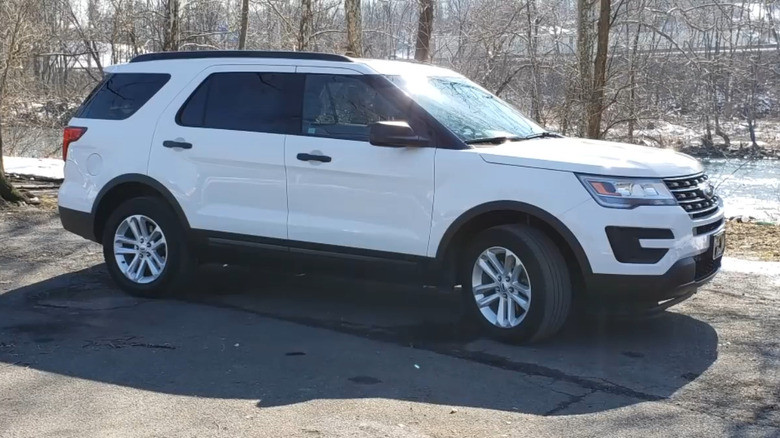
The Infamous 3rd Generation: 2002-2005
- 2002-2005 Ford Explorer: These years are almost universally considered the absolute worst for Explorer reliability. They are critically prone to severe transmission failures, often occurring well before 100,000 miles. Beyond transmission woes, these models also suffer from alarming cracked frame issues and widespread premature wheel bearing failure. The notorious 5R55S automatic transmission is a primary culprit, alongside problematic independent rear suspension components that frequently fail.
Earlier Generations and Mid-2000s Issues
- 1995-1997 Ford Explorer: The early second generation is plagued by significant transmission problems, particularly with the 4R55E and 5R55E transmissions. These years also carried a notable fire risk associated with faulty cruise control deactivation switches, prompting major recalls.
- 2000-2001 Ford Explorer: These models continued to exhibit earlier transmission weaknesses, coupled with notorious rear axle issues. They are also infamous for the well-documented rollover risks linked to specific tire failures (namely Firestone tires) that led to significant controversy and safety concerns.
- 2006-2008 Ford Explorer: While these models showed some improvement over the preceding 3rd generation, they still presented notable reliability concerns. Transmission problems persisted, though less severely. Owners frequently reported significant power steering pump failures and chronic interior electrical issues that were both frustrating and costly to address.
Common Mechanical and Structural Failures by Generation

Understanding the specific nature and impact of these recurring problems is crucial. These aren’t minor inconveniences; they represent significant safety hazards and financial drains that can quickly turn your used Explorer into a money pit.
Catastrophic Transmission Failures (1995-2008)
- Nature: The automatic transmissions used in these problematic Explorer years—specifically the 4R55E, 5R55E, and the particularly troublesome 5R55S—are notorious for premature failure. You will likely experience symptoms such as harsh shifting, gears slipping unpredictably, delayed engagement when selecting drive or reverse, and eventually, a complete loss of power. Internal components like solenoids, valve bodies, and direct clutch drums are known to wear out long before they should.
- Impact: These critical failures typically occur between 70,000 to 120,000 miles. The repair costs for a rebuild or a complete transmission replacement are substantial, generally ranging from $2,500 to $4,500. This expense often exceeds the vehicle’s actual market value, making it uneconomical to repair for many owners. Furthermore, a transmission failure occurring at highway speeds presents a significant safety hazard.
Structural Integrity and Suspension Weaknesses (2002-2005)
- Nature: The 3rd generation Ford Explorer (2002-2005) is particularly infamous for alarming frame cracks, often appearing near the rear suspension mounting points. This generation also introduced an independent rear suspension system which, while intended to improve ride quality, brought with it chronic issues of premature wheel bearing wear and control arm bushing failure. These components are simply not robust enough for the demands placed upon them.
- Impact: Frame cracks are not merely cosmetic; they compromise the vehicle’s structural integrity, leading to dangerous handling characteristics and the potential for catastrophic failure. Repairs are complex, often requiring specialized welding and alignment, and can cost upwards of $1,000-$3,000, with no guarantee of a permanent fix. Frequent wheel bearing replacements are common, costing $300-$600 per axle. Worn control arm bushings lead to poor handling, uneven tire wear, and increased tire replacement costs, all of which compromise your safety and increase running expenses.
Identifying Red Flags and Considering More Reliable Alternatives
When searching for a used Ford Explorer, knowing which years to sidestep is just the first step. Equally important is understanding the tell-tale signs of a problematic vehicle, regardless of its model year. A thorough inspection can reveal issues even in models generally considered reliable, while overlooking red flags can lead to unexpected repairs.

Key Signs of a Troubled Explorer
Certain symptoms consistently pop up when an Explorer from a problematic year starts to fail. Be vigilant for these indicators during your evaluation:
- Transmission Troubles: Listen for clunking, slipping, or delayed engagement during shifts. A harsh shudder, particularly in models from the 2002-2005 range, points directly to a potential transmission rebuild.
- Electrical Gremlins: Test every electrical component—windows, infotainment, climate control, dashboard lights. Intermittent failures or warning lights (especially the “Check Engine” light) without clear cause can signal complex electrical issues.
- Suspension Noises: Pay attention to creaks, groans, or excessive bounciness over bumps. This could indicate worn ball joints, control arms, or issues with the independent rear suspension, a common concern in some generations.
- Unusual Engine Sounds: Any knocking, ticking, or rough idling should be thoroughly investigated. These might suggest anything from minor sensor problems to major internal engine wear, particularly in models prone to timing chain or VCT issues.
Always get a pre-purchase inspection from an independent, trusted mechanic. They can spot issues that a quick glance or test drive might miss, using diagnostic tools to uncover hidden problems.
Exploring Alternatives to Avoid Risk
If the potential risks associated with certain Explorer years feel too high, plenty of other SUVs offer comparable utility with a stronger reputation for reliability during those same timeframes. Considering these alternatives can save you future headaches:
- Toyota Highlander: Often praised for its strong reliability, comfortable ride, and spacious interior, the Highlander consistently ranks well.
- Honda Pilot: Another top contender, the Pilot offers excellent versatility, a robust V6 engine, and a reputation for longevity.
- Mazda CX-9: For those seeking a more engaging driving experience without sacrificing reliability, the CX-9 is a stylish and dependable choice.
- Newer Explorer Models: If you love the Explorer, consider models from 2016 onwards or the 2020+ redesign. These generally have fewer widespread issues and benefit from Ford’s continuous improvements.
These alternatives often come with lower long-term maintenance costs and greater peace of mind, making them smart choices for value-conscious buyers.
Understanding Ford Explorer Reliability Trends and Smart Buying Tips
Ford has continuously evolved the Explorer over its many generations. Understanding these broader reliability trends can help contextualize individual model year issues and inform your buying strategy. It’s not just about avoiding bad apples, but understanding the orchard.
General Reliability Trends for the Explorer
The Ford Explorer has seen significant shifts in design and engineering, which have impacted its reliability profile:
- Early Generations (1990s): Known for their rugged, truck-based foundations, but also for specific issues like transmission failures and some rollover concerns.
- Third & Fourth Generations (2002-2010): This era saw a move to independent rear suspension, improving ride quality but introducing significant transmission issues (especially the 5R55W) and other mechanical faults that heavily impacted its reputation.
- Fifth Generation (2011-2019): Ford moved to a unibody, front-wheel-drive platform (with available AWD), sharing components with the Taurus. While improving safety and comfort, early models in this generation faced a new set of problems, including cooling system leaks, steering issues, and more electrical glitches. Reliability generally improved in later years of this generation (e.g., 2016+).
- Sixth Generation (2020-Present): This generation marked a return to a rear-wheel-drive biased platform (with available AWD). Early reports suggest improved reliability, though new models always have a period of proving themselves.
This shows a pattern where major redesigns often bring new challenges, with reliability typically improving in the later years of a generation as Ford irons out kinks.
Essential Tips for Buying a Used Explorer
Beyond avoiding the specific problematic years, adopting a smart buying approach is critical for any used vehicle, especially a Ford Explorer:
- Prioritize Service Records: A well-maintained vehicle, even one from a generally less reliable year, can be a better buy than a neglected one from a “good” year. Look for consistent maintenance history.
- Investigate “Recall” History: Use the vehicle’s VIN to check for open recalls on the nhtsa.gov/recalls”>NHTSA website. Ensure all recall work has been completed.
- Consider Certified Pre-Owned (CPO): For newer models, a CPO Explorer offers extended warranty coverage and a rigorous inspection, reducing risk.
- Thorough Test Drive: Drive on various road types—city streets, highways, bumpy roads. Test all gears, listen for unusual noises, and feel for any vibrations or hesitant performance. Pay attention to how the vehicle handles turns and brakes.
- Always Get a Pre-Purchase Inspection: As mentioned, this is your best defense against unexpected issues. A qualified mechanic will provide an unbiased assessment of the vehicle’s condition.
These steps empower you to make an informed decision, minimizing the chances of buying a problem-prone Explorer.
Conclusion
Navigating the used Ford Explorer market requires diligence and a clear understanding of its history. While the Explorer has a strong legacy, certain model years, particularly those between 2002-2005 and the early years of the 2011-2019 generation, present higher risks due to widespread transmission, cooling, and electrical issues. Ford has made significant strides in improving reliability in later models, but vigilance is always key.
Before committing, always secure a detailed service history and arrange for a professional pre-purchase inspection. An independent mechanic can uncover hidden problems, giving you peace of mind or a strong negotiation point. Armed with this knowledge, you can confidently choose a Ford Explorer that offers reliability and adventure for years to come.
❓ Frequently Asked Questions
Why are the 2002-2005 Ford Explorer models so frequently advised against?
These models are notorious for severe transmission failures, often occurring at relatively low mileage, and significant frame rust issues that can compromise structural integrity. Additionally, some experienced suspension component failures and premature wheel bearing wear, leading to expensive and recurring repairs.
What specific engine and transmission problems plague the 2011-2017 Ford Explorer years?
The 2011-2017 generation, particularly those with the 3.5L EcoBoost engine, are known for issues like timing chain stretch, water pump failures (often leading to engine damage), and persistent automatic transmission problems. Owners reported rough shifting, hesitation, and complete transmission breakdowns requiring costly replacements.
Are there any specific safety concerns tied to the problematic Ford Explorer years?
Yes, the 2002-2005 models had significant concerns related to frame rust compromising structural integrity and suspension components, which could affect vehicle handling. Some earlier generations also faced issues with tire tread separation, though this was largely addressed through recalls.
What should I look for if I’m considering a used Ford Explorer from a generally “good” year?
Even in generally reliable years, always check for consistent maintenance records, any signs of fluid leaks, proper functioning of electronics, and test drive thoroughly for unusual noises or shifting. A pre-purchase inspection by a trusted mechanic is highly recommended to catch any hidden issues.
How do repair costs for known issues in problematic Explorer years compare to their market value?
For the most problematic years, such as 2002-2005, the cost of major repairs like transmission replacement or frame rust remediation can easily exceed the vehicle’s market value, making them economically unfeasible. Even for 2011-2017 models, engine and transmission repairs can be several thousand dollars, impacting affordability significantly.
Which Ford Explorer model years are generally considered more reliable buys?
Generally, the first generation (1991-1994) is praised for durability, while later models like 2006-2010 (though still with some potential issues) and particularly the 2020 and newer models have shown improved reliability scores and fewer widespread major complaints. These later models benefit from design revisions and updated powertrains.