Why Is My Automatic Car Not Shifting Gears? Expert 2026
Last Updated on September 1, 2026 by Ryan


When your automatic car is not shifting gears, the problem often stems from low or contaminated transmission fluid, faulty sensors, or issues with the transmission control module. Addressing these problems quickly can prevent more severe damage.
When your automatic car is not shifting gears, the issue typically points to problems with the transmission fluid, electronic sensors, or internal mechanical components. This malfunction can be alarming, often presenting as sluggish acceleration, inability to change speed, or the vehicle staying in a single gear.
Swiftly identifying the root cause is essential to prevent more extensive damage and costly repairs, preserving your vehicle’s overall health and performance.
Key Takeaways
- Fluid issues are common causes.
- Sensors play a critical role.
- Electronic problems can prevent shifts.
- Early diagnosis saves major repairs.
- Professional inspection is often needed.
Key Takeaways
- Fluid issues are common causes.
- Sensors play a critical role.
- Electronic problems can prevent shifts.
- Early diagnosis saves major repairs.
- Professional inspection is often needed.
7 Most Common Reasons Your Car Stops Shifting
Understanding why your automatic car stops shifting gears begins with recognizing the primary culprits. Many issues can cause this critical system failure.

Low Fluid Levels
Low transmission fluid is a frequent cause of shifting problems. Fluid acts as a hydraulic medium, lubricant, and coolant within the transmission. Insufficient fluid creates friction and prevents proper pressure buildup for gear engagement.
Contaminated Fluid Quality
Dirty or burnt transmission fluid loses its lubricating and cooling properties. This can lead to overheating and accelerated wear of internal components. Contaminated fluid often appears dark brown or black and may have a burnt smell.
Faulty Solenoid Action
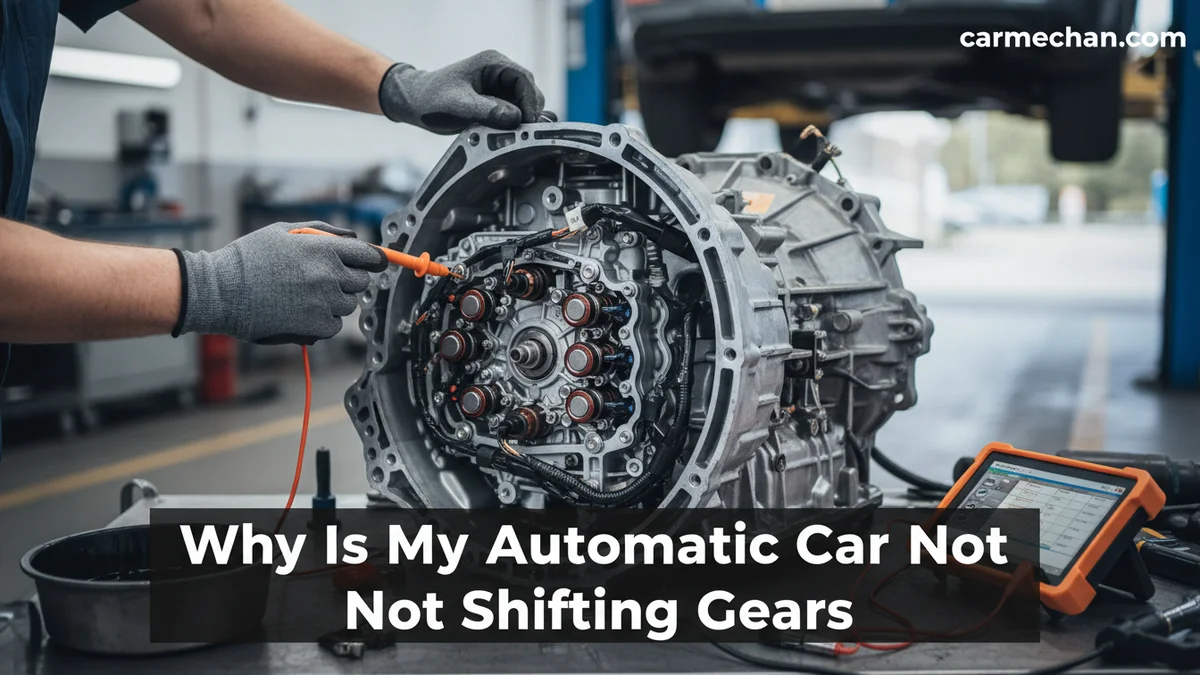
Solenoids are electro-hydraulic valves that control fluid flow to engage different gears. A faulty solenoid can stick open or closed, preventing the transmission from shifting properly. Replacing a transmission solenoid typically costs around .
TCM Malfunction
The Transmission Control Module (TCM) acts as the transmission’s brain, interpreting sensor data and commanding shifts. A malfunction in the TCM can lead to erratic shifting, no shifting, or limp mode activation. TCM reprogramming or replacement can cost .
Speed Sensor Errors
Automatic transmissions rely on vehicle speed sensors (VSS) and output shaft speed (OSS) sensors. These sensors tell the TCM how fast the vehicle and transmission are moving. Incorrect readings from these sensors confuse the TCM, causing shifting issues.
Clogged Fluid Filter
A clogged transmission fluid filter restricts fluid flow, similar to having low fluid. This starves the transmission of essential lubrication and hydraulic pressure. A transmission fluid flush and filter replacement typically costs .
Internal Mechanical Damage
Over time, clutches, bands, or gears within the transmission can wear out or break. This internal damage prevents the transmission from physically engaging gears. Mechanical failures usually require a full transmission rebuild or replacement.
Understanding these potential causes is the first step; next, we explore how to perform initial checks yourself before seeking professional help.
How to Diagnose Transmission Problems at Home
Before contacting a mechanic, you can perform several basic checks to gain insight into your car’s shifting problem. These steps can help pinpoint the issue or provide valuable information to a professional.
Check Fluid Levels
Ensure your vehicle is on level ground and the engine is at operating temperature for an accurate reading. Consult your owner’s manual for specific instructions, as some manufacturers recommend checking fluid while the engine is running in neutral. Dipstick readings should indicate fluid within the “full” range.
Examine Fluid Quality
Note the color and smell of the transmission fluid on the dipstick. Healthy fluid is typically bright red or dark red and has a sweet, oily smell. Burnt-smelling or dark brown/black fluid suggests a severe problem and potential internal damage.
Listen for Noises
Pay close attention to any unusual sounds when your car attempts to shift gears. Grinding, clunking, or whining noises during acceleration or deceleration often indicate mechanical issues within the transmission. Listen for these sounds during operation.
Scan Warning Lights
Check your dashboard for any illuminated warning lights, especially the “Check Engine” light or a specific transmission warning indicator. An illuminated light often means the car’s computer has detected a fault. Using an OBD-II scanner can retrieve diagnostic trouble codes (DTCs), which can guide your diagnosis.
While at-home checks provide valuable insights, electronic components often require specialized tools for proper diagnosis.
What Electronic Issues Prevent Proper Shifting
Modern automatic transmissions rely heavily on sophisticated electronic systems to ensure smooth and efficient gear changes. Failures within these electronic components can drastically impact your car’s shifting ability.

TCM Failures
The Transmission Control Module (TCM) orchestrates gear shifts based on various sensor inputs. A malfunctioning TCM can send incorrect commands or fail to send any commands at all, causing improper shifting or no shifting. This often leads to erratic gear behavior.
Speed Sensor Malfunctions
Vehicle speed sensors (VSS) and output shaft speed (OSS) sensors provide critical data to the TCM. If these sensors fail or provide inaccurate readings, the TCM cannot determine the correct moment to shift gears. This can result in delayed shifts, hard shifts, or the transmission remaining stuck in one gear.
Shift Solenoid Glitches
Shift solenoids are electrically operated valves that direct transmission fluid to engage specific gears. A solenoid that is clogged, faulty, or has a wiring issue will prevent the proper fluid flow required for gear changes. This directly impacts the transmission’s ability to engage subsequent gears.
Wiring Harness Damage
The wiring harness connects the TCM to various sensors and solenoids throughout the transmission system. Corrosion, fraying, or breaks in the wiring harness can disrupt communication signals. This interference can lead to intermittent or complete transmission failure, as components fail to receive necessary commands or data.
The typical lifespan of transmission control modules can vary widely, but automotive industry data suggests .
Recognizing these electronic issues is key, but sometimes the problem requires a more in-depth, professional assessment.
When to Seek Professional Transmission Repair
While home diagnostics offer initial insights, certain symptoms and situations necessitate immediate professional attention. Ignoring these signs can lead to more severe and costly damage to your transmission.
Persistent Warnings
If your “Check Engine” light or specific transmission warning light remains on after basic checks, it signals a deeper electronic or mechanical problem. Professional diagnostic tools can retrieve specific trouble codes for accurate assessment. These codes provide valuable information to skilled technicians.
Strange Noises
Consistent grinding, clunking, or loud whining sounds coming from the transmission indicate significant internal mechanical wear or damage. These noises suggest components are actively failing or are about to fail. Continuing to drive with these sounds can exacerbate the damage.
Burning Odor
A distinct burning smell emanating from your car, especially after driving, often indicates overheated transmission fluid. This is a critical warning sign of severe internal friction or a fluid leak. Overheating can quickly destroy internal transmission components.
Limp Home Mode
If your car suddenly restricts itself to a single gear (often 2nd or 3rd) and limits engine power, it has entered “limp home mode.” This is a safety feature designed to protect the transmission from further damage. Driving in this mode for extended periods is not recommended.
Failed DIY Attempts
When your initial fluid checks, visual inspections, and dashboard light scans yield no obvious solution, it’s time for professional diagnosis. Automatic transmissions are complex systems that often require specialized tools and expertise to properly evaluate. A certified technician can correctly diagnose the underlying issue.
Preventing transmission issues is always better than repairing them, making regular maintenance crucial for your vehicle’s longevity.
4 Best Practices for Transmission Longevity
Proactive maintenance and mindful driving habits significantly extend the life of your automatic transmission. Adopting these best practices can help you avoid costly repairs and maintain your car’s reliability for years to come.
Schedule Fluid Changes
Regular transmission fluid changes are paramount for preventing premature wear. Old, dirty fluid loses its effectiveness, leading to overheating and component damage. Most manufacturers recommend fluid changes every 30,000 to 60,000 miles, but always consult your vehicle’s owner’s manual for specific intervals .
Use Correct Fluid
Always use the specific type of transmission fluid recommended by your vehicle’s manufacturer. Different transmissions require different fluid formulations for proper lubrication and performance. Using the wrong fluid can cause irreversible damage to seals and internal components.
Drive Smoothly
Avoid aggressive driving habits such as sudden accelerations, harsh braking, and frequent towing beyond your vehicle’s capacity. These actions place excessive stress on the transmission, leading to increased wear and tear. Smooth driving promotes gentler gear changes and less strain on the system.
Address Small Problems
Pay attention to any subtle changes in your car’s shifting behavior, such as minor delays or slightly rough shifts. Addressing these small symptoms early can prevent them from escalating into major transmission failures. Prompt intervention can save you significant repair costs down the line.
Keeping Your Automatic Car Shifting Smoothly in 2026
Understanding why your automatic car is not shifting gears empowers you to address potential issues knowledgeably. From fluid levels and electronic glitches to internal mechanical wear, the causes are varied. Regular maintenance and attentive driving habits are your best defense against transmission troubles. By performing basic checks and knowing when to seek professional help, you safeguard your vehicle’s performance.
Prioritizing your transmission’s health ensures a smoother, more reliable driving experience for years to come.
Common Questions About Automatic Shifting
Why Does My Car Sometimes Hesitate to Shift?
Hesitation to shift often indicates low transmission fluid levels, a partially clogged filter, or minor electronic sensor issues. It can also point to initial signs of internal wear or a slight glitch in the transmission control module. Addressing these promptly helps prevent more significant problems.
Can Low Engine Oil Cause Transmission Shifting Problems?
No, low engine oil does not directly cause transmission shifting problems. Engine oil lubricates the engine, while transmission fluid lubricates and operates the transmission. However, severe engine issues from low oil could indirectly affect overall vehicle performance, which might be confused with transmission problems.
Is It Safe to Drive My Automatic Car If It’s Stuck in One Gear?
Driving your automatic car while it’s stuck in one gear is generally not recommended, especially for long distances. This condition, often “limp home mode,” protects the transmission from further damage. Driving this way can overheat the transmission or engine, leading to more severe failures.
How Often Should Automatic Transmission Fluid Be Checked?
Automatic transmission fluid should typically be checked every 15,000 to 30,000 miles or at least once a year, as part of your routine maintenance. Always refer to your vehicle’s owner’s manual for the most accurate and manufacturer-specific recommendations. Regular checks help identify issues early.
Can a Battery Problem Affect Automatic Gear Shifting?
Yes, a weak or failing battery can absolutely affect automatic gear shifting. Modern automatic transmissions rely on electrical power for their control modules and solenoids. Insufficient voltage from a faulty battery can cause erratic shifting, delayed engagement, or even prevent the transmission from shifting at all.