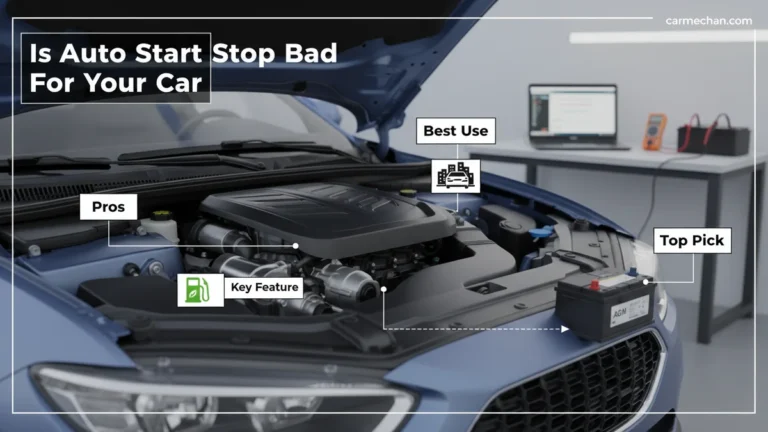
How To Keep New Car Smell Keep New Car Smell Lasting 2026
Last Updated on September 1, 2026 by Albert Duke
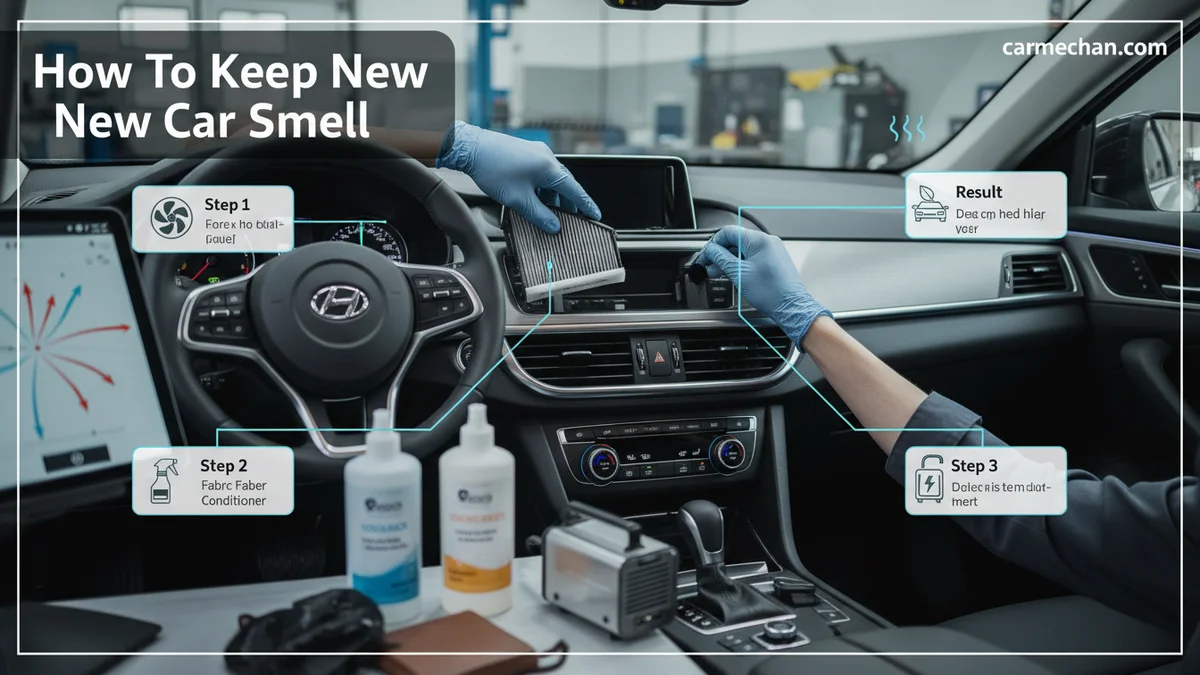
To keep your new car smell lasting longer, proactive interior care, proper ventilation, and avoiding common odor contaminants are crucial steps. This extends the distinct aroma by minimizing the factors that cause it to fade quickly.
Keeping that beloved new car smell for as long as possible involves a combination of understanding its origin and implementing consistent preventative measures. This distinctive aroma enhances the ownership experience, signaling freshness and pristine condition. Many new car owners wish to prolong this sensory delight, viewing it as an integral part of their vehicle’s appeal.
This article will guide you through practical steps and important considerations to maintain your car’s fresh scent well into 2026 and beyond. We will first explore the science behind this unique aroma before diving into preservation methods.
Key Takeaways


- New car smell originates from VOCs in materials.
- Ventilation and interior cleaning are key for preservation.
- Heat and contaminants accelerate smell fade.
- Conditioning interior surfaces helps maintain scent.
- Specific products can safely restore a fresh aroma.
What 5 Compounds Create New Car Scent?


The distinctive new car scent is primarily a cocktail of Volatile Organic Compounds (VOCs) emitted from various interior materials. These chemicals vaporize at room temperature, releasing the familiar aroma we associate with a brand-new vehicle. Understanding these components helps us grasp why the smell eventually fades.

Volatile Organic Chemicals
The new car smell is composed of hundreds of different VOCs. Key compounds often identified include toluene, ethylbenzene, xylene, styrene, and various aldehydes. These chemicals are integral to the manufacturing process and materials used in modern vehicles, contributing to durability and performance.
These VOCs are a byproduct of the materials curing and off-gassing process. The initial intensity of the smell is strongest right after manufacturing as these compounds are released into the cabin environment.
Interior Material Sources
Several components within your car contribute to the VOC emissions. Plastics, adhesives, sealants, upholstery fabrics, carpets, and even the leather or vinyl in your seats all release these compounds. The dashboards, door panels, and headliners are significant contributors, particularly in the first few months of ownership.
As these materials age and are exposed to air, the rate of VOC emission naturally decreases. This is the primary reason why the new car smell diminishes over time, regardless of cleaning efforts.
Health Impact Facts
Initially, concentrations of VOCs can be higher, especially in a brand-new, unventilated vehicle. For most people, these levels are generally safe and quickly dissipate with proper ventilation. However, sensitive individuals might experience mild symptoms like headaches, dizziness, or nausea during the initial off-gassing period.
Manufacturers are increasingly using lower-VOC materials to improve interior air quality, reflecting a growing awareness of health concerns. Regular ventilation helps to disperse these compounds, maintaining a healthier and more pleasant cabin environment.
Understanding these components is the first step; now let us explore practical ways to actively keep new car smell intact.
How to Preserve New Car Smell in 7 Steps

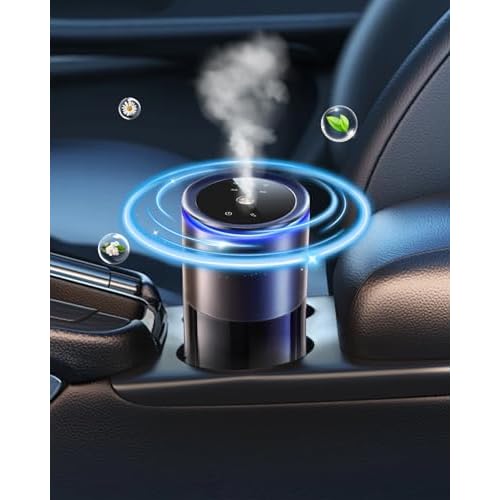
Preserving your vehicle’s fresh aroma involves a systematic approach, beginning with smart daily habits. Consistent effort can significantly extend the life of that cherished new car scent.
Ventilate Regularly
One of the simplest yet most effective ways to prolong the new car smell is through regular ventilation. Opening windows for a few minutes before and after each drive allows fresh air to circulate. This helps prevent the accumulation of stale air and environmental odors.
While counterintuitive, ventilation helps disperse harmful VOCs while allowing the subtle, desirable notes from interior materials to remain. This practice ensures your car doesn’t become a sealed environment where foreign odors can quickly take hold.
Clean Interior Materials
Maintaining a clean interior is fundamental. Regularly vacuum carpets and upholstery to remove dirt and dust particles that can absorb odors. Wipe down hard surfaces with a damp cloth to prevent grime buildup.
Use mild, pH-neutral cleaners specifically designed for automotive interiors. Avoid harsh chemicals or strongly scented products, as these can introduce artificial odors that mask or destroy the original smell.
Protect From Spills
Spills of food or drinks are instant odor destroyers. Always try to avoid eating or drinking in your car, especially sticky or strongly scented items. If a spill occurs, clean it immediately and thoroughly.
Quick action prevents liquids from soaking into fabrics and carpets, where they can cause lasting unpleasant odors. Use appropriate cleaning agents for the specific material to ensure complete removal of residues.
Condition Surfaces Monthly
Leather, vinyl, and plastic surfaces in your car need conditioning to stay supple and protected. Regular conditioning helps these materials maintain their original state, which contributes to the longevity of the new car smell.
Conditioners can prevent materials from drying out, cracking, or degrading, which would otherwise release less desirable smells as they age. Look for non-greasy, low-sheen conditioners that do not have a strong scent of their own.
Use Window Protection
Direct sunlight and UV rays can accelerate the degradation of interior materials, causing them to off-gas VOCs at a faster rate and then fade. Using a windshield sunshade when parked helps shield the interior.
Tinting your windows can also significantly reduce UV exposure and heat buildup. This keeps interior materials cooler and better preserved, indirectly extending the subtle emission of the desired new car aroma.
Control Cabin Temperature
Extreme temperatures, particularly high heat, can speed up the off-gassing process of VOCs. Parking in the shade or using a car cover can help regulate the interior temperature. On hot days, consider running the air conditioning briefly before entering the car.
Maintaining a moderate cabin temperature helps to slow down the release of volatile compounds from plastics and fabrics. This strategic temperature management contributes to a more gradual and prolonged emission of the new car scent.
Park Under Cover
Whenever possible, park your new car in a garage or under a covered area. This protects it from direct sunlight, rain, and environmental pollutants. Covered parking reduces temperature fluctuations, which are detrimental to interior material stability.
By minimizing exposure to harsh elements, you help preserve the integrity of your car’s interior. A well-protected interior will naturally retain its original characteristics, including its signature smell, for a longer period. While these practices help maintain the smell, certain external factors can rapidly diminish it, which we should actively avoid.
What 4 Factors Destroy New Car Aroma Fastest?
Several common activities and environmental conditions are highly detrimental to the longevity of your car’s fresh aroma. Being aware of these can help you proactively guard against losing the coveted scent.

Food Consumption
Eating in your car introduces foreign odors that quickly permeate fabrics and surfaces. Grease, food particles, and the inherent smells of various cuisines can overpower and replace the delicate new car scent. Even seemingly innocuous snacks can leave lingering traces.
Crumbs and spills can also encourage bacterial growth, leading to stale or musty smells over time. Consuming meals outside of your vehicle is one of the most effective ways to prevent unwanted odor contamination and preserve freshness.
Tobacco Smoke
Tobacco smoke is perhaps the quickest and most pervasive destroyer of any fresh car scent. The chemicals in cigarette smoke impregnate every porous surface, from upholstery to headliners, creating a deep-seated, offensive odor that is notoriously difficult to remove.
Once a car has been exposed to tobacco smoke, the new car smell is essentially eradicated and replaced permanently. Avoiding smoking in your vehicle is paramount if you wish to retain any trace of its original aroma.
Excessive Moisture
Damp conditions, whether from rain, spills, or high humidity, are detrimental to interior freshness. Moisture can lead to the growth of mold and mildew, which produce distinct, unpleasant, musty odors. These smells quickly dominate the cabin and can be a health concern.
Always ensure your car’s interior is dry. Use floor mats to catch moisture, promptly address any leaks, and consider using a dehumidifier if you live in a very humid climate or after thorough interior cleaning. Good air circulation also helps prevent moisture buildup.
Intense Sun Exposure
Prolonged exposure to intense sunlight and heat significantly accelerates the off-gassing process of VOCs, causing the new car smell to fade rapidly. UV rays also degrade interior materials, leading to less appealing smells as plastics and fabrics break down.
The heat generated inside a parked car in direct sunlight can be extreme, effectively baking out the volatile compounds. Minimizing direct sun exposure through shaded parking, sunshades, or window tints is crucial for preserving the delicate balance of aromas. Despite your best efforts, if the original scent fades, there are effective ways to safely introduce a similar fresh aroma back into your vehicle.
Which 3 Products Restore New Car Scent?
When the original new car aroma inevitably diminishes, specific products can help you safely restore a similar fresh ambiance. The goal is to recreate, not just mask, the desired scent.
Effective Interior Cleaners
Start with a deep clean using effective interior cleaners designed for specific surfaces. Choose products for plastics, vinyl, leather, and fabric that clean thoroughly without leaving strong, artificial perfumes. Many high-quality automotive interior cleaners are formulated to be scent-neutral or to have a very subtle “new car” undertone.
The objective is to eliminate any accumulated dirt, grime, and embedded odors that are obscuring the residual factory scent. A truly clean interior provides a fresh canvas for any new car scent products you might introduce later.
Quality Scent Sprays
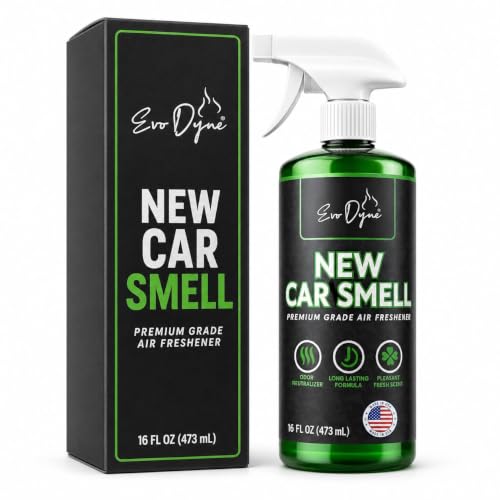
Not all air fresheners are created equal. For a new car scent, look for sprays specifically marketed to replicate this unique aroma. These products are formulated to mimic the blend of VOCs that give new cars their distinctive smell. Apply them subtly to carpets or under seats, avoiding direct application to surfaces that could stain or become sticky.
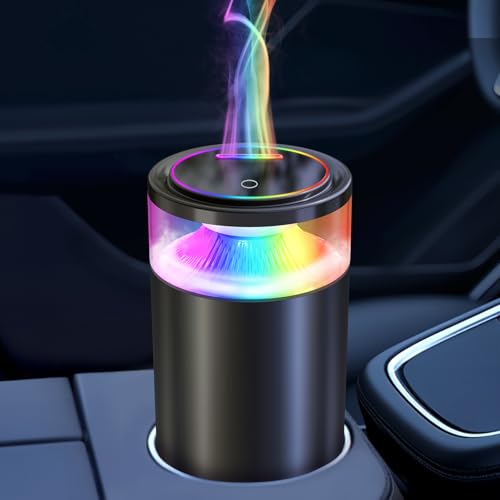
The key is moderation; an overpowering artificial smell is worse than no smell at all. Use a light mist rather than drenching the interior. Some products also come in gel or hanging diffuser forms for a more controlled, continuous release.
Odor Eliminators
Before introducing a new car scent, ensure any existing unpleasant odors are completely eliminated, not just masked. Odor eliminators work by neutralizing or breaking down odor-causing molecules. Enzymatic cleaners are particularly effective against organic smells like spilled food or pet odors.
Spray odor eliminators onto affected areas and allow them to work their magic, often requiring some dwell time. Once the source of the bad smell is neutralized, you can then proceed with a new car scent product. This two-step process yields a much more authentic and pleasant result.
Understanding both preservation and restoration is key to enjoying your vehicle’s interior. We’ll now address some frequently asked questions.
Final Steps for Lasting Car Scent
Maintaining the cherished new car smell into 2026 and beyond is a goal many owners share, and it is entirely achievable with dedicated effort. By understanding the chemical origins of the scent, implementing proactive preservation strategies, and diligently avoiding common destructive factors, you can significantly prolong your vehicle’s fresh aroma.
Remember that consistent interior care, thoughtful ventilation, and protection from the elements are your best allies. Even when the initial factory scent eventually softens, effective products exist to safely restore a pleasant, similar ambiance. Embrace these practices to keep new car smell a delightful part of your driving experience for years to come.
Top 5 Questions About New Car Aroma Answered
Is the New Car Smell Bad for Your Health?
The new car smell is primarily from VOCs, which are generally safe in the low concentrations found after the initial off-gassing period. While high exposure can cause mild symptoms for sensitive individuals, most modern vehicles quickly disperse these compounds, posing no significant long-term health risk under normal use.
How Long Does New Car Smell Typically Last?
The intense new car smell typically lasts a few weeks to a few months, gradually fading over time. Factors like ventilation, climate, and usage habits significantly influence its longevity.
Can Cleaning Products Ruin New Car Smell?
Yes, harsh or strongly scented cleaning products can ruin the new car smell by introducing artificial odors or chemically altering the surfaces. Always opt for mild, pH-neutral, scent-neutral cleaners specifically designed for automotive interiors.
Does Parking in Sun Affect Car Scent?
Yes, parking in direct sunlight significantly affects car scent. High temperatures accelerate the off-gassing of VOCs, causing the new car smell to dissipate much faster. UV rays also degrade interior materials, leading to less desirable odors over time.
Are There Ways to Recreate New Car Smell?
Yes, you can recreate a similar fresh ambiance using specific products. Look for quality interior cleaners that are scent-neutral, followed by subtle new car scent sprays or diffusers designed to mimic the original aroma without being overpowering.