Car Makes Clicking Noise When Turning Car Clicking 2026
Last Updated on September 1, 2026 by Ryan
When your car makes a clicking noise while turning, it most often signals issues with components like the CV joints, ball joints, or tie rod ends, which require prompt inspection.

Prime for Young Adults — 6 Months Free
Students and 18–24s get six months of Prime free, then half price.
Start 6 Months FreeIgnoring these sounds can lead to safety hazards and more expensive repairs, so diagnosing and addressing the problem quickly is crucial for vehicle integrity.
When your car makes a clicking noise when turning, it is a common concern that can range from minor to serious, requiring your attention. This peculiar sound often signals an underlying issue with your vehicle’s intricate steering or suspension components. Prompt identification of the source is crucial. Addressing these noises quickly can prevent further damage, maintain vehicle safety, and potentially save you significant repair costs in 2026. We will explore the most frequent mechanical issues causing this sound, so you can begin to pinpoint the problem.
Key Takeaways
Recommended Best Deal Products


- Clicking often points to CV joint wear.
- Ball joints or tie rods can also click.
- Assess urgency; some clicks are dangerous.
- DIY diagnostics save time and money.
- Professional repair cost varies by component.
7 Common Reasons Your Car Clicks When Turning
A clicking noise often indicates wear in various front-end components, and understanding each specific cause helps narrow down your car’s issue. Each system plays a vital role in steering and stability. Diagnosing the exact source ensures targeted repair efforts.
CV Joint Issues
The Constant Velocity (CV) joint allows the drive axle to transmit power to the wheels at varying angles. When the protective boot tears, dirt and moisture enter, causing the grease to leak out. This leads to accelerated wear and the characteristic clicking sound during turns.
Key Symptoms: A rhythmic, metallic clicking or popping sound, especially noticeable when accelerating and turning. The noise intensifies when turning sharply or in reverse.
Driving Urgency: Moderately urgent. A severely worn CV joint can fail, leading to loss of power to the wheel and potential loss of control.
Potential Solution: Typically requires replacement of the entire CV axle or just the joint itself, depending on the vehicle and damage.
Ball Joint Wear
Ball joints connect the vehicle’s control arms to the steering knuckles, allowing for smooth, pivot-like movement. They bear significant weight and can wear out over time. This wear creates looseness and noise.
Key Symptoms: A clunking or popping noise, particularly when going over bumps or turning slowly. You might also feel looseness in the steering.
Driving Urgency: High urgency. A completely failed ball joint can cause the wheel to separate from the suspension, leading to catastrophic loss of control.
Potential Solution: Ball joint replacement is necessary. This is often a pressed-in component requiring specialized tools.
Tie Rod End Problems
Tie rod ends are critical links in your steering system, connecting the steering rack to the steering knuckle. They articulate to allow the wheels to turn. Worn tie rod ends introduce play into the steering.

Audible — Listen Free for 30 Days
One free credit a month and thousands of titles included.
Listen Free for 30 Days Key Symptoms: Clicking or popping sounds, especially during low-speed turns or when maneuvering. Loose steering, excessive play in the steering wheel, and uneven tire wear are also common.
Driving Urgency: Moderately high urgency. Significant wear can compromise steering precision and responsiveness.
Potential Solution: Replacement of the affected inner or outer tie rod end is essential. An alignment will be required afterward.
Wheel Bearing Failure
Wheel bearings allow the wheels to spin freely with minimal friction. When these bearings start to fail, they generate friction and noise. This can escalate to a noticeable clicking.
Key Symptoms: A grinding, humming, or roaring noise that changes with vehicle speed. It might become a clicking or clunking during turns as weight shifts. Vibration in the steering wheel or floor is also possible.
Driving Urgency: High urgency. A failed wheel bearing can seize, potentially locking up the wheel or causing it to separate from the vehicle.
Potential Solution: Wheel bearing replacement is required. This often involves specialized pressing equipment.
Strut Mount Damage
Strut mounts are rubber-and-metal components that connect the top of the strut to the vehicle’s chassis. They isolate road noise and vibrations. Damage or wear to these mounts can lead to noise.
Key Symptoms: A popping or clicking noise, especially when turning the steering wheel at a standstill or at low speeds. You might also hear clunking over bumps.
Driving Urgency: Low to moderate urgency. While not an immediate safety hazard, worn mounts can lead to poor handling and accelerated wear on other suspension components.
Potential Solution: Strut mount replacement, often done when replacing struts.
Loose Lug Nuts
Lug nuts secure the wheel to the hub. If they become loose, the wheel can shift slightly on the studs. This movement causes friction and noise during dynamic actions.
Key Symptoms: A distinct clicking or ticking sound that typically gets faster with vehicle speed and may be more pronounced when turning or braking. It often sounds like it’s coming directly from the wheel.
Driving Urgency: Extremely high urgency. Loose lug nuts can lead to a wheel detaching from the vehicle, causing a severe accident.
Potential Solution: Safely pull over and tighten the lug nuts immediately with a lug wrench. Consult a professional if the nuts are stripped or damaged.
Power Steering System Faults
The power steering system assists in turning the wheels. Issues like low fluid levels or a failing pump can cause hydraulic cavitation. This may result in noises under specific conditions.
Key Symptoms: A whining or groaning noise that increases when turning the steering wheel. Sometimes, this can manifest as a light clicking sound if air is in the system or a component is binding.
Driving Urgency: Moderate urgency. Loss of power steering makes the vehicle much harder to steer, especially at low speeds.
* Potential Solution: Check and top off power steering fluid. Inspect for leaks. The power steering pump or steering rack may need replacement.
Audible Premium Plus — Annual Membership
12 audiobook credits up front, plus the full Audible catalogue.
See Annual PlansWhile knowing the causes is important, understanding the potential severity of each issue is paramount for your safety and your car’s longevity.
How Dangerous Is Car Clicking While Turning
Recommended Best Deal Products


The danger level associated with your car making clicking noises while turning varies significantly, from minor inconvenience to serious safety hazard. Ignoring these sounds can have severe consequences for your safety and your vehicle’s integrity. Swift action is often the best course.
Immediate Safety Hazards
Certain clicking noises signal components on the brink of failure that pose an immediate danger. For example, a failing ball joint or tie rod end can suddenly break, causing a wheel to detach or complete loss of steering. Imagine attempting a turn at speed only for your steering to become unresponsive. This scenario can lead to a catastrophic accident. Similarly, severely loose lug nuts can result in a wheel coming off, endangering occupants and other road users.
Long Term Component Wear
Even if a clicking sound doesn’t signal immediate danger, ignoring it will inevitably lead to accelerated wear on other costly parts. A worn CV joint, for instance, can put stress on the transmission and wheel bearings. A damaged strut mount can degrade ride quality and prematurely wear out tires and shocks. Small problems rarely fix themselves; they typically worsen over time, converting a relatively inexpensive fix into a much larger, more complex repair bill. This cascading effect can severely diminish your car’s reliability and lifespan.
When to Stop Driving
You should stop driving immediately and arrange for a tow if you experience any of the following: a sudden, loud clunk or snap while turning; extreme looseness or unresponsiveness in the steering; a grinding noise accompanied by significant vibration; or if the clicking progresses into a severe banging sound. Any sensation that suggests a wheel is about to detach or steering control is compromised indicates an urgent safety risk. Continuing to drive under these conditions puts your life and others’ at severe risk.
Given these potential risks, understanding whether you can tackle the fix yourself or if professional help is required becomes the next critical step.
DIY Fixes Versus Professional Repair Costs

Deciding between attempting a DIY fix or opting for professional repair for a clicking noise when turning hinges on your mechanical skill, available tools, and the severity of the issue. Many owners can handle minor checks. Other repairs demand expert attention.
Initial Diagnostic Steps
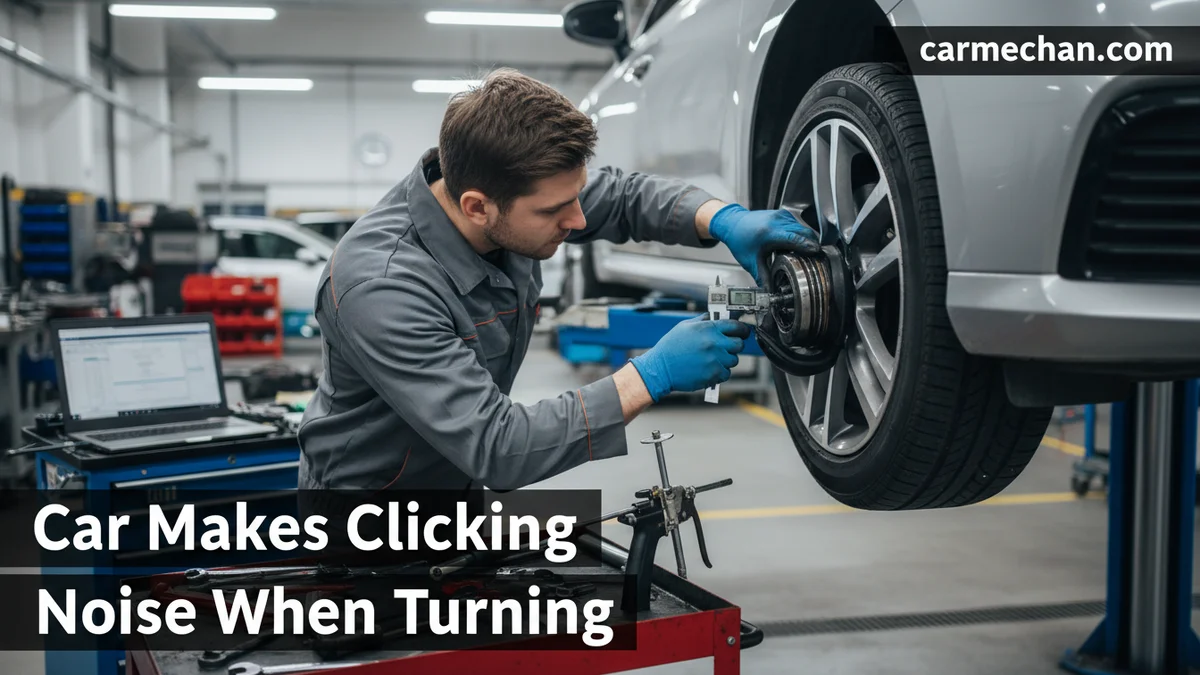
Start with simple visual and auditory checks. Look for torn CV joint boots or obvious looseness in suspension components by jacking up the car safely and wiggling the wheels. Check that all lug nuts are securely tightened. Listen for where the noise originates and under what specific conditions it occurs. These initial steps do not require specialized tools and can often help confirm suspicions. Performing a thorough inspection yourself saves diagnostic labor costs at a shop.
Average Repair Shop Costs
Professional repair costs vary significantly based on the component, vehicle make, and labor rates in your area for 2026. For example, a single CV joint replacement could range from $250 to $600, including parts and labor. Ball joint replacement might cost $200-$400 per joint. Tie rod ends are typically $100-$250 per side, plus an alignment. Wheel bearing replacement can range from $300 to $700 per wheel. These estimates depend on the complexity of the job.
When to Call a Mechanic
You should always call a mechanic if you lack the proper tools, experience, or confidence to perform a repair safely and correctly. Repairs involving steering, brakes, or suspension are critical safety components. Any repair requiring specialized alignment equipment, hydraulic presses, or complex diagnostic tools should be left to professionals. When in doubt, obtaining multiple quotes from certified mechanics is a smart move. They can provide accurate diagnostics and ensure the repair is completed to factory specifications.
To make an informed decision, it is crucial to accurately differentiate between the various sounds your car might be making during a turn.
How to Differentiate Specific Clicking Sounds
Accurately identifying the exact type of sound your car makes when turning is often the key to pinpointing the underlying problem. Each component tends to produce a distinct auditory signature. Learning these nuances aids in precise diagnosis.
Rhythmic Click Clues
A rhythmic clicking sound, often described as a “tick-tick-tick,” is very characteristic of a worn CV joint. This noise typically intensifies when you accelerate while turning. The speed of the clicking usually increases with vehicle speed. It often occurs most prominently when making sharper turns, especially at full lock, or when reversing. This consistent, repetitive sound helps distinguish it from more intermittent noises.
Intermittent Sound Signals
Intermittent clicks or pops often indicate looseness or binding in components like ball joints or tie rod ends. These sounds might occur only when going over bumps, during specific degrees of turn, or during initial acceleration. Unlike the consistent rhythm of a CV joint, these noises are less predictable and may not be constant. They suggest a component that is briefly dislodging or catching.
Popping Noise Indicators
A popping noise is often a deeper, more forceful sound than a typical click. It can be associated with severe ball joint wear or a failing strut mount. When a ball joint has significant play, it can “pop” as the suspension articulates or as weight shifts during a turn. Strut mounts might pop loudly when turning the steering wheel from side to side at a standstill or low speed. These sounds can sometimes feel like a slight jolt through the steering wheel or floorboard.
By carefully listening and observing, you gain valuable insights, leading us to consider the best steps moving forward to address these issues.
Your Car’s Clicking Sound Next Steps
A car making clicking noise when turning is a clear indicator that something in your vehicle’s complex system requires attention. Ignoring these audible warnings can lead to severe safety compromises and higher repair costs in the long run. By understanding the common culprits like CV joints, ball joints, and tie rods, you are better equipped to assess the urgency and potential solutions. Prioritize safety by addressing any suspicious sounds promptly. Whether you opt for a DIY fix or professional assistance, taking decisive action ensures your vehicle remains reliable and safe for every journey in 2026.
Frequent Questions About Turning Noises
What Causes a Clicking Noise When My Car Turns?
A clicking noise when your car turns is most commonly caused by a worn Constant Velocity (CV) joint, particularly when accelerating. Other culprits include failing ball joints, tie rod ends, loose lug nuts, or issues within the power steering system. Diagnosing the specific source often requires careful listening and inspection of the affected components.
Is It Safe to Drive With a Car Making Clicking Noises When Turning?
Driving with a clicking noise when turning can range from moderately unsafe to extremely dangerous, depending on the cause. A failing CV joint might initially just be annoying, but a severely worn ball joint or tie rod end could lead to a sudden loss of steering control or wheel detachment. We advise immediate inspection to assess the risk.
How Much Does It Cost to Fix a Clicking Noise When Turning?
The cost to fix a clicking noise varies widely based on the underlying issue and your vehicle type. CV joint replacement might range from $250-$600, while ball joint repairs could be $200-$400 per joint, including parts and labor for 2026. Loose lug nuts are an easy, free fix. Always get a detailed quote.
Can I Fix a Clicking Noise Myself?
Some minor issues, like loose lug nuts, are simple DIY fixes. However, complex repairs involving CV joints, ball joints, or wheel bearings often require specialized tools and expertise for safety and proper function. We recommend assessing your mechanical skill and comfort level before attempting these crucial repairs.
How Can I Identify Which Component Is Clicking When Turning?
Listen carefully to the type of sound (rhythmic, intermittent, popping) and when it occurs (e.g., accelerating, turning left/right, over bumps). A rhythmic click during acceleration and turning often points to a CV joint. Pops over bumps or during slow turns could indicate ball joint issues. Visual inspection of boots and suspension parts helps confirm.