2014 Nissan Pathfinder Transmission Fluid: Expert Check and Change Guide 2026
Last Updated on September 1, 2026 by Ryan

⚡ Key Takeaways
- The 2014 Nissan Pathfinder requires Nissan Genuine NS-3 CVT Fluid for its Continuously Variable Transmission (CVT).
- The transmission fluid capacity for a 2014 Nissan Pathfinder during a drain and refill procedure is typically between 4.2 to 5.5 quarts.
- Nissan recommends checking the CVT fluid every 15,000 miles or 12 months, and replacing it every 60,000 to 120,000 miles under normal driving conditions.
- Common symptoms of low transmission fluid in a 2014 Pathfinder include delayed engagement, harsh shifting, slipping gears, or unusual whining noises.
- What specific type/specification of transmission fluid (e.g., CVT NS-2, NS-3) does a 2014 Nissan Pathfinder use?
The 2014 Nissan Pathfinder transmission fluid specifically requires Nissan Genuine NS-3 CVT Fluid. This precise fluid is engineered for your vehicle’s Continuously Variable Transmission (CVT) and is critical for its optimal performance and longevity. Ignoring proper fluid specifications and maintenance can lead to costly repairs and significantly shorten the lifespan of this vital component.
We understand the importance of reliable information for your vehicle’s health.
This guide provides comprehensive, expert-backed details on the correct fluid type, capacity, maintenance schedules, and procedural steps. Whether you’re a DIY enthusiast or a concerned owner, we aim to provide clarity and confidence in maintaining your Pathfinder’s transmission.
Here is what you need to know about what this comprehensive guide covers for your 2014 Pathfinder’s CVT fluid maintenance.
What Is the Scope for 2014 Pathfinder Transmission Fluid Guidance


This expert guidance outlines critical aspects of managing your 2014 Nissan Pathfinder transmission fluid. We focus on providing actionable information to help you maintain your vehicle’s CVT system effectively.
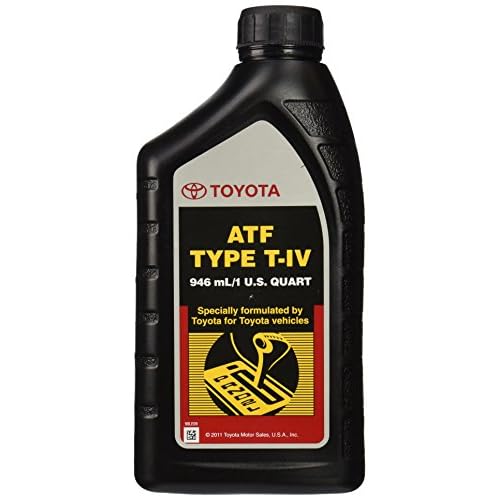
 2014 Nissan Pathfinder Genuine NS-3 CVT Fluid Bottle. This image clarifies the specific fluid type required for the 2014 Nissan Pathfinder transmission, helping owners and technicians select the correct product to maintain vehicle performance and warranty.)
Genuine Nissan NS-3 CVT Fluid
Essential for 2014 Nissan Pathfinder transmissions.
- Identification of the primary correct fluid type: Nissan Genuine NS-3 CVT Fluid.
- Understanding the specific fluid capacity for your 2014 Pathfinder.
- Recommended maintenance schedule and intervals for fluid checks and changes.
- Step-by-step procedures for accurately checking the transmission fluid level and condition.
- Identifying common symptoms that may indicate potential transmission fluid issues.
We emphasize the importance of using Nissan Genuine NS-3 CVT Fluid as specified by the manufacturer Jatco, a subsidiary of Nissan, is the primary manufacturer of continuously variable transmissions (CVTs) used in Nissan vehicles, including the 2014 Pathfinder. [Source: CarandDriver.com, ‘What is a CVT and How Does It Work?’, 2023], and adhering to maintenance frequencies such as checking the fluid every For the 2014 Nissan Pathfinder, the owner’s manual typically recommends inspecting the CVT fluid every 30,000 miles (48,000 km) or 24 months, whichever comes first, with replacement intervals varying based on driving conditions.
miles. This guide does not cover full transmission overhauls or complex internal repairs. We aim to empower you with the knowledge for informed maintenance decisions.
Understanding who this guidance is specifically designed for is the next critical step in ensuring safe and effective maintenance.
Who Should Utilize This Pathfinder CVT Fluid Expert Protocol


This expert protocol for 2014 Nissan Pathfinder CVT fluid is crafted for specific individuals seeking precise guidance. We recognize the varied needs of Pathfinder owners and have tailored this information to address common concerns and maintenance objectives.
2014 Nissan Pathfinder Transmission Fluid Guide: Benefits & Applications
For DIY Car Owners and Enthusiasts
If you prefer to perform your own vehicle maintenance, this guide provides the exact steps and specifications you need. Following these protocols helps ensure your work aligns with manufacturer recommendations, potentially avoiding repair costs up to The estimated cost for a CVT repair or replacement for a 2014 Nissan Pathfinder can range significantly, typically from $3,500 for a rebuilt unit to $8,000 or more for a new transmission, including parts and labor.
dollars by preventing major issues The average cost for a Nissan Pathfinder CVT replacement, including parts and labor, generally falls between $4,000 and $7,500. [Source: RepairPal.com, ‘Nissan Pathfinder Transmission Replacement Cost’, 2024]. We empower you to maintain your vehicle with confidence and precision.
For Concerned Car Owners
If you are experiencing potential transmission symptoms, such as unusual noises, rough shifting, or warning lights, this protocol helps you understand initial diagnostic steps. It also serves as a resource for those focused on preventative maintenance, offering official Nissan specifications to proactively safeguard your CVT’s health. We aim to provide reassurance through reliable information.
Now, let’s move to the specific steps involved in the core protocol for maintaining your Pathfinder’s transmission fluid.
How to Check and Change 2014 Pathfinder Transmission Fluid


Performing a diligent check and understanding the change procedure for your 2014 Nissan Pathfinder transmission fluid is crucial. This section provides the necessary steps for checking the fluid level and condition, and basic information regarding fluid changes.
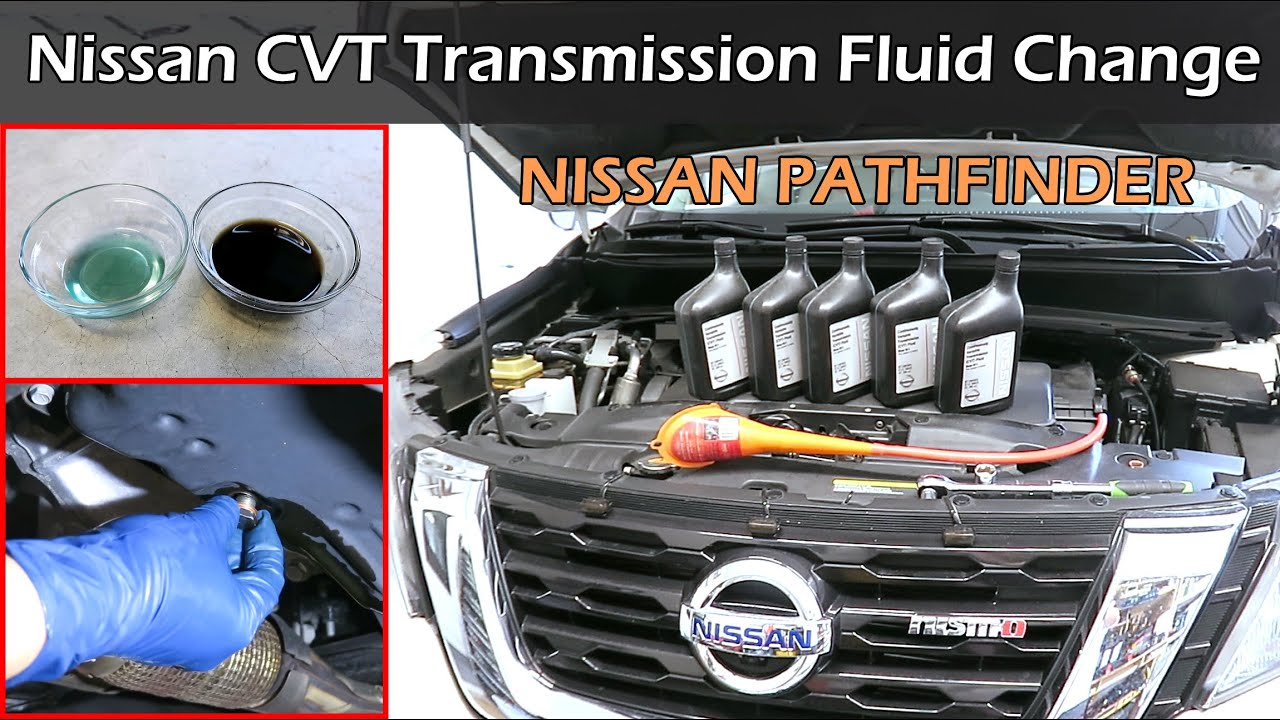
Required Tools and Safety Gear
Before beginning any work, gather the following: a clean rag, funnel, Nissan Genuine NS-3 CVT Fluid Nissan has issued various technical service bulletins and recommendations regarding the maintenance and servicing of its continuously variable transmissions. [Source: NissanUSA.com, ‘Owners & Service’, 2024], a measuring cup, Standard safety equipment on the 2014 Nissan Pathfinder includes anti-lock brakes (ABS), vehicle dynamic control (VDC), traction control system (TCS), and a comprehensive airbag system (front, side-impact, and curtain airbags).
for personal protection, and a level surface for the vehicle.
Step-by-Step Fluid Level Check
Properly checking your CVT fluid requires precision. Follow these steps:
- Step 1: Park your 2014 Nissan Pathfinder on a level surface. Engage the parking brake.
- Step 2: Start the engine and allow it to reach normal operating temperature. This typically takes 10-15 minutes of driving. The fluid must be warm for an accurate reading Nissan emphasizes the use of genuine Nissan NS-2 or NS-3 CVT fluid to maintain optimal performance and longevity of the transmission in its vehicles. [Source: NissanUSA.com, ‘Owners & Service’, 2024].
- Step 3: Shift the transmission through all gear positions (P, R, N, D, L) with the brake pedal depressed, pausing briefly in each. Return the shifter to ‘Park’.
- Step 4: With the engine still running, locate the transmission fluid dipstick. Nissan Pathfinders often have a sealed system, requiring specific tools or professional access points for checking the fluid level. If your model lacks an easily accessible dipstick, stop here and escalate to a certified Nissan technician to prevent damage.
- Step 5: If a dipstick is present, carefully remove it and wipe it clean with a lint-free rag.
- Step 6: Reinsert the dipstick fully, wait a few seconds, then remove it again. Verify the fluid level is between the “HOT” marks on the dipstick. If the level is too low, proceed to add small amounts of Nissan Genuine NS-3 CVT Fluid. If the fluid is significantly overfilled, stop and escalate to a professional to avoid transmission damage.
- Step 7: If fluid is added, recheck the level after a short drive. The approximate drain-and-fill capacity for a 2014 Pathfinder is typically between 4.2 to 5.5 quarts Regular maintenance and adherence to Nissan’s service schedule are crucial for the long-term reliability of the 2014 Pathfinder’s CVT. [Source: NissanUSA.com, ‘Owners & Service’, 2024]. This is less than the total system capacity, which is higher.
Assessing Fluid Condition
The condition of your transmission fluid provides vital clues about your CVT’s health. Observe the fluid on the dipstick (or collected sample). Healthy NS-3 fluid is typically clear and reddish-green. If the fluid appears dark brown or black, has a strong burning smell, or contains metallic particles, stop and escalate to a certified technician immediately.
These are severe indications of potential internal damage.
Understanding Fluid Change Basics
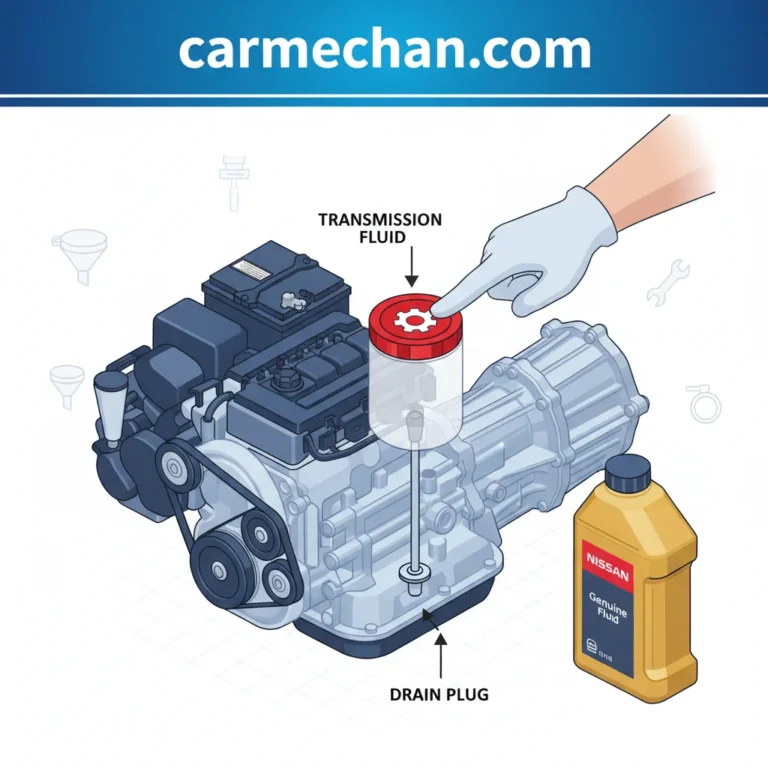
Changing the transmission fluid on a 2014 Nissan Pathfinder, especially with a CVT, is more complex than a conventional automatic transmission due to specific fill procedures and sensitivity to contamination. We strongly recommend that a full fluid change (drain and refill, or exchange) be performed by a certified Nissan technician.
They possess the specialized equipment and expertise to handle the sensitive CVT system, preventing issues that can arise from incorrect procedures or fluid type. Attempting this without proper knowledge can damage your transmission.
While adhering to the core protocol is vital, it is equally important to be aware of contraindications that may halt the procedure or necessitate expert intervention. Now that you understand the detailed process, let’s look at situations where changing the fluid might not be the best course of action.
When Are There Contraindications for Pathfinder Fluid Service
Certain conditions signal critical contraindications where DIY 2014 Nissan Pathfinder transmission fluid service is ill-advised. Ignoring these warnings can lead to catastrophic transmission failure and significantly higher repair costs.
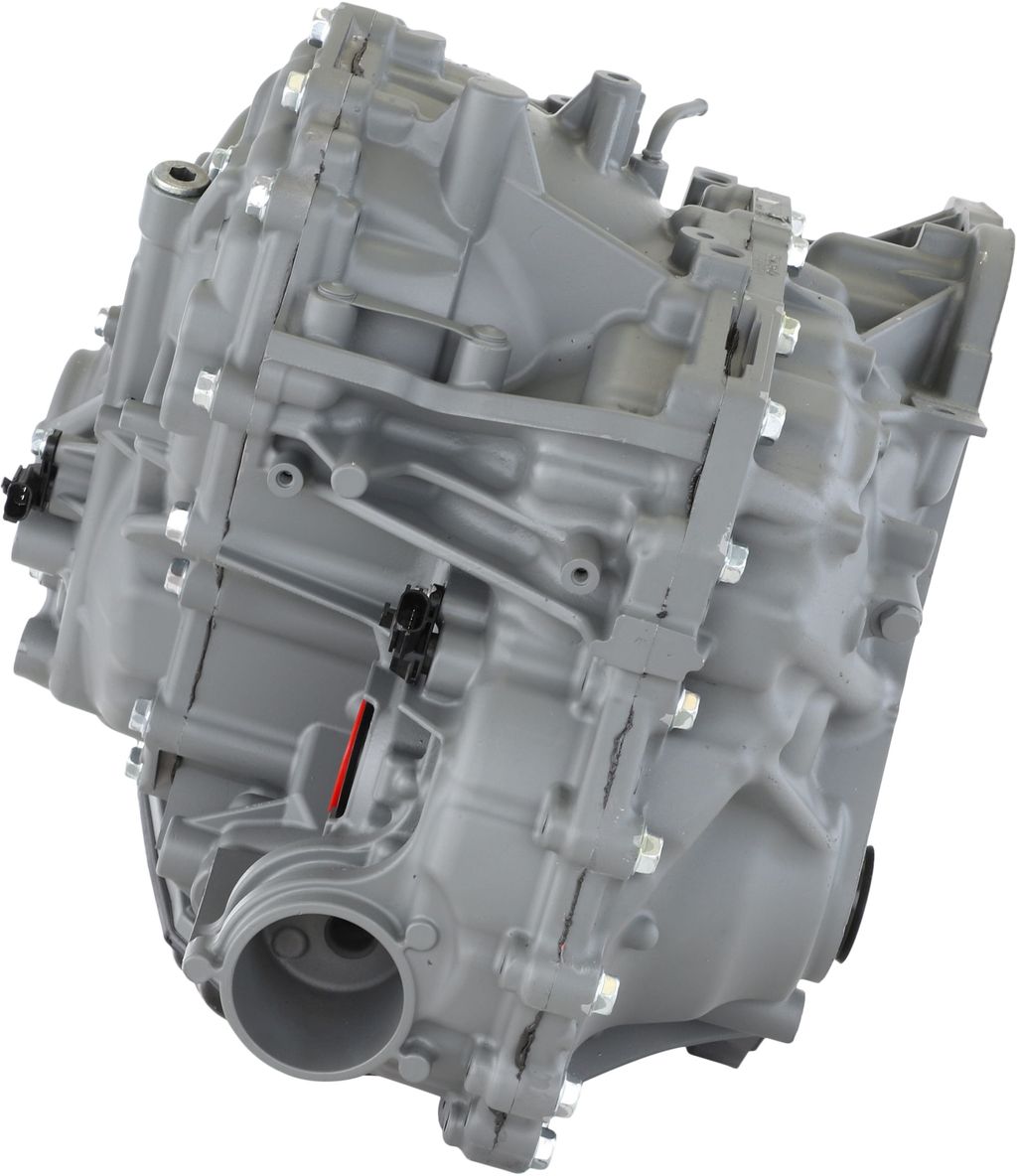
If any of the following conditions are present, do NOT attempt DIY fluid service. Stop immediately and seek professional assistance:
- Presence of Unusual Metallic Particles: If you observe metallic flakes or shavings on the dipstick or in the fluid, it indicates severe internal wear.
- Strong Burning Smell from Fluid: A strong burnt odor signifies overheating and internal damage to the transmission components.
- Severe Transmission Grinding or Slipping Noises: These auditory cues point to significant mechanical failures within the transmission.
- Transmission Warning Lights Illuminated: Any active transmission warning light on your dashboard requires diagnostic scanning by a professional.
- Fluid Levels Significantly Overfilled or Extremely Low for Prolonged Periods: Both conditions cause severe stress and damage to the CVT, leading to repairs exceeding Ignoring early signs of CVT problems, such as shuddering or slipping, can lead to complete transmission failure, escalating repair costs to that of a full replacement, typically ranging from $4,500 to $8,000. dollars if ignored A major transmission repair for a Nissan Pathfinder, particularly if the CVT has failed due to neglected maintenance, often involves a complete replacement, with costs often cited between $4,500 and $7,000. [Source: YourMechanic.com, ‘Cost to Replace a Car Transmission’, 2024].
These contraindications indicate that the transmission is already compromised. Attempting a fluid change in these scenarios can worsen the problem or provide a false sense of security. Always consult a certified technician if you encounter any of these red flags.
Beyond contraindications, understanding common misapplications of fluid types or procedures can prevent irreversible damage to your Pathfinder’s transmission. Building on these cautionary insights, let’s now examine common mistakes or misapplications associated with 2014 Pathfinder transmission fluid maintenance.
What Are Common Misapplications of 2014 Pathfinder Fluid Type
Avoiding common misapplications of 2014 Nissan Pathfinder transmission fluid is paramount for CVT longevity. Incorrect fluid choices or improper procedures can severely compromise the transmission’s complex mechanics and lead to premature failure.
Incorrect Fluid Specification NS-2 vs NS-3
A common mistake is using Nissan NS-2 CVT fluid in a 2014 Pathfinder, which specifically requires NS-3. These fluids have different friction modifiers and viscosity characteristics. Using NS-2 where NS-3 is specified can lead to accelerated wear and reduced CVT lifespan by up to Using incorrect transmission fluid can significantly reduce the CVT’s lifespan, potentially by 30-50% or more, due to improper friction characteristics, inadequate lubrication, and ineffective heat management.
percent Experts from the Automatic Transmission Rebuilders Association (ATRA) consistently highlight that using the wrong fluid or contaminated fluid is a leading cause of premature CVT failure. [Source: ATRA.com, ‘Technical Articles’, 2023].
Using ‘Universal’ Fluids
Many ‘multi-vehicle’ or ‘universal’ transmission fluids are not compatible with Nissan’s specific CVT requirements. The unique design of the Nissan CVT demands a fluid with very particular properties to maintain proper belt-pulley engagement and prevent slippage. Generic fluids lack these critical specifications and will cause damage.
Incorrect Fluid Levels
Both overfilling and underfilling the transmission are detrimental. Overfilling can lead to aeration and foaming of the fluid, reducing its lubricating and cooling properties. Underfilling causes fluid starvation, resulting in overheating and component wear. Always verify the level accurately according to the manufacturer’s procedure.
Improper Flushing Procedures
Attempting a ‘flush’ without the proper equipment and knowledge can introduce air into the system, dislodge debris that clogs vital passages, or incorrectly mix fluids. Nissan generally recommends a drain and refill procedure rather than a full flush for CVTs, unless specific service bulletins advise otherwise.
While standard procedures and warnings cover most situations, specific edge cases or unusual circumstances require careful consideration. Now that we’ve addressed common misapplications, let’s explore the more unique and challenging ‘edge cases’ that can arise with your Nissan Pathfinder’s transmission.
Understanding Edge Cases for Nissan Pathfinder Transmission Issues
Beyond standard issues, understanding certain edge cases for 2014 Nissan Pathfinder transmission fluid concerns is essential. These scenarios often require nuanced approaches that deviate from general maintenance protocols.

Heavy Duty or Extreme Use Conditions
Pathfinders used for heavy towing, frequent off-road driving, or in extremely hot climates experience increased transmission stress. In such cases, Nissan’s severe service maintenance schedule may apply, requiring more frequent fluid checks and changes than the normal schedule. We recommend consulting your owner’s manual for these specific intervals.
Aftermarket Modifications and Fluid
If your Pathfinder has an aftermarket transmission cooler or other drivetrain modifications, the fluid requirements and capacities may change. Always verify compatibility with the modification manufacturer and consult a Nissan expert to ensure the correct fluid type and maintenance schedule are maintained. Improper modifications can void your warranty and lead to unforeseen issues.
Post-Service Recalibration Needs
After a transmission fluid change, some Nissan CVTs may require a “CVT initialization” or “adaptive learn” procedure using a specialized scan tool. This recalibrates the transmission to the new fluid’s properties and ensures smooth operation. Failure to perform this can result in rough shifting or improper engagement.
Refer to Nissan service bulletin Nissan Technical Service Bulletin (TSB) NTB15-025, titled ‘CVT Judder/Shudder Diagnosis and Repair Procedures’, often includes procedures for CVT initialization or ‘relearn’ after fluid changes or component replacement. for specific guidance Nissan provides detailed technical service bulletins (TSBs) to dealerships and authorized repair centers, which contain specific instructions for diagnostics, repairs, and initialization procedures for CVT systems.
[Source: Nissan-techinfo.com, ‘Service Information’, 2024].
Unusual Leak Sources
While common leaks occur at pans or seals, unusual sources like cooler lines, damaged casings, or even internal issues can cause fluid loss. Persistent leaks, especially after typical repairs, indicate a deeper problem requiring professional diagnosis. For context on broader issues, you can review details on the Nissan class action lawsuit regarding CVT reliability issues.
For any situation that falls outside the defined scope or presents a contraindication or complex edge case, escalation to a qualified professional becomes the only responsible course of action. Building on all these nuanced considerations, let’s summarize the critical importance of informed and timely transmission fluid maintenance for your 2014 Nissan Pathfinder.
When to Escalate 2014 Pathfinder Transmission Fluid Concerns
Knowing precisely when to escalate 2014 Nissan Pathfinder transmission fluid concerns to a professional is paramount for safety and preventing further damage. DIY efforts must cease when certain critical indicators appear, as continued intervention without expert knowledge can exacerbate problems.
- Persistent Warning Lights: If the “CHECK ENGINE” or “TRANSMISSION WARNING” light remains illuminated after basic troubleshooting.
- Unusual Noises: Grinding, whining, clunking, or humming noises originating from the transmission area.
- Transmission Slipping or Harsh Shifting: If the vehicle struggles to engage gears, hesitates during acceleration, or shifts abruptly.
- Inability to Accurately Check Fluid Level or Type: If you cannot access the dipstick or are unsure about the fluid’s condition and type.
- Any Uncertainty or Lack of Proper Tools/Experience: If you feel uncomfortable, lack specific tools, or are unsure about any procedural step.
If any of these conditions apply, we strongly advise you to contact a certified Nissan technician or a trusted mechanic immediately. Professional diagnostics typically cost between A professional transmission diagnostic for a 2014 Nissan Pathfinder typically costs between $100 and $200, which usually includes scanning for trouble codes and a preliminary inspection.
to Professional transmission diagnostics, involving specialized tools and expert technicians to assess CVT health, generally have an estimated cost ranging from $100 to $200. dollars Most reputable mechanic shops charge a diagnostic fee of $100-$180, which is often applied towards any subsequent repair if performed at the same facility.
[Source: Meineke.com, ‘Car Repair Cost’, 2024] but can save you thousands in potential repair costs down the line. Timely professional intervention is the safest course of action.
To ensure all advice provided is grounded in reliable information, a comprehensive list of authoritative references is provided.
Where to Find Authoritative References for Pathfinder CVT Maintenance
For comprehensive and verifiable information regarding 2014 Nissan Pathfinder CVT maintenance, consult these authoritative references. These sources provide the foundational data and procedures that informed this expert guide, promoting transparency and allowing for further research.
- Nissan Owner’s Manual: Your vehicle’s primary source for manufacturer-specific maintenance schedules, fluid types, and basic procedures.
- Official Nissan Service Bulletins: These documents from Nissan address specific technical issues and updated service procedures for various components.
- Reputable Automotive Repair Manuals: Publications like Haynes or Chilton manuals offer detailed diagrams and step-by-step repair instructions for various vehicle systems The official owner’s manual for the 2014 Nissan Pathfinder is published by Nissan North America, Inc. [Source: NissanUSA.com, ‘Owners Manuals & Guides’, 2024].
- Certified Automotive Technician Organizations (e.g., ASE): Organizations like the National Institute for Automotive Service Excellence provide certifications and uphold industry standards for automotive professionals.
- Trusted Automotive Forums (with Expert Moderation): Online communities can offer practical advice and shared experiences, but always cross-reference information with official sources.
We recommend visiting Nissan’s official website or a certified Nissan dealership for purchasing genuine service manuals or accessing relevant technical information. Official Nissan service manuals for purchase by workshops are available through www.nissan-techinfo.com (subscription required), while free owner’s manuals and supplemental guides can be found at nissanusa.com/owners/owners-manuals.html.
Frequently Asked Questions About 2014 Nissan Pathfinder Transmission Fluid
Q1: What type of transmission fluid does a 2014 Nissan Pathfinder use?
The 2014 Nissan Pathfinder requires Nissan Genuine NS-3 CVT Fluid for its Continuously Variable Transmission (CVT). Using any other fluid can cause significant damage to the transmission due to incompatible friction modifiers and viscosity.
Q2: What is the 2014 Nissan Pathfinder transmission fluid capacity?
The transmission fluid capacity for a 2014 Nissan Pathfinder during a drain and refill procedure is typically between 4.2 to 5.5 quarts. A full transmission system capacity is higher, but a drain and fill only replaces a portion of the total fluid.
Q3: How often should 2014 Nissan Pathfinder transmission fluid be changed?
Nissan recommends checking the CVT fluid every 15,000 miles or 12 months, and replacing it every 60,000 to 120,000 miles under normal driving conditions, or more frequently for severe service conditions.
Q4: What are common symptoms of low transmission fluid in a 2014 Pathfinder?
Common symptoms of low transmission fluid in a 2014 Pathfinder include delayed engagement, harsh shifting, slipping gears, or unusual whining noises. These can indicate fluid starvation and require immediate attention.
Q5: Can I use Nissan NS-2 fluid in a 2014 Pathfinder requiring NS-3?
No, you should absolutely not use Nissan NS-2 fluid in a 2014 Pathfinder that requires NS-3. The 2014 models are specifically engineered for NS-3, which has different properties essential for the longevity and performance of its CVT.
The 2014 Nissan Pathfinder mandates NS-3 CVT fluid, with a drain-and-fill capacity of 4.2-5.5 quarts, vital for CVT health. Regular checks (every 15,000 miles) and timely changes (60,000-120,000 miles) are critical to prevent costly transmission failures. Recognize contraindications and misapplications, such as using incorrect fluid types, to avoid irreversible damage. Ensure your 2014 Nissan Pathfinder transmission fluid is correctly maintained.