Why Do I Smell Gas In My Car When The Ac Is On Why Do 2026
Last Updated on September 1, 2026 by Ryan


When you smell gas in your car with the AC on, it typically indicates a fuel system leak or an issue with the evaporative emissions system (EVAP), where gasoline vapors are drawn into the cabin through the AC’s ventilation system. This requires immediate investigation due to safety concerns.
When you ask, ‘why do I smell gas in my car when the AC is on,’ you’re pinpointing a serious issue that demands attention, as it often signals a fault within your vehicle’s fuel or exhaust system. This unsettling odor, particularly noticeable with the air conditioning running, suggests that gasoline vapors are being drawn directly into your car’s cabin.
The AC system actively pulls air from outside, and if there’s a fuel leak or evaporation issue nearby, those fumes can easily infiltrate your vehicle’s interior. We will detail the most common culprits behind this unsettling smell, helping you understand where to start looking.
Key Takeaways
- Gas smell with AC signals a fuel system issue.
- AC draws external air, making fuel odors noticeable.
- Fuel leaks pose serious health and fire risks.
- Basic visual checks can help pinpoint the source.
- Professional diagnosis is crucial for complex problems.
7 Specific Causes for a Gas Smell With Your AC On
Understanding why your car smells like gas when the AC is on begins with identifying the specific components that could be leaking or malfunctioning. The AC system’s fan can pull outside air, including fuel vapors, directly into the cabin, making leaks more apparent.

Damaged Fuel Lines
Fuel lines, often made of rubber or metal, can corrode, crack, or become loose over time, particularly in older vehicles. Leaks here spray or drip fuel, which can vaporize quickly in a hot engine bay. The AC then draws these fumes into your vehicle.
- Symptoms: Visible wet spots under the car, strong gasoline odor outside the vehicle, reduced fuel efficiency.
Faulty Fuel Injectors
Fuel injectors deliver gasoline to the engine cylinders. If their O-rings or seals fail, or the injector body cracks, fuel can leak onto the hot engine. This immediate vaporization sends gas fumes into the air intake for the AC system.
- Symptoms: Engine misfires, rough idle, poor fuel economy, visual wetness around the injectors.
EVAP System Leaks
The Evaporative Emission Control (EVAP) system captures fuel vapors and stores them in a charcoal canister before burning them in the engine. Leaks in the EVAP lines, valves (like the purge valve), or the canister itself allow these vapors to escape. The AC system easily pulls these escaping vapors into the cabin.
- Symptoms: Check Engine Light (often with EVAP-specific codes), difficulty filling the gas tank, a persistent gas smell near the rear of the car.
Overfilled Charcoal Canister
The charcoal canister within the EVAP system absorbs fuel vapors. If you routinely overfill your gas tank, liquid fuel can enter and saturate the canister, rendering it ineffective. This causes excess fuel vapors to vent into the atmosphere, which the AC can then pick up.
- Symptoms: Strong gas smell, especially after refueling, sometimes a Check Engine Light.
Exhaust System Cracks
While not a direct fuel leak, cracks in your exhaust manifold or pipes can allow exhaust fumes, which sometimes contain unburnt fuel or rich-mixture smells, to escape under the hood. The AC can then pull these into the cabin, mimicking a gas smell. You might want to get an engine bay inspection for these types of leaks.
- Symptoms: Louder engine noise, visible smoke from the engine bay, strange smell (sometimes metallic, sometimes fuel-like).
Loose Gas Cap
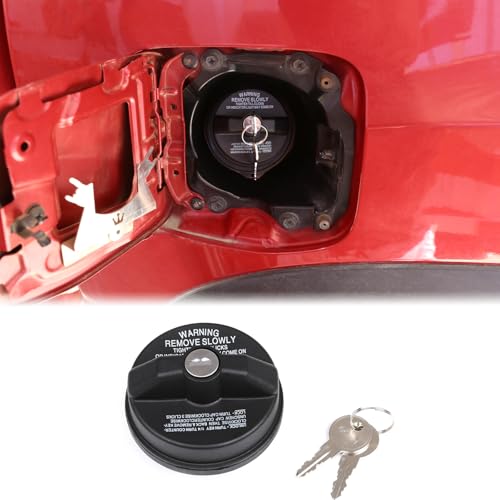
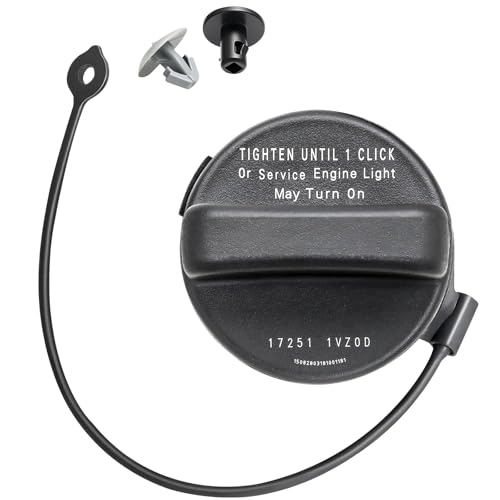
A simple yet common cause is a loose, damaged, or missing gas cap. This directly allows fuel vapors from the fuel tank to escape into the atmosphere. The AC, drawing air from outside the vehicle, can easily suck these vapors into the cabin.
- Symptoms: Check Engine Light (often P0440, P0442, or P0457 codes), gas smell near the fuel filler neck.
Accidental Fuel Spills
Sometimes, the smell isn’t from a leak but from a recent fuel spill during refueling or maintenance. Gasoline can splash onto the car’s exterior, chassis, or even engine components. The AC then circulates these lingering fumes. Our guide on automotive fluid leaks offers more details.
- Symptoms: Strong but often temporary gas smell, visible residue if recent.
While identifying the cause is the first step, understanding the gravity of these issues is paramount for your safety and that of your passengers.
How Dangerous Is a Gas Smell While Driving
A gas smell inside your car is not just unpleasant; it signals a potential danger that could compromise your health and safety. Ignoring it can lead to serious consequences in 2026.
Immediate Health Concerns
Inhaling gasoline fumes, even in low concentrations, can cause headaches, dizziness, nausea, and disorientation. Prolonged exposure or higher concentrations can lead to more severe respiratory problems, nervous system effects, and even loss of consciousness.
Fire Explosion Risk
Perhaps the most critical danger of a fuel leak is the risk of fire or explosion. Gasoline is highly flammable, and even a small spark from electrical components, hot exhaust parts, or static electricity can ignite spilled fuel or concentrated vapors.
Environmental Contamination
Beyond personal safety, a leaking fuel system contributes to environmental pollution. Gasoline contains harmful chemicals that can contaminate soil and groundwater, impacting ecosystems and potentially human health in the long term.
Urgent Action Needed
Due to the health risks and the significant fire hazard, any persistent gas smell in your car, especially when the AC is on, demands immediate attention. Do not delay diagnosis and repair. Pull over safely, turn off the engine, and investigate the source cautiously.


Given these serious risks, accurately pinpointing the source of the fuel odor becomes an immediate priority.
How to Locate Fuel Leak Sources in 5 Steps
To effectively address the gas smell in your car when the AC is on, a systematic approach to diagnosis can help identify the source safely. Always ensure you are in a well-ventilated area and the engine is cool before attempting any inspection.

Perform Visual Inspection
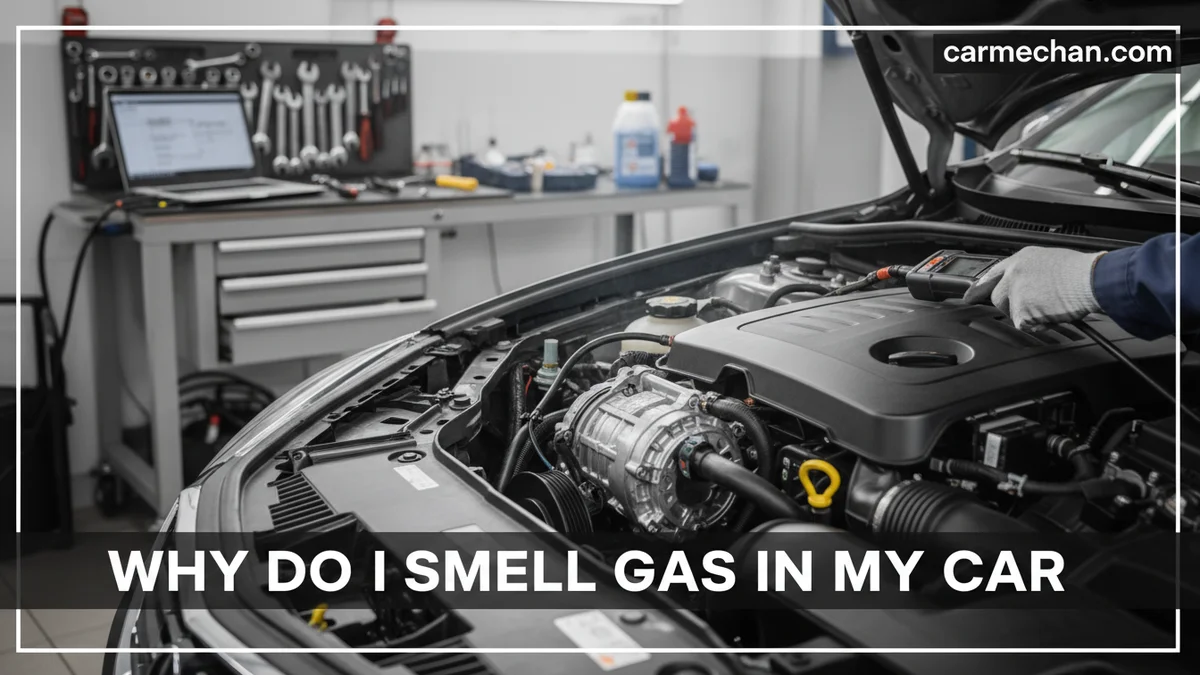
Start by visually inspecting the engine bay for any signs of wetness, drips, or discoloration that could indicate a fuel leak. Look around fuel lines, injectors, and the fuel filter. Check for any cracked or corroded components. Use a flashlight for better visibility.
Check Under Your Car
Park your car on a clean, dry surface, allow it to sit for a while, and then check for any puddles or drips underneath. Pay close attention to the areas beneath the engine, fuel tank, and fuel lines. Even a small damp spot can indicate a leak.
Listen for Hissing
With the engine off and the car cool, listen carefully for any hissing sounds, which could indicate a pressurized fuel leak or a vacuum leak in the EVAP system. Sometimes, a leaking fuel injector might produce a faint ticking or sizzling sound.
Use Your Sense
While exercising extreme caution, try to pinpoint the strongest concentration of the gas smell. Work your way around the vehicle, including the engine bay, under the car, and near the fuel tank. This can help narrow down the general area of the leak without direct contact.
Professional Diagnostic Scan
If you cannot locate the source through visual or sensory checks, a professional diagnostic scan can be invaluable. Modern vehicles store trouble codes related to EVAP system leaks or fuel delivery issues, which a mechanic can retrieve using specialized equipment.
Once you have conducted these initial checks, or if the smell persists without a clear source, deciding on the next course of action is critical.
When to Get Professional Help for Fuel Odor
Deciding whether to tackle the gas smell yourself or seek professional assistance depends on the identified issue, your mechanical skill, and the perceived risk. We prioritize safety above all else.
DIY Repair Options
Some minor issues, like a loose gas cap, can be easily resolved yourself. If you identify a small, accessible crack in a rubber fuel line, temporary repairs might be possible for transport, but a permanent, professional fix is always recommended. For more complex issues like EVAP leaks, DIY efforts are generally not advised due to the specialized tools and knowledge required.
When to Tow Vehicle
If the gas smell is strong, persistent, or accompanied by visible fuel leaks, engine performance issues, or a Check Engine Light specifically related to the fuel system, do not drive the car. Driving with an active fuel leak is a severe fire hazard. Arrange for a tow to a trusted mechanic immediately.
Expected Repair Costs
Repair costs for a gas smell can vary widely. A new gas cap might cost $10-$30. Fuel line replacements can range from $150-$500, depending on accessibility and line material. EVAP system repairs, such as replacing a purge valve or charcoal canister, can cost $200-$1,000 or more, including diagnosis and parts.
Fuel injector replacements might run $400-$1,200 per injector or set.
Preventative Measures
Regular car maintenance schedules can help prevent fuel system issues. Ensure your gas cap is always tightened properly. Avoid habitually overfilling your fuel tank, as this can damage the EVAP system’s charcoal canister. Periodically inspect your fuel lines for signs of wear or corrosion, especially in older vehicles. Address any Check Engine Lights promptly to avoid escalating problems.
By taking proactive steps and understanding when to call in the experts, you can effectively manage a gas smell in your car, ensuring your vehicle remains safe and reliable.
Frequently Asked Questions About Gas Smell
Why Does My Car Smell Like Gas Only When the AC Is On?
The AC system draws air from outside, often near the engine bay. If there’s a fuel leak or vapor issue in that area, the AC fan pulls the gasoline smell directly into your cabin, making it more noticeable than when the AC is off.
Is It Safe to Drive My Car If I Smell Gas With the AC On?
No, it is generally not safe to drive your car if you smell gas, especially when the AC is on. A persistent gas smell indicates a potential fuel leak, which poses serious risks of fire, explosion, or health hazards from inhaling fumes. Investigate immediately.
What Are the Most Common Causes of Gas Smell When the AC Is Running?

The most common causes include leaks in fuel lines, faulty fuel injectors, issues with the EVAP (Evaporative Emission Control) system like a cracked charcoal canister or purge valve, a loose or damaged gas cap, or even residual fuel spills in the engine bay.
Can a Faulty Gas Cap Cause a Gas Smell When the AC Is On?
Yes, a faulty or loose gas cap can definitely cause a gas smell. If the cap isn’t sealing properly, fuel vapors can escape. The AC system can then draw these vapors into the cabin, making the smell noticeable even if the leak source isn’t directly in the engine bay.
How Quickly Should I Get a Gas Smell With AC on Checked by a Mechanic?
You should get a gas smell with AC on checked by a mechanic as quickly as possible, ideally immediately. Fuel leaks are a serious safety concern and should not be ignored. Prompt diagnosis and repair can prevent dangerous situations and more costly damage.
Resolving Your Car’s Gas Odor
The presence of a gas smell in your car when the AC is on is a clear indicator of a problem demanding your attention. We have explored the primary reasons this occurs, from failing fuel lines to EVAP system malfunctions, and emphasized the crucial role the AC plays in making these odors noticeable.
Our discussion also highlighted the significant health and fire risks associated with fuel leaks, reinforcing why immediate action is essential for your safety in 2026.
While some minor issues might be within reach for a cautious DIY enthusiast, we strongly advise professional help for anything beyond the simplest fix. Prioritize your safety by diagnosing the problem promptly or seeking professional help without delay.