Subaru Ascent TPMS Reset Button Location & Systems Guide
Last Updated on September 1, 2026 by Ryan
📋 Table of Contents
- 🎯 Key Takeaways
- Understanding the Subaru Ascent TPMS Monitoring System
- Everything You Need to Know About Subaru Ascent TPMS Resets
- Factors That Trigger the Tire Pressure Warning Light
- Comparing Physical Reset Buttons vs. Digital Menu Calibration
- Expert Maintenance Tips for Subaru Tire Pressure Sensors
- Conclusion
- 💬 Quick Questions & Answers
- ❓ Frequently Asked Questions
The Subaru Ascent does not typically feature a physical TPMS reset button like older vehicle models. Instead, the system automatically recalibrates after driving or requires menu navigation via the steering wheel controls or infotainment screen.
🎯 Key Takeaways
- Most Ascent models use an automatic sensor relearning system.
- Check the multi-information display for real-time tire pressure readings.
- Ensure tires are cold before adjusting pressure for accuracy.
- Correct PSI levels are found on the driver-side door jamb.
- Persistent lights may indicate a failing sensor battery or damage.


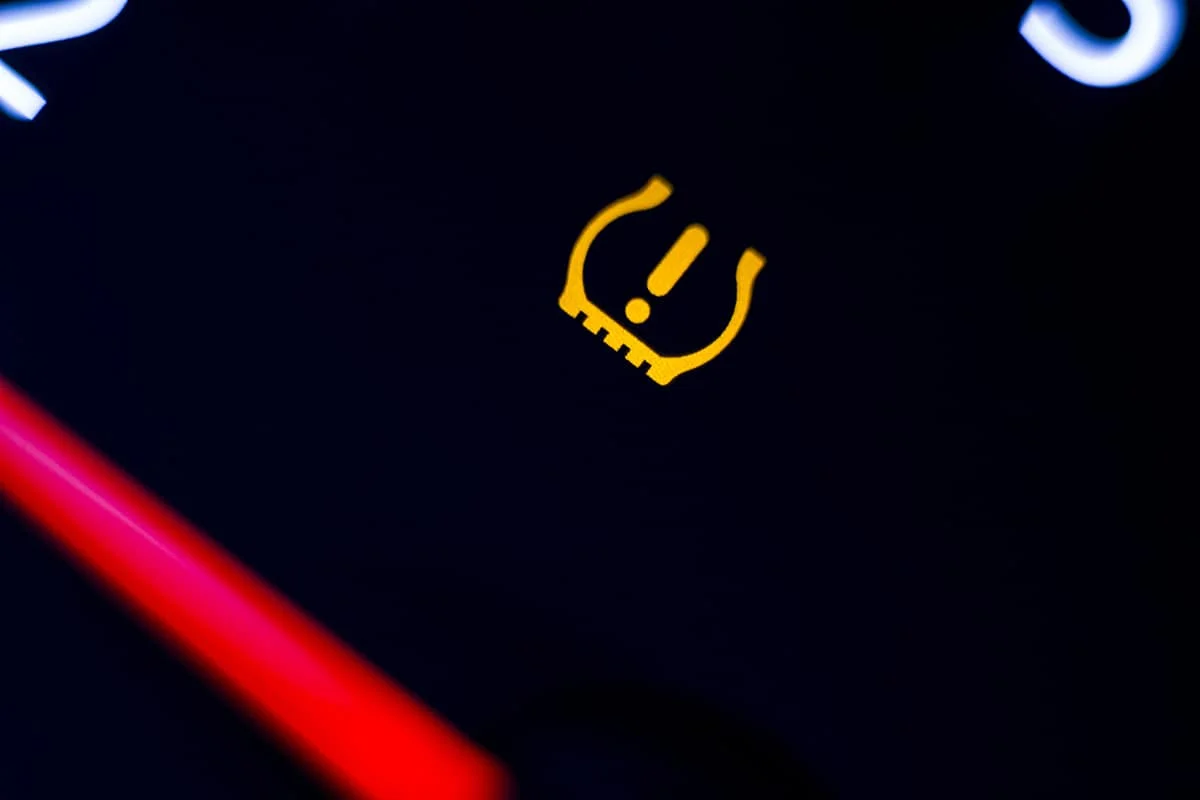
Have you ever been cruising down the highway in your Subaru Ascent when a glowing orange horseshoe suddenly appears on your dashboard? It is a common sight for many drivers, yet it still causes a momentary flash of panic. This little icon is your Tire Pressure Monitoring System (TPMS) alert. It is designed to keep you safe, but it often feels like a mystery when it pops up unexpectedly. Understanding what this light is trying to tell you is the first step toward a smoother, safer ride in your family SUV.
Maintaining the right tire pressure is not just about turning off a pesky dashboard light. It is about your safety, your fuel economy, and the overall lifespan of your tires. A properly monitored system ensures that your Subaru Ascent handles exactly how the engineers intended, especially when you are hauling a full load of passengers or gear. In this guide, we will dive deep into how this specific system works. We will also explore the common reasons why that light might be bothering you in the first place.
Understanding the Subaru Ascent TPMS Monitoring System
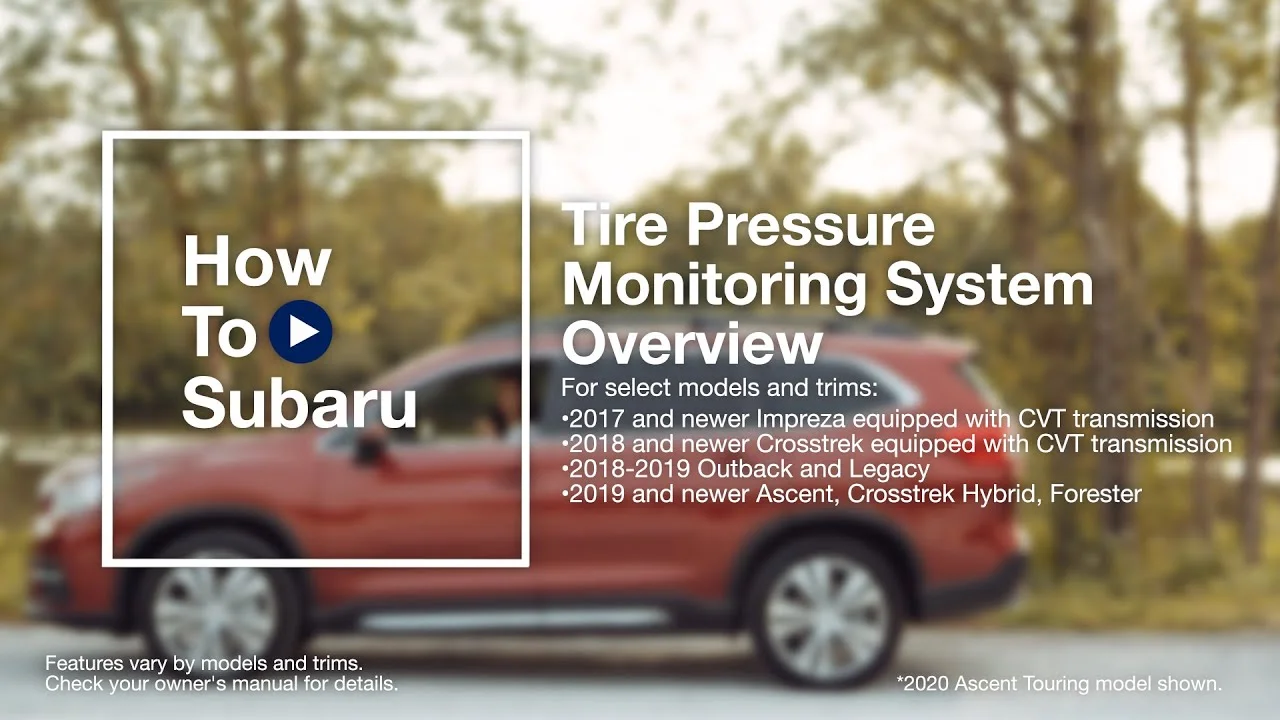
The Subaru Ascent is a modern marvel of safety technology, and its TPMS is a big part of that. Unlike older cars that used basic math to guess if a tire was low, the Ascent uses a sophisticated “Direct” system. This means that your vehicle is constantly communicating with the air inside your tires. It is a proactive way to keep you informed about the health of your wheels without you ever having to pull out a manual gauge in the rain.
How Direct TPMS Works in Your Subaru
In your Subaru Ascent, there is a physical sensor attached to the inside of each wheel’s valve stem. These sensors act like tiny weather stations located inside your tires. They measure the exact air pressure and temperature in real-time. Once they collect this data, they beam it wirelessly to your car’s central computer. This method is incredibly accurate. It allows the car to know the exact pressure of every single tire, rather than just guessing based on how fast the wheels are spinning. This direct feedback loop is essential for a heavy, all-wheel-drive vehicle like the Ascent.
The Multi-Information Display (MID)
One of the best features of the Subaru Ascent is the detailed feedback it provides to the driver. You do not have to guess which tire is causing the problem. By using the buttons on your steering wheel, you can scroll through the Multi-Information Display (MID) located right in the center of your gauge cluster. This screen will show you a graphic of your car with the specific PSI for every individual corner. This transparency helps you spot a slow leak before it becomes a flat tire. It also helps you see how your pressure changes as your tires naturally warm up during a long highway trip.
- Radio Frequency Sensors: Each wheel uses a battery-powered sensor to send data.
- Real-Time Updates: The system refreshes data almost instantly as you drive.
- Safety Thresholds: The light usually triggers when pressure drops 25% below the recommended level.
- Individual Monitoring: Each tire is tracked separately for maximum precision.
Everything You Need to Know About Subaru Ascent TPMS Resets
If you are searching for a physical reset button for the Tire Pressure Monitoring System (TPMS) in your Subaru Ascent, you might find yourself looking for quite a while. Unlike older vehicles or other manufacturers that utilize a simple button under the dashboard or inside the glove box, the Subaru Ascent utilizes a sophisticated, automatic re-learning system integrated into the vehicle’s onboard computer. This guide will walk you through the precise steps to clear that annoying dashboard light, verify your tire pressures, and understand how the digital “reset” process works within the Subaru ecosystem. Following these steps ensures your safety, maximizes fuel efficiency, and prevents unnecessary trips to the dealership for a simple sensor calibration.
Step 1: Verify Cold Tire Pressure Specifications
What you need: A high-quality digital tire pressure gauge and the tire information placard located on the driver’s side B-pillar (door jamb).
Instructions: Before attempting to reset any digital systems, you must ensure the physical air pressure is correct. Open the driver’s door and look for the white and red “Tire and Loading Information” sticker. For a standard Subaru Ascent, the recommended pressure is typically 33 PSI for the front and 32 PSI for the rear, though this can vary based on your specific trim and wheel size. Use your gauge to check the pressure while the tires are “cold,” meaning the car has been parked for at least three hours or driven less than a mile. If the pressures are off by even 2-3 PSI, the system will keep the warning light active despite your best efforts to reset it.
Pro Tip: Never use the “Max Pressure” listed on the tire sidewall itself; that number indicates the maximum pressure the tire can hold under load, not the optimal pressure for your Ascent’s handling and sensor calibration.
Step 2: Accessing the Multi-Information Display (MID)
What you need: The vehicle ignition set to “ON” (engine running or in accessory mode) and your hands on the steering wheel controls.
Instructions: Sit in the driver’s seat and locate the three-toggle switch typically found on the lower-left side of the steering wheel hub (the “i/Set” buttons). These buttons allow you to communicate with the Multi-Information Display located between the tachometer and speedometer. Pull the middle “i/Set” switch toward you to cycle through the various screens until you reach the digital tire pressure monitoring screen. On the Ascent, this screen usually shows a bird’s-eye view of the car with four individual pressure readings. If the screen shows dashes (–) instead of numbers, it means the vehicle needs to be in motion to register the current sensor data.
Pro Tip: If you cannot find the screen, ensure you are not in a sub-menu like “Settings” or “Maintenance.” Keep pulling the “i/Set” trigger until the display returns to the main information loop.
Step 3: Initiating the Automatic Re-Learn Drive Cycle
What you need: A clear stretch of road where you can maintain a steady speed for several minutes.
Instructions: Since there is no physical button to press, the “reset” occurs through a specific drive cycle. Once you have confirmed that all four tires (and sometimes the spare, depending on the year) are inflated to the exact door-jamb specifications, you must drive the vehicle. To trigger the TPMS sensors to transmit new data to the Ascent’s Electronic Control Unit (ECU), drive at a speed of at least 20 MPH (32 km/h) for a minimum of 10 to 15 minutes. During this time, the ECU “pings” the sensors in each wheel. If the pressures are consistent and within the factory-defined threshold, the TPMS warning light will extinguish automatically without any further input.
Pro Tip: Stop-and-go city traffic can sometimes delay the reset. A steady cruise on a highway or suburban road is the most effective way to complete the re-learning process quickly.
Step 4: Troubleshooting the Blinking vs. Solid Light
What you need: Observation skills and a moment to watch the dashboard light behavior upon starting the car.
Instructions: It is critical to distinguish between a solid light and a blinking light. A solid TPMS icon (an exclamation point inside a horseshoe) indicates that at least one tire is under-inflated. A light that flashes for 60 to 90 seconds when you start the car and then stays solid indicates a system malfunction—usually a dead battery in one of the wheel sensors or a failed TPMS module. If your light is blinking, the driving reset method in Step 3 likely will not work. In this scenario, the “reset” requires an OBDII diagnostic tool to identify which specific sensor has stopped communicating with the vehicle’s computer.
Pro Tip: TPMS sensor batteries typically last 7 to 10 years. If your Ascent is approaching this age, a blinking light almost always points to a sensor battery reaching the end of its life.
Step 5: Adjusting for Seasonal Temperature Fluctuations
What you need: An air compressor (portable or at a gas station) during the first cold snap of autumn or winter.
Instructions: Subaru owners often find the TPMS light triggers on the first cold morning of the year. This is due to basic physics: for every 10-degree drop in temperature, tire pressure drops by approximately 1 PSI. If your tires were already on the lower edge of the threshold, the cold air will pull them low enough to trigger the sensor. To “reset” the light in this case, over-inflate the tires by 2-3 PSI above the door placard recommendation (do not exceed the tire’s max rating), then immediately bleed the air back down to the correct specification. This “shocks” the sensor into registering a change, which often speeds up the automatic reset process once you start driving.
Pro Tip: Using Nitrogen instead of regular compressed air can reduce these seasonal fluctuations, as Nitrogen molecules are larger and less susceptible to pressure changes caused by temperature swings.
Step 6: Hard Reset via Battery Disconnect (The Last Resort)


What you need: A 10mm wrench and approximately 20 minutes of time.
Instructions: If you have verified all pressures and completed a long drive cycle but the light remains stubbornly lit (and is not blinking), you can attempt a hard reset of the vehicle’s electrical system. Open the hood and use the 10mm wrench to loosen the nut on the negative (black) battery terminal. Remove the cable and wait for at least 15 minutes to allow the capacitors in the ECU to discharge fully. Reconnect the terminal and tighten the nut. Note that this will also reset your clock, radio presets, and trip odometer. Once reconnected, perform the drive cycle mentioned in Step 3 again. This clears the temporary memory cache and forces the TPMS module to start its detection process from scratch.
Pro Tip: Only use this method if you are certain the pressures are correct, as it won’t fix a physical leak or a broken sensor; it only clears software “hang-ups.”
✅ Final Checklist
- Tire pressures verified with a manual gauge against the B-pillar sticker?
- All four tires (and spare, if equipped with a sensor) inflated correctly?
- Vehicle driven for at least 15 minutes at speeds above 20 MPH?
- TPMS light behavior identified (Solid = Low Pressure; Blinking = System Error)?
- Multi-Information Display checked for individual tire readouts?
Important Notes:
- Safety Warning: Never ignore a TPMS light; low tire pressure significantly increases braking distances and the risk of a high-speed blowout.
- Professional Help: If the light continues to blink after a battery reset, you likely have a faulty sensor. A tire shop will need to use a TPMS scan tool to “wake up” or replace the sensor.
- Estimated Time: 20–30 minutes (including driving time).
- Cost Range: $0 (DIY) to $150 (if a sensor replacement is required at a shop).
Factors That Trigger the Tire Pressure Warning Light
It can be frustrating when the TPMS light turns on, but it rarely happens without a good reason. Your Subaru is designed to be sensitive to changes because even a small drop in pressure can affect your braking distance and fuel mileage. Knowing what triggers these alerts can save you a lot of stress. Often, the light is simply reacting to the world around you rather than a mechanical failure.
The Impact of Seasonal Temperature Changes
Mother Nature is the most frequent cause of a TPMS light in the Subaru Ascent. Basic physics tells us that air shrinks when it gets cold. For every 10-degree drop in outside temperature, your tires can lose about one pound of pressure (PSI). This is why many Subaru owners see the warning light on the very first cold morning of autumn. The air has not actually leaked out of the tire. Instead, the air inside has become more dense and occupies less space, which causes the pressure to drop below the safety limit. This is a very common occurrence in regions with four distinct seasons.
Road Hazards and Physical Leaks
Sometimes the light indicates a real physical problem that needs your attention. A small nail, a piece of glass, or even a faulty valve stem can cause a slow leak. These issues are often hard to see with the naked eye until the tire is nearly flat. Your Ascent might alert you to a tire that is losing air much faster than the others. This is your cue to safely pull over and inspect the tread for debris. Even a slightly bent rim from hitting a deep pothole can cause the bead seal to fail, which will trigger the sensor immediately.
Altitude and Long-Distance Travel
If you love taking your Subaru Ascent into the mountains, you might notice the TPMS light behaving strangely. Changes in altitude can affect the pressure balance between the inside of your tire and the atmosphere outside. While modern sensors are very good at compensating for this, extreme elevation changes over a short period can sometimes trigger a warning. Similarly, long-distance driving on a hot summer day can cause the air inside your tires to expand significantly. While the system is mostly worried about low pressure, extreme over-inflation from heat can also be a factor to watch.
- Cold Snaps: Rapid temperature drops are the leading cause of “ghost” warnings.
- Slow Leaks: Small punctures can cause pressure to drop over several days.
- Natural Permeation: Air naturally seeps through tire rubber at a rate of about 1 PSI per month.
- Old Sensors: Over time, the internal batteries in the wheel sensors can weaken and send false signals.
Comparing Physical Reset Buttons vs. Digital Menu Calibration
The Subaru Ascent TPMS reset button location isn’t as straightforward as it used to be in older vehicles. In previous generations of cars, you might find a physical button tucked away under the steering column or inside the glove box. However, as Subaru has leaned into its advanced Starlink Multimedia system, the mechanical button has largely been phased out in favor of a digital interface. This transition represents a shift toward more centralized vehicle control, allowing drivers to manage system calibrations through a touchscreen or the Multi-Information Display (MID).
The Shift from Hardware to Software
Modern Subaru Ascents typically rely on a software-based handshake between the tire sensors and the onboard computer. While a physical button offers a tactile “press and hold” experience, the digital menu provides more granular data. Instead of just clearing a light, the digital system often shows individual tire pressures, making it easier to identify which specific corner of your 3-row SUV needs attention. This is particularly useful for the Ascent, which is often loaded with family gear, putting varying weights on different tires.
Trim Level Variations
Depending on whether you drive a Base, Premium, Limited, or Touring trim, your interaction with the TPMS system might look slightly different. While the core technology remains the same, higher trims with the larger 11.6-inch tablet-style displays integrate these settings into the “Car Settings” menu. Owners of earlier Ascent models might find their primary TPMS interaction occurs via the small display located above the main infotainment screen, controlled by the “i/SET” switches on the steering wheel.
- Digital Advantages: Real-time pressure monitoring and specific tire identification.
- Physical Limitations: Older buttons often lacked feedback, leaving drivers wondering if the reset actually triggered.
- System Integration: Software calibration allows the TPMS to work in tandem with EyeSight Driver Assist technology for better stability calculations.
Expert Maintenance Tips for Subaru Tire Pressure Sensors
Maintaining your Subaru Ascent’s TPMS sensors is about more than just knowing where the reset options are located. These sensors are sophisticated electronic components mounted inside your wheels, and they require specific care to ensure they last the life of your tires. Because the Ascent is a heavy vehicle designed for all-weather capability, its sensors are subjected to significant centrifugal force and temperature swings.
Managing Sensor Battery Life
Each TPMS sensor in your Subaru is powered by a small, internal lithium battery. These batteries are not replaceable; when the battery dies, the entire sensor must be replaced. Generally, you can expect these batteries to last between 5 to 10 years, or roughly 100,000 miles. To maximize their lifespan, ensure your tires are properly balanced, as excessive vibration can lead to premature sensor failure. If you are approaching the decade mark with your Ascent, it is wise to replace the sensors when you buy your next set of tires to avoid extra labor costs later.
The Impact of Seasonal Temperature Drops
One of the most common reasons the TPMS light illuminates in a Subaru is a sudden drop in ambient temperature. For every 10-degree Fahrenheit drop in temperature, your tire pressure can drop by about 1 PSI. In the fall and winter, many Ascent owners find their dashboard light glowing on cold mornings. This isn’t necessarily a sensor failure, but rather the system doing its job. Practical tip: Always check your pressures in the morning when the tires are “cold” (driven less than a mile) for the most accurate reading.
- Avoid Aerosol Sealants: Never use “fix-a-flat” sprays unless it is an absolute emergency. The chemicals can gunk up the sensor port and ruin the electronics.
- Use High-Quality Valve Caps: Stick with plastic or high-quality plated caps to prevent galvanic corrosion between the cap and the sensor stem.
- Regular Rotations: Ensure your technician perform a “relearn” procedure during every tire rotation to keep the display icons matching the correct tire positions.
Conclusion
Understanding the Subaru Ascent TPMS reset button location and the underlying digital system is essential for any owner looking to maintain vehicle safety and fuel efficiency. While the days of simple physical buttons are mostly gone, the modern digital interface offers a much clearer picture of your vehicle’s health. By shifting your focus from “finding a button” to “navigating the menu,” you gain better control over your SUV’s performance. Remember that consistent maintenance, especially during seasonal changes, is the best way to keep those warning lights off your dashboard. Take a moment this week to check your tire pressures manually and cross-reference them with your Ascent’s display—your tires (and your passengers) will thank you!
💬 Quick Questions & Answers
Where is the TPMS reset button located on a Subaru Ascent?
There is no physical button; the system usually resets automatically after driving for several minutes at speeds above 15 mph.
Does the Subaru Ascent show individual tire pressures?
Yes, most trims display specific PSI levels for each tire through the multi-information display on the dashboard.
Why is my TPMS light still on after filling tires?
It often takes a few miles of driving for the sensors to update and communicate the new pressure to the car’s computer.
What is the recommended PSI for a Subaru Ascent?
You should follow the specifications listed on the sticker inside the driver’s side door pillar, usually around 33-35 PSI.
Can cold weather trigger the TPMS light?
Yes, dropping temperatures cause air to compress, which lowers tire pressure and may activate the warning light.
❓ Frequently Asked Questions
Why can’t I find a physical TPMS reset button in my Subaru Ascent?


Subaru transitioned to an automated system for the Ascent that eliminates the need for a manual reset button found in older cars. The vehicle’s ECU is designed to recognize updated sensor data automatically once the car reaches a certain speed.
How long does it take for the TPMS light to turn off after inflating tires?
Usually, the light will extinguish after driving for 5 to 10 minutes at a steady speed over 15 mph. If it stays on longer, you may need to double-check the pressure or check for a malfunctioning sensor.
What should I do if the TPMS light is flashing?
A flashing TPMS light usually indicates a system malfunction rather than low pressure, such as a dead sensor battery or a communication error. You should have a technician scan the system to identify which sensor is failing.
Is there a way to reset the system through the infotainment screen?
While you cannot ‘reset’ it in the traditional sense, you can navigate to the car settings menu to view current pressures. This helps verify that the sensors are reading the new air levels correctly after an adjustment.
Do I need to reset the TPMS after a tire rotation?
No, the Subaru Ascent system is sophisticated enough to recognize the new positions of the sensors automatically. You do not need to perform a manual reset or recalibration after a standard tire rotation.
Can I use aftermarket sensors without a reset button?
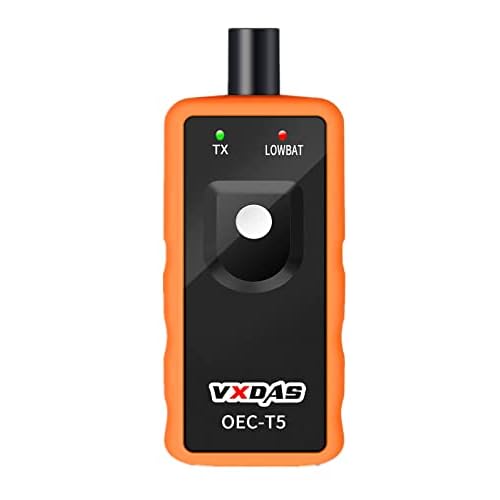
Yes, but aftermarket sensors must be programmed with a specialized TPMS tool to match the vehicle’s frequency. Once programmed and installed, the car will track them just like the original equipment.
🔧 See Also: TPMS Reset Guides for Other Makes
If you found this guide helpful, here are our TPMS reset guides for other popular brands — each with model-specific steps and button location photos.
- Nissan TPMS Reset Button Location Guide — Covers Altima, Rogue, Sentra, Versa & more
- Subaru TPMS Reset Guide — Ascent, Forester, Outback & Impreza procedures
- Lexus ES350 TPMS Reset Button Location — ES350 step-by-step with troubleshooting
- Toyota Camry TPMS Reset Guide — 2016–2025 Camry with button location diagrams
- Toyota RAV4 TPMS Reset by Year and Generation — Covers all RAV4 generations