How To Cool Down A Car Engine Quickly Cool Down Car 2026
Last Updated on September 1, 2026 by Albert Duke
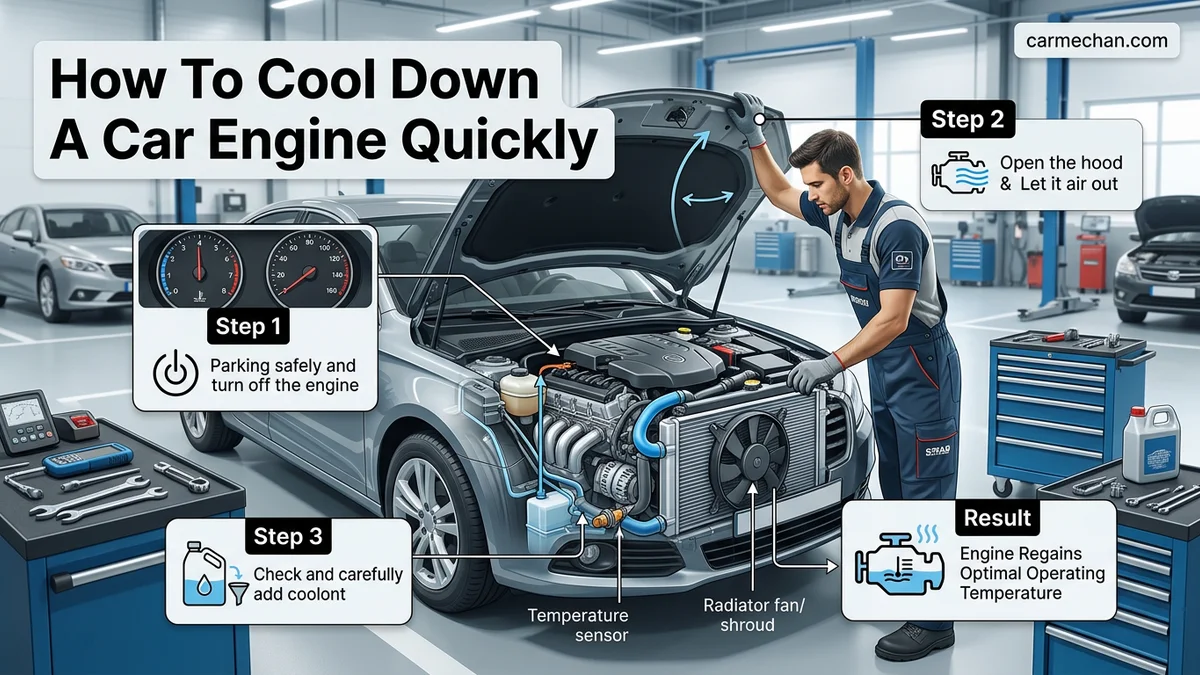
When your car engine overheats, immediate action is critical to prevent severe damage. Safely pulling over, turning on your heater, and allowing the engine to cool naturally are essential first steps.

Prime for Young Adults — 6 Months Free
Students and 18–24s get six months of Prime free, then half price.
Start 6 Months FreeWhen your car engine overheats, immediate action is critical to prevent severe damage. Safely pulling over, turning on your heater, and allowing the engine to cool naturally are essential first steps.
- Prioritize safety: Pull over immediately.
- Use heater to draw engine heat.
- Never open a hot radiator cap.
- Identify cause after cooling.
- Regular maintenance prevents future overheating.
To quickly cool down a car engine, your immediate focus must be on safety and strategic actions that reduce heat without causing further harm. An overheating engine is more than an inconvenience; it signals a serious problem that can lead to catastrophic and costly repairs if ignored.
We understand the stress and urgency you feel when your temperature gauge spikes. Our priority is to guide you through a safe and effective response to cool your engine down without putting yourself or your vehicle at greater risk.
Taking the correct steps right away can protect your car’s critical components and help you avoid being stranded. We will now explore the essential first steps to safely manage this critical situation.
Key Takeaways
Recommended Best Deal Products


- Prioritize safety: Pull over immediately.
- Use heater to draw engine heat.
- Never open a hot radiator cap.
- Identify cause after cooling.
- Regular maintenance prevents future overheating.
5 Immediate Steps to Safely Cool Your Engine
When your engine temperature gauge spikes, these five immediate steps help safely reduce heat and prevent serious damage. Acting quickly and correctly is paramount for avoiding extensive repair bills and ensuring your personal safety on the road.
Find Safe Spot
As soon as you notice your engine overheating, safely pull over to the side of the road. Look for a level area away from traffic where you can stop without obstruction. Turn on your hazard lights to alert other drivers to your situation, especially if visibility is poor.
This prevents accidents and provides a secure environment to assess the problem. According to roadside assistance data, overheating is a common cause of unexpected stops.
Activate Cabin Heater
Surprisingly, turning on your car’s heater to its maximum setting can draw heat away from the engine. This uses the heater core inside your dashboard as a secondary radiator. While it will make the cabin very warm, this simple trick can significantly reduce engine temperature in an emergency.

Audible — Listen Free for 30 Days
One free credit a month and thousands of titles included.
Listen Free for 30 DaysEnsure the fan speed is also set to high to maximize heat transfer from the engine coolant.
Disable AC Unit
Immediately turn off your air conditioning system. The AC compressor places an additional load on the engine and generates extra heat. Disengaging the AC allows the engine to focus its power and cooling resources solely on its primary function. This small action can provide immediate relief to an overworked cooling system, aiding the cool-down process.
Manage Engine Status
For most overheating situations, it is best to turn off the engine once you are safely pulled over. This stops the heat-generating combustion process entirely. However, if you are stuck in traffic and can only idle, keep the engine running with the heater on. This allows the cooling fan to operate, pulling air through the radiator.
If you must stop completely, turning the engine off is safer.
Allow Natural Cooling
After turning off your engine (or idling with the heater on), give it time to cool down naturally. Do not attempt to open the radiator cap or touch any components until the engine is completely cool, typically 30 to 45 minutes. Opening a hot cooling system can result in severe burns from pressurized hot steam and fluids.
OSHA guidelines emphasize the extreme danger of steam burns, which can cause deep tissue damage.
While taking immediate action is crucial, understanding why your engine overheated can inform your next steps.
What 3 Warning Signs Indicate Overheating?
Recommended Best Deal Products


Recognizing the signs of an overheating engine early is vital for preventing more severe issues. Prompt identification allows you to take corrective action before minor problems escalate into major repairs. Knowing what to look for can be the difference between a quick fix and a hefty mechanic’s bill.
Gauge High Readings
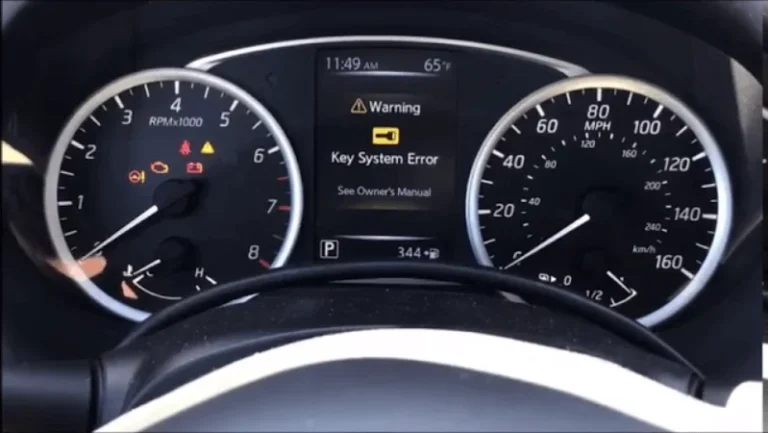
Your dashboard’s temperature gauge is your first line of defense. Typically, the needle should hover around the middle mark. If it climbs steadily towards the “H” (Hot) or red zone, your engine is getting dangerously hot. Modern vehicles may use a digital display, but the principle remains the same.
Audible Premium Plus — Annual Membership
12 audiobook credits up front, plus the full Audible catalogue.
See Annual PlansA consistently high reading signals that the cooling system is struggling to maintain optimal operating temperature. Normal engine temperature ranges between 195 to 220 degrees Fahrenheit. [INTERNAL LINK: Understanding Your Dashboard Warning Lights]
Warning Light Triggers
Many modern cars feature a dedicated engine temperature warning light, often depicted as a thermometer icon. This light will illuminate, sometimes in conjunction with a “Check Engine” light, when the engine temperature exceeds safe limits. Do not ignore this signal. It indicates an immediate and critical problem that requires your attention.
These lights are designed to grab your attention, providing a clear visual alert that your car needs help.
Visual Steam Signs
Perhaps the most dramatic and unmistakable sign of an overheating engine is steam or smoke billowing from under the hood. This usually indicates that the coolant has reached its boiling point and is escaping the system. You might also notice a sweet, syrupy smell from the boiling coolant.
In severe cases, you may see fluid dripping from beneath your vehicle, which could be coolant escaping under pressure. This symptom requires immediate and safe pullover.
Understanding these warning signs helps you react quickly, but addressing the underlying causes is key to long-term reliability.
How Common Causes Create Overheating Issues
Several common issues can cause your car engine to overheat, ranging from simple fluid deficiencies to mechanical failures. Knowing the potential culprits helps in diagnosing the problem and guiding future preventative maintenance. The cooling system works to dissipate heat generated by the engine.

Low Coolant Levels
The most frequent cause of overheating is insufficient coolant. Coolant, a mixture of antifreeze and water, circulates through the engine to absorb heat and then releases it through the radiator. A low coolant level, often due to a leak or simply evaporation over time, means there isn’t enough fluid to effectively cool the engine.
This directly impairs the system’s ability to regulate temperature.
Radiator Fan Failure
Your radiator fan pulls air through the radiator to cool the hot coolant. If this fan stops working, especially when idling or driving slowly, the radiator cannot dissipate heat effectively. A failed fan motor, a blown fuse, or faulty wiring can lead to this issue.
Without proper airflow, the coolant retains engine heat, causing temperatures to rise. [INTERNAL LINK: Troubleshooting Common Car Problems]
Thermostat Malfunctions
The thermostat regulates coolant flow through the engine. It remains closed until the engine reaches its optimal operating temperature, then opens to allow coolant into the radiator. A thermostat stuck in the closed position prevents coolant from circulating to the radiator for cooling. This traps heat within the engine, causing a rapid temperature increase regardless of the coolant level.
Radiator Blockages
Over time, the radiator’s delicate fins can become clogged with dirt, debris, leaves, or even insects. This external blockage prevents air from flowing through the radiator core, hindering heat exchange. Internally, corrosion or sediment can restrict coolant flow, reducing the radiator’s efficiency. Both scenarios compromise the system’s ability to cool the engine, leading to overheating.
Once your engine has cooled, you need to decide whether it is safe to drive or if calling for assistance is the better option.
When to Drive or Tow Your Vehicle
Recommended Best Deal Products


After your engine cools down, carefully evaluate its condition to determine if you can safely drive it or if professional towing is required. Making an informed decision now can prevent further damage and ensure your safety on the road. Do not rush this critical assessment.
Assess Engine Condition
Once the engine is completely cool, check the coolant reservoir. Look for any obvious signs of leaks under the car. Visually inspect hoses for cracks, bulges, or disconnections. If the coolant level is severely low, or if you spot a significant leak, driving the vehicle is risky.
Small, slow leaks might allow you to drive a short distance, but constant monitoring is essential. [INTERNAL LINK: Essential Car Maintenance Checks]
Consider Fluid Replenishment
If the coolant level is low but there are no visible leaks, you may carefully add coolant. Use the correct type specified for your vehicle. Most cars use a 50/50 mixture of antifreeze and distilled water. Always add fluid to the overflow reservoir, not directly into the radiator unless it’s designed for it and you’re sure it’s cool.
Adding plain water is a temporary emergency measure only and should be replaced with proper coolant as soon as possible.
Recognize Tow Necessity
If you find a large leak, steam continues to emit after cooling, or the engine overheated rapidly again after adding coolant, do not drive the car. Driving an engine with significant cooling system failure will cause severe and irreversible damage. Call for a tow truck immediately.
Prioritizing engine health over convenience will save you thousands in potential repair costs down the line.
Avoid Risky Actions
Never attempt to drive a car that repeatedly overheats, even for short distances. This can quickly lead to a blown head gasket, warped cylinder heads, or even complete engine seizure. Avoid driving with warning lights illuminated or with low fluid levels. Do not try quick, unsafe fixes on the roadside beyond the recommended steps.
Your safety and your engine’s longevity depend on making responsible decisions. [INTERNAL LINK: When To Call Roadside Assistance]
While handling an immediate overheating crisis is vital, proactive maintenance offers the best defense against future occurrences.
7 Proven Maintenance Tips for Preventing Overheating
Preventing your car engine from overheating proactively involves consistent attention to its cooling system. Regular maintenance is the most effective way to ensure reliable performance and avoid unexpected breakdowns. Incorporate these tips into your routine for optimal engine health in 2026.
Monitor Coolant Levels
Check your coolant reservoir regularly, ideally every few weeks or before long trips. Ensure the fluid is between the minimum and maximum lines when the engine is cool. Top off with the correct coolant mixture as needed. This simple check can alert you to potential leaks early.
Inspect Radiator Health
Periodically examine your radiator for external blockages like leaves or debris. Gently clean the fins with a soft brush or compressed air. Look for bent fins or signs of corrosion, which can reduce its efficiency. A healthy radiator is crucial for proper heat dissipation.
Verify Fan Function
Test your radiator fan’s operation. When the engine reaches operating temperature and the AC is on, the fan should engage. If it doesn’t, or if it makes unusual noises, it may need repair or replacement. A functioning fan is vital for cooling in slow-moving traffic.
Check Hose Integrity
Inspect all cooling system hoses for cracks, bulges, or softness. Squeeze the hoses; they should feel firm, not squishy or brittle. Replace any damaged hoses promptly, as they are common points of failure leading to leaks. Loose hose clamps also require attention.
Replace Thermostats Periodically
Thermostats don’t last forever. Consult your vehicle’s service manual for recommended replacement intervals, usually every 50,000 to 100,000 miles. A failing thermostat can cause erratic temperature readings or prevent proper coolant circulation, leading to overheating.
Adjust Driving Habits
Avoid excessive idling in hot weather, especially with the AC on. If you’re towing heavy loads, monitor your temperature gauge closely. Consider lower gears when climbing steep hills to reduce engine strain. These habits minimize stress on the cooling system, helping to prevent overheating.
Flush Cooling System
Periodically flush and refill your cooling system according to your manufacturer’s recommendations. This typically ranges from every 30,000 to 60,000 miles. A flush removes rust, sediment, and old coolant, ensuring the system functions with fresh, effective fluid. This prevents internal blockages and maintains efficiency.
By taking these preventative steps, you can significantly reduce the risk of an overheating emergency. Still, you may have more questions about specific situations.
Your Next Steps for Lasting Engine Health
Effectively managing an overheating engine, whether in 2026 or any year, requires both immediate, safe action and a commitment to ongoing maintenance. We’ve equipped you with the knowledge to react decisively in a crisis and understand the common causes of engine overheating. Your primary goal during an emergency is always to prevent further damage to your car’s vital components.
Remember that prevention is truly the best cure. Regularly checking your coolant, inspecting your radiator, and adhering to your vehicle’s maintenance schedule can save you from inconvenient and costly repairs. A proactive approach to your car’s cooling system ensures your engine remains cool, efficient, and reliable for years to come.
Should your engine ever run hot again, you now possess the expertise to quickly cool down a car engine safely. Trust your judgment, prioritize safety, and never hesitate to seek professional help when needed. Your vehicle’s health and your peace of mind are worth the effort.
Common Questions About Engine Overheating
What Happens If I Keep Driving With an Overheating Engine?
Continuing to drive an overheating engine risks catastrophic damage, including warped cylinder heads, blown head gaskets, or even engine seizure. Pulling over immediately protects your engine from costly repairs by preventing these severe mechanical failures.
Can I Add Regular Water to My Car’s Radiator If I’m Low on Coolant?
While plain water can offer a very temporary fix in an emergency, it is not recommended for long-term use. Water can cause rust, boils at a lower temperature, and freezes more easily than proper coolant, which contains corrosion inhibitors and antifreeze for optimal performance.
How Long Should I Wait for My Engine to Cool Down Before Checking Anything?
You should wait at least 30 to 45 minutes, or until the engine is completely cool to the touch, before attempting to open the radiator cap or check fluid levels. Opening a hot cooling system can result in severe burns from steam and hot fluid.
Does Turning on the Car Heater Actually Help Cool the Engine?
Yes, turning on your car’s heater to its highest setting can help cool the engine. The heater core acts like a small radiator, drawing heat away from the engine coolant and expelling it into the cabin, providing a temporary heat sink for the engine.
What Is the Most Common Reason a Car Engine Overheats?
The most common reason a car engine overheats is a low coolant level, often due to a leak or neglected maintenance. Insufficient coolant means the engine lacks the necessary fluid to dissipate heat effectively, leading to a dangerous temperature increase.