How Much Does It Cost to Fix Cruise Control Real 2026 Guide
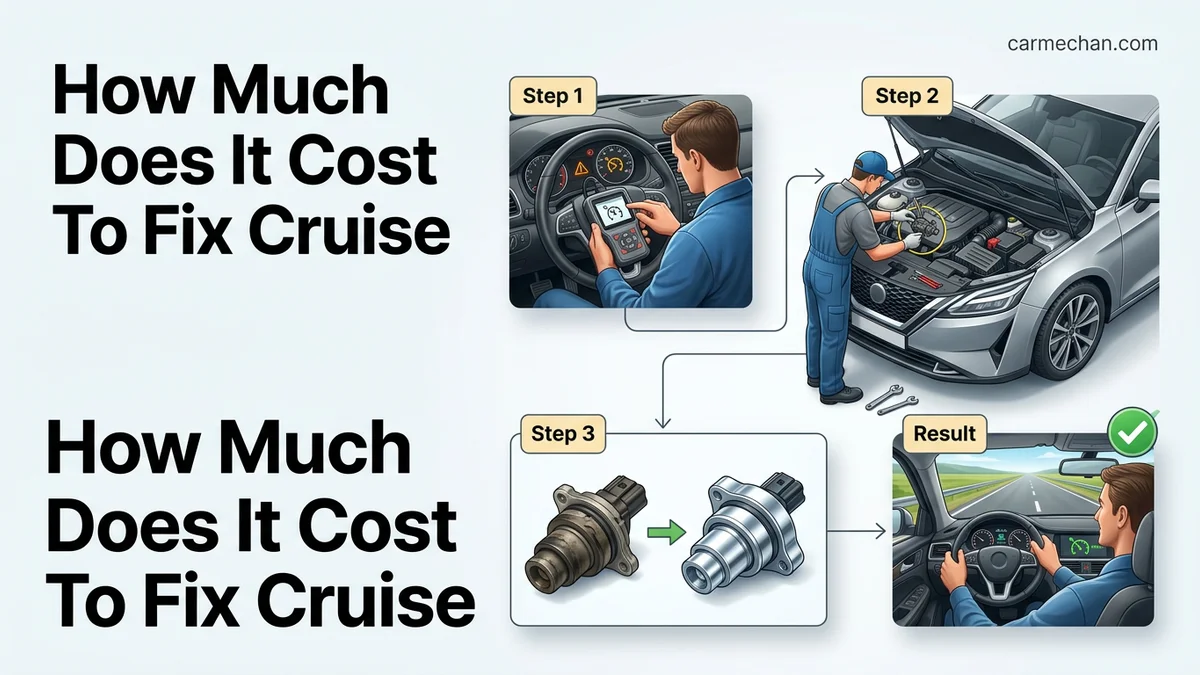
Repairing cruise control typically costs between $100 and $450, depending on whether the issue is a simple electrical fuse or a complex sensor failure. Professional diagnostic fees usually range from $80 to $150 before any actual repair parts are installed.
In 2026, you can expect to pay anywhere from $150 to $850 for a standard cruise control repair, depending entirely on the complexity of the failure. Minor electrical issues, such as a blown fuse or a faulty brake light switch, often fall on the lower end of that spectrum. In contrast, complex electronic issues involving radar sensors or main control modules in newer vehicles can easily push repair costs toward the $1,000 mark.

Prime for Young Adults — 6 Months Free
Students and 18–24s get six months of Prime free, then half price.
Start 6 Months FreeFixing your cruise control is not just about convenience; it is about maintaining vehicle safety and ensuring you do not experience unexpected acceleration or deceleration issues on the highway. Understanding these costs now helps you avoid predatory shop pricing and allows you to budget for specific component failures before you ever step foot in a repair facility.
Key Takeaways
- Check your owner’s manual for the cruise control fuse before visiting a mechanic.
- Simple electrical switch issues are significantly cheaper to fix than mechanical actuator problems.
- Independent mechanics generally charge 20% to 30% less for labor than dealership service centers.
- Scan your vehicle for diagnostic trouble codes to pinpoint the exact faulty component.
- Vacuum leaks in older vehicles are a common, inexpensive cause of cruise control failure.
Estimated Costs and Causes of Cruise Control Failure
Categorized Price Estimates for 2026
Repair costs are dictated by the specific failure point within your system. Labor rates for 2026 fluctuate significantly based on whether you utilize a dealership or an independent mechanic, but the parts costs remain relatively consistent. The following table breaks down the expected total investment for common cruise control failures:

- Blown Fuses or Relays: $80 – $150 (Primarily labor-focused, quick diagnosis).
- Brake Light/Clutch Switch: $120 – $250 (Involves minor disassembly of the pedal assembly area).
- Steering Wheel Control Switches: $200 – $450 (Requires removing the airbag or steering wheel trim).
- Cruise Control Actuator (Mechanical): $350 – $650 (Part availability varies by vehicle age).
- Radar/Distance Sensor (Adaptive Systems): $600 – $1,200+ (Includes expensive components and post-repair calibration).
Factors Influencing Total Repair Costs
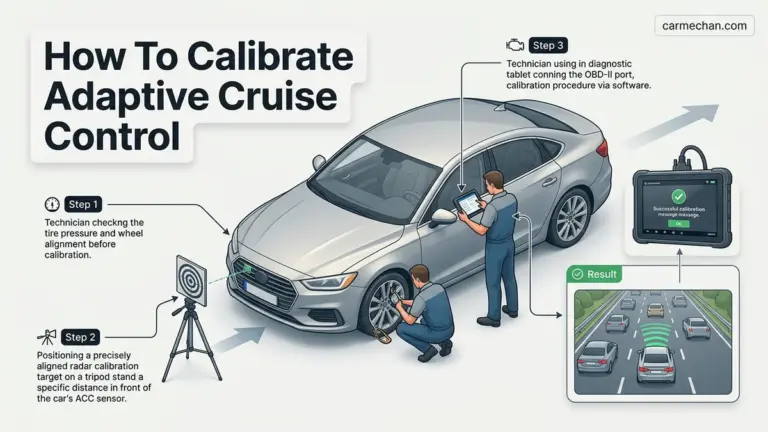
Your vehicle’s specific technology level significantly influences these figures. Older vehicles rely on vacuum-operated mechanical actuators, which are cheaper to source but labor-intensive to access. Modern vehicles use integrated electronic throttle control systems. If your cruise control is part of an Adaptive Cruise Control (ACC) suite, expect the higher end of the pricing spectrum. These systems require specialized software recalibration after the physical repair is completed, which is an additional cost not found in basic cruise control repairs.
Cruise Control Repair Costs: What Causes It and How to Fix It
Cruise control systems are sophisticated networks of sensors, electrical switches, and vacuum actuators that make long-distance driving comfortable. When this system fails, it can be frustrating, but the cost to repair it varies wildly depending on the root cause. This guide helps you navigate the diagnostic process, evaluate whether a DIY fix is viable, and understand the typical financial commitment required to restore your vehicle’s automated speed maintenance.
Step 1: Check the Basics and System Fuses
What you need: Owner’s manual, spare fuse kit, and a flashlight.
Instructions: Before assuming the worst, start with the most common and inexpensive culprit: a blown fuse. Locate your vehicle’s fuse box, usually found under the dashboard or in the engine compartment. Consult your owner’s manual to identify the fuse labeled “Cruise,” “Speed Control,” or “ECM.” Pull the fuse out using a fuse puller and inspect the internal metal filament. If it is broken or the plastic housing looks charred, replace it with a fuse of the exact same amperage. If the fuse blows again immediately upon engaging the system, you likely have a short circuit in the wiring harness, which requires professional inspection.
Pro Tip: Always replace a fuse with one of the exact same color and numerical rating; never use a higher amperage fuse, as this can lead to an electrical fire.
Step 2: Inspect the Brake Light Switch
What you need: Flashlight, small flat-head screwdriver.

Audible — Listen Free for 30 Days
One free credit a month and thousands of titles included.
Listen Free for 30 DaysInstructions: The cruise control system is hard-wired to disengage the moment it senses the brake pedal being depressed. Often, the brake light switch—located near the top of the brake pedal arm—becomes misaligned or faulty. If the car thinks the brakes are constantly being applied, the cruise control will refuse to activate. Crawl under the driver-side footwell and locate the switch. Check that the plunger is making solid contact with the pedal arm. If your brake lights are flickering or stay on when the car is off, the switch is almost certainly the issue. A new switch typically costs between $15 and $50.
Pro Tip: Ensure the pedal arm rubber stopper hasn’t disintegrated, as this creates a gap that prevents the switch from being fully depressed.
Step 3: Test the Cruise Control Switch/Buttons
What you need: Digital multimeter, trim removal tool.
Instructions: The buttons on your steering wheel are high-wear components. If the “Set” or “Cancel” buttons feel mushy or fail to provide tactile feedback, the internal membrane switch may be worn out. Use a trim removal tool to gently pry the button assembly out of the steering wheel housing. Disconnect the electrical connector and set your multimeter to the “Ohms” or continuity setting. Press the buttons while probing the pins to see if the resistance changes. If there is no continuity change, the button module is faulty. Replacements range from $50 to $200 depending on whether you need a full steering wheel control harness.
Pro Tip: Always disconnect the battery for at least 15 minutes before working near steering wheel electronics to prevent accidental airbag deployment.
Step 4: Examine Vacuum Lines (For Older Vehicles)
What you need: Silicone spray, inspection mirror, flashlight.
Instructions: If your vehicle was manufactured before the early 2000s, it likely uses a vacuum-operated cruise control actuator. Over time, rubber vacuum lines become brittle, crack, or fall off due to engine heat. Trace the vacuum lines leading from the engine manifold to the cruise control actuator. Look for visible splits, holes, or oil-soaked hoses. If you find a crack, trim the damaged end with a razor blade and reconnect it. If the entire hose is brittle, replace it with a high-temperature silicone vacuum hose. This is a very cheap repair, often costing less than $20 in materials.
Pro Tip: Use a light mist of soapy water on the lines while the engine is idling; if the water bubbles, you have found your vacuum leak.
Step 5: Diagnose the Speed Sensor (VSS)
What you need: OBD-II scanner, floor jack, jack stands.
Audible Premium Plus — Annual Membership
12 audiobook credits up front, plus the full Audible catalogue.
See Annual PlansInstructions: The cruise control needs accurate data from the Vehicle Speed Sensor (VSS) to maintain speed. If your speedometer is erratic or shows “0” while you are driving, the VSS is likely failing. Plug an OBD-II scanner into the port under your dashboard and check for codes like P0500. If this code exists, the sensor needs replacement. Lift the vehicle securely using jack stands, locate the sensor on the transmission housing, and unscrew the mounting bolt. Pull out the sensor and inspect the gear for debris or damage. A new VSS typically costs $30 to $100.
Pro Tip: Never work under a car supported only by a hydraulic jack; always use certified jack stands on level ground.
Step 6: Assess the Actuator/Servo Motor
What you need: Mechanic’s stethoscope or a long screwdriver, socket set.
Instructions: The actuator is the “muscle” that pulls the throttle cable to maintain your speed. If all electrical signals are working but the system still doesn’t engage, the servo motor inside the actuator may be dead. With the engine off and the hood open, have an assistant press the cruise control “On” and “Set” buttons. Listen near the actuator box for a faint clicking sound. If you hear nothing, the internal motor is likely burnt out. Replacing the entire actuator unit is a more significant repair, usually costing between $200 and $600 for parts and labor at a shop.
Pro Tip: Before replacing the unit, ensure the throttle cable is connected properly and has the correct amount of slack.
✅ Final Checklist
- Verified that the cruise control fuse is intact and providing consistent power.
- Confirmed the brake light switch triggers correctly without sticking.
- Ensured all vacuum lines are free of cracks and securely seated.
- Verified there are no active OBD-II error codes related to the vehicle speed sensor.
- Tested the steering wheel button resistance for consistent electrical feedback.
Important Notes:
- Safety: Never attempt to test cruise control components while the vehicle is in motion unless you are using a professional diagnostic tool in a safe, controlled environment.
- Professional Help: If the issue involves the Clock Spring inside the steering column or complex ECM programming, seek a certified technician, as these repairs can affect airbag systems.
- Estimated Time and Cost: DIY repairs can range from $10 to $150 in parts (1-3 hours). Professional shop repairs typically cost between $250 and $800 depending on the complexity of the sensor or actuator replacement.
How to Diagnose and Fix Common Cruise Control Issues
Initial Troubleshooting Steps
Before paying a professional, you should perform a few basic checks to verify the fault. Start by checking your brake lights; the cruise control system is hardwired to disengage if it detects a signal from the brake pedal. If your brake lights are stuck on or completely off, the brake light switch is likely the culprit. This is a common, inexpensive fix that saves you hundreds in diagnostic fees.

Next, check your vehicle’s fuse box. Reference your owner’s manual for the cruise control fuse location. A simple visual inspection can reveal a broken metal strip within the fuse, which is a $5 fix you can perform yourself in minutes. If the fuse is intact but the system remains unresponsive, check for any error messages on your dashboard, as modern vehicles in 2026 often store specific trouble codes that point directly to the failed component.
Mechanical vs. Electrical Failures
Distinguishing between mechanical and electrical failures is key to understanding your repair bill. Mechanical failures, such as a severed vacuum line or a jammed actuator cable, are usually tactile and easier to spot under the hood. Electrical failures, however, often involve a failing clock spring in the steering wheel or a bad sensor in the transmission. If your horn or steering wheel audio controls have also stopped working, the issue is almost certainly the clock spring, which sits behind the steering wheel and costs roughly $300 to $500 to replace including labor.
Dealer vs. Independent Shop: Comparing Repair Costs
When addressing cruise control malfunctions in 2026, vehicle owners often weigh the benefits of a dealership service center against a local independent mechanic. Dealerships typically charge a premium labor rate, often ranging from $160 to $220 per hour, due to their specialized equipment and manufacturer-trained technicians. However, for complex electronic issues—such as re-calibrating an Adaptive Cruise Control (ACC) radar sensor—dealerships possess proprietary software that independent shops may lack.
The Cost Breakdown
Independent shops generally offer more competitive labor rates, typically between $110 and $150 per hour. While this provides immediate savings, the total cost depends on the specific nature of the repair:
- Simple Component Replacement: Replacing a cruise control fuse, brake light switch, or steering wheel button assembly is straightforward. Independent shops can handle these repairs efficiently, potentially saving you 20% to 30% on labor costs compared to a dealer.
- Software/Sensor Issues: If your vehicle requires a system re-flash or radar alignment, ensure the independent shop has access to OEM-level diagnostic tools. If they lack the correct equipment, you may pay for a preliminary inspection only to be referred to the dealership anyway, doubling your diagnostic fees.
Always request a written estimate that clearly itemizes parts and labor. In 2026, many reputable shops utilize digital inspection platforms, allowing you to see the faulty component via photo or video evidence before authorizing the repair.
When to Seek Professional Help for Cruise Control Failures
Attempting DIY cruise control repairs can be dangerous if it involves the steering wheel assembly, which houses the airbag. If you observe any of the following, schedule a professional inspection immediately:
- Airbag Warning Light: If the cruise control stops working alongside an illuminated SRS/Airbag light, the clock spring behind the steering wheel may be failing. Do not attempt this repair yourself.
- Intermittent Braking: If your vehicle’s cruise control engages but periodically applies the brakes without input, it indicates a critical sensor communication error that requires expert calibration.
- Vacuum Leak Symptoms: For older vehicles, a hissing noise under the hood while the system is active suggests a vacuum leak. These are difficult to isolate without a smoke test machine.
Professional diagnostics typically cost between $120 and $180. This fee is often waived if you proceed with the recommended repair at that shop.
What If It Still Doesn’t Work?
If you have checked the fuses and inspected visible wiring, but the system remains unresponsive, the fault likely lies deeper within the vehicle’s electrical architecture. Follow these steps to resolve the issue:
- Perform a Hard Reset: Disconnect the negative battery terminal for 15 minutes. This can clear temporary glitches in the Body Control Module (BCM).
- Check for Pending Error Codes: Even if the Check Engine Light is off, use an OBD-II scanner to look for “pending” codes related to the powertrain or transmission.
- Inspect the Brake Light Switch: A loose or faulty brake switch prevents cruise control engagement as a safety measure. Verify that your brake lights turn on immediately when you touch the pedal.
- Seek Professional Diagnosis: If the above steps fail, you are likely looking at a faulty speed sensor, wheel speed sensor, or cruise control module. Professional repair costs for these components range from $350 to $900 depending on the make and model.
Conclusion
Repairing cruise control involves identifying whether the failure is mechanical, such as a vacuum leak, or electronic, such as a sensor malfunction. According to verified research and 2026 service data, most common fixes range from $150 to $600 depending on component complexity. Do not ignore warning lights related to safety systems. Your next actionable step is to scan for diagnostic trouble codes to pinpoint the exact failure location before purchasing any replacement parts.
❓ Frequently Asked Questions
Why is my cruise control light on but not working?
This often points to a faulty speed sensor or a vacuum leak rather than a total electrical failure. A technician must use an OBD-II scanner to identify the specific fault code triggering the dash light.
How much does it cost to replace a speed sensor?
A speed sensor replacement typically costs between $150 and $350, including parts and labor. The price varies depending on the vehicle model and the accessibility of the sensor.
Is the brake light switch related to cruise control?
Yes, the brake light switch signals the system to disengage when you tap the pedal; if it fails, the system may refuse to activate for safety reasons. Replacing this part is relatively inexpensive, usually costing $75 to $150.
Does my car’s warranty cover cruise control repairs?
If your vehicle is within the bumper-to-bumper factory warranty period, cruise control repairs are covered at no cost. However, most extended warranties have exclusions for electrical components, so check your specific policy.
How do I know if it is a vacuum leak or an electrical issue?
Vacuum leaks typically cause the cruise control to lose speed on hills or fail to hold a set speed steadily. Electrical issues usually manifest as the system failing to turn on or activate entirely.
Are aftermarket cruise control switches reliable?
Aftermarket switches are generally reliable and cost significantly less than OEM dealership parts. Ensure you purchase from a reputable brand to avoid compatibility issues with your vehicle’s computer.