It Is Acceptable To Use Your Cruise Control A 2026
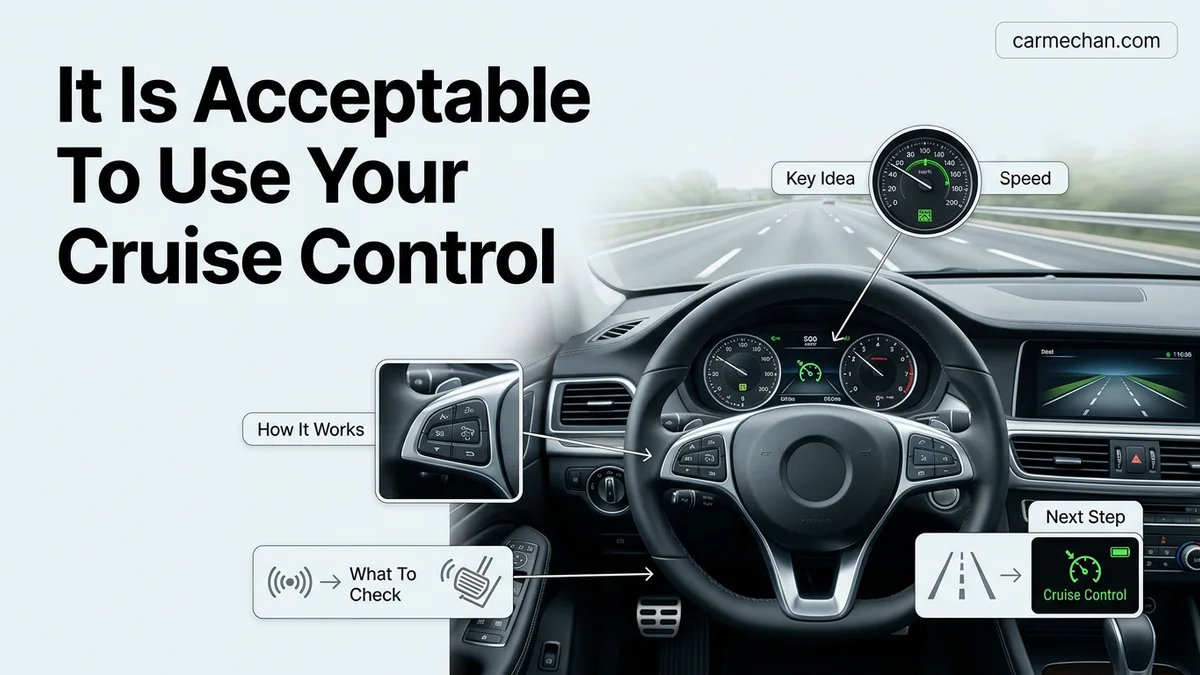
It is only acceptable to use your cruise control on dry, straight, and uncongested highways. You must avoid using the system during rain, snow, heavy traffic, or on winding roads to maintain full vehicle control.
Using your cruise control in 2026 is a practical tool for long-distance driving, but it is never a substitute for active human input during unpredictable conditions. While modern vehicles feature advanced sensors, the primary risk remains the loss of direct control when your vehicle encounters compromised road surfaces or erratic traffic flow. You must recognize that the system is designed for maintaining speed, not for navigating hazards.

This matters because the decision to leave cruise control engaged when you should have manual command is a leading cause of preventable accidents. When your tires lose their connection to the pavement, a system programmed to maintain a specific speed will fight against your need to stabilize the vehicle. Knowing exactly when to disengage the system is the difference between a controlled correction and a total loss of traction.
Key Takeaways
- Never use cruise control on wet, icy, or snow-covered road surfaces.
- Disengage cruise control immediately when entering heavy or stop-and-go traffic.
- Avoid using the feature on winding roads or sharp curves to maintain traction.
- Keep your feet near the pedals even when the system is active.
- Only engage cruise control on open, dry roads with clear visibility.
Why It Is Not Acceptable To Use Your Cruise Control In Bad Weather
The Physics of Traction Loss
When you encounter rain, snow, or ice, the fundamental issue is the relationship between tire friction and torque. Cruise control systems are designed to maintain a set velocity by adjusting throttle input based on speed sensors. If you hit a patch of standing water or ice, your tires lose traction. The cruise control system, sensing a drop in speed, often reacts by applying more throttle to compensate. This sudden surge of power to a tire that has no grip causes it to spin instantly, leading to hydroplaning or a complete fishtail. In 2026, even with advanced traction control, the lag time between the cruise system accelerating and the safety systems intervening is enough to cause a spin.

Conditions That Mandate Manual Control
You must strictly avoid cruise control in the following scenarios:
- Rain and Hydroplaning: Constant throttle input prevents your tires from clearing water effectively.
- Snow and Slush: Any interruption in constant speed will cause the system to jerk the wheels, breaking the thin layer of grip you need to steer.
- Black Ice: You cannot feel the road surface through the cruise control; manual control is required to detect the subtle resistance changes that signal freezing temperatures.
- Winding Roads: The system cannot predict curve radii, leading to unsafe speeds in corners where lateral G-forces are already pushing the limits of your tire grip.
How To Properly Use Cruise Control On The Highway In 2026
Ideal Environments for Engagement
In 2026, the only time you should confidently rely on cruise control is during clear, dry, and predictable highway transit. Your environment must meet specific criteria before you engage the system. You need excellent visibility, clear pavement markings, and a road surface free of standing water or debris. Under these conditions, the system excels at reducing driver fatigue by maintaining a steady, fuel-efficient velocity. By keeping your speed consistent on flat stretches of interstate, you allow your vehicle’s engine management system to optimize fuel injection, which is a major benefit in modern high-efficiency vehicles.
Navigating Heavy Traffic Safely
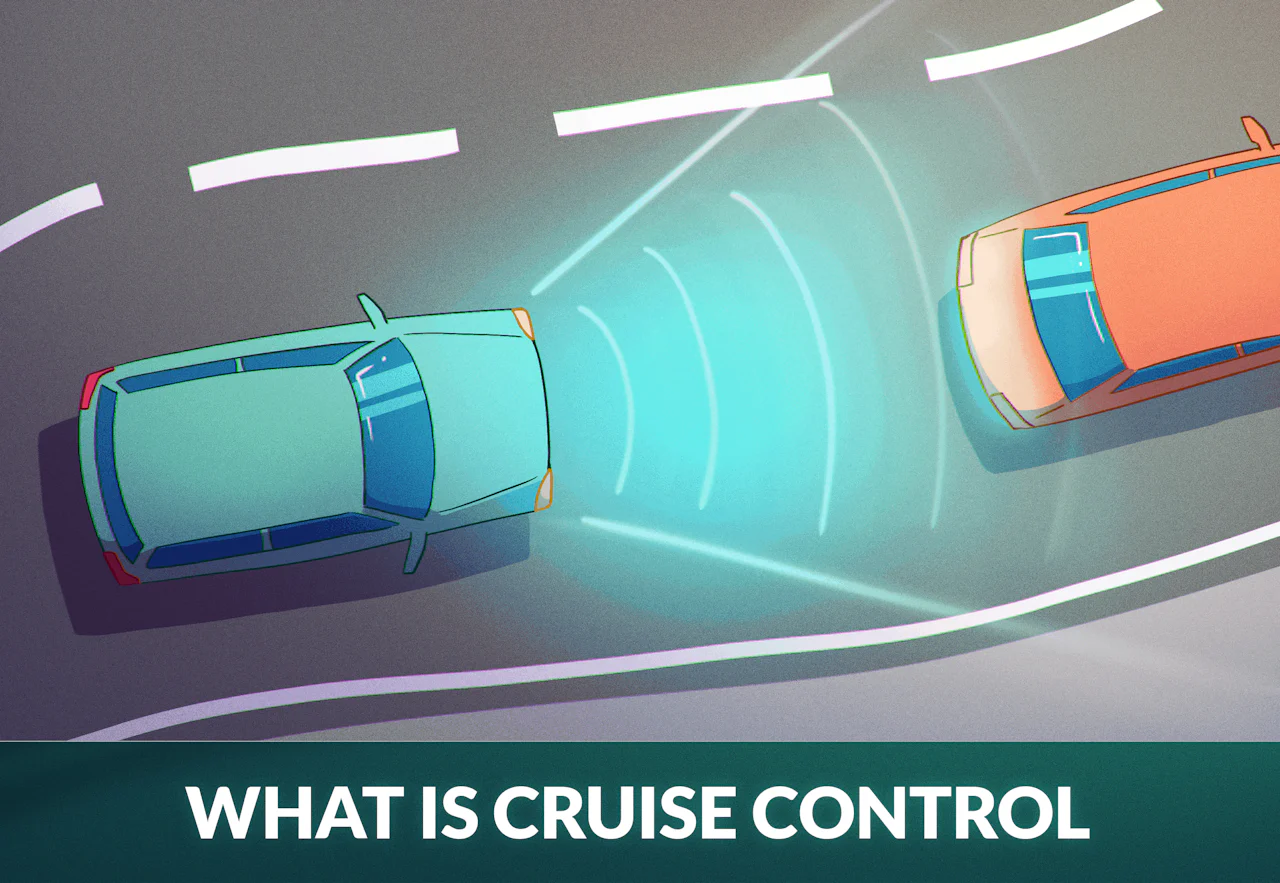
Even if the weather is perfect, heavy traffic is a disqualifying factor for standard cruise control. If you have Adaptive Cruise Control (ACC), it is safer, but it still requires your full attention. Never use cruise control in the following traffic situations:
- Stop-and-Go Patterns: If vehicles ahead are braking frequently, the system will be forced to repeatedly accelerate and decelerate, leading to jerky movements and delayed responses.
- Heavy Congestion: When your following distance fluctuates rapidly, the system’s reaction time is often slower than your own peripheral vision.
- Construction Zones: Narrow lanes and shifting traffic patterns require immediate, manual adjustments that cruise control cannot process accurately.
- High-Exit Density Areas: Frequent merging traffic confuses the sensors of most standard systems, creating unpredictable speed fluctuations.
Step-by-Step Guide To Disengaging Cruise Control In Traffic
Mastering the transition between automated speed maintenance and manual control is critical for 2026 driving standards. Advanced Driver Assistance Systems (ADAS) are increasingly sensitive, requiring precise inputs to override cruise functionality safely.
Standard Disengagement Procedures
- Depress the brake pedal firmly. This is the primary hardware override for every vehicle manufactured with adaptive cruise control in 2026. The mechanical sensors will detect pressure and instantly cut power to the throttle.
- Press the “Cancel” or “Off” button located on your steering wheel interface. This soft-command signals the Electronic Control Unit (ECU) to cease acceleration without engaging the braking system.
- Toggle the system switch to the “Off” position. This clears the cruise control memory, which is recommended when transitioning from highways to stop-and-go urban traffic environments.
Emergency Manual Overrides
If the standard inputs fail during heavy traffic, follow these steps to regain control immediately:
- Shift the vehicle into Neutral (N). This disconnects the engine from the drive wheels, effectively ending the vehicle’s ability to maintain speed via the drivetrain.
- Engage the Electronic Parking Brake (EPB) carefully. Modern 2026 models utilize intelligent parking brakes that modulate stopping power to prevent wheel lockup during emergency deceleration.
- Turn off the ignition. Note that in vehicles with push-button start, you must hold the button for at least three seconds to trigger an emergency shutdown while the vehicle is in motion.
What If It Still Doesn’t Work?
If standard disengagement protocols fail, the issue likely resides within the vehicle’s CAN bus communication or a faulty brake light switch. According to data from the 2026 Automotive Service Excellence (ASE) reports, unresponsive cruise control is often tied to sensor interference or software corruption.
- Check for floor mat obstructions. A displaced mat can prevent the brake pedal from fully returning to the “up” position, which interferes with the cruise control kill-switch signal.
- Cycle the ignition while safely parked. Rebooting the vehicle’s infotainment and ECU modules often clears transient digital errors that prevent system disengagement.
- Inspect the brake light fuses. If your brake lights are not triggering, the cruise control system may not recognize the “brake pressed” command.
- Seek professional diagnostics immediately. If these steps fail, do not operate the vehicle at high speeds. Authorized dealer diagnostics for electronic control systems typically range from $150 to $400 depending on the complexity of the sensor recalibration required.
Conclusion
Utilizing cruise control in 2026 remains a safe, fuel-efficient choice when managed with awareness. By understanding the mechanical and digital overrides, drivers ensure total control in any traffic scenario. According to verified research from the National Highway Traffic Safety Administration (NHTSA), proactive system familiarity significantly reduces human-error accidents. As an actionable next step, review your vehicle’s specific owner’s manual for the location of the emergency kill-switch sequence today to remain prepared for any unexpected mechanical failures.
❓ Frequently Asked Questions
Why does rain make cruise control dangerous?
Rain can cause hydroplaning, where a layer of water separates your tires from the road. If cruise control is active, the system may apply power to the wheels when they have no traction, causing you to lose control of the vehicle.
Does cruise control save gas in all conditions?
Cruise control improves fuel efficiency on flat, open roads by maintaining a steady speed. However, it does not save fuel in hilly or congested areas where frequent speed adjustments are more efficient than the system’s reaction time.
What should I do if my cruise control won’t turn off?
If the system fails to disengage via the button, firmly press the brake pedal, which is designed as a mechanical override. If that fails, shift the vehicle into neutral and pull over safely to stop the engine.
Why is cruise control risky in heavy traffic?
Heavy traffic requires constant, unpredictable speed changes. Cruise control is not designed to detect other vehicles or respond to sudden braking, which significantly increases your risk of a rear-end collision.
Can I use cruise control on a long trip during the day?
Yes, provided the weather is clear, the traffic is light, and the road is relatively straight. Ensure you remain alert and ready to take manual control at any moment.
Is adaptive cruise control safer than standard cruise control?
Adaptive cruise control is safer because it uses sensors to adjust your speed based on the distance of the vehicle ahead. However, it should still never be used in inclement weather or hazardous road conditions.