Best High Output Alternators for Car Audio 2026 Proven 2026
Last Updated on September 1, 2026 by Albert Duke
High output alternators are essential for powerful car audio systems, providing stable, increased amperage to prevent voltage drops and ensure optimal amplifier performance. Choosing the right one involves calculating power needs, understanding vehicle compatibility, and considering reputable brands to maintain electrical system integrity.
High output alternators for car audio are a critical upgrade for any enthusiast looking to power a aftermarket sound system without compromising vehicle electrical stability. Stock alternators are simply not designed to handle the intense current draw of modern, high-performance amplifiers and subwoofers. This deficiency often leads to noticeable power issues, affecting both your audio quality and vehicle electronics.
Our comprehensive guide provides you with essential insights into selecting, installing, and benefiting from a high output alternator in 2026. We will help you understand the root causes of power problems and offer practical solutions. This guide will empower you to understand why your stock system struggles and what profound benefits a specialized alternator brings.
High output alternators are essential for powerful car audio systems, providing stable, increased amperage to prevent voltage drops and ensure optimal amplifier performance. Choosing the right one involves calculating power needs, understanding vehicle compatibility, and considering reputable brands to maintain electrical system integrity.
- Stock alternators fail powerful audio setups.
- Calculate amperage needs precisely for upgrades.
- The Big 3 wiring upgrade is crucial.
- Specific brands offer reliable high output models.
- Proper installation ensures system stability.
Key Takeaways
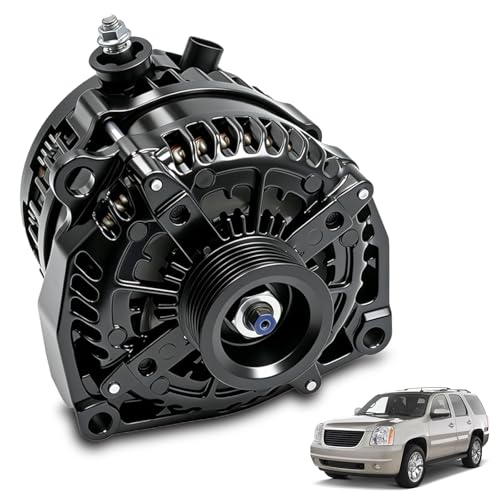


- Stock alternators fail powerful audio setups.
- Calculate amperage needs precisely for upgrades.
- The Big 3 wiring upgrade is crucial.
- Specific brands offer reliable high output models.
- Proper installation ensures system stability.
Why Does Your Car Audio System Need a High Output Alternator?


Your car audio system, especially with aftermarket amplifiers, demands significantly more electrical power than standard components or a stock alternator can provide. A factory alternator is engineered to meet the needs of the vehicle’s original equipment, like lights, climate control, and engine management. When you introduce powerful amplifiers, you create a substantial deficit.

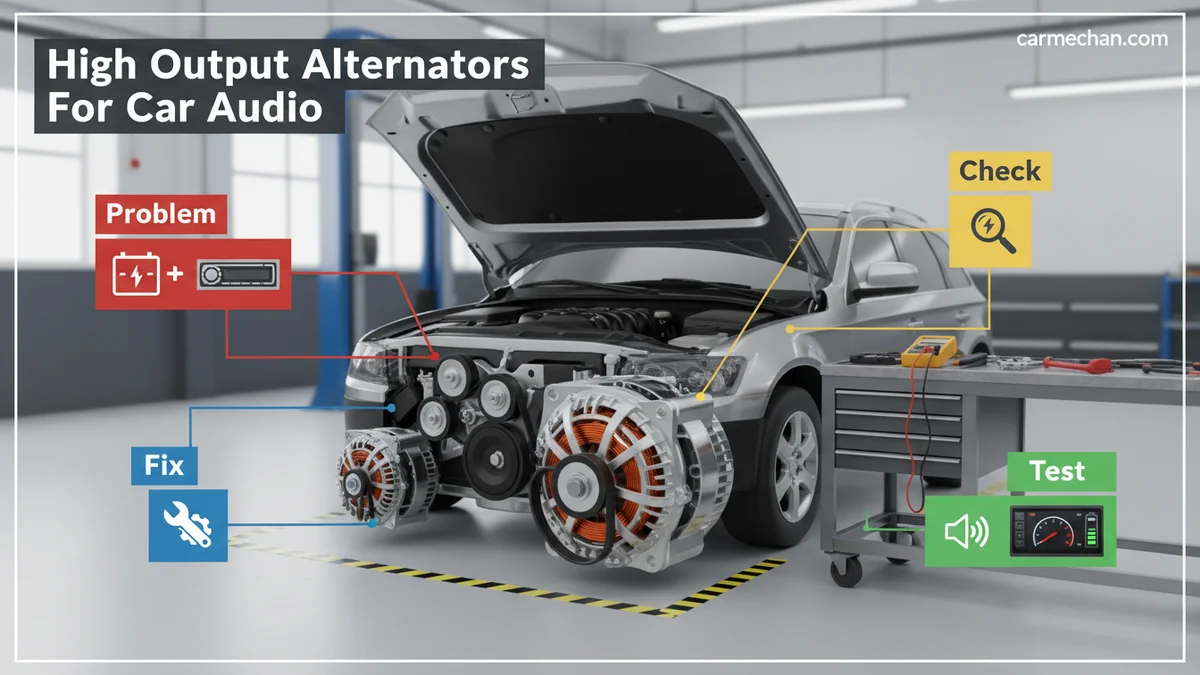
This power gap leads to various frustrating symptoms, such as dimming headlights and flickering dash lights, particularly noticeable with heavy bass notes. Without sufficient current, your amplifiers struggle to operate at their full potential, impacting sound quality and overall system performance. Understanding this fundamental power requirement is the first step toward a true audio upgrade.
Power Demands Explored
Modern car audio amplifiers can be incredibly power-hungry. A typical aftermarket system, like one with a 500W RMS amplifier, might demand peak current draws exceeding 40-50 amperes for the amplifier alone. For larger setups, a 1000W RMS system can draw 80-100A at peak, far surpassing the reserve capacity of most stock alternators.
This massive draw, even in short bursts, can quickly deplete your battery and overwhelm a standard alternator. High output alternators are designed with more internal components and windings to continuously generate significantly higher amperage, ensuring your audio system receives the consistent power it requires. Learn more about car audio power upgrades to support your setup.
Dimming Lights Solved
Headlight dimming, often called “lights dimming to the beat,” is a tell-tale sign of an overloaded electrical system. When your amplifier demands a large surge of power, the system voltage momentarily drops. This drop is often visible in your vehicle’s lights and can even affect other sensitive electronics.
A high output alternator counteracts this by providing a much larger reservoir of available current. It maintains a more stable voltage across the electrical system, even during peak audio demands. This eliminates the frustrating light dimming and ensures consistent power delivery for all vehicle components. For guidance on vehicle electrical stability for sound systems, consult our specialized articles.
Voltage Stability Gained
Beyond simply providing more power, a high output alternator offers superior voltage regulation. Stable voltage is crucial for amplifier performance. Voltage sag can cause your amplifier to clip, leading to distortion and potential damage to both the amplifier and your speakers. [Description of voltage sag effects on amplifier clipping and speaker distortion]
By delivering a steady 13.8V to 14.4V across your system, a high output alternator ensures your amplifiers operate within their optimal parameters. This not only protects your expensive audio equipment but also results in cleaner, more accurate sound reproduction across all frequencies. A high amperage charging system is fundamental for this stability.
Understanding the foundational need is the first step; next, we will explore precisely how to identify the right high output alternator for your specific setup.
How to Select the Right High Output Alternator in 3 Steps


Selecting the optimal high output alternator requires a systematic approach to precisely match your car audio demands with compatible vehicle components. This decision involves more than just picking the highest amperage unit available; it demands careful consideration of your system’s specific needs and your vehicle’s capabilities.
Calculate Amperage Needs
The first step is to accurately determine how much additional amperage your audio system requires. You can estimate this by calculating your amplifier’s RMS wattage. A general formula for converting amplifier RMS wattage to amperage draw at 13.8V with typical efficiency factors is: RMS Watts / 13.8V / 0.7 = Amperage.
For instance, a hypothetical 1500W RMS system would draw approximately 1500 / 13.8 / 0.7 = 155 Amperes. You should also account for a buffer, adding 20-30% to this figure to ensure adequate overhead for all other vehicle electronics and transient peaks.
Compare this calculated number to your stock alternator’s output. The difference is roughly the additional amperage your high output alternator should provide. Remember to factor in the total electrical draw of all amplifiers in your system. Consider how amplifier alternator requirements impact this calculation.
Identify Compatible Models
High output alternators come in various designs, including direct-fit replacements and custom-wound units. Direct-fit alternators are engineered to bolt directly into your vehicle’s existing mounts, simplifying installation. Custom-wound alternators offer even higher output potential but may require custom brackets or modifications. We need to identify [Detailed features of a popular high output alternator model for a common vehicle (e.g., a specific Ford F-150 model)].
Crucially, pay attention to voltage regulation. A quality high output alternator will maintain consistent voltage across various RPMs, not just at high engine speeds. Also, consider the pulley type; some require a specific size to function correctly or to maintain proper belt tension. The goal is to ensure the unit fits physically and integrates electronically without issues.
Researching alternator sizing for aftermarket audio is key.
Evaluate Brand Reputations
The market for high output alternators features several reputable brands known for quality and reliability. Brands like MechMan, DC Power, and XS Power are industry leaders. MechMan is often praised for its application-specific designs and strong customer support. DC Power is known for extremely high output units suitable for competition-level systems.
XS Power offers a range of options, often bundled with their high-performance batteries, emphasizing system integration.
When comparing brands, look at their warranty, customer reviews, and the internal components they use. A good manufacturer will offer transparent specifications and stand behind their product. While cost is a factor, prioritizing reliability and performance from an established brand will prevent future headaches.
Once you have chosen your alternator, ensuring your vehicle’s electrical infrastructure can efficiently handle the increased power is the next crucial step.
What Wiring Upgrades Support Your New Alternator?
Installing a high output alternator without simultaneously upgrading your vehicle’s primary electrical wiring is akin to putting a supercharger on an engine with a restrictive fuel line. The alternator can produce immense power, but if the wiring cannot efficiently carry that current, you will not realize its full potential, and you risk overheating or damaging your electrical system.
Proper wiring ensures safety and optimal performance.
Big 3 Upgrade Essentials
The “Big 3” wiring upgrade is paramount for any high output alternator installation. It involves replacing three key factory wires with larger gauge (lower AWG number) wiring: the alternator positive output to the battery positive terminal, the battery negative terminal to the chassis ground, and the engine block ground to the chassis ground.
[Diagrammatic description or visual aid concept for Big 3 connection points]
Each of these connections is vital. The upgraded positive cable allows the increased current from the new alternator to reach your battery and distribution blocks effectively. The improved ground wires ensure a clean, stable return path for all electrical current, minimizing resistance and heat. This upgrade significantly reduces voltage drop and enhances overall electrical efficiency.
We provide detailed advice on car audio installation guide topics.
Proper Gauge Selection
Choosing the correct wire gauge is critical. The gauge must be appropriate for the total amperage your high output alternator produces. For instance, a 0-gauge wire is typically recommended for alternators producing 250A or more, while 2-gauge is suitable for 150A-200A outputs. Using undersized wire creates resistance, generates heat, and ultimately wastes power.
Always opt for high-quality, oxygen-free copper (OFC) wiring for the best conductivity. In addition to the Big 3, ensure your amplifier power and ground wires are also appropriately sized for your amplifier’s output. Proper fusing and circuit breakers are also non-negotiable for protecting your system and vehicle from potential shorts or overcurrent situations.
Mounting Considerations Covered
Beyond the wiring, physically mounting the new alternator sometimes presents challenges. While many high output alternators are direct-fit replacements, some specialized or higher-amperage units might require custom brackets or slight modifications to your engine bay. Ensuring proper belt tension and alignment is also crucial for preventing premature wear and maintaining efficiency.
It’s important to confirm that any custom brackets are and securely fastened, as the alternator experiences significant vibrations and torque. [Discussion of common challenges with custom alternator mounting and bracket fabrication] When in doubt, consulting a professional installer or an experienced car audio technician is always recommended to ensure a safe and proper setup.
For more specific installation tips, refer to resources on custom alternator bracket car audio.
With your new alternator properly selected and supported by upgraded wiring, you are now ready to experience the tangible benefits this investment brings to your car audio system.
5 Performance Advantages of a High Output Alternator
Upgrading to a high output alternator delivers a multitude of measurable improvements, profoundly transforming your car audio experience and safeguarding your vehicle’s overall electrical health. This investment pays dividends in both auditory pleasure and system longevity.
Eliminate Voltage Drops
- Stable Voltage Across the System: A high output alternator provides a consistent and ample supply of electrical current. This eliminates the irritating voltage drops that cause your headlights to dim and other accessories to flicker with every bass hit. Your entire electrical system, not just the audio, operates more efficiently.
Enhance Sound Clarity
- Improved Sound Quality and Bass Response: When an amplifier receives stable, sufficient power, it performs optimally. This translates directly to cleaner, more dynamic sound. You will notice tighter, more impactful bass and greater clarity across all frequencies, as the amplifier is not struggling to deliver power. [Brief anecdote or testimonial snippet about immediate improvement in bass response]
- Reduced Amplifier Clipping: Consistent voltage prevents your amplifiers from “clipping,” which occurs when they try to produce more power than the electrical system can provide. Clipping distorts sound and can severely damage speakers and amplifiers over time. A high output unit protects your valuable equipment.
Extend Battery Life
- Enhanced Battery Longevity and Faster Recharging: Your car’s battery will no longer be constantly drained and recharged to extreme limits by an underpowered system. A high output alternator keeps the battery properly charged, extending its lifespan. It also allows for quicker recharging of accessory batteries (like an AGM battery for car audio) in high-power setups.
- Reduced Strain on the Vehicle’s Electrical System: By meeting the power demands of your car audio system, a high output alternator alleviates stress on the entire vehicle’s electrical components. This preserves the health of your factory wiring, relays, and other sensitive electronics, leading to greater overall reliability. [Explanation of how consistent voltage protects sensitive amplifier components from premature failure]
Considering these significant performance gains, many prospective upgraders naturally ask about the financial implications and the overall value of such a substantial investment.
Are High Output Alternators Worth the Investment?
The cost of high output alternators varies significantly based on amperage, brand reputation, and whether it is a direct-fit or custom unit. Prices can range from $300-$500 for entry-level models to well over $1000 for high-amperage, competition-grade units in 2026. Custom-wound alternators for specific, high-demand applications will typically fall on the higher end of this spectrum.
When considering the value, weigh the initial investment against the long-term benefits. A high output alternator prevents common issues like dimming lights and unstable voltage, which can lead to premature failure of amplifiers and batteries. It safeguards your entire car audio investment by providing a stable and reliable power source.
Furthermore, the improvement in sound quality and the peace of mind knowing your electrical system is capable of handling your audio demands are invaluable. For serious car audio enthusiasts, a high output alternator is not just an upgrade; it is a fundamental requirement for achieving optimal performance and ensuring system longevity.
The investment often saves money in the long run by preventing costly repairs or replacements of other components.
Frequently Asked Questions About High Output Alternators
What Are the Best High Output Alternator Brands in 2026?
The best high output alternator brands in 2026 include MechMan, DC Power, and XS Power. These manufacturers are recognized for their superior build quality, high amperage output, and reliable voltage regulation, catering to a range of car audio needs from daily drivers to competition setups.
How Do I Calculate My Car Audio System’s Amperage Needs?
To calculate your car audio system’s amperage needs, sum the RMS wattage of all your amplifiers. Then, use the formula: (Total RMS Watts) / 13.8V / 0.7 (for efficiency) = Amperage. Always add a buffer of 20-30% for overhead and other electrical components.
Is the “Big 3” Wiring Upgrade Really Necessary With a High Output Alternator?
Yes, the “Big 3” wiring upgrade is absolutely necessary. It replaces the main power and ground wires with larger gauge cables, allowing the increased current from your high output alternator to flow efficiently. Without it, you will not realize the full potential of your new alternator, risking power bottlenecks and heat buildup.
Can a High Output Alternator Drain My Battery Faster?
No, a properly sized and installed high output alternator will not drain your battery faster; in fact, it helps maintain battery health. It provides sufficient current to both power your audio system and recharge your battery efficiently, preventing deep discharge cycles that shorten battery lifespan and ensuring stable power delivery.
Will a High Output Alternator Improve My Car’s Overall Performance?
While primarily for car audio, a high output alternator can indirectly improve your car’s overall electrical stability. By providing stable voltage and ample current, it reduces strain on the factory electrical system, potentially benefiting the performance and longevity of all vehicle electronics, including engine management systems and lighting.