How To Clean Cloth Seats In A Car Proven Guide How To 2026
Last Updated on September 1, 2026 by Albert Duke
To effectively clean cloth seats in a car, begin by thoroughly vacuuming, then pretreat specific stains. Follow with a gentle scrub using a suitable cleaning solution and a final rinse or extraction to lift dirt. Proper drying is crucial to prevent mold and unpleasant odors.
For best results, always test products in an inconspicuous area and use specialized cleaners or gentle homemade solutions for a spotless, fresh interior.
To effectively clean cloth seats in a car, begin by thoroughly vacuuming, then pretreat specific stains. Follow with a gentle scrub using a suitable cleaning solution and a final rinse or extraction to lift dirt. Proper drying is crucial to prevent mold and unpleasant odors.
For best results, always test products in an inconspicuous area and use specialized cleaners or gentle homemade solutions for a spotless, fresh interior.
Key Takeaways:
- Vacuuming is the vital first step for any seat cleaning.
- Pre-treat stains before cleaning the entire seat surface.
- Avoid oversaturating cloth seats to prevent mold growth.
- Both commercial and effective DIY cleaners can be used.
- Always test cleaners on a hidden, inconspicuous area first.
Cleaning the cloth seats in your car can significantly refresh your vehicle’s interior. We understand the frustration of stubborn spills and lingering odors. This comprehensive guide will walk you through effective and safe methods for restoring your car’s upholstery to its best condition for 2026. From quick touch-ups to deep cleaning, we offer practical solutions for every car owner. We aim to help you achieve a spotless and fresh-smelling cabin.
Key Takeaways


- Vacuuming is the vital first step for any seat cleaning.
- Pre-treat stains before cleaning the entire seat surface.
- Avoid oversaturating cloth seats to prevent mold growth.
- Both commercial and effective DIY cleaners can be used.
- Always test cleaners on a hidden, inconspicuous area first.
Proven Guide How to Clean Cloth Car Seats Quickly Safely


The most effective way to clean cloth seats in your car involves a systematic approach combining thorough vacuuming, targeted stain treatment, and careful drying. This process ensures not only visible cleanliness but also addresses hidden grime and potential odors. Prioritizing safety for both your car’s interior and your own well-being is paramount throughout.
We believe everyone deserves a clean and comfortable driving environment. Following our expert advice will empower you to tackle even the most challenging seat cleaning tasks. We will guide you through each essential step, starting with a deep cleaning process that restores your seats.
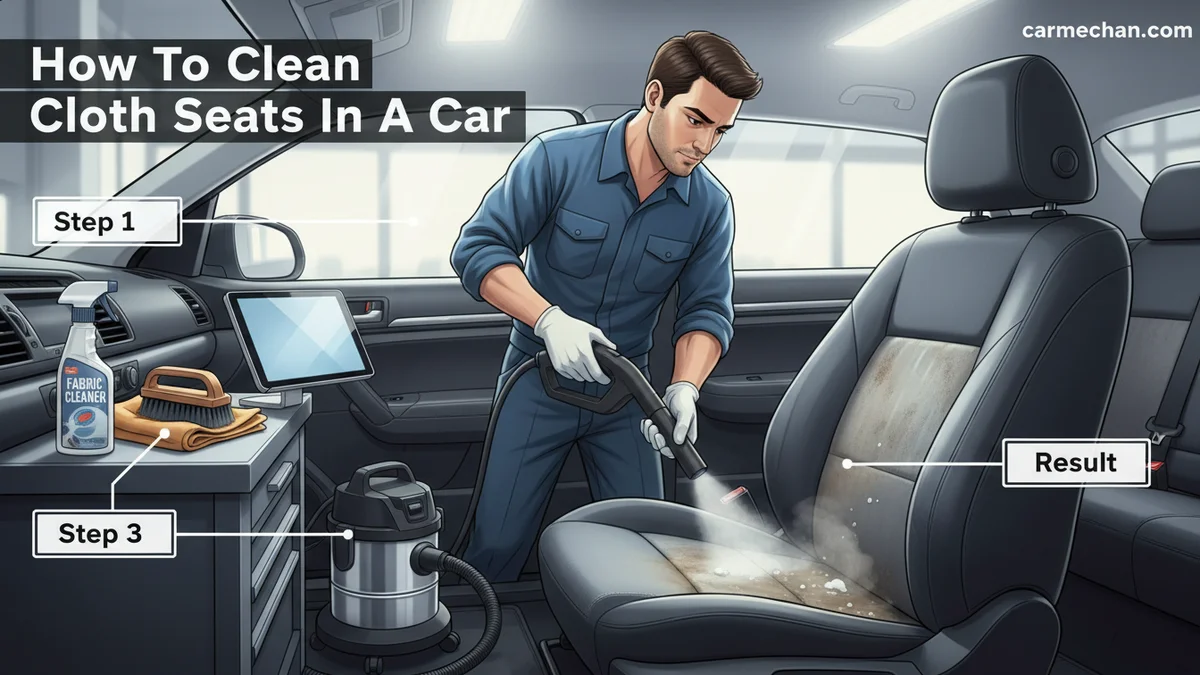
How to Deep Clean Cloth Car Seats in 6 Steps


Achieving pristine cloth car seats requires a structured approach. We break down the deep cleaning process into manageable steps, ensuring thoroughness and optimal results. Each stage plays a critical role in revitalizing your vehicle’s interior.
Gather Necessary Tools
Before you begin, gather all your supplies. This includes a vacuum cleaner with attachments, a spray bottle, microfiber towels, a soft-bristle brush, and your chosen cleaning solution. Having everything ready streamlines the entire cleaning process. Proper preparation prevents interruptions and makes the task more efficient.
Vacuum Thoroughly First
Start by removing all loose debris from the seats. Use a powerful vacuum cleaner with a crevice tool to reach crumbs, dirt, and pet hair lodged in seams and under cushions. This crucial first step prevents wet dirt from becoming mud during the cleaning process. A clean surface is essential for effective deep cleaning.
Pre-Treat Tough Spots
Identify any noticeable stains and pre-treat them before general cleaning. Apply a small amount of an appropriate stain remover directly to the spot. Allow it to dwell for a few minutes according to product instructions. This breaks down the stain for easier removal later.
Apply Cleaning Solution
Lightly mist your chosen upholstery cleaner onto a small section of the seat. Do not saturate the fabric. For general purpose car upholstery cleaner, a dilution ratio of 1:10 with water is often recommended. Work in small sections to maintain control.
Scrub Gently, Rinse Well
Using a soft-bristle brush or microfiber towel, gently agitate the cleaning solution into the fabric. Work in circular motions, focusing on lifting dirt from the fibers. Afterwards, use a clean, damp microfiber towel to blot and “rinse” the area, removing the cleaner and loosened dirt. Repeat until the area is clean.
Ensure Initial Drying
After scrubbing and rinsing each section, use a dry, clean microfiber towel to blot up as much moisture as possible. Press firmly to absorb excess liquid from the fabric. This significantly reduces drying time and helps prevent water spots. Initial drying is crucial for preventing future issues.
Having established the fundamental cleaning steps, understanding the right products and tools can significantly enhance your results.
5 Essential Products for Spotless Cloth Car Seats
The right arsenal of products and tools makes all the difference in cleaning cloth car seats. We have carefully selected items that provide superior cleaning power and protect your vehicle’s interior. Choosing the correct tools simplifies the process and delivers professional-level results.
Powerful Car Vacuums
A strong vacuum cleaner with specialized attachments is indispensable. Look for models designed for automotive use or powerful shop vacuums. These can effectively lift stubborn dirt, pet hair, and debris from deep within the fabric fibers. A thorough vacuuming sets the foundation for a successful clean.
Effective Fabric Cleaners
Invest in a quality car upholstery cleaner designed for cloth seats. Many options are pH-neutral and safe for various fabric types. Enzyme cleaners are particularly effective for organic stains like food or pet accidents. For example, many cleaners contain mild surfactants to break down grease without damaging fibers.
Soft Bristle Brushes
A detailing brush with soft bristles helps agitate the cleaning solution without damaging the fabric. These brushes can reach into the fabric’s weave, dislodging dirt and grime effectively. Using the right brush ensures gentle yet thorough cleaning. This prevents premature wear on your upholstery.
Absorbent Microfiber Cloths
High-quality microfiber towels are essential for applying cleaners, scrubbing, and blotting away moisture. Their exceptional absorbency and soft texture make them ideal for car interior cleaning. Microfiber is superior to cotton for its ability to pick up dirt and moisture without leaving lint. Always use fresh, clean cloths to avoid spreading dirt.
Carpet Extraction Tools
For the most thorough clean, consider a portable carpet extractor or wet/dry vacuum with an upholstery attachment. These machines spray cleaning solution and immediately suction it back up, removing deeply embedded dirt and moisture. This method greatly reduces drying times and prevents residual cleaning solution buildup.
Equipped with the right tools, you are now prepared to tackle specific challenges, especially those stubborn stains.
How to Remove 7 Stubborn Stains From Car Upholstery
Some stains present a greater challenge than general dirt, but specific techniques can effectively remove them. We provide targeted strategies for common and tough upholstery blemishes. Acting quickly is always the best approach to prevent stains from setting.
Coffee Spills
Blot excess coffee immediately with a clean cloth. Mix equal parts white vinegar and water with a drop of dish soap. Spray the solution onto the stain, let it sit for a few minutes, then blot with a clean, damp cloth until the stain lifts. Repeat if necessary.
Grease Marks
Sprinkle cornstarch or baking soda generously over the grease stain. Allow it to sit for at least 30 minutes to absorb the oil. Vacuum up the powder, then dab the remaining stain with a degreasing cleaner or rubbing alcohol on a microfiber cloth.
Mud Deposits
Let mud dry completely before attempting removal. Once dry, gently scrape off the hardened mud with a stiff brush or plastic scraper. Vacuum thoroughly to remove all loose particles. Then, use a general upholstery cleaner to clean any remaining discoloration.
Pet Accidents
Blot up as much pet urine as possible immediately. Spray the area with an enzyme-based pet stain and odor remover. These cleaners break down organic matter and eliminate odors at their source. Enzyme cleaners are highly effective at neutralizing odors and stains caused by pet accidents. Follow product instructions for dwell time and removal.
Vomit Residue
Carefully remove any solid vomit matter with a plastic scraper. Saturate the area with a mixture of baking soda and water to neutralize acid and absorb odors. Let it sit for 30 minutes, then vacuum. Clean the remaining stain with an upholstery cleaner and disinfect if possible.
Ink Stains
Dab the ink stain with rubbing alcohol or hairspray on a clean microfiber cloth. Blot gently from the outside of the stain inwards to prevent spreading. Do not rub vigorously. Follow up with a small amount of upholstery cleaner and blot dry.
Food Grime
Scrape off any solid food particles first. Use a general upholstery cleaner or a mixture of mild dish soap and warm water. Apply to the stain with a microfiber cloth and blot repeatedly. Always avoid oversaturating the area.
While successful stain removal is satisfying, understanding important safety measures prevents further damage or issues during the cleaning process.
3 Critical Safety Checks for Car Seat Cleaning
Cleaning your car seats requires attention to detail and crucial safety checks to protect both your vehicle and yourself. Neglecting these precautions can lead to fabric damage or health issues. We prioritize a safe and effective cleaning experience for every user.
Always Test First
Before applying any cleaning product to a visible area, always perform a spot test. Choose an inconspicuous area, such as under the seat or a hidden seam. Apply a small amount of the cleaner, let it dry, and check for discoloration or adverse reactions. This prevents permanent damage to your upholstery.
Avoid Oversaturation
Never drench your cloth seats with water or cleaning solution. Excessive moisture can penetrate deep into the foam padding, leading to mold, mildew, and unpleasant odors. It can also damage electrical components located under the seats. We advocate for a damp rather than wet approach.
Ensure Ventilation
When using cleaning chemicals, proper ventilation is critical. Open your car doors and windows to allow fresh air to circulate. This helps disperse chemical fumes, protecting your respiratory health. Cross-ventilation is particularly important when working with cleaning chemicals for extended periods. Adequate airflow also aids in faster drying.
Once you have safely cleaned your seats, the final critical step is ensuring they dry completely to prevent lingering issues.
How to Dry Car Seats Quickly After Washing
Proper drying is arguably the most critical step after cleaning your car’s cloth seats, preventing moisture-related problems. Incomplete drying can lead to mildew growth, musty odors, and even fabric degradation. We provide strategies to accelerate the drying process.
Maximize Airflow
After blotting excess moisture, open all car doors and windows for maximum airflow. For faster results, position a fan (or multiple fans) inside the car, directing air across the seats. Good air circulation is crucial for preventing moisture from lingering. Air circulation significantly reduces drying times and helps prevent moisture-related odors.
Employ Absorbents
Place absorbent towels on the seats after blotting. These can wick away remaining moisture from the fabric. You can also use a wet/dry vacuum to extract any remaining liquid from the upholstery. This method is highly effective at speeding up the drying process.
Consider Dehumidifiers
In humid environments, a small dehumidifier placed inside the car can significantly aid in drawing moisture out of the air and fabric. Close the windows and doors while the dehumidifier runs to maximize its effectiveness. Aim for humidity levels below 60% to effectively prevent mold growth. Car seats typically need 6 to 24 hours to fully dry, even with good airflow.
Restore Your Car’s Interior Today
Cleaning your car’s cloth seats effectively can transform your driving experience, making your vehicle feel new again. By following our detailed steps and using the right tools, you can confidently tackle dirt, spills, and stubborn stains. Remember that consistent care and quick action on spills will maintain your upholstery’s cleanliness over time. We encourage you to make car seat cleaning a regular part of your vehicle maintenance routine. A clean car interior contributes to a more pleasant and healthy environment for everyone inside. You now have the knowledge to achieve pristine cloth seats, safeguarding your car’s value and your comfort through 2026 and beyond.
Common Questions About Car Seat Cleaning
What Is the Best Homemade Solution to Clean Car Cloth Seats?
The best homemade solution combines equal parts white vinegar and water, with a few drops of dish soap. This mixture effectively tackles light stains and odors without harsh chemicals. Always test it on an inconspicuous area first to ensure no discoloration occurs. Apply sparingly with a spray bottle for best results.
How Long Does It Take for Car Seats to Dry After Cleaning?
Car seats typically take anywhere from 6 to 24 hours to fully dry after cleaning, depending on the method, humidity, and airflow. Using a wet vac, fans, or opening windows can significantly speed up the drying process. Avoid using your car until they are completely dry to prevent mold.
Can I Use a Carpet Cleaner Machine on My Car Seats?
Yes, you can use a portable carpet cleaner machine on car seats, provided you use an upholstery-safe attachment and solution. Exercise caution to avoid oversaturating the fabric, as excessive moisture can lead to mold or mildew. Always follow the manufacturer’s instructions for the specific machine.
How Do You Get Rid of a Bad Smell in Car Cloth Seats?
To remove bad smells, first thoroughly clean the seats to eliminate the source of the odor. Then, generously sprinkle baking soda over the entire area, letting it sit overnight to absorb odors. Vacuum thoroughly in the morning. An enzyme-based odor eliminator can also be very effective for persistent smells.
What Should I Avoid Using to Clean Cloth Car Seats?
Avoid using harsh chemicals like bleach, strong detergents, or ammonia-based cleaners, as these can damage fabric fibers or cause discoloration. Also, never use excessive water, as oversaturation can lead to mold, mildew, and damage to underlying components. Always choose gentle, pH-neutral solutions.