How Often To Recharge Car AC For Peak Coolness 2026 Guide
Last Updated on October 23, 2026 by Albert Duke
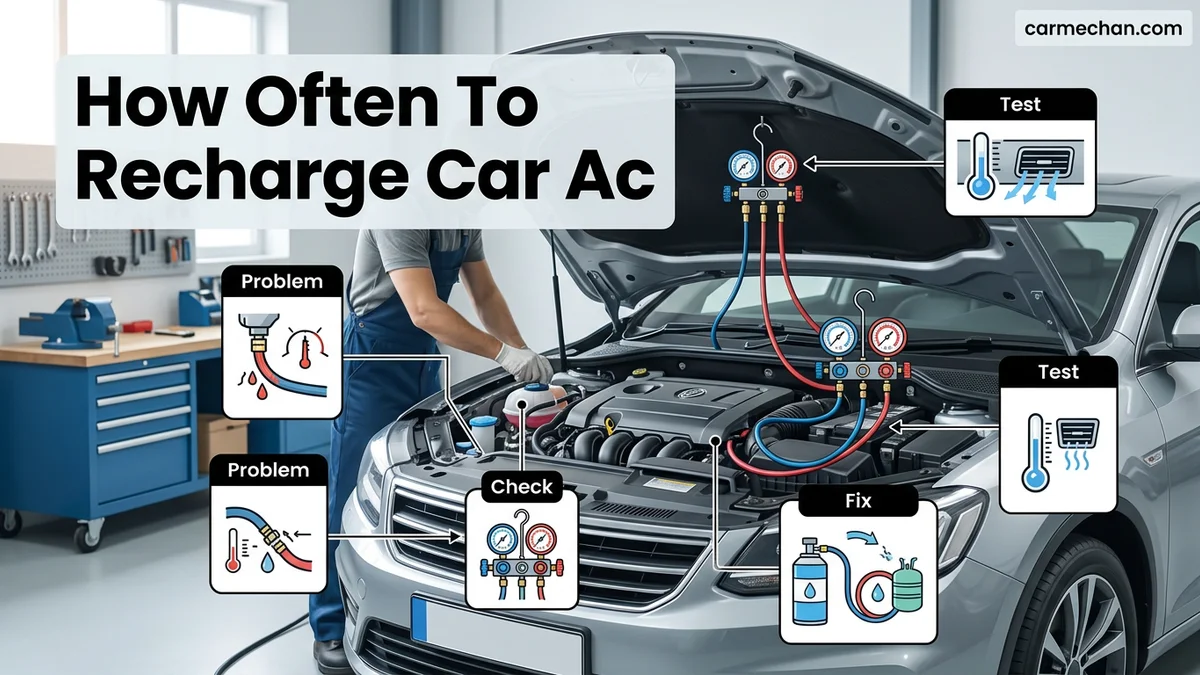
There is no set schedule for how often to recharge car AC. You should only recharge your car’s AC system when its cooling performance noticeably declines, indicating a leak or refrigerant loss, as the system is designed to be a sealed unit.
There is no set schedule for how often to recharge car AC. You should only recharge your car’s AC system when its cooling performance noticeably declines, indicating a leak or refrigerant loss, as the system is designed to be a sealed unit.
The question of how often to recharge car AC is common, but the direct answer might surprise you: ideally, never, unless there’s a leak or a system issue. Your vehicle’s air conditioning system is engineered as a sealed unit. This means that under normal circumstances, the refrigerant should not deplete over time. Loss of cooling power in 2026, therefore, signals an underlying problem, most often a leak.
This fundamental understanding guides our exploration of how your AC system works and what true refrigerant issues entail, preparing you for efficient maintenance.
Key Takeaways

- AC recharge isn’t routine maintenance.
- Loss of cooling indicates a problem.
- Refrigerant loss signals a leak.
- Professional leak detection is crucial.
- Regular checks prevent bigger issues.
How Often Does Car AC Need Recharge for Peak Coolness?

A car AC recharge isn’t routine maintenance. Unlike an oil change or tire rotation, your AC system should not regularly need a refrigerant top-off. This distinction is crucial for understanding proper vehicle care.
The purpose of a recharge is to replenish refrigerant that has escaped due, usually, to a leak. Therefore, waiting for a decline in cooling performance is generally the indicator that attention is needed. Proactive checks, however, can catch minor issues before they become major problems.
We recommend regular visual inspections for any signs of refrigerant leaks, especially before the warmer months. This approach shifts from reactive repairs to more informed upkeep for your vehicle’s air conditioning.
Why Does Your Car AC System Lose Refrigerant?
Your car’s AC system is fundamentally a sealed unit, meaning refrigerant should not diminish under normal operation without a reason. The entire closed-loop system is engineered to retain its refrigerant charge for the lifetime of the vehicle. When cooling performance drops, it invariably points to a breach in this sealed environment.
Understanding Sealed AC Systems
Refrigerant circulates through various components: the compressor, condenser, expansion valve, and evaporator. These parts are connected by hoses and lines, all designed to contain the refrigerant under high pressure. The system relies on precise refrigerant levels to efficiently transfer heat, cooling your cabin. Any deviation from these levels compromises performance, leading to warmer air.
Identifying Common Leak Spots
Leaks are the primary reason for refrigerant loss. These can occur at various points within the AC system. Common culprits include O-rings and seals that degrade over time, particularly where components connect. The compressor shaft seal is also a frequent leak point. Furthermore, road debris can damage the condenser, leading to punctures and refrigerant escape.
Permeability of AC Hoses
Even without an obvious crack or faulty seal, refrigerant can slowly escape through the porous nature of rubber hoses. While modern AC hoses are designed to minimize this, a small amount of permeation naturally occurs over many years. Older vehicles might experience slightly higher annual loss rates compared to newer models. . This gradual seepage, however, is rarely enough to necessitate a recharge within a few years.
Recognizing these potential weak points helps us understand precisely when an AC recharge becomes necessary, moving beyond the “never” ideal.
When to Recharge Your Vehicle’s AC System
The correct time to recharge your car’s AC system is not based on a calendar, but rather on noticeable reductions in its cooling capability. Simply topping off refrigerant without addressing the underlying cause is a temporary fix, not a permanent solution. Your system only needs a recharge if it has lost refrigerant.
Noticing Performance Degradation
If you find your AC blowing warm air, taking longer to cool the cabin, or simply not feeling as cold as it used to, these are primary indicators of a refrigerant shortage. Another sign is if the AC compressor cycles on and off more frequently than usual. These symptoms suggest that the system lacks the necessary refrigerant to effectively transfer heat. We advise paying close attention to any changes in your vehicle’s cooling behavior. For more on troubleshooting car issues, you can consult our comprehensive guide to vehicle problems.
Recharging After Component Repair
Any time an AC component is replaced or repaired, the system must be evacuated, checked for leaks, and then recharged with the correct amount of refrigerant. This ensures the new component operates efficiently and maintains system integrity. For instance, after a compressor replacement, recharging is an essential final step to restore functionality. Skipping this step would render the repair ineffective.
Avoiding Premature AC Service
Recharging your AC prematurely, when no refrigerant has been lost, offers no benefit and can even be detrimental. Overfilling the system can cause excessive pressure, potentially damaging the compressor or other vital components. This often results in more costly repairs. . Always ensure there’s a reason for a recharge before proceeding.
Understanding when to consider a recharge becomes clearer when you can identify the specific indicators that point to a refrigerant issue.
7 Specific Signs Your Car AC Needs Attention
Identifying a failing car AC system often begins with recognizing specific symptoms that deviate from normal operation. Catching these early can prevent more extensive damage. Here are seven indicators that your car AC might need professional attention in 2026.
Blowing Warm or Hot Air
The most obvious sign is when your AC system fails to produce cold air. If you turn on the AC and only warm or ambient temperature air comes out, it typically indicates low refrigerant levels or a compressor malfunction. This is a clear signal that the system isn’t cooling properly.
Weak Airflow From Vents
If the air coming from your vents is weak, even on the highest setting, it could point to a few issues. A common cause is a clogged cabin air filter, but it can also be due to a failing blower motor or an issue with the air ducts. Reduced airflow compromises cooling efficiency significantly.
Unusual Sounds From System
Strange noises like grinding, clicking, or rattling when your AC is running can indicate a problem. These sounds often originate from the compressor, which might be failing or experiencing internal issues. A professional inspection can pinpoint the exact source of the noise. Maintaining your engine can prevent such issues, as detailed in our regular car maintenance guide.
Unpleasant Odors Inside Cabin
A musty or moldy smell when your AC is on usually means there’s bacterial or fungal growth in the evaporator core or ducts. This can be caused by excessive moisture buildup. While not directly a refrigerant issue, it affects air quality and often accompanies other AC problems.
Visible Refrigerant Leak Signs
Sometimes, a refrigerant leak is visible. Look for oily residue around AC components, such as hoses, connections, or the compressor. Refrigerant oil often escapes with the refrigerant, leaving a greasy spot. This is a definite sign that your system has a breach.
AC Compressor Clutch Problems
The compressor clutch engages and disengages the compressor. If the clutch isn’t engaging, makes a loud screeching noise, or constantly cycles on and off, it suggests a problem. This could be due to low refrigerant, electrical issues, or a failing clutch assembly. .
Excessive Interior Humidity
A properly functioning AC system dehumidifies the air inside your car. If you notice that your car remains humid or that windows fog up easily even with the AC on, it indicates that the system is not adequately removing moisture. This could be due to low refrigerant or a clogged drain.
Once these warning signs are identified, the next step involves systematically determining the root cause, which often starts with a DIY assessment.
How to Test Your Car AC for Leaks
Before considering a recharge, accurately testing your car’s AC system for leaks can save both time and money. Identifying the source of a leak is paramount for a lasting repair, rather than merely topping off refrigerant. We encourage caution and proper safety measures when performing these tests.
Performing a Visual Inspection
Start with a thorough visual check of all accessible AC components. Look for any oily residue around hoses, fittings, the compressor, and the condenser. Refrigerant oil can sometimes leave a greasy stain where it has escaped. Also, inspect hoses for cracks or damage and check the condenser for any signs of impact from road debris.
Using UV Dye Kits Safely
UV dye kits are a popular and effective method for leak detection. You inject a special fluorescent dye into the AC system, which then mixes with the refrigerant and oil. After running the AC for some time, use a UV light and yellow glasses (typically included in the kit) to scan the system. Leaks will glow bright yellow or green under the UV light. Always follow the product instructions carefully. .
Operating Electronic Leak Detectors
Electronic leak detectors are professional tools that can also be used by advanced DIY enthusiasts. These devices sense the presence of refrigerant gases, alerting you with an audible or visual signal when a leak is detected. Move the detector slowly around all AC components, paying close attention to fittings and seals. They are highly sensitive but require some practice to use effectively.
Trying the Soap Bubble Test
For larger or more accessible leaks, a simple soap bubble test can be surprisingly effective. Mix dish soap with water to create a thick solution. Spray or brush this solution onto suspected leak areas, such as hose connections or the compressor. If bubbles form, it indicates refrigerant is escaping at that spot. This method is best for pinpointing leaks after some refrigerant has already been added to the system.
While some diagnostic steps are manageable at home, deciding between a DIY recharge and professional service is a critical consideration for lasting AC performance.
DIY AC Recharge Kits Versus Professional AC Service
When your car AC needs attention, you generally face a choice between attempting a DIY recharge or consulting a certified mechanic. Both options have distinct advantages and disadvantages, impacting cost, effectiveness, and system longevity. Making an informed decision helps maintain your vehicle’s comfort.
Evaluating DIY Recharge Kit Pros
DIY AC recharge kits are widely available and offer a quick, inexpensive way to potentially restore your car’s cooling. They are easy to use, often involving simply connecting a hose to the low-pressure port and adding refrigerant. This can provide a temporary fix, especially if the leak is very slow or minor. For minor discomfort during a hot summer, this option might seem appealing.
Understanding DIY Kit Cons
The primary drawback of DIY kits is that they only address the symptom (low refrigerant) without identifying or fixing the underlying problem (the leak). They often contain leak sealers that can potentially clog the system or cause more damage over time. Moreover, overcharging the system is a common risk with DIY kits, leading to excessive pressure and possible component failure. These kits cannot accurately measure the exact refrigerant needed for optimal performance.
Advantages of Professional Diagnosis
Professional AC service offers a thorough diagnosis using specialized equipment. Mechanics can accurately pinpoint leaks using advanced methods, evacuate the old refrigerant, repair the leak, and then precisely recharge the system to manufacturer specifications. This ensures a proper, lasting repair and prevents future damage. A mechanic can also diagnose other AC issues, like a failing compressor or clogged expansion valve, which DIY kits cannot address. For complex repairs, consider exploring how to choose a reliable mechanic.
Cost Implications of Each Option
A DIY recharge kit typically costs between $30 and $70. This makes it an attractive initial option. However, professional AC leak diagnosis and repair can range from $150 to $1,000 or more, depending on the complexity of the leak and the components needing replacement. While the upfront cost of DIY is lower, repeated recharges or eventual damage from an unaddressed leak can quickly surpass the cost of a professional repair. . In the long run, professional service often proves to be more cost-effective.
Making an informed choice requires weighing these factors, and having clear, direct answers to common questions can further guide your decision-making process.
Important Questions About Car AC Recharging
We understand you have more specific questions about maintaining your car’s AC. Here are answers to some of the most frequently asked questions about how often to recharge car AC and related topics.
How Long Does a Car AC Recharge Last?
A car AC recharge does not have a set lifespan. If the system is truly sealed after a repair, the refrigerant should ideally last indefinitely. However, if a leak remains, the recharge will only provide temporary cooling, often for a few months to a year, until the refrigerant depletes again.
Is It Bad to Recharge Car AC If It Doesn’t Need It?
Yes, recharging your car AC when it doesn’t need it can be harmful. Overcharging the system with too much refrigerant can lead to increased pressure, potentially damaging components like the compressor, condenser, or evaporator. This can result in more expensive repairs than the initial issue.
Can I Recharge My Car AC Myself?
You can recharge your car AC yourself using readily available DIY kits. However, these kits often only add refrigerant and a leak sealant, without properly identifying or fixing the underlying leak. While offering a temporary fix, professional service provides a more thorough diagnosis and lasting repair.
What Type of Refrigerant Does My Car AC Use?
Most modern cars (typically 1994 and newer) use R-134a refrigerant. Newer vehicles, generally from 2017 onwards, might use R-1234yf, which is more environmentally friendly. Always check your car’s owner’s manual or a sticker under the hood for the correct refrigerant type.
How Much Does It Cost to Recharge Car AC?
The cost to recharge a car AC varies widely. A DIY kit might cost $30-$70. Professional service, including leak detection and repair, can range from $150 to $1,000 or more, depending on the specific problem and the make and model of your vehicle.
Maintain Your Cool a Proactive Approach to Car AC
Understanding how often to recharge car AC boils down to knowing that a healthy system should rarely need it. We’ve established that a recurring need for refrigerant indicates a leak, not just a system craving a top-off. Prioritizing accurate diagnosis and professional repair over repeated DIY recharges is crucial for long-term AC health and your comfort on the road in 2026. By paying attention to the signs your vehicle gives you, and taking a proactive stance on maintenance, you can enjoy reliably cool air for years to come. Investing in proper AC care ultimately saves you time and money.