How Long Do Toyotas Last? Expected Mileage & Longevity Secrets
Last Updated on September 1, 2026 by Ryan
Toyota vehicles are renowned for their exceptional longevity, often lasting between 200,000 to 300,000 miles or more with proper care. This impressive durability is attributed to their robust engineering and commitment to reliability. Factors like consistent maintenance, driving habits, and specific model contribute significantly to maximizing their lifespan.
🎯 Key Takeaways
Recommended Best Deal Products


- Toyotas commonly exceed 200,000 miles with ease.
- Consistent, scheduled maintenance is crucial for maximum lifespan.
- Driving habits significantly impact vehicle longevity.
- Some Toyota models inherently last longer than others.
- High-mileage Toyotas can still be reliable and valuable.
If you’re wondering, “How long do Toyotas last?”, you’re asking a question with an exceptionally positive answer. Toyota vehicles are renowned for their remarkable longevity, frequently exceeding 200,000 to 300,000 miles with proper care, and many reaching even higher figures. This impressive durability isn’t just a point of pride; it translates directly into tangible benefits for you.

Audible — Listen Free for 30 Days
One free credit a month and thousands of titles included.
Listen Free for 30 Days
Understanding Toyota’s lifespan means more than just a number on the odometer. It directly impacts your long-term ownership costs, offering fewer unexpected repairs and often holding a stronger resale value than many competitors. For you, it provides invaluable peace of mind, knowing your vehicle is built to last through years of reliable service.
The Expected Lifespan and Mileage of Toyota Vehicles
The 200,000-Mile Benchmark and Beyond
For most Toyota owners, reaching 200,000 miles on the odometer is not an aspiration; it’s an expectation. With consistent maintenance and mindful driving, your Toyota can easily surpass this milestone. Many popular models are routinely observed hitting 250,000 to 300,000 miles, proving that Toyota engineers build vehicles for the long haul. It’s not uncommon to see a well-cared-for Camry, Corolla, RAV4, or a robust Tacoma and Tundra pickup truck still running strong well into its second or third decade.
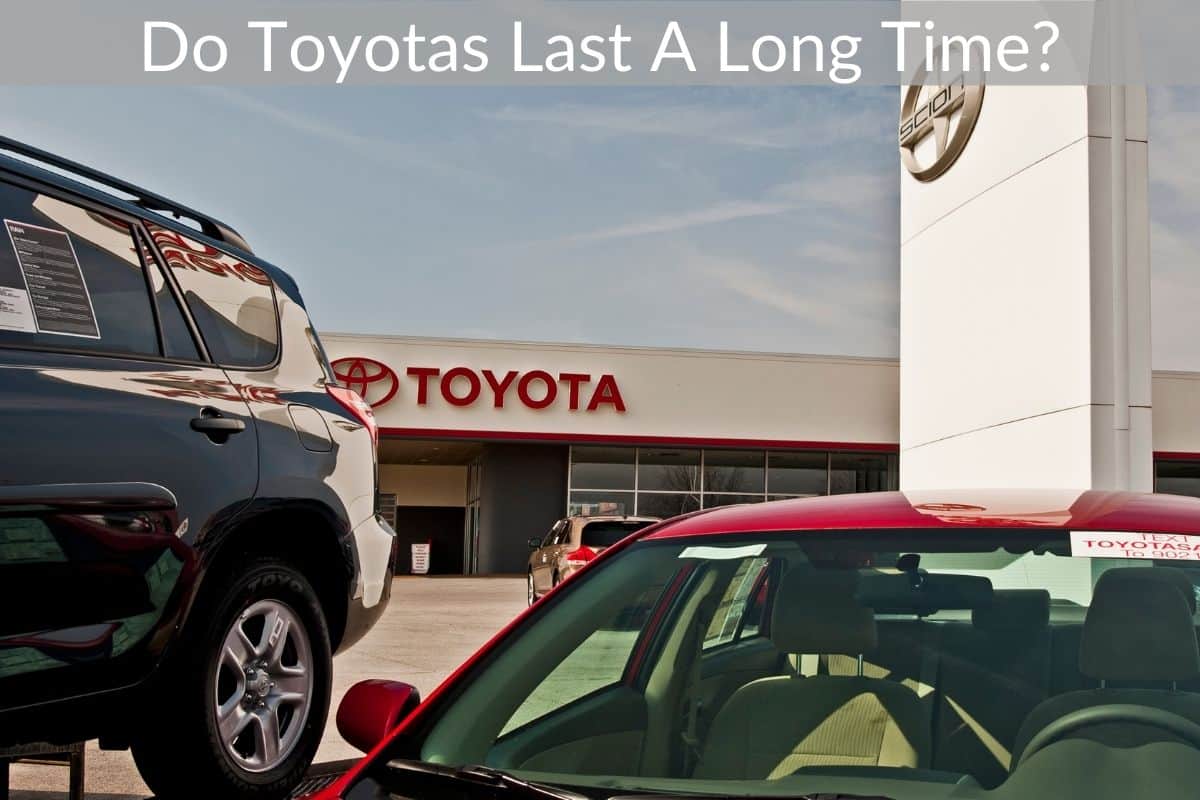
Industry data consistently supports this reputation. Organizations like Consumer Reports regularly highlight Toyota models for their superior longevity ratings, often showing them at the top of lists for vehicles most likely to reach 200,000 miles or more. For you, this means investing in a Toyota offers a high probability of extended, trouble-free service, making it an excellent long-term asset that reduces your overall cost of ownership.
Years on the Road and Driving Habits
Translating mileage into years, a Toyota driven the average 12,000-15,000 miles annually could easily last 15-20 years or even more. The exact duration for your vehicle will depend heavily on your driving habits and your commitment to its care. Aggressive driving, frequent short trips, or neglecting crucial service intervals can, of course, shorten any vehicle’s life, regardless of brand.
Conversely, smooth acceleration, gentle braking, and a consistent routine of maintenance can significantly extend your Toyota’s active lifespan. Choosing a Toyota gives you a head start in the longevity race; how far you go is largely up to you and how you treat your vehicle. The fundamental engineering is designed to endure, ready to serve you for many years if given the chance.
Unpacking Toyota’s Reputation for Reliability and Durability
Recommended Best Deal Products


Engineering for Endurance and Quality Control
Toyota’s legendary longevity isn’t accidental; it’s the result of a deliberate, deeply ingrained engineering philosophy. The company prioritizes robust design, often favoring proven, durable technologies over cutting-edge but unproven innovations. Their manufacturing processes adhere to stringent quality control, famously embodying principles like “Kaizen” (continuous improvement) and “Jidoka” (automation with a human touch to prevent defects).
This commitment means that every component, from the engine block to the smallest electrical sensor, is designed and tested for maximum durability. Independent studies consistently affirm this. J.D. Power, RepairPal, and various insurance industry reports consistently rank Toyota vehicles among the highest for long-term reliability and lowest incidence of major mechanical issues. This translates directly to fewer headaches and lower repair costs for you over your ownership period.
The Power of Quality Parts and Proactive Maintenance
Beyond robust initial engineering, Toyota’s durability is bolstered by its use of high-quality components designed to withstand the test of time. These parts are readily available and widely serviced, making routine maintenance and any necessary repairs straightforward and often more affordable than for some other brands. However, even the most durable machine requires care.

Prime for Young Adults — 6 Months Free
Students and 18–24s get six months of Prime free, then half price.
Start 6 Months FreeTo truly maximize your Toyota’s lifespan, proactive maintenance is paramount. This includes adhering to the manufacturer’s recommended service schedule for:
- Regular oil changes using the correct type of oil.
- Timely fluid checks and replacements (transmission, coolant, brake fluid).
- Routine tire rotations and alignments.
- Inspections of brakes, belts, and hoses.
- Addressing any warning lights or unusual noises promptly.
These simple, consistent actions protect your initial investment and ensure your Toyota lives up to its full potential for enduring reliability, giving you many years of dependable service.
Key Factors Influencing Your Toyota’s Longevity
While Toyotas are engineered for durability, several critical factors directly impact how far past 200,000 miles your specific vehicle will go. Understanding these can help you better predict and influence your car’s lifespan.
Driving Habits and Environment
The way you drive and where you drive significantly affects wear and tear. Aggressive driving—think hard acceleration, abrupt braking, and fast cornering—puts immense stress on your engine, brakes, and suspension components, accelerating their degradation. In contrast, gentle driving with smooth starts and stops reduces strain across the board.
- City vs. Highway Driving: Frequent stop-and-go traffic in urban areas means more idling, more brake usage, and more engine cycling, which can be harder on a car than consistent highway cruising. Highway miles often accumulate quicker but with less component wear per mile.
- Climate Conditions: Extreme temperatures can impact your vehicle. Hot climates stress cooling systems and degrade fluids faster, while cold climates strain batteries and put extra load on the engine upon startup. Salty roads from winter conditions are notorious for causing rust on the undercarriage and brake lines, silently eating away at structural integrity.
A Toyota Camry gently driven on long highway commutes in a temperate climate will typically outlast one that endures daily, aggressive short trips in a harsh, salty winter environment.
Quality of Maintenance and Parts
Even the most robust engineering needs proper support. The quality and timeliness of your vehicle’s maintenance play a monumental role in its longevity.
- Adherence to Service Schedules: Regular oil changes, fluid checks, tire rotations, and filter replacements prevent minor issues from escalating into major problems. Skipping these can lead to accelerated wear on critical components, such as the engine and transmission.
- Using Quality Parts and Fluids: Opting for genuine Toyota parts or high-quality OEM equivalents ensures components fit correctly and meet the manufacturer’s performance standards. Similarly, using the correct type and grade of engine oil, transmission fluid, and coolant is vital for optimal system function and protection. Cheap, incorrect, or generic fluids can reduce efficiency and cause premature failure.
- Skilled Mechanics: Having your Toyota serviced by certified technicians who understand its specific systems can make a huge difference. Their expertise ensures that diagnostics are accurate and repairs are done correctly the first time, preventing further damage.
Think of it like this: providing your Toyota with consistent, high-quality care is like providing a healthy diet and regular check-ups for yourself – it greatly extends the potential for a long, trouble-free life.
Maximizing Your Toyota’s Life: Maintenance and Ownership Insights
Recommended Best Deal Products

Your Toyota is designed for endurance, but its ultimate lifespan is significantly influenced by how you care for it. Proactive maintenance and smart ownership habits are your best tools for hitting those high mileage markers.
Adhering to the Service Schedule
The owner’s manual is your Toyota’s bible, detailing specific service intervals for everything from oil changes to timing belt replacements. Following this schedule is non-negotiable for maximizing longevity.

Prime Gaming — Free In-Game Loot
Free monthly games, in-game content and a Twitch channel sub.
Claim Free Loot- Routine Fluid Changes: Engine oil is paramount, but don’t forget transmission fluid, brake fluid, coolant, and power steering fluid. These fluids degrade over time and lose their protective qualities. Regularly refreshing them prevents wear on vital components.
- Filter Replacements: Air filters, oil filters, and fuel filters are your engine’s first line of defense against contaminants. Clogged filters force your engine to work harder, reducing efficiency and accelerating wear.
- Tire Care and Rotations: Proper tire pressure, regular rotations, and alignment checks ensure even tire wear, improve fuel economy, and contribute to a safer, smoother ride. This also reduces strain on your suspension.
Preventative maintenance is always more cost-effective than reactive repairs. For instance, replacing a worn serpentine belt is cheap; waiting until it snaps and damages other engine components is not.
Proactive Care and Vigilance
Beyond scheduled maintenance, being a vigilant owner means paying attention to your car’s subtle cues and addressing issues promptly.
- Listen to Your Car: Unusual noises – a new squeak, grinding sound, or vibration – are often early warnings of a developing problem. Don’t ignore them. Investigating early can prevent a minor issue from becoming a costly major repair.
- Heed Warning Lights: Your dashboard warning lights (e.g., Check Engine, ABS, Battery) are designed to alert you to problems. While some might seem minor, addressing them quickly can prevent cascading failures in complex systems.
- Regular Visual Checks: Take a few minutes periodically to inspect your tires, look for leaks under the car, check fluid levels, and examine belts and hoses for cracks or fraying. These quick glances can spot potential issues before they become critical.
- Keep it Clean: Washing your car regularly, especially during winter months where road salt is used, helps prevent rust and preserve the paint. A clean interior also prevents accelerated wear and tear on upholstery and surfaces.
By taking a proactive approach, you’re not just fixing problems; you’re actively preserving the integrity and performance of your Toyota, ensuring it remains a reliable companion for hundreds of thousands of miles.
Conclusion
Toyota’s reputation for building long-lasting vehicles is well-deserved, with many models reliably exceeding 200,000 and even 300,000 miles. However, achieving this impressive longevity isn’t solely a testament to engineering; it’s also a reflection of diligent ownership. Your driving habits, the environment you drive in, and especially the quality and consistency of your vehicle’s maintenance are paramount.
To ensure your Toyota reaches its full potential, make your owner’s manual your guide and commit to its recommended service schedule. Be proactive, listen to your vehicle, and address any concerns promptly. By investing a little time and care, you’ll ensure your Toyota remains a dependable part of your life for countless miles to come.
❓ Frequently Asked Questions
What specific factors contribute to Toyota’s reputation for longevity?
Toyota’s longevity stems from their robust engineering, use of high-quality components, stringent manufacturing standards, and a design philosophy focused on reliability and ease of maintenance. These elements combine to produce vehicles that consistently withstand the test of time and mileage better than many competitors.
Are there certain Toyota models known to last longer than others?
While all Toyotas are built for durability, models like the Land Cruiser, 4Runner, Tacoma, and Camry often stand out for exceptional high-mileage performance due to their robust powertrains and simpler, proven designs. Heavier-duty frames and engines, common in SUVs and trucks, tend to contribute to longer lifespans.
What are the most critical maintenance steps to ensure my Toyota lasts a long time?
Crucial maintenance includes consistent oil changes with the correct type, regular fluid checks and replacements (transmission, coolant, brake fluid), timely tire rotations, and prompt attention to any dashboard warning lights. Strictly following the manufacturer’s recommended service schedule is key to preventing major issues and extending vehicle life.
What should I consider when buying a high-mileage Toyota?
When purchasing a high-mileage Toyota, prioritize vehicles with a comprehensive service history, evidence of regular oil changes, and minimal rust or accident damage. A pre-purchase inspection by a trusted, independent mechanic is highly recommended to thoroughly assess the engine, transmission, suspension, and other critical components.
Does driving style affect how long a Toyota lasts?
Absolutely. Aggressive driving, characterized by frequent hard braking, rapid acceleration, and consistent heavy loads, can significantly reduce a vehicle’s lifespan and increase wear on critical components. Smooth, defensive driving habits conserve parts, reduce stress on the powertrain, and help your Toyota last longer.
At what mileage do Toyotas typically start needing major repairs?
While Toyotas are known for reliability, components like alternators, water pumps, or suspension parts may start needing replacement between 150,000 to 200,000 miles, depending on usage and maintenance. Major engine or transmission issues are less common with Toyotas but can occur if routine maintenance is severely neglected over time.