Kia Stinger Price Guide: 2023 & Used Market Costs Explored
Last Updated on September 1, 2026 by Ryan
The Kia Stinger, discontinued after the 2023 model year, is primarily found on the used market. Prices for used models vary significantly based on year, trim (GT-Line, GT1, GT2), mileage, and condition, with final new 2023 models commanding their original MSRP or slight premiums.
🎯 Key Takeaways
- Focus your search on the used market for Kia Stingers.
- Prices vary greatly by trim, model year, and mileage.
- GT-Line models are generally more budget-friendly options.
- GT1 and GT2 trims offer premium performance for a higher cost.
- Thoroughly inspect used Stingers and compare market prices.
If you’re looking to buy a Kia Stinger, understanding its current market price is critical, especially since new models are extremely rare. A new 2023 Kia Stinger GT-Line carried an MSRP starting around $37,365, while the performance-oriented GT2 started at approximately $52,565. However, the vast majority of available Stingers today are found on the used market, where prices generally range from $20,000 for older, higher-mileage models up to $55,000 or more for recent, low-mileage GT2 examples. This guide will provide clear, specific pricing data to help you navigate the Stinger market, identifying costs by trim level, year, and key influencing factors.

Prime for Young Adults — 6 Months Free
Students and 18–24s get six months of Prime free, then half price.
Start 6 Months Free
Knowing these price points and the variables that shift them allows you to set realistic expectations and make an informed purchase decision. The Stinger’s discontinuation means its value dynamics are unique, primarily driven by its reputation as a sought-after sports sedan on the secondary market. We’ll break down what you can expect to pay, distinguishing clearly between the final new models and the diverse used inventory.
Understanding the Kia Stinger’s Current Market Value
The Impact of Discontinuation on Stinger Pricing
The Kia Stinger concluded its production run with the 2023 model year, making new inventory virtually non-existent. This discontinuation significantly shapes its market value. If you happen to find a brand-new 2023 Stinger still on a dealer lot, expect its price to be at or potentially above its original MSRP, reflecting its rarity as a collector’s item and a last chance to own a new one. For most buyers, however, the used market is the only viable option.
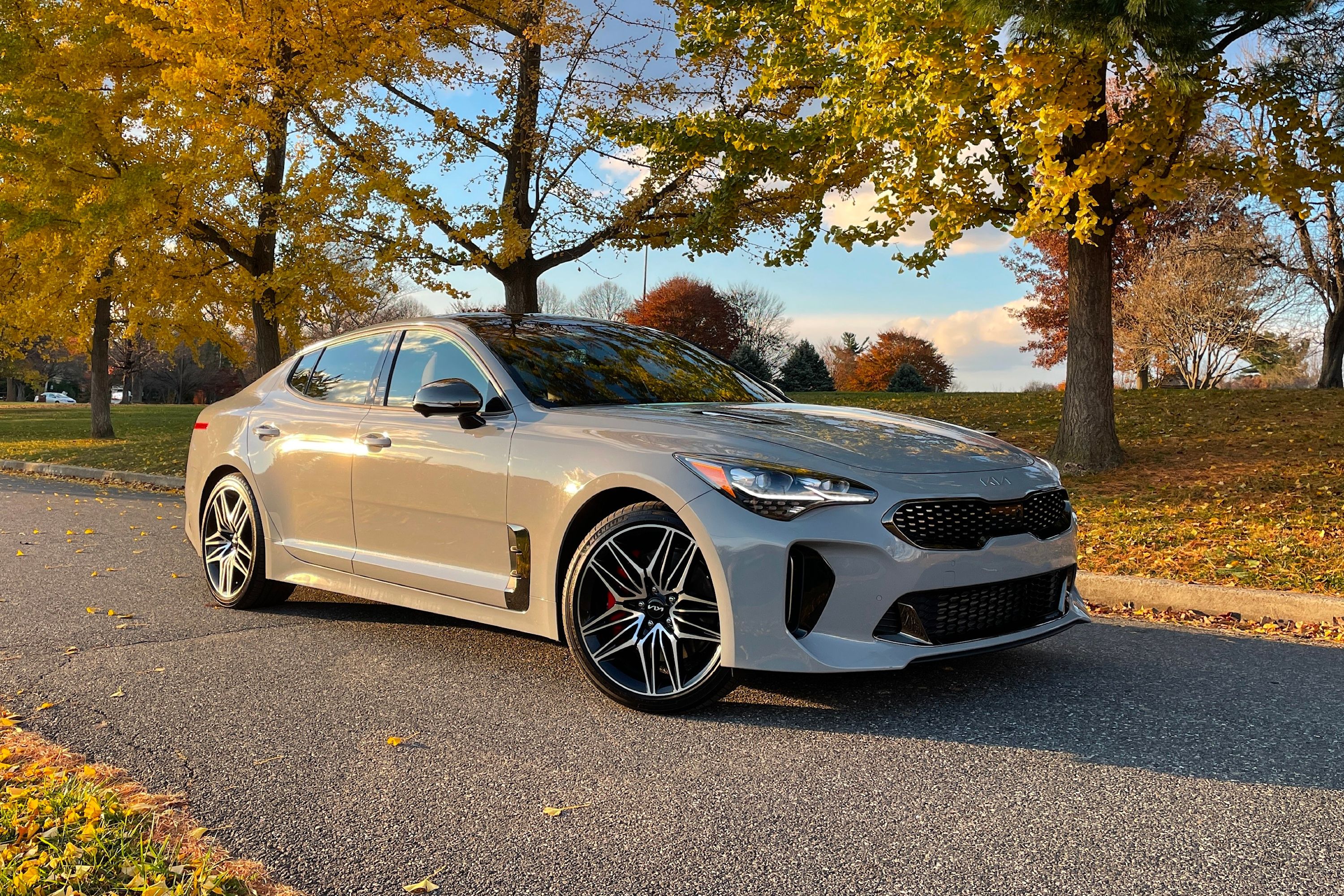
The Stinger’s status as a discontinued, enthusiast-loved vehicle means its used prices tend to hold strong. Unlike some cars that depreciate rapidly, well-maintained Stingers, especially the powerful V6 GT models, often command premium prices due to sustained demand and limited supply. This market dynamic emphasizes the importance of understanding specific trim levels and conditions.
Key Factors Influencing Stinger Prices
Several elements dictate what you’ll pay for a Kia Stinger. Focusing on these ensures you evaluate listings accurately:
- Trim Level: This is arguably the biggest differentiator. The Stinger was offered primarily in two performance tiers:
- GT-Line: (originally 2.0L turbo 4-cylinder, later 2.5L turbo 4-cylinder for 2022-2023) Represents the entry point, focusing on style and a balanced drive.
- GT, GT1, GT2: (all 3.3L twin-turbo V6) These V6 trims offer significantly more power and luxury features, with GT2 being the top-tier, most equipped variant.
- Year, Mileage, and Condition: Standard for any used vehicle, lower mileage and excellent condition for its age will always drive up the price. Pristine examples fetch a premium.
- Optional Packages and Features: Specific packages like the Sunroof & Power Package on earlier GT-Lines or advanced driver-assist systems on GT models add value. AWD capability is also a desirable option that often adds to the price, particularly in colder climates.
- Geographic Location: Prices can vary significantly by region. Areas with high demand for sports sedans or regions with limited inventory may see higher prices.
Everything You Need to Know About Kia Stinger Pricing
Embarking on the quest for a Kia Stinger is an exciting journey, but understanding its true cost can be multifaceted, especially since production has ceased. This comprehensive guide will walk you through every essential step, from initial research to final purchase considerations, ensuring you’re well-equipped to determine “how much is a Kia Stinger” and secure the best possible deal. Following these detailed instructions will empower you with knowledge, save you time, and potentially significant money.
Step 1: Understand the Kia Stinger’s Market Status
What you need: Internet access, a basic understanding of vehicle lifecycles.
Instructions: Recognize that the Kia Stinger concluded its production run in late 2023 for most markets, meaning new models are now exceedingly rare, primarily consisting of leftover dealer stock or pre-registered vehicles. The vast majority of available Stingers are pre-owned. This crucial distinction dictates your search strategy: you’re primarily entering the used car market. Your focus should shift from comparing new MSRPs to analyzing depreciation, mileage, and condition for existing vehicles. Familiarize yourself with the Stinger’s model years (2018-2023) and its various trims to understand the range of options available on the secondary market.
Pro Tip: Be wary of any “new” Stinger listings that seem too good to be true; verify the vehicle’s actual registration status (e.g., demonstrator, pre-registered) before proceeding with serious inquiries.

Audible — Listen Free for 30 Days
One free credit a month and thousands of titles included.
Listen Free for 30 DaysStep 2: Research Original MSRP (For Contextual Value)
What you need: Internet access, historical vehicle data websites (e.g., Edmunds, Kelley Blue Book archives).
Instructions: While you’re likely buying used, understanding the original Manufacturer’s Suggested Retail Price (MSRP) for different model years and trims provides a vital baseline for assessing depreciation and current market value. For example, a 2018 Stinger GT Limited might have had an MSRP around $50,000-$52,000, while a later 2023 GT2 could have peaked at $53,000-$55,000 before options. Research these figures for the specific model years and trims you’re interested in. This historical data helps you gauge if a used Stinger’s asking price is reasonable given its initial cost and age, providing a valuable negotiation anchor.
Pro Tip: Remember that MSRP doesn’t include dealer markups or added accessories, so it’s a floor, not necessarily a ceiling, for original transaction prices. Use it as a guide for depreciation calculation.
Step 3: Explore Online Used Car Marketplaces
What you need: Computer or smartphone, internet access, accounts on popular car listing sites (e.g., AutoTrader, Cars.com, CarGurus, eBay Motors, local dealer websites).
Instructions: This is where you’ll spend most of your time. Begin by searching for “Kia Stinger” on major online used car platforms. Filter your results by model year (2018-2023), mileage, trim level (e.g., GT-Line, GT, GT1, GT2), and geographical distance from you. Pay close attention to the number of listings, the spread of prices, and the quality of the photos provided. Note down specific vehicles that catch your eye, including their VIN, asking price, mileage, and reported condition. Expand your search radius to see how prices vary regionally, as demand and supply can differ significantly across states or provinces.
Pro Tip: Set up email alerts on these platforms for new Stinger listings that match your criteria. This ensures you’re among the first to know when a desirable option becomes available, which is key in a limited market.
Step 4: Analyze Key Factors Influencing Used Stinger Price
What you need: Your compiled list of potential Stingers, a spreadsheet or notebook for comparison.
Instructions: The price of a used Stinger is highly variable. Systematically evaluate each listing based on:
- Model Year: Newer models generally command higher prices due to less depreciation.
- Trim Level: A top-tier GT2 will be significantly more expensive than a base GT-Line or GT.
- Mileage: Lower mileage vehicles are more desirable and pricier. A Stinger with 30,000 miles will be notably more expensive than one with 80,000 miles, assuming similar age and condition.
- Condition: Look for accident history (CarFax/AutoCheck reports are essential), signs of wear and tear, and maintenance records. Pristine condition adds significant value.
- Location: Prices can vary by state or region due to local market demand, availability, and sales tax rates.
- Options/Packages: Performance upgrades like Brembo brakes, sunroof, or advanced driver-assist systems (ADAS) can increase value.
Pro Tip: Create a ranking system or a simple score for each factor to objectively compare different vehicles and identify fair pricing. This method helps cut through emotional appeal.
Audible Premium Plus — Annual Membership
12 audiobook credits up front, plus the full Audible catalogue.
See Annual PlansStep 5: Utilize Professional Valuation Tools
What you need: Vehicle identification numbers (VINs) from listings, access to valuation websites (e.g., Kelley Blue Book, Edmunds, NADAguides).
Instructions: Once you have a shortlist of specific Stingers, input their VINs, mileage, reported condition, and optional features into widely recognized valuation tools like Kelley Blue Book (KBB), Edmunds, and NADAguides. These tools provide estimated trade-in, private party, and dealer retail values. Understand that each tool uses slightly different methodologies, so comparing all three will give you a more accurate price range. Pay close attention to the “private party” value if you’re considering buying from an individual, and the “dealer retail” value if you’re looking at a dealership. This helps set realistic expectations for negotiations.
Pro Tip: Be honest about the car’s condition when using these tools; overstating its condition will give you an artificially high estimate, leading to disappointment or frustration during negotiations.
Step 6: Account for Additional Costs and Fees
What you need: Knowledge of your local sales tax rate, insurance quote tools, a calculator.
Instructions: The sticker price is rarely the final price. Budget for these essential additional costs:
- Sales Tax: Varies significantly by state, typically 0% to 10% of the purchase price. For a $30,000 Stinger at 7% sales tax, this is an extra $2,100.
- Registration and Title Fees: State-dependent, usually a few hundred dollars.
- Documentation Fees (“Doc Fees”): Dealer fees that can range from $0 to over $1,000. These are often negotiable, so challenge exorbitant amounts.
- Insurance: Obtain quotes from multiple providers before purchase. Stingers, being performance-oriented, might have higher premiums. A 30-year-old male might pay $150-$250/month, depending on location and driving history.
- Pre-Purchase Inspection (PPI): Highly recommended, budget $150-$300 for a third-party mechanic.
- Potential Maintenance: Budget for immediate repairs if the PPI reveals any issues or if the car is due for service.
Pro Tip: Always ask for an “out-the-door” price from a dealer to get the total cost, including all fees and taxes, simplifying your budget and preventing surprises.
Step 7: Arrange a Pre-Purchase Inspection and Test Drive
What you need: Funds for inspection, an appointment with a trusted independent mechanic, driver’s license, proof of insurance.
Instructions: Before making any commitment, arrange a thorough Pre-Purchase Inspection (PPI) by an independent, trusted mechanic who specializes in performance vehicles, if possible. They will identify any hidden issues, fluid leaks, suspension wear, or electrical problems that aren’t obvious to the untrained eye. Simultaneously, conduct a comprehensive test drive yourself. Pay attention to engine noise, transmission shifts, brake feel, steering response, and any unusual vibrations or warning lights. Drive it at various speeds, including highway, and on different road surfaces to get a full impression of its handling and comfort, ensuring it meets your expectations.
Pro Tip: If the seller refuses a PPI, consider it a major red flag and walk away. A reputable seller will have nothing to hide and welcomes independent verification of the vehicle’s condition.
Step 8: Negotiate the Purchase Price
What you need: Your research (valuation tools, comparable listings), confidence, an understanding of your maximum budget.
Instructions: Armed with your research from valuation tools (Step 5) and any findings from the PPI (Step 7), you are in a strong position to negotiate. If buying from a dealer, be prepared for sales tactics. Start with an offer slightly below your target price, leaving room for counter-offers. Highlight any flaws found during the PPI as leverage. For example, if the KBB value is $28,000 and the car needs $800 worth of new tires, you could aim for an offer around $27,000-$27,500. Be polite but firm. If buying privately, having cash ready or pre-approved financing to show you are a serious buyer can give you a significant advantage in securing a better deal.
Pro Tip: Be willing to walk away if the price isn’t right or if negotiations become unreasonable. There will always be other Stingers, and patience often pays off in securing the best value.
Step 9: Understand Financing and Warranty Options
What you need: Personal credit report, bank pre-approval, understanding of warranty terms.
Instructions: If you’re not paying cash, secure financing before stepping into a dealership. Get pre-approved by your bank or credit union to know your interest rate and maximum loan amount. This gives you negotiating power and prevents impulse decisions based on dealer financing offers, which may not always be the best. Also, consider the Stinger’s warranty status. New Stingers came with a 5-year/60,000-mile basic warranty and a 10-year/100,000-mile powertrain warranty. A used Stinger might still have some original warranty remaining, or you might consider purchasing an extended warranty, especially for a performance car with potentially higher repair costs down the line. Compare coverage and cost carefully.
Pro Tip: Always read the fine print of any warranty, extended or otherwise, to understand precisely what is and isn’t covered, the deductible amount, and any specific conditions that might void the coverage.
✅ Final Checklist
-
Vehicle’s market value accurately determined using multiple sources (KBB, Edmunds, NADA).
-
Full understanding of all associated costs (tax, registration fees, documentation fees, initial insurance premiums).
-
Comprehensive pre-purchase inspection by an independent mechanic completed, with any identified issues documented.
-
Thorough test drive conducted, covering various driving conditions (city, highway, turns, braking).
-
Negotiated purchase price reflects vehicle condition, market value, and any agreed-upon repairs or maintenance needs.
Important Notes:
-
Safety considerations: Always test drive responsibly and never purchase a vehicle without confirming its title is clear (no liens, salvaged, or rebuilt status) and that it passes any local emissions or safety inspections.
-
When to seek professional help: If you’re unsure about mechanical issues, legal paperwork (like title transfers or sales contracts), or loan terms, consult a trusted mechanic, lawyer, or financial advisor. Never rely solely on seller or dealer information without independent verification.
-
Estimated time and cost range: The entire process, from initial research to final purchase, can typically take 2-4 weeks, depending on your local market and desired specifications. The cost of a used Kia Stinger can range from approximately $20,000 for an early model year with higher mileage (e.g., 2018 GT-Line with 80k+ miles) to $45,000-$55,000 for a low-mileage, late-model GT2 in pristine condition. Remember to budget an additional 5-10% of the purchase price for taxes, fees, and initial registration expenses.
Detailed Pricing Breakdown: New (2023) vs. Used Models by Trim
New 2023 Kia Stinger MSRP (If Available)
Finding a new 2023 Kia Stinger is challenging, but if you do, here were the final MSRPs before destination charges:

- 2023 Stinger GT-Line: Starting around $37,365 (RWD), $39,565 (AWD)
- Powered by a 2.5-liter turbocharged 4-cylinder engine (300 hp).
- 2023 Stinger GT2: Starting around $52,565 (RWD), $54,765 (AWD)
- Equipped with a more powerful 3.3-liter twin-turbo V6 engine (368 hp) and premium features.
Any remaining new stock might be subject to dealer-specific pricing adjustments due to its rarity. Negotiation room may be minimal, or even non-existent, depending on the dealership and local demand.
Average Used Kia Stinger Prices by Trim and Year
The used market provides the widest range of Stinger options. Prices fluctuate significantly based on model year, mileage, condition, and specific options. Here are general price ranges:
- Used GT-Line (4-Cylinder Models):
- 2022-2023 (2.5L Turbo): Expect to pay $30,000 – $38,000+. Pristine, low-mileage 2023 models can approach new MSRP.
- 2018-2021 (2.0L Turbo): Prices typically fall between $20,000 – $30,000. These are the most accessible entry points to Stinger ownership.
- Used GT (V6 Models – GT, GT1, GT2):
- 2022-2023 (GT2 3.3L Twin-Turbo): These command $45,000 – $55,000+. Top-tier, low-mileage examples of the final model year are highly sought after.
- 2018-2021 (GT, GT1, GT2 3.3L Twin-Turbo): Prices range from $35,000 – $48,000. Early GT2 models will be at the higher end of this spectrum, while base GT or GT1 trims will be lower.
Remember, these are average ranges. A Stinger with exceptionally low mileage, perfect service history, or rare optional packages could command a higher price. Conversely, models with higher mileage, minor cosmetic flaws, or those located in less competitive markets might be found at the lower end of these ranges.
<h2>Key Factors Influencing Kia Stinger Pricing</h2>

<h3>Trim Level and Engine Options</h3>

<p>The Stinger's trim levels are perhaps the most significant determinant of its price tag. The entry-level, often referred to as the GT-Line in later years, features a potent 2.5L turbocharged four-cylinder engine, delivering strong performance for everyday driving. However, the true performance enthusiasts almost invariably gravitate towards the GT models. These are equipped with the legendary twin-turbocharged 3.3L V6 engine, offering exhilarating acceleration and a more aggressive driving experience. This significant engine upgrade, along with other luxury and performance enhancements, can easily add many thousands of dollars to the price, whether you're looking at a brand new 2023 model or a used one from a previous year. For instance, a used 2020 Stinger GT will almost always command a higher price than a similarly aged GT-Line, reflecting its superior power, more premium cabin materials, and enhanced braking systems.</p>

<h3>Mileage, Condition, and Features</h3>

<p>Beyond the fundamental trim level, a host of other elements play a crucial role in determining a Stinger's market value.</p>

<ul>

<li><strong>Mileage:</strong> Unsurprisingly, lower mileage almost always equates to a higher price, assuming comparable overall condition. Each additional 10,000 miles can noticeably shift the valuation, as it implies less wear and tear on critical components.</li>

<li><strong>Condition:</strong> A Stinger with a pristine exterior, an unblemished interior, a clean title, and no accident history will naturally fetch top dollar. Conversely, even minor dents, noticeable scratches, worn upholstery, or a history of significant repairs can lead to substantial price reductions.</li>

<li><strong>Optional Features:</strong> Desirable optional features significantly boost a used Stinger's value. Look for all-wheel drive (AWD) – a major plus in colder climates – a power sunroof, upgraded Harman Kardon premium sound systems, advanced driver-assist safety packages, or the distinctive red Brembo brake calipers that come with certain GT performance packs. These additions enhance both the driving experience and resale appeal.</li>

<li><strong>Maintenance History:</strong> A comprehensive, well-documented service history indicating regular maintenance by certified technicians provides immense reassurance to potential buyers and strongly supports a higher valuation.</li>

</ul>
<h2>Buying Considerations and Future Value of the Stinger</h2>
<h3>Assessing Your Needs and Budget</h3>
<p>Before diving into the market, take a moment to honestly assess what you truly value in a vehicle. Are you an adrenaline junky prioritizing raw power and track-ready dynamics? If so, a GT model with its potent V6 is unequivocally your target. However, if you're drawn to the Stinger's striking aesthetics and engaging daily driving experience without needing the absolute maximum horsepower, a GT-Line offers a phenomenal balance of sportiness and affordability, potentially saving you a considerable sum. Crucially, remember to budget beyond the initial purchase price. Factor in ongoing costs such as insurance, which can be higher for performance-oriented vehicles, and routine maintenance. Many savvy buyers often find the "sweet spot" for value in 2-4 year old used models, where much of the steepest initial depreciation has already occurred, yet the car still feels relatively new and modern.</p>
<h3>Understanding Depreciation and Collectibility</h3>
<p>Like the vast majority of vehicles, the Kia Stinger will experience depreciation, particularly during its first few years on the road. However, its unique position in the market as Kia's foray into performance sedans, combined with its recent discontinuation, gives it a slightly different and potentially intriguing depreciation curve.</p>
<ul>
<li><strong>Typical Depreciation:</strong> Expect the steepest depreciation to occur in the first 3-5 years from its original sale date. This is common across the automotive industry and is precisely why buying a slightly used Stinger can be such a smart financial move.</li>
<li><strong>Potential Future Collectibility:</strong> As Kia's audacious and now-discontinued halo performance sedan, the Stinger holds a special niche. Well-maintained, lower-mileage GT models, especially the more unique final editions like the Tribute Edition, could potentially hold their value better than average in the long term, or even slowly appreciate as a desirable "modern classic." Its distinctive design and V6 power make it stand out.</li>
<li><strong>Current Market Demand:</strong> The current demand for used Stingers remains robust, driven by enthusiasts seeking a high-performance, stylish sedan at a competitive price. This sustained interest helps to temper rapid depreciation for the foreseeable future.</li>
</ul>
<h2>Conclusion</h2>
<p>The Kia Stinger, whether you're eyeing a pristine 2023 model or a well-loved used example, offers an undeniably appealing blend of exhilarating performance, sophisticated style, and remarkable value. While the final 2023 models represent the pinnacle of its production run, the robust used market presents excellent opportunities to own this compelling sports sedan at a more accessible price point. Remember that crucial factors like trim level, engine choice, mileage, condition, and optional features will heavily influence its ultimate cost.</p>
<p>Before making your final decision, we highly recommend that you <em>test drive different trims</em> – especially comparing the GT-Line with the formidable GT – to truly feel the distinctions and find what suits your driving style best. Thoroughly research specific model years that align perfectly with your budget and desired features.</p>
<p>Ready to embark on the journey to find your perfect Stinger? <strong>Start exploring local listings and online marketplaces today to experience pure driving excitement!</strong></p>
❓ Frequently Asked Questions
What was the MSRP for the final 2023 Kia Stinger models?
The MSRP for the final 2023 Kia Stinger models started around $37,000 for the GT-Line and climbed to over $52,000 for the top-tier GT2 trim before any options or destination fees. Actual purchase prices for new 2023 models could vary based on dealership availability and market demand.
How do GT-Line, GT1, and GT2 trim levels affect used Stinger prices?
Used Stinger prices are significantly influenced by trim level, with the GT-Line being the entry point with a 2.5L turbo engine, offering the lowest prices. The GT1 and GT2 trims, featuring the more powerful 3.3L twin-turbo V6 engine and additional luxury/performance features, command higher prices, with the GT2 being the most premium and expensive option.
What common factors beyond trim and mileage influence a used Kia Stinger’s price?
Beyond trim and mileage, a used Kia Stinger’s price is influenced by its overall condition (interior, exterior, mechanical), presence of optional packages (e.g., sunroof, premium audio), service history, accident history, and regional market demand. Certified Pre-Owned (CPO) vehicles also typically carry a premium.
Is the discontinuation of the Stinger impacting its used market value?
The discontinuation of the Kia Stinger can have a dual impact on its used market value; initial scarcity might maintain higher prices for well-preserved models, while long-term maintenance and parts availability concerns could lead to depreciation. Enthusiast demand for its unique blend of performance and luxury also plays a role.
Are there any specific model years of the Kia Stinger that are more sought after or hold value better?
Generally, newer model years (2020-2023) with lower mileage tend to hold their value better due to updated features and less wear and tear. The final 2023 model year may also be sought after by collectors due to its status as the last production run, potentially influencing its resale value positively.
What should I look for when negotiating the price for a used Kia Stinger?
When negotiating a used Stinger’s price, research comparable listings in your area, obtain a vehicle history report (CarFax/AutoCheck), factor in potential maintenance needs based on mileage, and be aware of any recalls. Leverage any minor cosmetic or mechanical issues found during a pre-purchase inspection to support your offer.