What year did 4runner get adaptive cruise control: Clarified
Ever wondered if your 4Runner has the smarts to keep pace with traffic automatically? Many owners struggle to identify which 5th Generation models include Toyota’s advanced safety suite versus traditional, non-adaptive cruise control. As the 4Runner platform remained largely unchanged for over a decade, identifying exactly what year did 4Runner get adaptive cruise control is critical for prospective buyers and current owners who want to leverage modern convenience features. In this guide, we clarify the timeline of Toyota’s safety integration and provide the expert information you need to master your vehicle’s systems.

What Year Did 4Runner Get Adaptive Cruise Control: The TSS Timeline
Recommended Best Deal Products


📤 Share Image
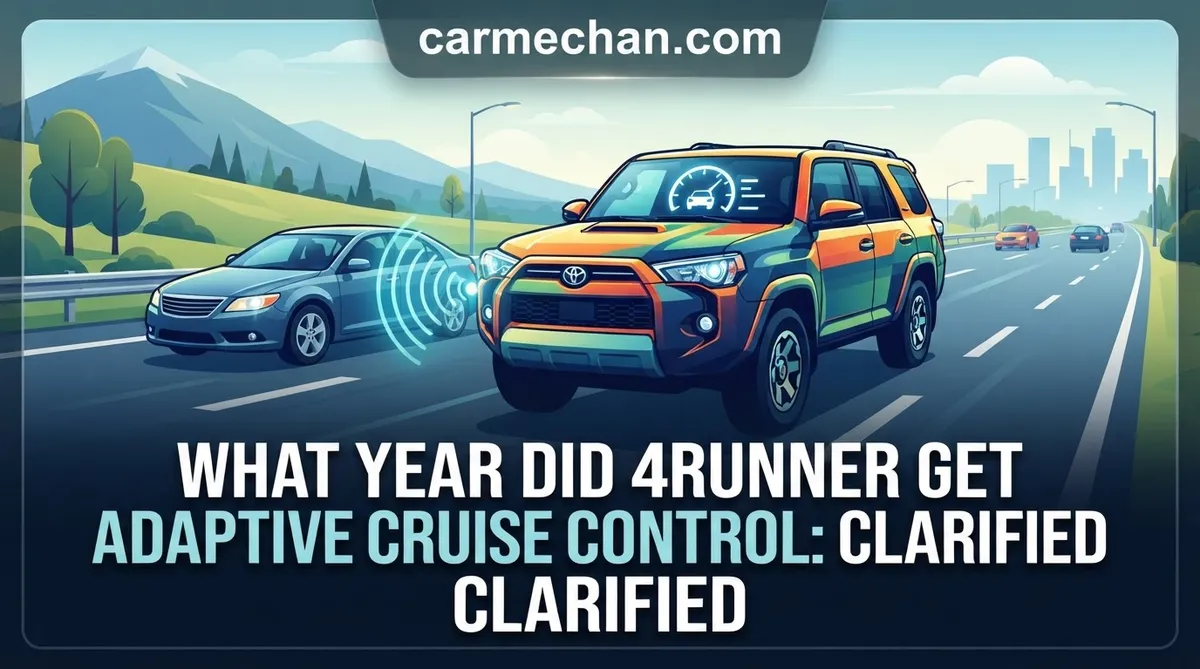
For the vast majority of the 5th Generation’s life cycle, the 4Runner utilized conventional, speed-locked cruise control. Unlike many other Toyota models that integrated Toyota Safety Sense (TSS) early in their product refresh cycles, the 4Runner relied on its proven, albeit aging, platform architecture. It wasn’t until the 2020 model year that Toyota made the proactive decision to include the TSS-P suite as standard equipment on every 4Runner trim, effectively marking the debut of Dynamic Radar Cruise Control for the nameplate.
Why the 5th Generation Waited for Safety Updates
The delay in implementing advanced driver-assist systems in the 4Runner was largely a consequence of the vehicle’s long production run. Because the 5th Generation utilized an older electrical and sensor architecture, retrofitting modern millimeter-wave radar and complex windshield-mounted cameras required significant engineering adjustments to the front grille and dashboard layout. While consumers demanded more technology, Toyota prioritized the 4Runner’s reputation for mechanical simplicity and reliability until the 2020 refresh.
Defining Dynamic Radar Cruise Control vs Standard Systems
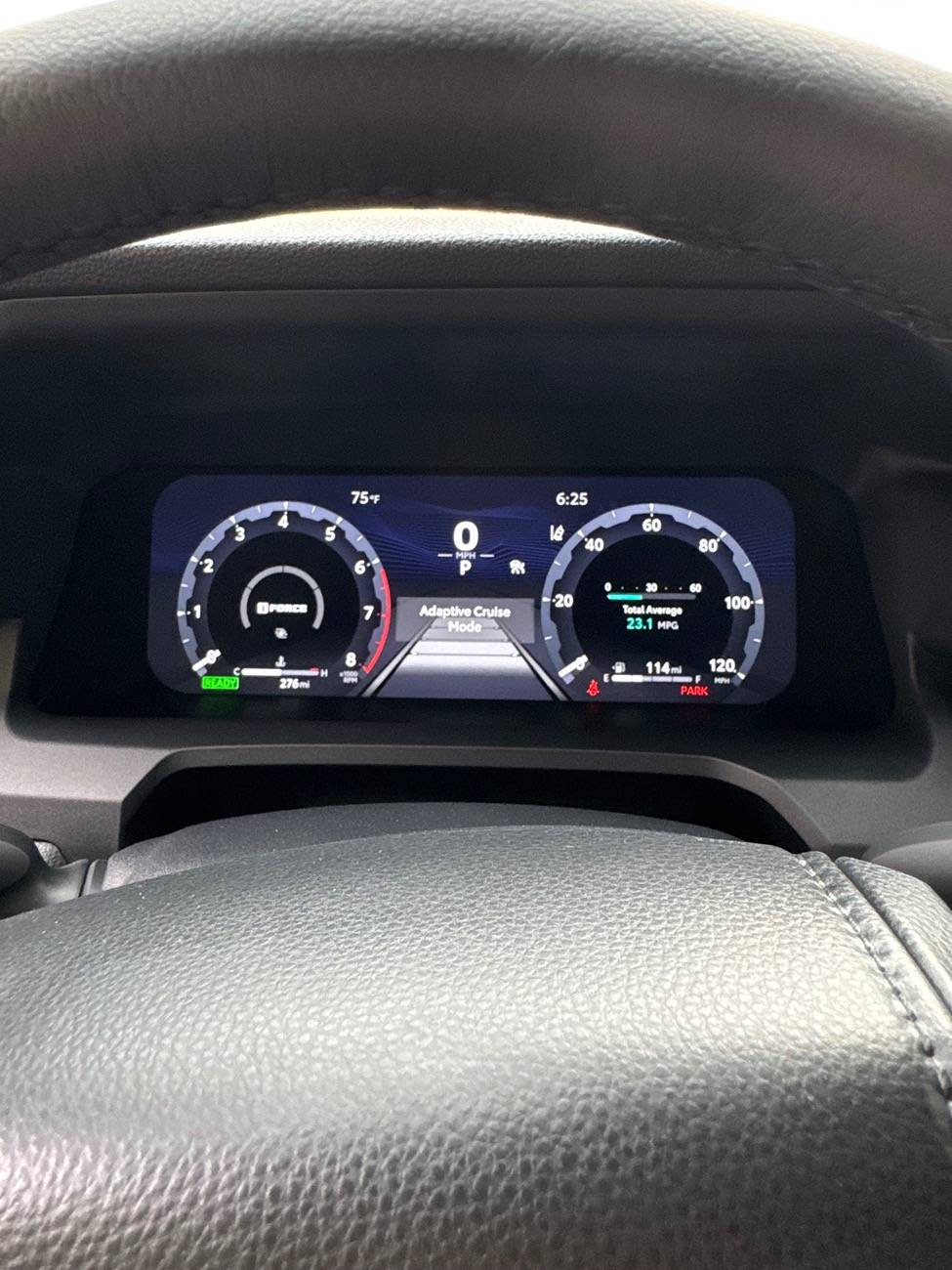
It is vital to distinguish between the two systems found in various model years. A 2019 4Runner, for instance, features a standard cruise control system that maintains a set vehicle speed regardless of traffic conditions; if you encounter a slower vehicle, you must manually cancel the cruise control or apply the brakes. In contrast, the 2020 and newer 4Runner uses Dynamic Radar Cruise Control (DRCC), which actively monitors the speed of the vehicle ahead and automatically adjusts your throttle and braking to maintain a safe, pre-selected following distance.
How Does Your 4Runner Adaptive Cruise Control Work
The reliability of the 4Runner’s safety suite depends on a sophisticated integration of hardware and software. To function correctly, the system relies on two primary data-gathering components that feed information to the engine and transmission control units.
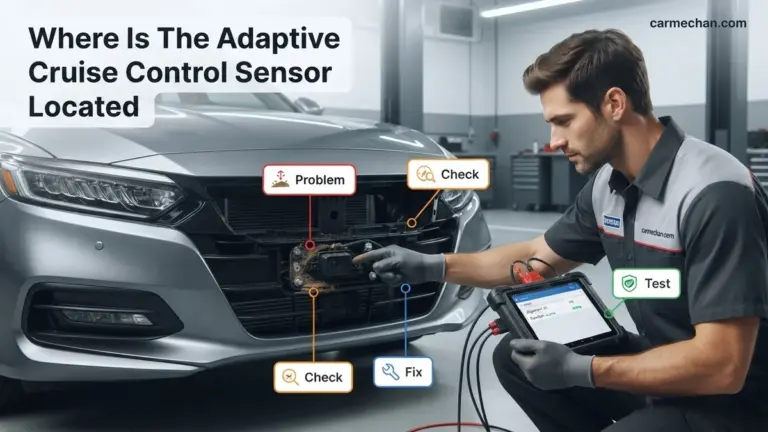
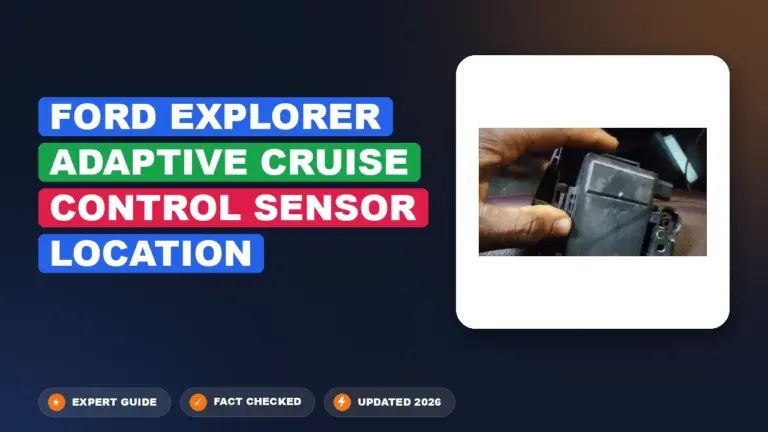
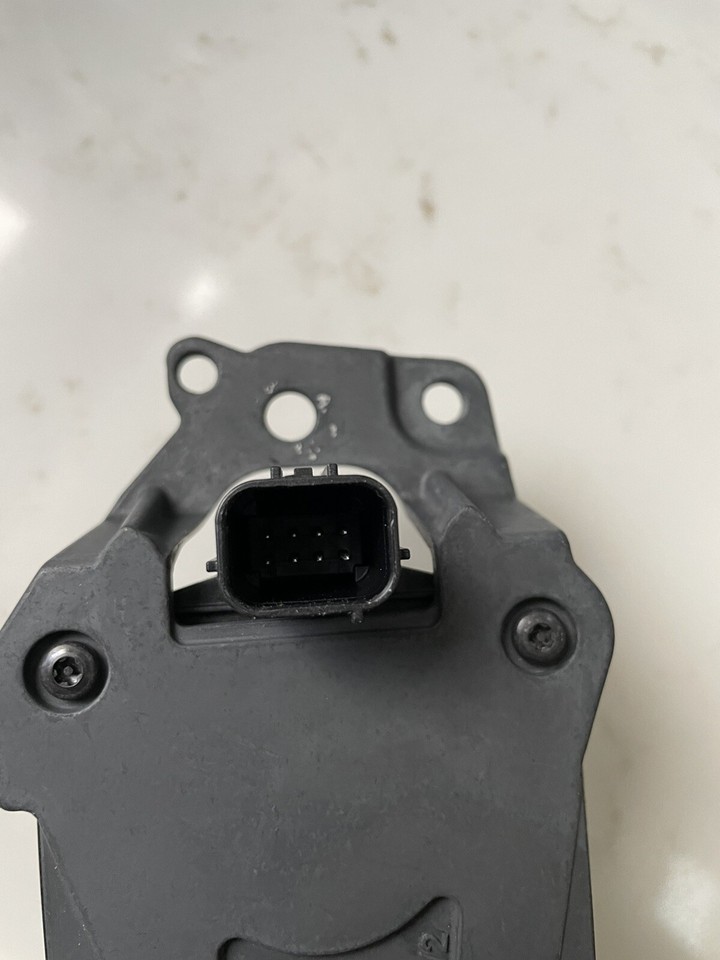
- Millimeter-wave radar sensor: Located behind the front emblem or within the lower grille area, this sensor transmits radio waves to measure the distance and closing speed of objects in front of the vehicle.
- Front-facing camera: Mounted behind the top center of the windshield, this camera detects lane markings and obstacles, providing secondary verification to the radar sensor.
- Cruise control ECU: This module serves as the “brain,” receiving constant telemetry from the radar and camera to modulate the electronic throttle and, if necessary, activate the vehicle’s brake system to maintain the set gap.
- Steering wheel switches: These provide the driver with an interface to set speeds, adjust following distances, and toggle between radar-based and conventional cruise control modes.
Because the millimeter-wave radar sensor is located in the grille area, aftermarket additions like bull bars, push bumpers, or large non-transparent decals can interfere with radar performance, potentially disabling the system entirely.
How to Use and Adjust 4Runner Adaptive Cruise Control Settings
Mastering the system is straightforward once you understand the interface on your steering wheel. The Toyota Safety Sense suite is designed to be intuitive, though it requires specific steps to engage correctly.
Press the ‘On-Off’ button on the steering wheel control stalk. A message will appear on your multi-information display confirming the radar system is ready.
Accelerate to your desired cruising speed and press the ‘Set’ button (downward). The system will now maintain this speed until it detects a slower vehicle ahead.

Audible — Listen Free for 30 Days
One free credit a month and thousands of titles included.
Listen Free for 30 DaysUse the ‘Distance’ button to toggle between three or four preset intervals. These define how closely your 4Runner will follow the vehicle in front of you before it begins to slow down.
Common Limitations and Reliable System Troubleshooting
Even the most advanced driver-assist systems have operating envelopes. As an expert, I always emphasize that these are “assist” systems, not autonomous driving features. The 4Runner’s TSS-P implementation is excellent, but it is not infallible.
Why the System Disengages in Bad Weather
Adaptive cruise control relies on the clarity of radar and optical sensors. In conditions such as heavy rainfall, dense fog, or thick snow, the radar waves can scatter or the camera may lose sight of lane lines. When the system detects that it can no longer reliably maintain a safe distance or track the road, it will trigger an alert and disengage, requiring the driver to take immediate manual control.
Troubleshooting Sensor Obstruction Alerts
If you receive a “Clean Sensor” or “Radar Blocked” message on your dashboard, it usually indicates that the front grille emblem (which acts as a radar cover) is covered in mud, ice, or debris. Because the 4Runner is a vehicle frequently used for off-roading, this is a common occurrence. A simple wipe of the sensor area usually restores full functionality. If the issue persists after cleaning, there may be a physical misalignment of the sensor that requires professional calibration at a Toyota dealership.
✅ Pros
- Significantly reduces driver fatigue on long highway trips.
- Seamlessly maintains a constant following distance in stop-and-go traffic.
- Standard on all 2020+ models, providing excellent value for used buyers.
❌ Cons
- Limited in extreme weather conditions where radar effectiveness drops.
- Not a full-speed system on early TSS-P versions; may disengage at low speeds.
- Highly sensitive to front grille modifications or obstructions.
4Runner Adaptive Cruise Control Technical Specifications Matrix
To help you identify the capabilities of your specific model year, the following matrix outlines the system integration found in 5th Generation 4Runners.
By The Numbers
Intro Year
Safety Suite
Final Thoughts on 4Runner Adaptive Cruise Control Information
The integration of adaptive cruise control was a significant upgrade for the 4Runner, providing a much-needed bridge between the vehicle’s rugged, mechanical heritage and the modern requirement for safety-conscious technology. To recap, the system arrived in the 2020 model year as part of the standard Toyota Safety Sense suite. It functions through a precise combination of millimeter-wave radar and forward-facing cameras, which necessitates that you keep your grille and windshield clear for optimal performance.
As with any driver-assist technology, your vigilance is the most important component of the safety equation. These systems are intended to provide an easier driving experience, not to replace the driver’s judgment. Before your next long-distance road trip, take a moment to familiarize yourself with the distance settings and system alerts on your specific 4Runner. Check your model year and trim to confirm the exact TSS version installed in your vehicle, and you can enjoy a significantly more relaxed and reliable commute.
What Year Did 4runner Get Adaptive Cruise Control: Frequently Asked Questions
Does my 4Runner have adaptive cruise control?
If your 4Runner is a 2020 model year or newer, it is equipped with Dynamic Radar Cruise Control (DRCC) as part of the Toyota Safety Sense P suite. You can verify this by checking the steering wheel controls for a distance-setting button or by inspecting the front grille emblem for a smooth, radar-compatible cover. Models from 2019 and earlier lack this specific technology.
Can I add adaptive cruise control to an older 4Runner?
Retrofitting factory-grade adaptive cruise control to an older 4Runner that was not originally equipped with the necessary wiring harnesses, radar sensors, and ECU programming is professionally discouraged. The integration required for the system to interact safely with the vehicle’s braking and throttle management is too complex for an aftermarket installation, making it impractical and potentially unsafe to perform.
Audible Premium Plus — Annual Membership
12 audiobook credits up front, plus the full Audible catalogue.
See Annual PlansWhy does my cruise control turn off at low speeds?
The version of Dynamic Radar Cruise Control found in the 5th Gen 4Runner is not a ‘full-speed’ system. It is designed to disengage if the vehicle’s speed drops below approximately 20–25 mph. This is a deliberate safety design, as the system is calibrated for highway-speed traffic flow rather than low-speed stop-and-go driving, which requires constant, attentive manual control from the driver.
Is adaptive cruise control the same as Toyota Safety Sense?
Adaptive cruise control is a specific component within the broader Toyota Safety Sense (TSS) suite. While TSS encompasses multiple active safety features—such as Lane Departure Alert, Pre-Collision System, and Automatic High Beams—the Dynamic Radar Cruise Control is the dedicated subsystem that manages distance-keeping. Having TSS does not always mean every feature functions in identical ways across different vehicle generations.
How do I know if my cruise control sensor is dirty?
If your sensor is obstructed by heavy mud, ice, or road debris, your 4Runner’s Multi-Information Display will typically trigger a ‘Radar Cruise Unavailable’ or similar warning light. If you notice these warnings, you should safely stop, inspect the front grille area (specifically the area around the Toyota emblem), and gently clean it with a soft cloth to restore system functionality.