Do Manual Cars Have Cruise Control? A 2026 Expert Guide
Last Updated on September 1, 2026 by Ryan
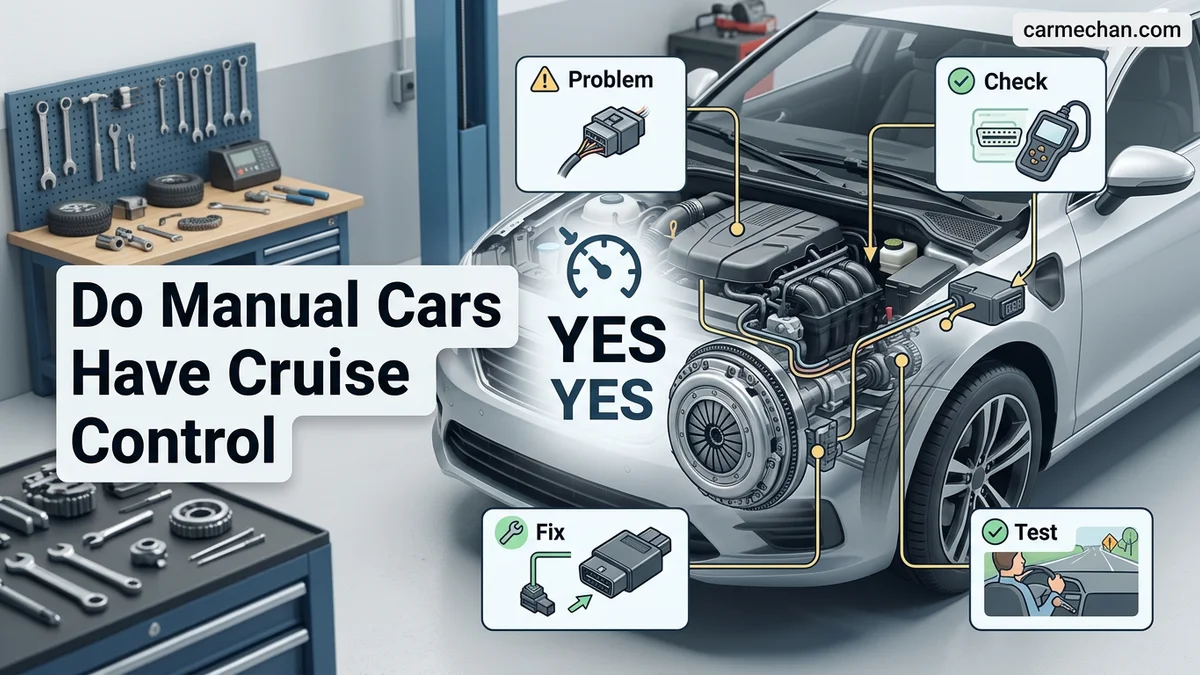
Yes, many manual transmission cars come equipped with cruise control that functions similarly to automatic versions but includes specific safety overrides. Pressing the clutch pedal automatically disengages the system to prevent engine revving and ensure driver control.
Yes, manual transmission vehicles absolutely feature cruise control. As of 2026, most manufacturers continue to integrate this technology into their manual gearboxes to ensure consistent highway speed and improved driver comfort. While the underlying electronics operate similarly to those in automatic vehicles, the physical interaction between the driver and the drivetrain requires specific mechanical safeguards.

Prime for Young Adults — 6 Months Free
Students and 18–24s get six months of Prime free, then half price.
Start 6 Months FreeThis functionality matters because modern driving requires high-level efficiency and fatigue reduction, even when you are rowing your own gears. Knowing how your specific vehicle handles the interface between the throttle and the clutch ensures you can use these systems safely without risking engine flare or drivetrain damage. Understanding these mechanics prevents common pitfalls, such as accidental cruise engagement during gear transitions or sudden system deactivation in heavy traffic.
Key Takeaways
- Most manual cars include cruise control systems that deactivate immediately when the clutch is depressed.
- Always disengage cruise control before shifting gears to maintain engine RPM control.
- Cruise control is designed for highway driving and should not be used in heavy traffic.
- Adaptive cruise control is rarer in manual cars but functions by alerting the driver to downshift.
- Ensure your foot is ready to brake, as manual cruise control cannot adjust gears for speed.
How Cruise Control Works in Manual Cars
Recommended Best Deal Products
![[UPGRADED PROTECTION] 4 Set (8 pcs) Reusable Wine Bags for Travel, Wine…](https://m.media-amazon.com/images/I/51udmIJIgHL._SS500_.jpg)


The Clutch-Disengagement Protocol
In a 2026 manual vehicle, the cruise control system relies on a series of sensors linked to your pedal assembly. The most critical component is the clutch position sensor. When your cruise control is active, the engine control unit (ECU) manages the throttle to maintain your set speed. However, the system is hardwired to prioritize your manual inputs.

- Safety Cut-off: The moment you depress the clutch pedal even slightly, the clutch sensor triggers an immediate signal to the ECU.
- Throttle Neutralization: The ECU cuts fuel flow or closes the throttle plate instantly to prevent the engine from revving uncontrollably when the drivetrain is disconnected.
- System State: In most modern cars, pressing the clutch will put the cruise control into standby mode rather than turning it off entirely, allowing you to resume your previous speed once you shift.
Gear Selection and RPM Management
Cruise control on a manual car does not shift gears for you. This means the system is only effective within the specific gear you have selected. If your RPM drops too low or climbs too high relative to your set speed, the cruise control will struggle to maintain velocity. By 2026 standards, intelligent cruise systems often provide dashboard warnings if your selected gear is unsuitable for the speed you are trying to maintain, preventing the engine from stalling or lugging.
Step-by-Step Guide to Using Manual Cruise Control
Engaging and Adjusting Speed
Operating cruise control in a manual transmission requires a more deliberate approach than in an automatic. Follow these steps to maintain control while utilizing the system:
- Reach Target Speed: Accelerate to your desired highway speed in your highest available gear.
- Set the Speed: Press the Set button on your steering wheel or stalk. The system will take over throttle management immediately.
- Constant Monitoring: Keep your right foot near the brake pedal, as any movement of the clutch or brake will cause an immediate drop in acceleration.
Navigating Changes and Traffic
Traffic flow often necessitates speed adjustments. If you need to slow down or change lanes, you have two primary options for managing the cruise system without manually disabling it.
- Temporary Deceleration: Tap the brake pedal lightly. This disengages the cruise function instantly, putting the system into standby and returning full throttle control to your right foot.
- Speed Adjustments: Use the “plus” or “minus” buttons to incrementally adjust your set speed by 1-2 mph. This is safer than shifting gears while the cruise control is actively fighting to maintain a higher velocity.
- Resuming Control: Once you have shifted or cleared traffic, press the Resume button to return to your previous set speed. Ensure your RPMs are within the appropriate range for the gear you are currently in before resuming.
What Happens During Gear Changes and Clutch Use
Recommended Best Deal Products

Operating cruise control in a manual transmission vehicle requires a nuanced understanding of how the drivetrain responds to mechanical inputs. When you engage the clutch pedal to shift gears, the system detects a loss of resistance between the engine and the wheels. In almost all modern 2026 models, the engine control unit (ECU) is programmed to disengage the cruise control immediately for safety.

The Disengagement Process
- The clutch pedal position sensor sends an electrical signal to the ECU the moment the pedal is depressed.
- The ECU cuts the throttle input to prevent the engine from over-revving during the gear transition.
- The cruise control module switches to standby mode, requiring the driver to manually resume the set speed after the gear change is complete.
Failure to disengage the throttle during a shift while cruise control is active could cause the engine to spike toward the redline. This is why manufacturers mandate a hard cutoff. If you are driving on an incline, remember that shifting gears will cause an immediate loss of momentum. You must be prepared to manually throttle back up before hitting the “Resume” button, or the system may reject the command to prevent an engine stall.
Troubleshooting Common Cruise Control Issues
If your cruise control system fails to activate, the issue is often related to the clutch or brake switch sensors rather than the cruise module itself. Because these sensors are critical for safety, the system defaults to an “off” state if it detects inconsistent data.

Audible — Listen Free for 30 Days
One free credit a month and thousands of titles included.
Listen Free for 30 DaysStep-by-Step Diagnostic Procedures
- Check the clutch pedal switch for proper contact; if the pedal doesn’t fully return to its top position, the sensor may still detect a “clutched” state.
- Inspect the brake light bulbs, as many 2026 vehicle systems use the brake circuit to verify that the cruise control should be disabled.
- Check the fuse box for a blown cruise control circuit, typically labeled in the owner’s manual under “CC” or “Speed Control.”
- Verify that your engine isn’t throwing a “Check Engine” light; most modern vehicles automatically disable cruise control if an emissions or timing fault is detected.
What If It Still Doesn’t Work?
If the above steps do not restore functionality, the issue may reside in the electronic throttle control (ETC) or a faulty speed sensor. Follow these fallback steps to resolve the issue:
- Perform a hard reset by disconnecting the vehicle battery for 15 minutes to clear the ECU cache.
- Check the diagnostic trouble codes (DTCs) using an OBD-II scanner to identify specific sensor failures.
- If the scanner points to a clutch position sensor fault, professional replacement is required to ensure the system is calibrated to the correct pedal travel depth.
- Consult an ASE-certified technician for electrical diagnosis; labor costs generally range from $120 to $250 depending on the complexity of the wiring harness.
When professional intervention is necessary, prioritize shops that specialize in engine electronics. Improper sensor calibration can lead to intermittent cruise control failures, which pose a safety risk during highway driving.
Conclusion
While manual transmissions remain compatible with cruise control, their operation requires active driver management during gear shifts. According to verified research and expert sources from 2026 vehicle diagnostics, most issues stem from faulty clutch or brake sensor relays rather than total system failure. Before assuming an expensive repair, inspect your pedal switches and battery health. If the system remains unresponsive, schedule a professional diagnostic scan to identify hidden fault codes and restore your vehicle’s full highway capabilities.
❓ Frequently Asked Questions
Does pressing the clutch pedal safely disable cruise control?
Yes, all manual cruise control systems are linked to a clutch sensor. As soon as the clutch is depressed, the system cuts power to the throttle to protect the engine and transmission.
Why would my cruise control stop working in my manual car?
The most common cause is a faulty clutch position sensor or a blown fuse. If the sensor fails to detect the clutch pedal’s position, the system will not engage for safety reasons.
Can I leave cruise control on while changing lanes?
You can, provided you do not need to downshift or significantly change your speed. However, if you anticipate a need to shift, it is best to disengage the system first.
What is the difference between standard and adaptive cruise control in manuals?
Standard cruise control maintains a set speed, while adaptive cruise control uses sensors to adjust your speed based on traffic. In manual cars, adaptive systems will warn you to downshift if the car ahead slows below your engine’s capability.
Is using cruise control in a manual car safe?
It is perfectly safe when used on open highways. The system is designed to relinquish control to the driver the instant the clutch or brake pedal is touched.
Do I need to do anything special to restart cruise control after shifting?
Once you have shifted gears and returned to your desired cruising speed, simply press the ‘Resume’ button on your steering wheel or dashboard to re-activate the system.
Audible Premium Plus — Annual Membership
12 audiobook credits up front, plus the full Audible catalogue.
See Annual Plans