How to Start a Manual Car Smoothly: Master the Clutch Bite
Last Updated on September 1, 2026 by Ryan
Learning to start a manual car smoothly is all about mastering the clutch’s bite point. This guide will help you understand the precise coordination needed between the clutch, accelerator, and brake to prevent stalling and ensure a smooth take-off from a standstill.
🎯 Key Takeaways
Recommended Best Deal Products


- Master clutch’s bite point for smooth starts.
- Coordinate clutch release with accelerator input.
- Practice consistent pedal control diligently.
- Use handbrake for secure stationary starts.
- Patience is key; stalling is part of learning.
Starting a manual car smoothly from a standstill, without stalling, hinges on mastering the exact sequence of clutch, accelerator, and handbrake. It begins with confidently finding and utilizing the clutch’s ‘bite point’ in first gear before smoothly adding gas and releasing the handbrake.
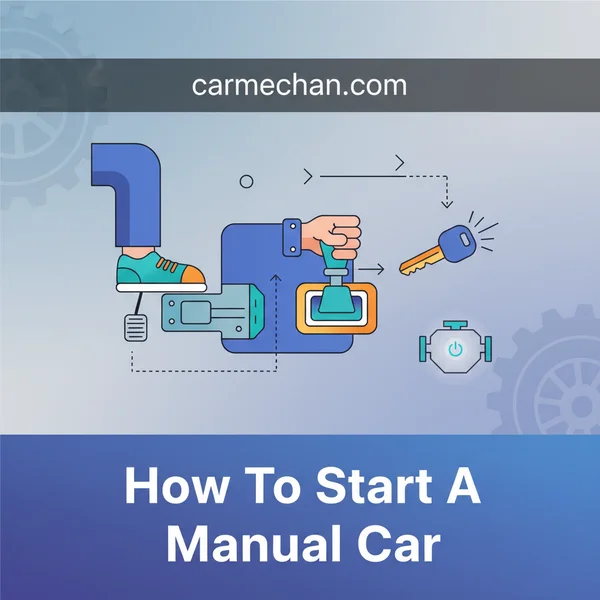
This mastery transforms a potentially intimidating task into a fluid, natural motion. Understanding this precise coordination prevents the common frustration of stalling, protects your car’s components, and builds the essential confidence needed for enjoyable manual driving in any urban or rural setting.
Understanding Clutch Engagement and the Bite Point
The clutch pedal is not an on/off switch; it’s a rheostat, controlling the connection between your engine and wheels. Your primary goal when starting is to find the “bite point” – the crucial moment where this connection just begins to engage.

What is the Clutch Bite Point?
- The bite point is the specific position in the clutch pedal’s travel where the clutch plates start to make contact, transferring minimal engine power to the wheels.
- It’s not fully engaged, nor fully disengaged; it’s a slipping point. This slip is vital for a smooth start, allowing the engine to gradually pick up the load.
- You’ll physically feel a slight vibration or drag through the car, hear a subtle drop in the engine’s RPM, and sense the vehicle wanting to creep forward ever so slightly.
- This sensation is consistent across most manual cars, though the pedal height and feel might vary slightly between models.
Finding Your Bite Point: A Stationary Exercise
Practice this on a flat, empty surface with no traffic. This exercise teaches muscle memory without the pressure of moving traffic.
- Start your car and ensure it’s in neutral with the handbrake firmly engaged. Your right foot should be resting lightly on the brake pedal, just in case.
- Depress the clutch pedal all the way to the floor with your left foot.
- Shift the gear lever into first gear.
- Now, very, very slowly begin to lift your left foot off the clutch pedal. Do not add any accelerator yet.
- Pay close attention to the sound of the engine, the feel through the seat, and any slight movement from the car.
- As you lift, you will reach a point where the engine note slightly changes (often drops or deepens), and you might feel the car gently pull against the handbrake. This is your bite point.
- Hold the pedal still at this exact point for a few seconds, feeling the connection, then fully depress the clutch pedal again. Repeat this 5-10 times until you can consistently find the bite point without looking at your foot.
Welcome to your comprehensive guide on mastering the art of starting a manual transmission car. While it might seem daunting at first, learning to drive a stick shift is an incredibly rewarding skill that offers greater control over your vehicle. This guide will break down the process into easy-to-follow, detailed steps, ensuring you build confidence and precision from the driver’s seat. Follow these instructions carefully, and you’ll be on your way to smooth, confident manual driving in no time.
Step 1: Familiarize Yourself with the Driver’s Cockpit
What you need: The driver’s seat, the three pedals (clutch, brake, accelerator), the gear stick, the handbrake lever, and the ignition barrel.
Instructions: Begin by adjusting your seat so you can comfortably press all three pedals to the floor without stretching. Ensure your mirrors are set for optimal visibility. Identify the pedals: the clutch is always on the left (operated by your left foot), the brake is in the middle (right foot), and the accelerator is on the right (right foot). Locate the gear stick, the handbrake (usually between the front seats), and the ignition slot for your key. It’s crucial to know their positions instinctively.
Pro Tip: Spend a few minutes just pressing the clutch and brake pedals repeatedly with the engine off. Get a feel for their travel and resistance. This muscle memory is vital for smooth operation once the car is running.
Step 2: Ensure Safety First and Last!
What you need: A functional handbrake, a working seatbelt, and an understanding of your car’s neutral gear position.
Instructions: Before attempting to start the engine, pull the handbrake lever up firmly to engage it. This prevents the car from rolling. Next, fasten your seatbelt securely. Finally, ensure the gear stick is in neutral. You can verify this by wiggling the gear stick side-to-side; it should move freely across the gate. If it feels stuck in a specific position, you might be in gear, so gently move it until it feels loose in the middle.
Pro Tip: Make these safety checks a non-negotiable routine every single time you enter the car. Consistency builds good habits and prevents potential accidents.
Step 3: The Clutch-Brake Coordination
What you need: Your left foot, your right foot, the clutch pedal, and the brake pedal.
Instructions: With the handbrake still firmly applied and the car confirmed in neutral, use your left foot to press the clutch pedal all the way down to the floor. Ensure it’s fully depressed. Simultaneously, use your right foot to press and hold the brake pedal firmly. This dual action is crucial: pressing the clutch disengages the engine from the wheels (preventing a stall), and pressing the brake prevents the car from moving when the engine starts or when you’re selecting a gear.
Pro Tip: Always use the ball of your foot for optimal control over the pedals, not just your toes. This allows for finer adjustments and reduces fatigue during longer drives.
Step 4: Engage the Starter Motor
What you need: Your car key, the ignition barrel.
Instructions: With both the clutch and brake pedals still fully depressed, insert your car key into the ignition barrel. Turn the key clockwise to the ‘START’ position. You’ll hear the engine crank and then fire up. As soon as the engine catches and the car sounds like it’s running smoothly, release the key immediately. It will spring back to the ‘ON’ position. Do not hold the key in the ‘START’ position once the engine has begun running.
Pro Tip: If the engine doesn’t start on the first attempt, ensure everything is still properly depressed, wait a few seconds, and try again. Holding the key in the ‘START’ position for too long can damage the starter motor.
Step 5: Select First Gear
What you need: The gear stick, knowledge of your car’s gear pattern.
Instructions: While keeping the clutch pedal fully depressed with your left foot and the brake pedal held down with your right foot, gently move the gear stick into first gear. For most manual cars, this involves pushing the stick to the left and then forwards/upwards. You’ll feel a slight click as it engages. Double-check that the handbrake is still engaged and providing resistance; you’re not ready to move yet, just to select the initial gear.
Pro Tip: If you find the gear stick resisting or feeling stiff when trying to select first gear, try releasing the clutch pedal by a tiny amount and then fully depressing it again. Sometimes this slight movement helps align the gears for smoother engagement.
Step 6: The “Biting Point” – Your Gateway to Motion
What you need: Your left foot, the clutch pedal, your right foot, the accelerator pedal, and a very sensitive feel.
Instructions: This is arguably the most crucial step. Slowly and very gently begin to ease your left foot off the clutch pedal. Pay close attention to the sound and feel of the car. As you lift the clutch, you will reach a point where the engine note slightly drops or changes, and you might feel a subtle vibration or a sensation of the car wanting to pull forward. This is the “biting point” (also known as the friction point). Hold your foot steady at this exact position. Simultaneously, with your right foot, very gently apply a small amount of accelerator, aiming for about 1000-1500 RPM on the tachometer (if available) to give the engine just enough power.
Pro Tip: Practice finding the biting point in a flat, safe, empty area without using the accelerator. Just ease off the clutch until the car starts to creep slightly, then press the clutch back down. This helps build muscle memory for the exact pedal position.
Step 7: Smooth Launch!
What you need: Coordination between your left foot (clutch), right foot (accelerator), and hand (handbrake).
Instructions: Once you’ve found the biting point with gentle acceleration applied (as in Step 6), you’re ready to move. With your right hand, slowly and smoothly release the handbrake. As you release the handbrake, continue to slowly and smoothly lift your left foot completely off the clutch pedal, while simultaneously maintaining that consistent, gentle pressure on the accelerator with your right foot. The car should now begin to move forward smoothly. It requires a delicate balance; too fast off the clutch and it will stall, too little accelerator and it will bog down.
Pro Tip: If the car stalls, don’t panic! Immediately press the clutch and brake, re-engage the handbrake, put the car in neutral, and restart from Step 4. Learning involves stalls, embrace them as part of the process.
Step 8: Progressive Acceleration and Gear Up
What you need: Accelerator pedal, clutch pedal, gear stick.
Instructions: As your car moves forward and gains speed in first gear, continue to gently increase pressure on the accelerator pedal. Listen to the engine; it will start to sound busy or high-pitched as the RPMs climb. When the engine reaches an appropriate RPM (typically around 2500-3000 RPM, but check your car’s manual or just listen to the engine’s feel), it’s time to shift to second gear. To do this, quickly lift your foot completely off the accelerator, simultaneously press the clutch pedal all the way to the floor, smoothly move the gear stick from first to second gear (usually down from first, or left and down), then gently release the clutch pedal while re-applying accelerator. The key is smooth coordination.
Pro Tip: The transition between gears should be swift but not jerky. Practice releasing the clutch smoothly as you re-apply the accelerator; this helps avoid the “kangaroo” effect where the car lurches forward.
✅ Final Checklist
- Is your seat and mirror adjustment correct for optimal control and visibility?
- Was the handbrake firmly applied before you started the engine?
- Was the car confirmed to be in neutral before turning the key?
- Were both the clutch and brake pedals fully depressed when engaging the starter motor?
- Did you smoothly find the biting point and coordinate clutch release with gentle acceleration for a clean launch?
Important Notes:
- Safety Considerations: Always practice starting in a safe, flat, and empty area (like a large, abandoned parking lot) away from traffic or pedestrians. Always wear your seatbelt. Be mindful of your surroundings and any potential obstacles.
- When to Seek Professional Help: If you consistently experience mechanical issues (e.g., the car won’t start despite following all steps, persistent grinding noises) or if you are struggling significantly with coordination and feel unsafe, consider consulting a certified mechanic or a professional driving instructor. They can provide personalized guidance and mechanical checks.
- Estimated Time and Cost Range: Initial learning to confidently start and move can take anywhere from 30 minutes to a few hours of dedicated practice. Mastering the full manual driving experience, including smooth gear changes and hill starts, can take days to weeks. The cost is free if you have access to a manual car, or can range from $50-$100+ per hour for professional driving lessons.
The Critical Role of Pedal Coordination
Recommended Best Deal Products


Once you understand the bite point, the next step is integrating the accelerator. This is where the smooth “dance” of your feet truly begins, preventing both stalling and excessive revving.
The Accelerator’s Gentle Introduction
- Before fully engaging the clutch, your engine needs a little assistance to handle the sudden load of moving the car.
- As you lift the clutch pedal towards its bite point, simultaneously apply a light, consistent pressure to the accelerator pedal with your right foot.
- Aim to bring the engine RPMs up slightly, perhaps to 1000-1500 RPM, depending on your car. You’re giving the engine just enough power to overcome the inertia of the stationary vehicle.
- Think of it as adding a touch of encouragement to the engine. Too much gas will make the car lurch or the engine scream; too little will cause it to bog down and stall.
The Synchronized Dance: Clutch, Gas, and Handbrake
This is the full coordination for a smooth start on a flat road:
- Preparation: Car in first gear, clutch fully depressed, right foot lightly covering the brake, handbrake engaged.
- Find the Bite: Slowly lift the clutch pedal until you feel the bite point – the car starts to pull against the handbrake, engine RPM subtly drops.
- Add Gas: At the same instant you hit the bite point, gently apply accelerator to raise RPMs slightly (1000-1500). Maintain this gentle gas input.
- Release Handbrake: With the car now pulling strongly against the handbrake (you can feel the rear sag slightly) and gas applied, disengage the handbrake fully. The car should now be moving forward slowly.
- Smooth Clutch Release: As the car rolls forward, slowly and steadily continue to lift your left foot off the clutch pedal completely, simultaneously increasing the accelerator input just enough to maintain smooth acceleration.
- Full Engagement: Once the clutch pedal is fully released, your left foot can rest on the footrest. You are now fully in first gear and moving.
The key is that the handbrake releases after the engine has begun to connect and receive gas, providing a secure anchor until the car is ready to roll.
Common Challenges and Troubleshooting Tips
Even with a good understanding of the clutch bite, new manual drivers often face a few common hurdles. Don’t worry, these are completely normal learning experiences, and understanding their causes will help you overcome them faster.

Stalling or Jerky Starts
Stalling is practically a rite of passage for manual drivers. It happens when the engine doesn’t receive enough power to keep running as the clutch fully engages the transmission. A jerky start often indicates a similar issue, but with just enough power to prevent a full stall.
- Too little gas: If the engine RPMs are too low when you start to engage the clutch, the engine simply can’t handle the load and will cut out. You need to give it more gas to rev it up a bit before finding the bite point.
- Releasing the clutch too quickly: This is a common culprit. If you lift your foot off the clutch pedal too fast, the connection between the engine and wheels happens abruptly, shocking the engine into a stall. Think of it as gently lowering a boat into water, not dropping it.
- Troubleshooting: Pay close attention to the engine sound. If it bogs down and goes quiet, you need more gas or a slower clutch release. If the car lurches forward aggressively, you’re likely giving it too much gas for the speed you’re releasing the clutch. Find that balance where the engine hums steadily as the car begins to move.
Rolling Backwards on a Hill
Starting on an incline can be intimidating because gravity adds another challenge to the mix. The fear of rolling backward can make new drivers rush, leading to stalls or harsh clutch engagement.
- The handbrake assist: For beginners, using the handbrake is an excellent technique to prevent rolling. Engage the handbrake, then find the clutch bite point while giving it enough gas to slightly lift the front of the car. As the car tries to pull forward against the handbrake, release the handbrake smoothly, and the car will move forward.
- Quick footwork (advanced): As you gain experience, you’ll develop the ability to quickly transition your right foot from the brake to the accelerator while simultaneously finding the clutch bite point. This requires precision and speed, so practice the handbrake method until you’re confident.
- Troubleshooting: The key here is confidence and coordination. Don’t rush. Take your time to feel the car wanting to pull forward against the handbrake before releasing it. If you roll back, it means you didn’t have enough gas or the clutch wasn’t sufficiently engaged when you released the brake.
Developing Consistent Manual Car Starting Habits
Recommended Best Deal Products


Mastering the manual doesn’t just happen; it’s a process of building muscle memory, intuition, and confidence through consistent practice. Turning individual actions into smooth, repeatable habits is how you’ll achieve effortless starts every time.
Practice Makes Perfect (and Smooth)
There’s no substitute for hands-on experience. The more you practice, the more your feet will learn the necessary movements without conscious thought.
- Find a safe, flat space: An empty parking lot or a quiet residential street is ideal. This low-pressure environment allows you to focus solely on the coordination of your feet and the feel of the car.
- Repetition is key: Practice starting from a complete stop repeatedly. Drive forward a short distance, stop, and start again. Focus on the consistency of your clutch and accelerator movements. How little gas can you use? How slowly can you release the clutch?
- Experiment with different starting scenarios: Once you’re comfortable on flat ground, gradually introduce slight inclines or declines. This helps you adapt your technique to various real-world situations. Each car is also a little different, so if you switch vehicles, expect a brief adjustment period to find its unique bite point.
Engaging Your Senses and Mindset
Driving a manual car is a full-sensory experience. Beyond just your feet, your ears, the feel of the car, and your mindset all play crucial roles in developing smooth starting habits.
- Listen to the engine: The engine will tell you a lot. A slight drop in RPMs as you release the clutch indicates it’s starting to engage. A deep bog or silence means you’ve stalled. Learn to recognize the “happy” hum of the engine just as the car starts to move.
- Feel the vibrations: As the clutch engages, you’ll feel a subtle vibration or a slight pull from the engine through the car’s body. This is your tactile cue that you’re at the bite point. Your body will learn to anticipate this feeling.
- Stay calm and patient: Learning a manual takes time. Don’t get frustrated if you stall. It’s part of the process. A calm and focused mindset will help you learn faster and make smoother adjustments than a stressed one. Every stall is a learning opportunity, not a failure.
Conclusion
Mastering the clutch bite is the cornerstone of driving a manual car smoothly. It’s a delicate dance between your left foot on the clutch and your right foot on the accelerator, a skill that transforms driving from a series of steps into an intuitive art. By understanding the bite point, anticipating challenges, and dedicating time to practice, you’re well on your way to becoming a confident manual driver.
So, find a safe spot, be patient with yourself, and embrace the learning process. The rewarding feeling of a perfectly smooth start is just around the corner, and once you get it, you’ll wonder why you ever found it daunting. Keep practicing, keep feeling, and soon you’ll be driving with effortless grace. You’ve got this!
❓ Frequently Asked Questions
How do I find the clutch bite point by feel?
To find the bite point, slowly lift the clutch pedal while in first gear and feel for a slight drop in engine RPM or a gentle pull from the car. The car will start to vibrate slightly, indicating the clutch plates are just beginning to make contact.
What’s the optimal handbrake technique for starting?
When starting, apply the handbrake, put the car in first gear, find the bite point while giving slight gas, then smoothly release the handbrake as the car begins to pull forward to prevent rolling back.
How can I prevent jerky starts in a manual car?
Jerky starts often result from releasing the clutch too quickly or not applying enough accelerator. Practice slow, controlled clutch release combined with gentle, steady accelerator pressure to achieve a smoother take-off.
Is it bad for the car if I stall frequently?
While occasional stalling during learning is normal, frequent harsh stalling can put extra stress on the clutch and engine mounts. Aim for smoother engagements as you gain experience to minimize wear.
What’s the difference between starting on flat ground vs. a slight incline?
Starting on an incline requires more accelerator input and quicker handbrake release coordination to overcome gravity and prevent rolling backward compared to a flat surface.
How much practice does it typically take to master starting a manual car?
Mastering smooth starts varies by individual, but consistent practice sessions for several hours, focusing specifically on clutch control and coordination, usually leads to proficiency within a few days to a week.