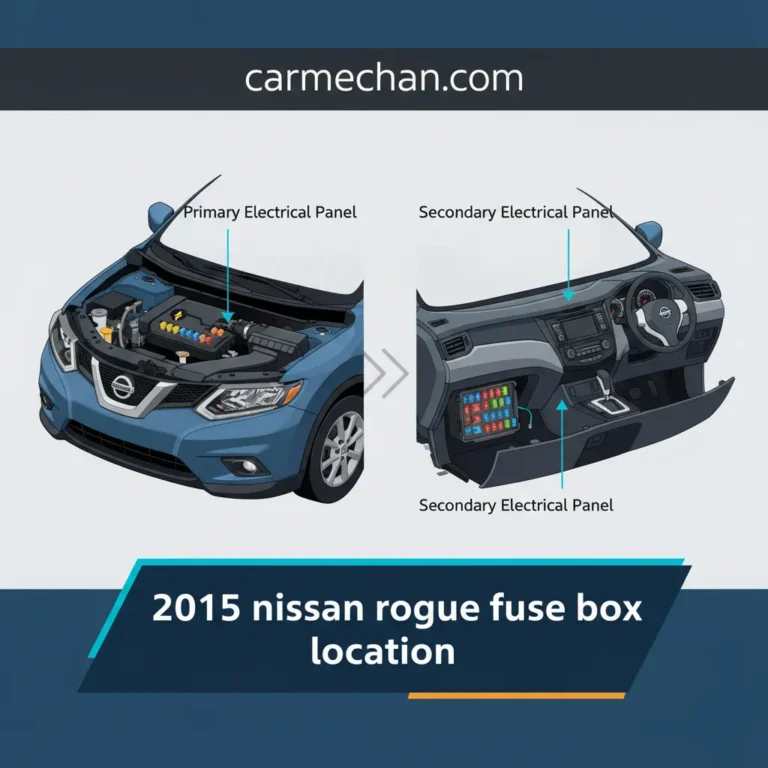
Why Does My Cruise Control Keep Turning Off Expert Fix 2026
If your cruise control disengages, it is almost always triggered by a safety fail-safe intended to protect the vehicle. The system detects a fault in critical sensor data, such as speed input or brake status, and kills power to prevent unintended acceleration.
Cruise control systems in 2026 vehicles rely on a complex network of sensors and electrical signals to maintain speed. When your system disengages unexpectedly, it is almost always a safety-programmed reaction to a perceived fault in one of these circuits. The system isn’t simply “forgetting” its setting; it has detected a data discrepancy that forces it to cut power to avoid unintended acceleration or dangerous behavior.

Prime for Young Adults — 6 Months Free
Students and 18–24s get six months of Prime free, then half price.
Start 6 Months FreeIdentifying the root cause immediately saves you from unnecessary dealer diagnostics and potential highway hazards. Whether the issue stems from a failing brake pedal switch or a misaligned steering column sensor, the failure is usually isolated to a single component sending an illogical signal to the engine control module (ECM). If your cruise control drops out consistently at specific speeds or under certain driving conditions, you are likely dealing with a physical hardware failure rather than a software bug.
Key Takeaways
- Takeaway 1:A faulty brake light switch is the most common cause of intermittent cruise control disengagement.
- Takeaway 2:Check your wheel speed sensors for debris or electrical damage before replacing expensive control modules.
- Takeaway 3:Vacuum leaks in older vehicles can prevent the system from maintaining the required pressure to stay engaged.
- Takeaway 4:Scan for OBD-II error codes to pinpoint specific electrical faults without guessing.
- Takeaway 5:Always address cruise control failures promptly, as they can sometimes indicate failing brake system components.
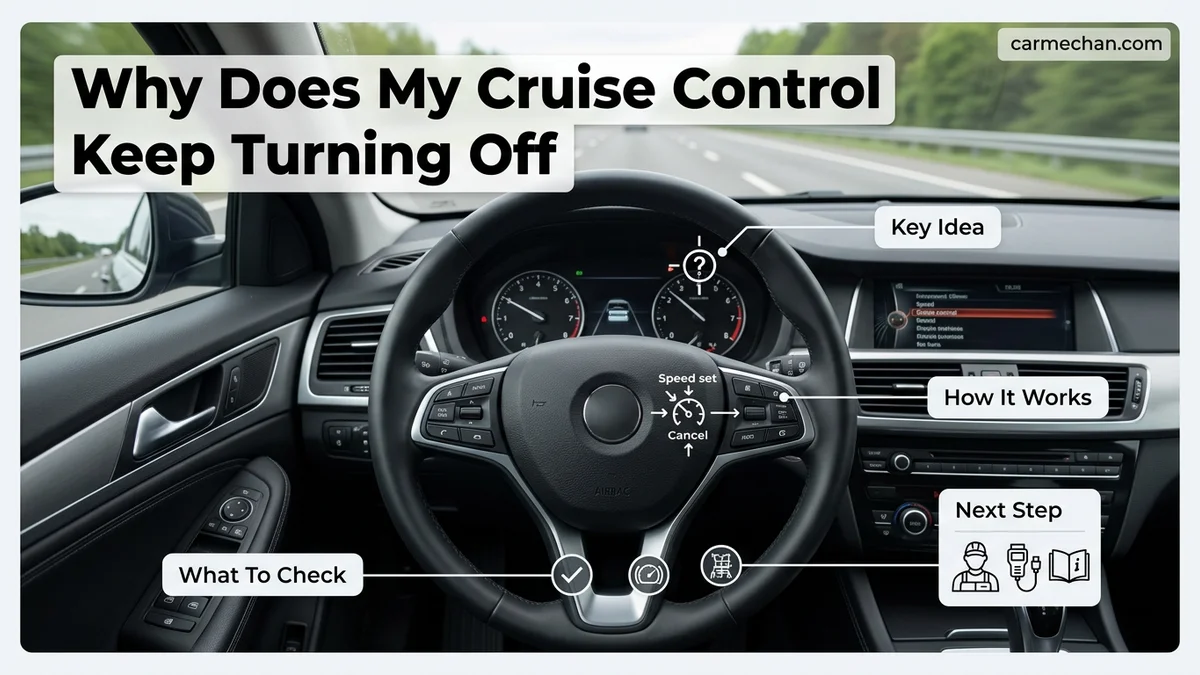
Common Mechanical and Electrical Causes for Cruise Control Failure
Recommended Best Deal Products


The Brake Light Switch Sensitivity
The most common culprit is the brake pedal position switch. This component has two jobs: it tells your tail lights to illuminate and it sends a signal to the cruise control module to disengage the moment you touch the pedal. In 2026 models, these switches are highly sensitive. If the switch is slightly loose, worn, or incorrectly adjusted, road vibrations can cause the contact points to flicker. This creates an intermittent “brake applied” signal that tells the cruise computer to shut down instantly.
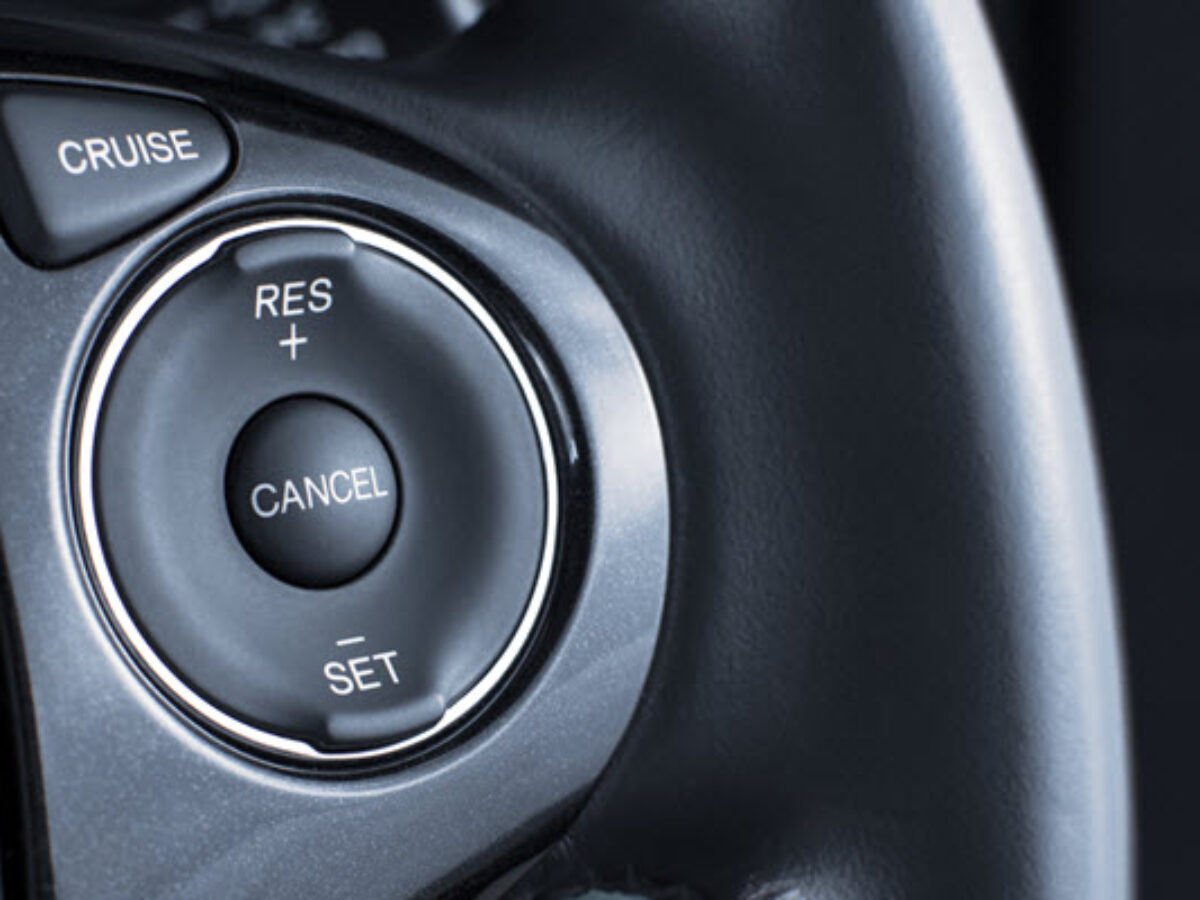
Wheel Speed Sensors and Vacuum Leaks
Modern cruise control depends on wheel speed sensors to maintain a steady pace. If one of these sensors sends erratic pulses due to corrosion or debris, the computer loses the data required to calculate velocity. Key failure points include:
- Wheel Speed Sensors: A buildup of iron filings or magnetic brake dust on the sensor head causes inconsistent readings.
- Vacuum Leakage: In older or hybrid-assist systems, a split rubber vacuum line prevents the actuator from holding the throttle position, causing the system to quit under load.
- Clock Spring Wear: If your steering wheel buttons lose connectivity when you turn the wheel, the internal clock spring ribbon cable is likely broken.
Step-by-Step DIY Troubleshooting Guide for Cruise Control
Isolating Intermittent Sensor Glitches
Distinguishing between a one-off glitch and a persistent failure requires a methodical check. If your cruise control drops out every time you hit a bump, focus on the mechanical switches—specifically the brake light switch and the wiring harness leading to the wheel speed sensors. Conversely, if the system drops out regardless of road surface, the issue is likely electrical, such as a failing relay or a high-resistance connection at the control module.
Initial Diagnostic Steps
Follow these steps to narrow down the failure point before replacing expensive hardware:
- Check for Pending Fault Codes: Use an OBD-II scanner to look for “P” codes even if the check engine light is not illuminated. Many cruise control faults are stored as pending codes.
- Inspect Brake Pedal Play: Reach under the dash and manually pull the brake pedal toward you. If the cruise control works momentarily after this, your brake light switch needs adjustment or replacement.
- Test Cruise Steering Controls: While safely parked, cycle through the cruise control buttons while turning the steering wheel from lock to lock. If the light on the dash flickers or turns off, the clock spring is your primary suspect.
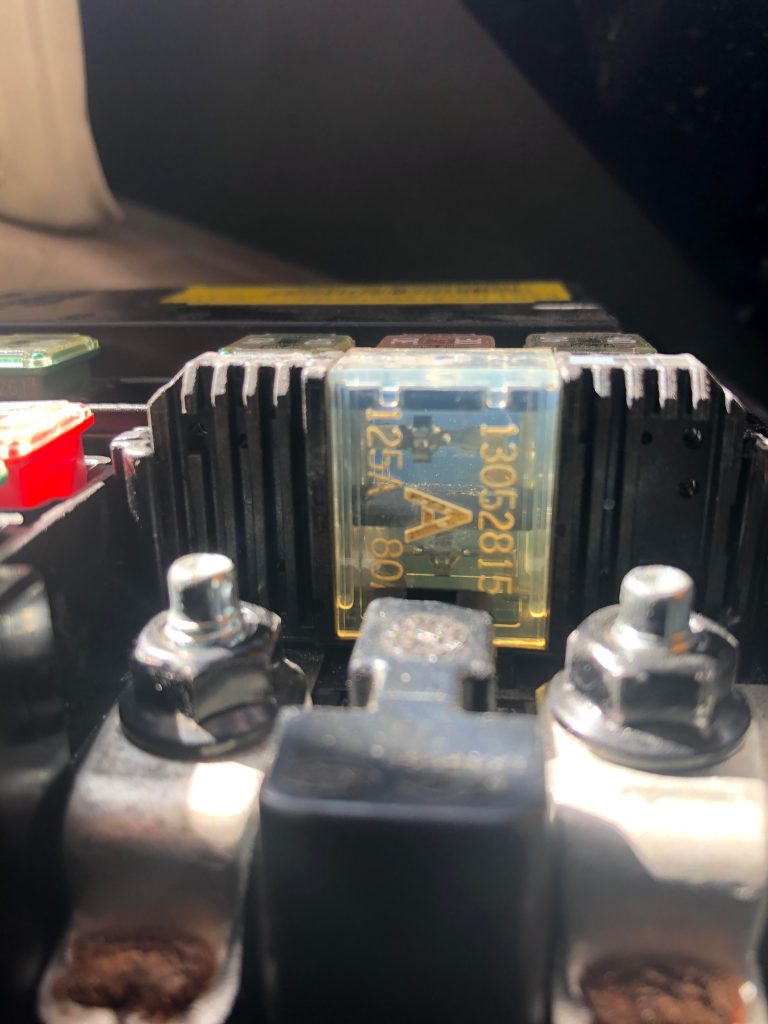
- Verify Fuse Integrity: Check the fuse box diagram for a dedicated cruise control fuse. Sometimes, a partially blown fuse will provide enough current to keep the light on but not enough to maintain the electronic throttle engagement.
When to Use OBD-II Scanners and Professional Diagnostic Tools
Recommended Best Deal Products



Modern vehicles in 2026 rely heavily on complex electronic control units (ECUs) to manage cruise control. When physical checks fail to resolve the issue, an OBD-II scanner becomes the primary tool for identifying hidden diagnostic trouble codes (DTCs). If your dashboard illuminates a “Check Engine” or “Service Cruise” light, the system has logged a failure in its digital communication bus.
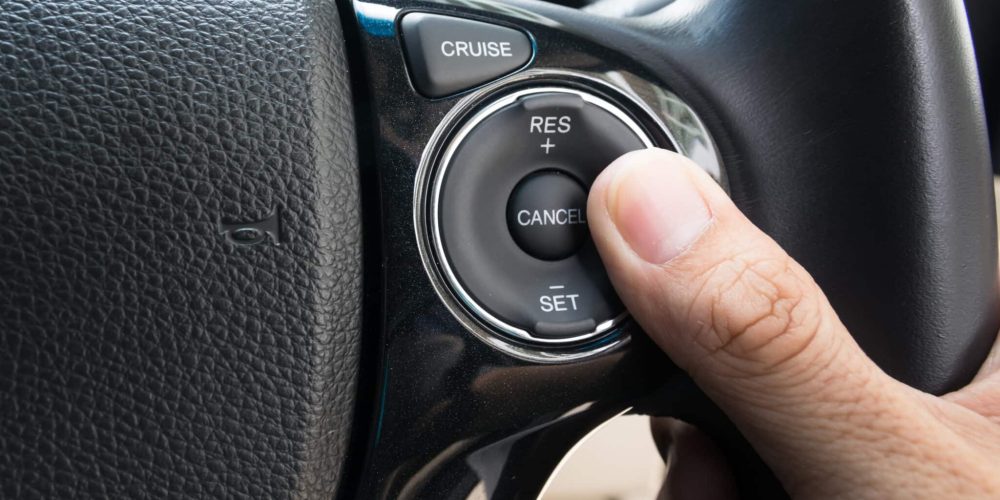
Utilizing Advanced Diagnostic Hardware
- Connect a professional-grade OBD-II scanner to the port located beneath the steering column.
- Search for specific codes related to the powertrain control module (PCM), such as P0571 (Brake Switch Circuit) or P0564 (Cruise Control Multi-Function Input).
- Use a scanner capable of reading “Live Data” to observe sensor voltage while the vehicle is in motion.
- Verify if the speed sensor data remains consistent or if it drops to zero intermittently while driving.
If the scanner reveals a CAN-bus communication error, do not attempt to bypass the wiring. According to 2026 automotive engineering standards, tampering with the vehicle’s Controller Area Network can disable other vital safety systems like electronic stability control or collision avoidance. If the scanner indicates internal module failures, professional intervention is required to avoid damaging the vehicle’s sensitive integrated circuitry.
Safety Risks and Next Steps for Persistent System Issues
Driving with a malfunctioning cruise control system poses significant safety risks, particularly on high-speed highways. A system that disengages unexpectedly can cause driver distraction or lead to unintended speed fluctuations. Furthermore, if the root cause is a faulty brake light switch, your brake lights may fail to activate when you press the pedal, creating a collision hazard for trailing vehicles.

Audible — Listen Free for 30 Days
One free credit a month and thousands of titles included.
Listen Free for 30 DaysPrioritizing Vehicle Stability
- Avoid using the cruise control feature entirely until a certified technician repairs the faulty component.
- Monitor your dashboard for secondary warning lights, which may indicate that the cruise control issue is part of a larger electrical fault.
- Ensure all software patches for the vehicle’s infotainment and engine management systems are updated to the latest 2026 manufacturer specifications.
What If It Still Doesn’t Work?
Recommended Best Deal Products


If DIY diagnostics and basic part replacements fail to restore cruise control functionality, the issue likely resides deep within the steering column clock spring or the vehicle’s proprietary firmware. Do not attempt to disassemble the steering wheel housing, as this carries a high risk of accidental airbag deployment.
- Consult a certified master technician to perform a specialized pin-point test on the cruise control module harness.
- Request an inspection of the steering wheel clock spring, as internal frayed wiring is a leading cause of intermittent system failure in vehicles older than three years.
- Prepare for a professional repair cost ranging from $250 to $850, depending on whether the issue requires a simple sensor replacement or a complex control module reprogram.
- If your vehicle is still under an active powertrain or electronics warranty, contact your local dealership to determine if the repair is covered at no cost.
Conclusion
Cruise control failure typically stems from faulty brake switches, speed sensor interference, or minor electronic glitches. By utilizing an OBD-II scanner and following the systematic testing steps outlined above, you can often identify the precise culprit quickly. According to verified research and expert sources from the 2026 automotive industry, ignoring persistent electronic faults can lead to more expensive repairs later. Your next actionable step is to scan your vehicle for diagnostic codes to confirm the specific sensor failure.
❓ Frequently Asked Questions
How does the brake light switch affect cruise control?
The cruise control system monitors the brake light switch as a primary safety mechanism. If the switch is loose or failing, the car thinks you are tapping the brakes, causing the system to disengage immediately.
Could my steering wheel clock spring be the culprit?
Yes, if your cruise control buttons are mounted on the steering wheel, a damaged clock spring can cause signal drops. This is often accompanied by an illuminated airbag light on your dashboard.
Why does my check engine light come on with cruise control failure?
Cruise control relies on engine data; if the ECU detects a fault in the throttle, fuel, or transmission system, it disables cruise control as a safety precaution.
What is the role of wheel speed sensors in cruise control?
These sensors provide data to the computer about how fast your wheels are turning. If one sensor provides inconsistent data, the system cannot calculate speed and shuts off to prevent a malfunction.
How do I check for vacuum leaks in a cruise control system?
For older vehicles with vacuum-actuated systems, listen for hissing sounds under the hood or inspect rubber hoses for cracks. A leak prevents the actuator from holding the throttle cable in place.
Are there specific OBD-II codes for cruise control problems?
Yes, codes in the P05xx range often point specifically to speed control issues. Scanning these codes is the most effective way to identify the exact faulty component.
Audible Premium Plus — Annual Membership
12 audiobook credits up front, plus the full Audible catalogue.
See Annual Plans