Avoid These Mazda CX-9 Years: Buyer’s Guide to Reliability
Last Updated on September 1, 2026 by Ryan
The first generation Mazda CX-9 (2007-2015), particularly the 2007-2009 models, often exhibit significant transmission and engine issues. These years are generally best to approach with extreme caution or avoid due to potential high repair costs and frequent breakdowns. Later second-generation models (2016-present) show marked improvements in reliability.
🎯 Key Takeaways


- Avoid 2007-2009 CX-9s due to major issues.
- First-gen (2007-2015) has more reported problems.
- Focus on 2016+ models for improved reliability.
- Check transmission and VVT gasket on older models.
- Always get a pre-purchase inspection.
If you’re considering a used Mazda CX-9, your diligence in researching specific model years can save you significant headaches and repair bills. To get straight to the point: prioritize avoiding the 2007-2012 Mazda CX-9 models due to widespread, costly mechanical issues. While largely redesigned, you should also approach early second-generation models, particularly the 2016-2018 CX-9s, with an extra layer of caution for potential “new car bug” problems that arose post-redesign.

Understanding which years carry documented risks, and precisely what those risks entail, empowers you to make an informed buying decision. Ignoring these known reliability trends could lead to unexpected out-of-pocket expenses for major repairs, compromising your vehicle’s long-term value and your peace of mind. Your goal is a reliable family SUV, and knowing the problematic years helps you steer clear of models that might become money pits.
Identifying Problematic Mazda CX-9 Model Years


Not all Mazda CX-9s are created equal when it comes to long-term dependability. Certain periods stand out for their higher incidence of serious mechanical failures and recurring problems reported by owners. Focusing your search on the right model years is crucial for avoiding frustration.
The First-Generation Challenges (2007-2015)
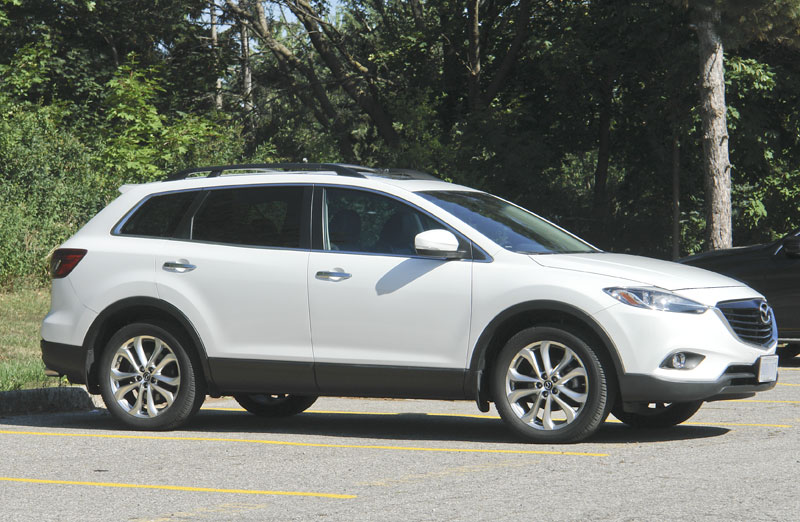
The original Mazda CX-9 generation, especially its inaugural years, is where the most significant warnings lie. The 2007 through 2012 model years consistently rank as the most problematic. These early models faced persistent, well-documented issues primarily related to the drivetrain and steering components. While some improvements were made in the later first-gen models (2013-2015), they fundamentally shared many design elements, meaning residual risks persisted. These years represent the highest likelihood of encountering major, expensive repairs.
Early Second-Generation Caution (2016-2018)
The Mazda CX-9 underwent a complete redesign for the 2016 model year, bringing a new engine and vastly improved interior. While this generation is generally more reliable, the first few years of any significant redesign often come with initial production kinks. For the CX-9, the 2016, 2017, and 2018 models saw some specific issues, though less severe and widespread than the first generation. These typically involved infotainment glitches and some isolated concerns with the new turbocharged engine, which prospective buyers should be aware of to avoid early ownership headaches.
Common Reliability Issues and Their Impact by Generation



Knowing which years to avoid is one thing; understanding the specific problems you might encounter in those years is another. Here’s a breakdown of the most common and impactful reliability issues for the identified problematic CX-9 model years, along with their potential consequences.
First-Gen Specific Problems (2007-2012)
The primary concern for early first-generation CX-9 models revolves around critical drivetrain components, leading to substantial repair costs. These issues are widespread and well-documented by owners:
-
Transfer Case Failure:
- Problem: The all-wheel-drive (AWD) transfer case is highly prone to internal fluid leaks and premature wear of its components.
- Symptoms: You might notice whining, grinding, or howling noises, particularly from the front of the vehicle, or a clunking sensation during turns. Ultimately, it can lead to a complete loss of power to the rear wheels.
- Severity & Cost: This is a severe issue. Repair often means a complete transfer case replacement, which is a costly job. Expect to pay anywhere from $2,000 to $4,000+, depending on labor rates and whether you use new or rebuilt parts.
-
Power Steering Pump Issues:
- Problem: Many owners reported premature failure of the power steering pump, leading to a loss of power assist.
- Symptoms: You’ll experience stiff steering, making the vehicle much harder to maneuver, especially at low speeds. Groaning or whining noises when turning the wheel are also common indicators.
- Severity & Cost: This is a significant inconvenience and safety concern. Replacement costs typically range from $800 to $1,500.
-
Water Pump Leaks:
- Problem: Internal water pump leaks are frequently reported. These are often difficult to detect externally, as coolant may leak into the engine oil or simply evaporate.
- Symptoms: The most common signs are engine overheating, unexplained coolant loss (without visible external leaks), or contaminated engine oil.
- Severity & Cost: If ignored, this can lead to severe engine damage. Repair involves replacing the water pump, often along with other timing belt components. Costs can be between $700 and $1,200.
Key Issues in Early Second-Gen Models (2016-2018)
While generally more reliable, the first few years of the second-generation CX-9 did exhibit some recurring issues that buyers should note:
-
Infotainment System Glitches:
- Problem: Many owners reported various bugs with the Mazda Connect infotainment system, including freezing, unresponsiveness, or random reboots.
- Symptoms: Navigation failures, touch screen not working, Bluetooth connectivity issues, or the entire system shutting down unexpectedly.
- Severity & Cost: Primarily an annoyance. Many issues were resolved with software updates or minor hardware replacements under warranty. Out of warranty, certain module replacements can still be costly, potentially $500-$1,000+.
-
Turbocharger Concerns (Isolated):
- Problem: Though not as widespread as first-gen issues, some early second-gen CX-9s (2016-2017) have had isolated reports of turbocharger failures or oil leaks.
- Symptoms: Loss of engine power, unusual whistling or whining noises from the engine bay, excessive exhaust smoke (blue or white), or noticeable oil consumption.
- Severity & Cost: This is a serious mechanical failure. Replacing a turbocharger is expensive, typically ranging from $2,000 to $4,000+, depending on parts and labor.
Evaluating Used CX-9s: Critical Pre-Purchase Inspection Points
Even if you’re eyeing a generally reliable CX-9 model year, a thorough pre-purchase inspection (PPI) is non-negotiable. This is your chance to uncover hidden issues that might turn a good deal into a money pit. Don’t rely solely on the seller’s word or a quick walk-around.
Beyond the Test Drive: What to Listen and Feel For
A test drive offers more than just assessing comfort. Pay close attention to how the CX-9 performs under various conditions. When starting, listen for any unusual engine noises like ticking, knocking, or a persistent rattle that could indicate timing chain wear, particularly in higher mileage first-generation models. During acceleration, feel for smooth, decisive shifts from the transmission; any harshness, slipping, or delay could signal costly issues. Test the brakes at different speeds, feeling for shuddering or a spongy pedal. Also, listen for suspension clunks or creaks over bumps, which might point to worn bushings or shocks, a common wear item on any SUV.
- Engine Sounds: Ticking, knocking, or rattling could suggest critical component wear.
- Transmission Behavior: Harsh shifts, slipping, or hesitation are red flags.
- Brake Feel: Sponginess, grinding, or pulsations indicate problems.
- Suspension Noises: Clunks or creaks might mean worn components.
- Power Transfer Unit (PTU): Check for any signs of fluid leaks around the PTU, especially on first-gen AWD models, as this is a known weak point.
Interior and Electrical Gremlins to Spot
Step inside and meticulously test every electrical component. From power windows and seat adjustments to the infotainment system and climate control, ensure everything works as expected. CX-9s, like many modern vehicles, rely heavily on electronics, and repairs can be complex and expensive. Look for any persistent warning lights on the dash after starting the car. Examine the condition of the dashboard and interior trim for peeling or excessive wear, particularly on older models where dash delamination was a common complaint. Verify that all USB ports, auxiliary inputs, and the navigation system (if equipped) function properly. An unresponsive touchscreen or faulty HVAC controls can be frustrating daily issues.
- Warning Lights: Any active warning lights, especially for engine or transmission, demand immediate investigation.
- Infotainment System: Check touchscreen responsiveness, navigation, and audio controls.
- HVAC System: Ensure it blows both hot and cold air effectively.
- Power Accessories: Test all windows, locks, mirrors, and seats.
- Interior Condition: Look for cracked dashes, worn upholstery, and non-working interior lights.
Recommended Mazda CX-9 Years for Best Reliability and Value
After navigating the potential pitfalls, it’s refreshing to know there are excellent Mazda CX-9 models that offer superb reliability, driving dynamics, and family utility. Focusing on these years can significantly enhance your ownership experience and peace of mind.
The Sweet Spot: Second-Generation CX-9 (2016-Present)
The second-generation Mazda CX-9, introduced in 2016, represents a significant leap forward in design, engineering, and overall reliability. These models are powered by Mazda’s Skyactiv-G 2.5T turbocharged engine, which is a robust and efficient powertrain, generally free from the widespread issues seen in the earlier V6 engines. Owners consistently praise its refined performance, quiet cabin, and premium feel. When considering a used CX-9, prioritizing models from 2016 onwards will give you access to a more modern platform, updated safety features, and a much-improved track record for long-term dependability. Specifically, 2017 and later models often incorporate minor refinements based on initial production feedback, making them even more attractive choices.
- 2016-2023+ Models: Benefit from the reliable Skyactiv-G 2.5T engine.
- Improved Build Quality: Generally higher quality materials and construction.
- Advanced Safety: More comprehensive suite of active safety features.
- Enhanced Driving Dynamics: Mazda’s “Jinba Ittai” philosophy truly shines here.
What to Expect from a Well-Maintained Later Model
Choosing a second-generation CX-9 that has been well-maintained means you can anticipate a largely trouble-free experience. These vehicles are known for their longevity when basic maintenance schedules are followed. Expect routine servicing, such as oil changes, tire rotations, and brake pad replacements, but major component failures are far less common than with the earlier models. You’ll enjoy modern conveniences like standard Apple CarPlay and Android Auto on newer trims, along with comfortable seating and a surprisingly agile ride for a three-row SUV. The Skyactiv 2.5T engine offers a good balance of power and fuel efficiency, making it practical for both daily commutes and longer road trips. A later-model CX-9 offers excellent value, blending near-premium features with Mazda’s renowned reliability.
- Predictable Maintenance: Primarily routine service items.
- Modern Features: Enjoy up-to-date tech and comfort.
- Solid Resale Value: These reliable models tend to hold their value well.
- Enjoyable Driving: A refined and engaging driving experience is standard.
Conclusion
Navigating the used Mazda CX-9 market can be straightforward if you know what to look for. While earlier first-generation models, particularly those from 2007 to 2010, come with a higher risk of costly issues related to their V6 engine and power transfer unit, later models from 2016 onwards offer a significantly improved ownership experience. Prioritizing these second-generation CX-9s, coupled with a vigilant pre-purchase inspection, will set you up for success.
Your journey to owning a reliable three-row SUV doesn’t have to be a gamble. Always secure a comprehensive professional inspection and review detailed service records before making a purchase decision. With the right information and a little due diligence, you can confidently drive home in a Mazda CX-9 that provides years of dependable family adventures.
❓ Frequently Asked Questions
What specific issues make the 2007-2009 Mazda CX-9 years undesirable?
The 2007-2009 Mazda CX-9 models are plagued by issues including premature transmission failure, costly VVT gasket oil leaks leading to engine damage, and power steering pump leaks. These problems often manifest early and can result in expensive, recurring repairs.
How does the first generation (2007-2015) CX-9 compare to the second generation (2016-present) in terms of reliability?
The first generation CX-9, especially its earlier years, has a higher incidence of major mechanical issues, including drivetrain and engine problems. The second generation (2016 onwards) introduced a new engine and platform, which generally boasts significantly improved reliability, fewer widespread complaints, and better long-term durability.
What are the tell-tale signs of a potential VVT gasket issue or transmission problem in an older CX-9?
For VVT gasket issues, look for burning oil smells, engine misfires, a check engine light, or excessive oil consumption. Transmission problems often present as harsh shifting, delayed engagement, slipping gears, or unusual noises during acceleration. Always test drive and check fluid levels.
Are there any common recalls for the problematic CX-9 years that I should be aware of?
Yes, earlier CX-9 models have had recalls for various issues, including control arm corrosion, seat heater wiring, and power steering pump defects. It’s crucial to check the NHTSA website for any specific VIN to see if all recall work has been completed.
What Mazda CX-9 model years are generally considered the most reliable choices for a used purchase?
The 2016 and newer Mazda CX-9 models are widely regarded as the most reliable choices. These second-generation vehicles benefit from a revised 2.5L turbocharged engine and updated transmission, addressing many of the first generation’s common pitfalls and offering a more dependable ownership experience.
Beyond avoiding specific years, what general advice applies to buying any used Mazda CX-9?
Regardless of the year, always obtain a comprehensive pre-purchase inspection from a trusted mechanic who specializes in Mazdas. Review the vehicle’s maintenance history thoroughly, check for rust (especially in northern climates), and verify that all fluids are at proper levels and clean. Prioritize models with complete service records.