Nissan Frontier Years to Avoid: Spotting Reliability Issues
Last Updated on September 1, 2026 by Ryan
The 2nd generation Nissan Frontier (2005-2019), particularly early models from 2005-2008, are most notorious for significant reliability issues such as the “Strawberry Milkshake of Death” (SMOD) and problematic timing chain guides. While later models generally improved, diligent pre-purchase inspection is always crucial for any used Frontier to ensure long-term satisfaction.
🎯 Key Takeaways


- Avoid 2005-2008 Frontiers due to SMOD risk.
- Inspect 2005-2019 models for timing chain noise.
- Prioritize 2010+ models for better reliability.
- Always get a thorough pre-purchase inspection.
- Check for rust, especially on older frames.
When you’re eyeing a used Frontier Model History and Generations”>Nissan Frontier, knowing which years to approach with caution can save you significant money and headaches. The most critical period to be aware of for potential major mechanical issues spans the 2005 to 2008 model years. These early second-generation (D40) Frontiers are notorious for several well-documented, costly problems that can turn a seemingly good deal into a financial nightmare. Understanding these specific vulnerabilities is essential for any savvy buyer.
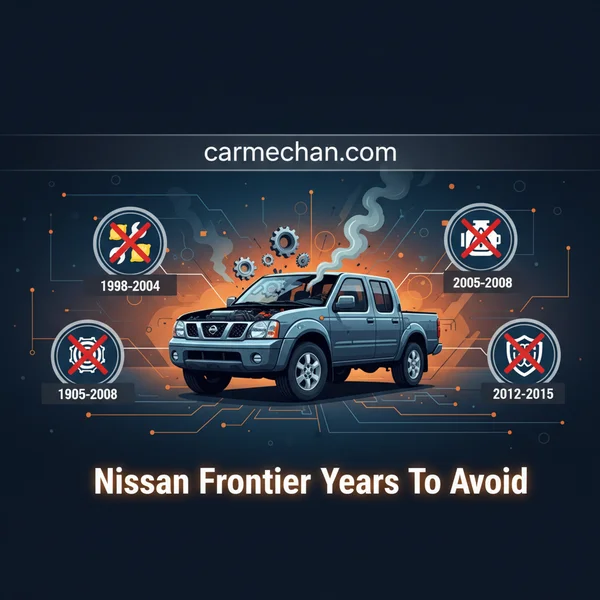
Ignoring these known issues means risking thousands in unexpected repairs. We’re not talking about minor wear and tear; these are systemic flaws that can lead to catastrophic transmission failure, severe engine damage, and expensive drivetrain overhauls. Your ability to identify these potential pitfalls and understand their impact will directly influence your ownership experience and the long-term reliability of your truck.
Identifying the Most Problematic Nissan Frontier Years (2005-2008)


The Second Generation’s Early Woes
The Nissan Frontier’s second generation, launched in 2005, brought a larger platform and more powerful engines. However, its initial years, specifically 2005, 2006, 2007, and 2008 models, were plagued by significant design and manufacturing flaws. These aren’t isolated incidents but rather recurring issues that affect a substantial percentage of vehicles from this era. If you’re considering a Frontier from this period, you must be prepared for the strong possibility of encountering the infamous “Strawberry Milkshake of Death” (SMOD) and expensive timing chain guide failures.
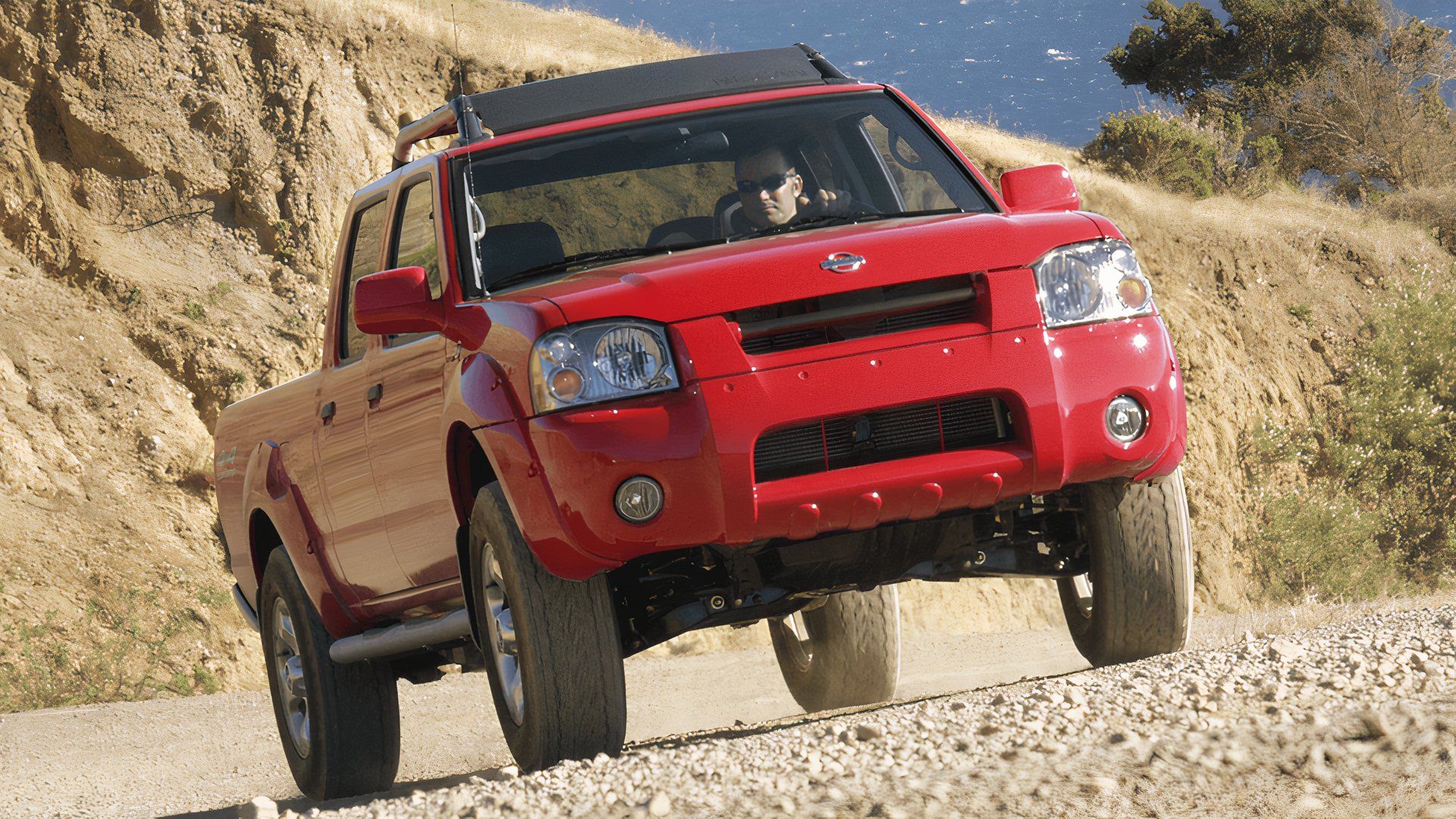
These model years often combine a confluence of problems, making them particularly risky. While later D40 models saw some improvements, the earliest iterations carried the highest risk for these specific, well-documented mechanical failures. Buyers looking for budget-friendly options often gravitate towards these older models, unknowingly stepping into a minefield of potential repairs.
Why These Years Stand Out
What makes the 2005-2008 Frontiers particularly problematic isn’t just the existence of issues, but their severe nature and high repair costs. These aren’t minor electrical glitches or cosmetic flaws; they are fundamental mechanical failures that directly impact the truck’s powertrain. For instance, a transmission failure can easily cost you $3,000-$5,000 or more, often exceeding the vehicle’s market value. Similarly, addressing a timing chain issue can involve labor-intensive engine disassembly, racking up bills in the same range. These are not “if” but “when” scenarios for many trucks of these vintages, making thorough pre-purchase inspections and service history checks absolutely non-negotiable.
Deep Dive into Key Mechanical Issues: SMOD, Timing Chains & More


The Dreaded “Strawberry Milkshake of Death” (SMOD)
The most notorious problem affecting automatic transmission Nissan Frontiers from 2005-2010, but particularly prevalent in 2005-2008 models, is widely known as SMOD. This acronym stands for “Strawberry Milkshake of Death.” The issue stems from a design flaw in the vehicle’s radiator, where the internal transmission fluid cooler lines are prone to cracking.
- What happens: Coolant leaks into the transmission fluid, creating a pink, milky mixture resembling a strawberry milkshake.
- Why it’s disastrous: This contaminated fluid rapidly breaks down the transmission’s seals, clutch packs, and bearings, leading to irreversible internal damage.
- Symptoms: You might notice harsh or delayed shifting, transmission slipping, a burnt smell, or eventually, complete transmission failure.
- Repair costs: Fixing SMOD typically requires replacing the radiator and completely rebuilding or replacing the transmission. This is a five-figure repair, easily costing between $3,500 and $5,000+.
- What to inspect: When looking at a used Frontier from these years, always check the transmission fluid dipstick for any discoloration or milky appearance. Ask if the radiator has been replaced with an aftermarket unit or if a bypass has been installed for the transmission cooler lines.
Timing Chain Guide Failures
Another significant mechanical issue, particularly common in 2005-2012 V6 (VQ40DE) engines, but again, acutely problematic in the 2005-2008 range, involves premature wear of the timing chain guides. These guides, originally made from a subpar plastic material, degrade over time.
- What happens: The plastic timing chain guides wear out, causing slack in the timing chains. This can lead to the chains rubbing against the engine block or covers.
- Why it’s disastrous: Excessive chain slack can cause incorrect engine timing, reduced performance, and ultimately, catastrophic engine damage if the chain jumps a tooth or breaks.
- Symptoms: The most common symptom is a distinct whining, buzzing, or rattling noise emanating from the engine, especially noticeable at idle, on startup, or under acceleration.
- Repair costs: This is an extremely labor-intensive repair, often requiring the engine to be partially or fully removed to access the timing chains and guides. Costs typically range from $2,500 to $4,000 or more, depending on the severity and parts needed.
- What to inspect: Listen carefully for any unusual noises from the engine. Ask for service records that indicate if the timing chain guides have ever been replaced with updated metal versions.
Recommended Nissan Frontier Years and Generations to Consider
While some Frontier model years present potential pitfalls, many others stand out as dependable workhorses. Focusing on specific generations and their respective improvements can guide you towards a smart purchase. It’s all about knowing where Nissan truly hit its stride with this mid-size truck.
📤 Share
💾 Download
The Reliable Second Generation (Post-2009 Refresh)
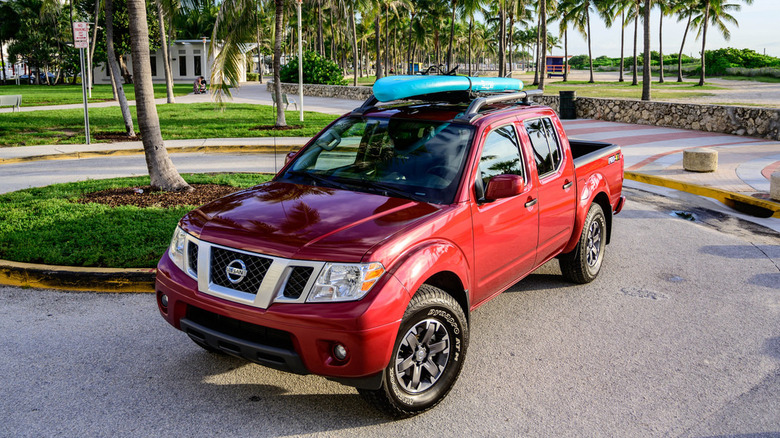
For buyers on a budget looking for proven durability, the later years of the second-generation Frontier (D40 platform) are often excellent choices. Specifically, models from 2010 through 2019 largely benefited from initial design refinements and a strong, well-tested powertrain. The key here is the 4.0L V6 engine paired with either the automatic or manual transmission, which generally proved to be very robust after Nissan addressed the earlier timing chain issues.
- Improved Timing Chain Design: Later D40 models typically feature updated timing chain components, reducing the risk of premature failure seen in earlier V6 models.
- Robust Powertrain: The 4.0L V6 and 5-speed automatic or 6-speed manual transmission combination is known for its longevity with proper maintenance. Many owners report high mileage without major issues.
- Tried and True: By 2010, the D40 had been on the market for several years, meaning most initial kinks were worked out, offering a more refined and reliable experience.
- Parts Availability: Given the long production run, spare parts and aftermarket support are readily available and often affordable.
Look for well-maintained examples of these years, especially those with comprehensive service records. They offer a fantastic blend of capability and value.
The Promising Third Generation (2022-Present)
If your budget allows for a newer vehicle, the redesigned third-generation Frontier (D41 platform), launched in 2022, represents a significant leap forward. It features a new 3.8L V6 engine paired with a 9-speed automatic transmission, offering more power and improved fuel efficiency compared to its predecessor. While still relatively new, initial reports are overwhelmingly positive regarding its performance and updated features.
- Modern Engine and Transmission: The new 3.8L V6 and 9-speed automatic are refined and powerful, providing a much-improved driving experience.
- Enhanced Technology: Enjoy modern infotainment, advanced safety features, and a significantly upgraded interior compared to the outgoing model.
- Improved Ride Quality: The new chassis and suspension tuning offer a more comfortable and composed ride, making it suitable for daily driving and longer trips.
As with any new generation, long-term reliability is still being established, but the engineering foundation and initial owner feedback suggest these models are a strong contender.
Essential Pre-Purchase Inspection Checklist for Used Frontier Buyers
Regardless of the year you choose, a thorough inspection is paramount when buying a used Nissan Frontier. A little diligence upfront can save you from significant headaches and expenses down the road. Don’t rely solely on a clean appearance; look deeper.
Crucial Mechanical Areas to Examine
Begin your inspection by focusing on the heart of the truck: its mechanical components. This is where reliability issues often manifest, especially in older models.
- Engine Health: Listen for unusual noises like knocking, ticking, or excessive rattling (especially for V6 timing chains). Check for oil leaks around the valve covers, oil pan, and front cover. Examine the exhaust for excessive smoke.
- Transmission Function: Test all gears, including reverse, on a test drive. Feel for smooth shifts, without harsh jerking or slipping. If it’s an automatic, check the transmission fluid level and color; dark, burnt-smelling fluid is a red flag. For manuals, ensure the clutch engages smoothly and doesn’t slip.
- Suspension and Steering: Drive over bumps and uneven surfaces to listen for clunks or squeaks. Check for excessive play in the steering wheel. Visually inspect shocks, springs, and bushings for wear or leaks.
- Brakes and Drivetrain: Ensure the brakes feel firm and stop the truck without pulling or excessive noise. If it’s a 4×4, test the engagement of 4-wheel drive in both high and low ranges. Listen for clunking from the differentials or driveshafts.
Always consider getting a pre-purchase inspection from an independent, trusted mechanic, especially one familiar with Nissan trucks. They can spot issues that are not immediately obvious.
Interior, Exterior, and Documentation Scrutiny
Beyond the mechanicals, the overall condition and history of the truck can tell you a lot about its life and potential future reliability.
- Rust and Corrosion: Pay close attention to the frame, rocker panels, wheel wells, and bed. Surface rust is common, but significant structural rust can be a deal-breaker, particularly in older models from salt-prone regions.
- Electrical Components: Test every electrical feature: all lights (headlights, taillights, turn signals), windows, door locks, radio, AC/heater, and dashboard warning lights. Ensure no persistent warning lights are illuminated after startup.
- Accident History: Look for signs of previous accidents, such as inconsistent paint colors between panels, large panel gaps, or overspray. A VIN check report can confirm recorded accidents.
- Service Records: Request detailed maintenance records. A truck with a consistent service history, especially for critical items like fluid changes or major component replacements, indicates a responsible owner and better overall health.
A well-documented vehicle with a clean history and minimal rust is far more likely to provide reliable service for years to come.
Conclusion
Navigating the used Nissan Frontier market means being informed about which years to approach with caution and which ones offer proven dependability. While early second-generation models (2005-2009) present a higher risk due to specific engine and transmission concerns, the later D40 generation (2010-2019) and the all-new D41 generation (2022-present) stand out as generally more reliable choices.
Your journey to a great Frontier shouldn’t end with year selection. Always prioritize a comprehensive pre-purchase inspection by a qualified mechanic and meticulously review the vehicle’s service history. By combining thorough research with a sharp eye for detail, you can confidently drive home a robust and reliable Nissan Frontier, ready for all your adventures.
❓ Frequently Asked Questions
Can you elaborate on the ‘Strawberry Milkshake of Death’ (SMOD) issue in Nissan Frontiers?
The SMOD issue primarily affects 2005-2008 Nissan Frontiers with automatic transmissions. It occurs when a defect in the radiator’s internal design allows engine coolant to mix with the transmission fluid, creating a pink, milky sludge that rapidly destroys the transmission. Repair often requires radiator replacement and a costly transmission rebuild or replacement.
What specifically are the timing chain issues found in Nissan Frontiers and how serious are they?
Timing chain issues are common in 2005-2019 V6 Frontier models, stemming from premature wear of the plastic timing chain guides. Symptoms include a distinct whining, whirring, or rattling noise from the engine. If neglected, it can lead to severe engine damage, with repair costs typically ranging from $1,500 to $3,000+ due to extensive labor.
Are there other common problems beyond SMOD and timing chains that I should be aware of for specific Frontier years?
Beyond SMOD and timing chains, some 2nd generation Frontiers (2005-2019) may experience issues like failing fuel level senders, premature rear differential failure (especially if not properly maintained), and early failure of certain exhaust manifold bolts. Rust on the frame and suspension components can also be significant on older models in salted road regions.
What should I specifically inspect for rust on a used Nissan Frontier, especially older models?
When inspecting for rust, pay close attention to the frame, particularly around the rear axle, spring hangers, and behind the front wheels. Also check rocker panels, cab mounts, bed supports, and brake lines. Extensive frame rust can compromise structural integrity and make repairs difficult or impossible.
Which generation of the Nissan Frontier is considered the most reliable choice for a used truck buyer?
The 2009-2019 models (late 2nd generation) are generally considered a more reliable choice than the earlier 2nd gen years, especially after the radiator design flaw was fixed. The 2020+ 3rd generation also shows promise, though it’s newer. For value and decent reliability, a well-maintained 2012-2019 model is often recommended.
If I’m considering a Frontier from a ‘bad’ year, what steps can I take to mitigate risks?
If you’re considering a 2005-2008 Frontier, prioritize one where the radiator has already been replaced (preferably with an aftermarket unit) and the transmission fluid looks clean. For any 2nd gen V6, listen carefully for timing chain noise during a cold start and test drive. Always get a thorough pre-purchase inspection by an independent mechanic specializing in Nissans before buying.