What Is An Ac Condenser In A Car Your Car AC Condenser 2026
Last Updated on September 1, 2026 by Albert Duke


A car’s AC condenser is a crucial heat exchanger component within the vehicle’s air conditioning system, responsible for transforming high-pressure, hot refrigerant gas into a high-pressure liquid state. This conversion, by dissipating heat into the ambient air, is fundamental to cooling your car’s interior.
So, what is an AC condenser in a car? Simply put, it’s a vital heat exchanger within your vehicle’s air conditioning system, performing a critical step in turning warm air into the cool breeze you crave. Its primary job is to cool down the hot, high-pressure refrigerant gas that comes from the compressor, changing it into a liquid.
This transformation is absolutely essential for your car’s AC to function effectively.
Understanding this component helps you grasp the basics of your car’s comfort system. We want you to feel confident about how your vehicle works. This simple understanding ensures you appreciate the intricate processes happening under the hood to keep your cabin comfortable, especially during warmer months.
Key Takeaways
- AC condenser cools refrigerant gas into liquid.
- It’s a key heat exchanger in car AC.
- Located at the front of your vehicle.
- Integral for cold air production.
- Failure leads to no car AC cooling.
What Exactly Does This Component Do?
Core Function Explained
The AC condenser’s core function revolves around heat dissipation. Imagine trying to cool something down. You need to remove heat from it. That is precisely what the condenser does for the refrigerant in your car’s AC system. It’s designed to release the heat absorbed from your car’s cabin into the surrounding outside air.


Refrigerant State Change
Central to its operation is the change in the refrigerant’s state. After the AC compressor pressurizes the refrigerant, it becomes a hot, high-pressure gas. This superheated gas then enters the condenser. As it flows through the condenser’s intricate network of tubes and fins, the heat escapes.
This cooling process causes the gas to condense, turning it back into a high-pressure liquid.
This phase change from gas to liquid is a fundamental principle of refrigeration. It’s how the system prepares the refrigerant to absorb more heat later in the cycle, making your car’s interior cool.
Systematic Importance
The condenser does not work in isolation. It forms a crucial link between the compressor, which pressurizes the refrigerant, and the expansion valve, which prepares the refrigerant for the evaporator. Without this heat-releasing step, the refrigerant would remain a hot gas, rendering the entire air conditioning system useless.
It’s a foundational component for climate control. Next, let’s explore the precise mechanics of this vital component.
How Does a Car AC Condenser Actually Work?
To truly understand its function, we must trace the refrigerant’s journey through the condenser. The car’s air conditioning system operates on a continuous loop, and the condenser plays a specific, heat-releasing role within this cycle. Think of it as a specialized radiator, but for the AC system’s refrigerant rather than the engine’s coolant.
Hot Gas Entry
The process begins when the AC compressor sends superheated refrigerant gas into the condenser. This gas is under high pressure and carries a significant amount of heat absorbed from the car’s interior. It enters the condenser through an inlet tube, ready to shed its heat load.
Heat Exchange Process
Inside the condenser, the refrigerant flows through a series of small tubes, often arranged in a serpentine pattern. These tubes are surrounded by thin metal fins. The fins are designed to maximize the surface area exposed to the ambient air. As air passes over these fins, either from the vehicle’s forward motion or from dedicated cooling fans, it absorbs heat directly from the hot refrigerant inside the tubes.
This heat transfer causes the high-pressure gas to cool down significantly. [VISUAL AID NEEDED: Simple diagram illustrating the AC condenser’s internal structure and refrigerant flow, or its place in the full AC loop.]
As the gas cools, it loses energy and undergoes a phase change. It transitions from a gaseous state to a liquid state, all while maintaining its high pressure. This condensation process releases even more latent heat into the surrounding air, further enhancing the cooling effect.
Liquid Refrigerant Exit
By the time the refrigerant reaches the outlet side of the condenser, it has transformed into a high-pressure, moderately cooled liquid. This liquid then flows towards the receiver-drier or accumulator, and eventually to the expansion valve, ready to expand and absorb heat in the evaporator to cool your car’s cabin.
This continuous cycle ensures a steady supply of cold air. Understanding this process helps us locate this important component in your vehicle.
Where Is Your AC Condenser Located?
You’ll typically find the AC condenser positioned at the very front of your vehicle, behind the front grille. Its location is strategic, designed to maximize airflow for efficient heat dissipation. This placement often puts it directly in front of another critical component: your car’s engine radiator.

Front-End Placement

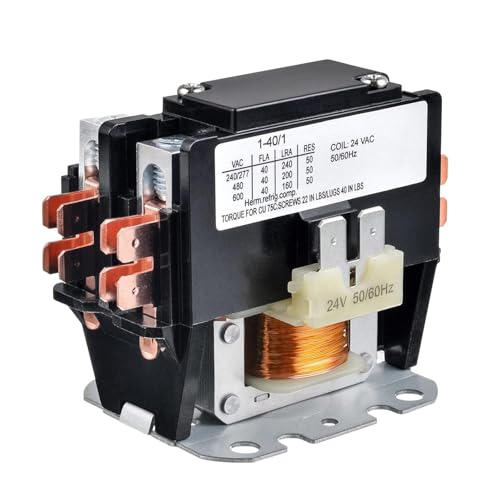

This prime front-end location ensures the condenser receives a constant flow of fresh air, especially when the vehicle is moving. Many vehicles also have electric cooling fans positioned either in front of or behind the condenser and radiator assembly. These fans activate when the car is stationary or moving slowly, ensuring adequate airflow to both components and preventing overheating of both the engine and the AC system.
Visual Identification
To identify your AC condenser, simply look through the front grille of your car. You will likely see two similar-looking, finned components stacked one behind the other. The AC condenser is the one positioned closer to the front of the vehicle. It has metal tubes running horizontally or vertically, surrounded by many thin, delicate fins.
[VISUAL AID NEEDED: Photo or diagram highlighting the AC condenser’s location in a car’s engine bay, distinguishing it from the radiator.]
Condenser Versus Radiator
It’s common for car owners to confuse the AC condenser with the engine’s radiator, given their proximity and similar appearance. However, they serve distinctly different purposes. The condenser handles the refrigerant for your AC system, while the radiator manages the engine’s coolant. Recognizing this distinction is key to understanding each component’s role.
Now, let’s explore why the condenser’s proper function is so incredibly important for your driving comfort.
Why Is This Component Absolutely Critical?
Without a properly functioning AC condenser, your car’s air conditioning simply cannot produce cold air. It is not merely an accessory; it is an indispensable part of the refrigeration cycle. If the condenser fails, the entire cooling process grinds to a halt.
Central to Cooling
The condenser’s role in changing the refrigerant from a hot gas to a cooler liquid is non-negotiable for the AC system. If the refrigerant cannot release its heat at this stage, it cannot effectively absorb heat from the cabin later. This means no matter how hard your compressor works, your vents will only blow warm air.
Your car’s ability to cool itself relies directly on this single component.
Cooling Efficiency Impact
Even a partially blocked or damaged condenser can severely impact cooling efficiency. If debris or bent fins reduce airflow, the heat transfer process becomes less effective. This forces the compressor to work harder, increasing wear and potentially leading to higher fuel consumption. In 2026, maintaining optimal AC efficiency remains a priority for many drivers.
Common Failure Symptoms
Recognizing the signs of a failing condenser can save you discomfort. The most obvious symptom is consistently warm air blowing from your AC vents, even on the coldest setting. You might also notice your AC compressor running almost constantly as it tries to achieve the desired temperature without success.
Visible damage to the condenser, such as dents from road debris or corrosion, can also indicate a problem. These observations highlight why understanding its function and health is so vital. It’s often confused with another key component, so let’s clarify that next.
AC Condenser vs Radiator What 2 Key Differences Matter?
Many car owners confuse the AC condenser with the engine’s radiator, but they serve distinct purposes despite their similar appearance and shared location. Understanding these differences helps clarify each component’s role in your vehicle’s overall operation.
Fluid Processed
The primary difference lies in the fluid each component handles. The AC condenser processes refrigerant, which is a specialized chemical compound designed to change states from gas to liquid and back. In contrast, the radiator manages engine coolant, a mixture of water and antifreeze, which circulates through the engine to regulate its operating temperature.
These fluids are never interchanged between the two systems.
Cooling System Role
Their roles in the car’s cooling architecture are also distinct. The condenser is exclusively part of the vehicle’s air conditioning system, facilitating the process that cools the cabin air. The radiator, however, is a fundamental component of the engine cooling system, preventing the engine itself from overheating. While both dissipate heat, they do so for different parts of the car.
Shared Location Dynamics
While often located side-by-side at the front of the car to leverage the same airflow, their internal designs and connections serve entirely separate systems. The condenser connects to the AC lines, while the radiator connects to engine hoses. Knowing these key distinctions helps you properly identify and understand each component.
Now, let’s address some common questions about your car’s AC condenser.
What Should Every Driver Know About Their AC Condenser?
Understanding your car’s AC condenser is key to maintaining a comfortable cabin and identifying potential issues early. We have explored its definition, how it works, where it’s located, and why it’s so critical for your air conditioning system. This knowledge empowers you to better appreciate your vehicle’s engineering.


Knowing that the condenser is solely responsible for shedding heat from the refrigerant highlights its non-negotiable role. Without this component functioning correctly, your car’s AC simply cannot cool. Keep an eye out for any signs of reduced cooling, as this often points to issues within the condenser or related AC parts. Informed car ownership leads to smoother, more comfortable drives.
5 Essential Questions About Car AC Condensers
Does an AC Condenser Need to Be Replaced?
An AC condenser may need replacement if it’s damaged (e.g., from an accident or road debris) or corroded, leading to refrigerant leaks or inefficient cooling. Regular maintenance can extend its life, but severe damage often necessitates a new unit to restore AC function.
What Refrigerant Does an AC Condenser Use?
AC condensers are designed to work with specific refrigerants. Modern car AC systems typically use R-134a, while older vehicles might still use R-12 (now largely phased out). Newer vehicles are increasingly using R-1234yf due to environmental regulations. Always check your vehicle’s specifications for the correct type.
Can I Drive My Car With a Bad AC Condenser?
Yes, you can generally drive your car with a bad AC condenser without immediately harming the engine or vehicle operation. However, your air conditioning system will not produce cold air, and in some cases, a continuously running AC compressor trying to compensate could lead to increased fuel consumption or further system wear over time.
How Long Do Car AC Condensers Last?
The lifespan of a car AC condenser can vary significantly, often lasting anywhere from 8 to 15 years, or even the entire life of the vehicle. Factors like exposure to road debris, corrosion from road salt, proper system maintenance, and climate conditions all influence its durability.
What Is the Typical Cost to Replace an AC Condenser in 2026?
The typical cost to replace an AC condenser in 2026 can range significantly, usually between $500 and $1,200 for parts and labor, depending on the car model and shop. More complex vehicles or premium parts might push the cost higher. Always obtain multiple quotes.