What To Do When Car Battery Dies Proven 2026 Steps
Last Updated on September 1, 2026 by Ryan
When your car battery dies, the immediate solution is often jump-starting it using jumper cables and another vehicle, or calling roadside assistance. If those options are unavailable, understanding temporary fixes and diagnostic steps can help you prepare for a replacement or professional repair.
When your car battery dies, the immediate solution is often jump-starting it using jumper cables and another vehicle, or calling roadside assistance. If those options are unavailable, understanding temporary fixes and diagnostic steps can help you prepare for a replacement or professional repair. The first step when your car battery dies is to assess the situation calmly and understand your immediate options.
Encountering a dead car battery can be a frustrating experience, but with the right knowledge and tools, you can resolve the issue efficiently. This comprehensive guide provides practical, research-informed strategies for what to do when car battery dies in 2026.
We will cover everything from initial diagnosis to long-term prevention. Before attempting any fixes, knowing how to identify the problem safely is crucial, as we will explore first.
Key Takeaways
- Jump-starting is the quickest immediate fix.
- Prioritize safety when handling car batteries.
- Diagnose common battery issues effectively.
- Always prepare an emergency roadside kit.
- Regular maintenance prevents future failures.
Key Takeaways


- Jump-starting is the quickest immediate fix.
- Prioritize safety when handling car batteries.
- Diagnose common battery issues effectively.
- Always prepare an emergency roadside kit.
- Regular maintenance prevents future failures.
How to Safely Diagnose a Dead Car Battery in 5 Steps


When your car won’t start, accurately diagnosing the issue is your first critical step. It ensures you address the correct problem and avoid unnecessary repairs. Many drivers face dead batteries due to preventable issues, such as leaving lights on or prolonged inactivity.

According to automotive data from 2025, approximately 30% of all roadside assistance calls are for battery- related problems, highlighting the frequency of this issue . Always ensure safety before interacting with your vehicle’s electrical system.
Secure Vehicle Area First
Park your vehicle on a level surface away from traffic. Engage the parking brake firmly. Turn off the ignition and remove the keys to prevent accidental starts. Ensure sufficient lighting if it is dark outside.
Inspect Battery Terminals
Open your car’s hood and locate the battery. Check the battery terminals for corrosion, which often appears as a white or bluish powdery substance. Ensure the cable connections are tight and secure. Loose or corroded terminals can prevent proper electrical flow.
Listen for Clicking Sounds
Attempt to start your car. Listen carefully for any sounds. A rapid clicking sound typically indicates a low or dead battery that lacks the power to engage the starter motor. A single click might point to a faulty starter or solenoid instead.
Observe Dashboard Lights
Turn the key to the ‘on’ position without starting the engine. Observe the dashboard warning lights. Dim or non-existent lights suggest a severe lack of power from the battery. If lights come on brightly but the engine won’t crank, the issue might be elsewhere, like the starter.
Confirm Battery Status
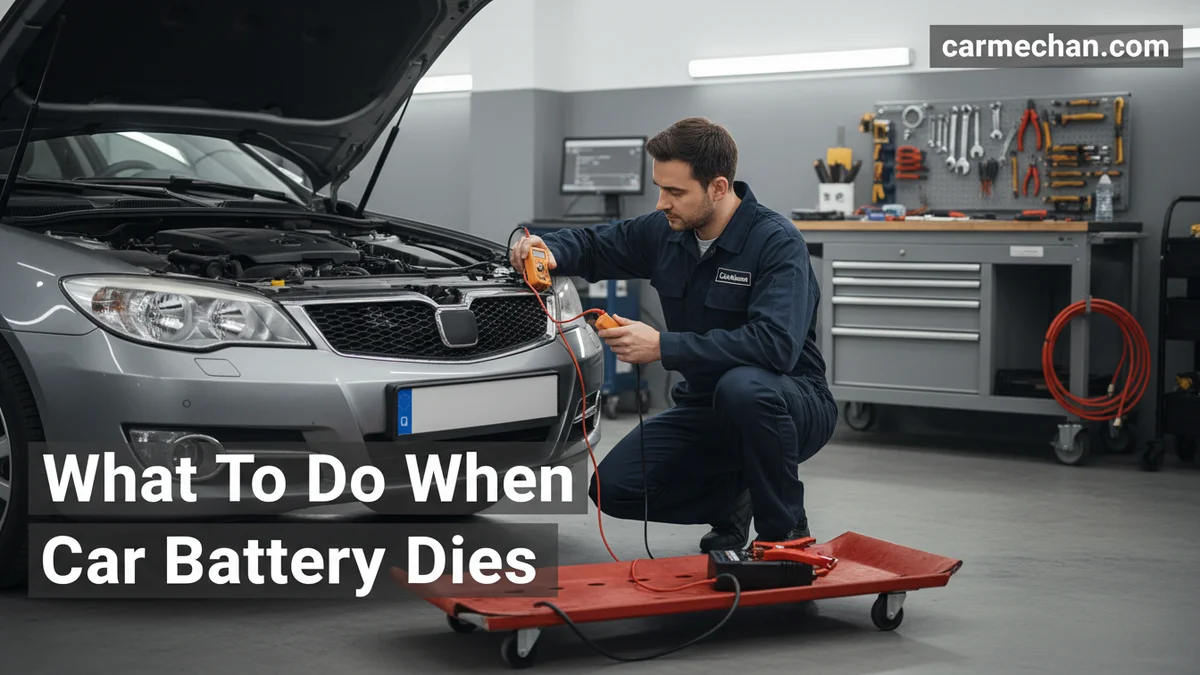
If available, use a voltmeter to check the battery’s voltage. A fully charged 12-volt car battery should read around 12.6 volts or higher. Readings below 12.4 volts indicate a discharged battery, and below 12.0 volts means it is significantly depleted. This confirms the battery is the primary problem.
Once you have confirmed a dead battery, the most common immediate solution is a jump-start, which we will detail next.
How to Correctly Jump-Start Your Car Battery in 7 Steps


Jump-starting offers a practical solution to get your vehicle running again when the battery dies. It is a common procedure that, when done correctly, can quickly get you back on the road. Safety is paramount throughout this process.
Consult your vehicle’s owner’s manual for specific instructions or warnings before beginning . Always wear gloves and eye protection to safeguard against potential hazards.
Prepare Necessary Equipment
Gather your jumper cables. Ensure they are in good condition with no frayed wires or damaged clamps. You will also need a second vehicle with a working battery, known as the “donor vehicle.”
Position Vehicles Correctly
Park the donor vehicle facing the dead vehicle, close enough for the jumper cables to reach both batteries, but not touching. Both vehicles must be turned off, with parking brakes engaged. This prevents accidental movement or electrical shorts.
Connect Jumper Cables Safely
First, attach one red (positive) clamp to the positive (+) terminal of the dead battery. Then, attach the other red clamp to the positive (+) terminal of the donor battery. Next, connect one black (negative) clamp to the negative (-) terminal of the donor battery.
Finally, connect the remaining black clamp to an unpainted metal surface on the engine block of the dead car, away from the battery and moving parts. This creates a safe ground.
Start the Donor Vehicle
Once cables are connected, start the donor vehicle’s engine. Let it run for 5-10 minutes. This allows the donor battery to transfer some charge to the dead battery, preparing it for starting.
Attempt to Start Your Car
After the donor vehicle has run for a few minutes, try to start your car. If it doesn’t start immediately, wait a minute or two and try again. Do not crank the engine for more than 5-10 seconds at a time to prevent overheating the starter motor.
Disconnect Cables Carefully
Once your car starts, let both vehicles run for a few minutes. Disconnect the jumper cables in the reverse order of connection. First, remove the black clamp from your car’s engine block. Then, remove the black clamp from the donor battery. Next, remove the red clamp from the donor battery.
Finally, remove the red clamp from your car’s battery. Store cables safely.
Post-Jump Driving Tips
After a successful jump-start, drive your car for at least 20-30 minutes. This allows your alternator to recharge the battery sufficiently. Avoid turning off your car or making short trips immediately after. If your car struggles to restart after this drive, your battery may need replacement.
If jump-starting isn’t an option, or if it fails, several other methods can help you address a dead battery.
What Other Options Exist Without Jumper Cables
Sometimes, traditional jump-starting isn’t an option, requiring alternative approaches to a dead car battery. You might lack jumper cables, a donor vehicle, or the location might be unsafe for such a procedure. Fortunately, several other effective solutions are available.
Call Roadside Assistance
This is often the safest and easiest option if you have coverage through your insurance, car manufacturer, or an auto club. Services like AAA offer battery jump-starts or even replacements on the spot. Average response times for roadside assistance can vary widely based on location and time of day, ranging from 30 minutes to over an hour in metropolitan areas in 2026 .
Use a Portable Starter
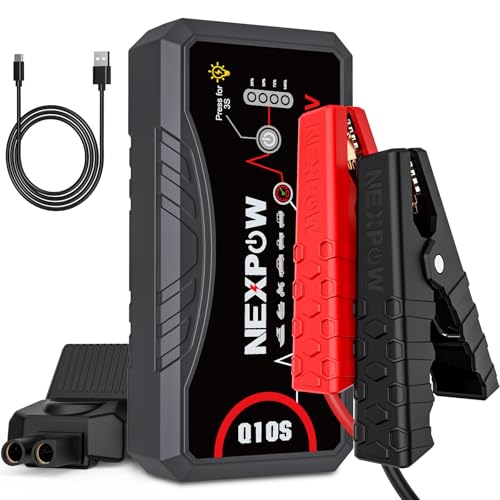
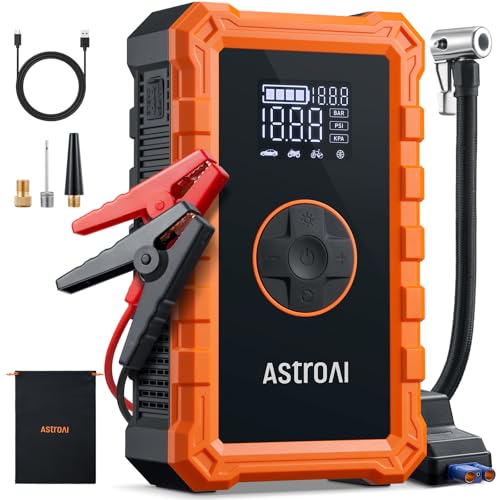
A portable jump starter, also known as a battery booster or jump pack, is a compact device that carries its own charge. These units are increasingly popular for their convenience and safety. They eliminate the need for a second vehicle and are designed with built-in safety features like reverse polarity protection.
Always ensure your portable starter is fully charged before stowing it in your emergency kit.
Consider Push Starting
Push starting, or “rolling start,” is only possible for manual transmission vehicles and requires careful execution. Engage the parking brake and put the car in second gear. With a few people pushing the car to gain momentum, release the clutch abruptly while simultaneously turning the ignition.
The engine should kick over. This method is not recommended for automatic transmissions or on inclines due to safety risks.
Connect a Battery Charger
If you are at home or have access to an electrical outlet, a battery charger can slowly recharge your dead battery. Connect the charger to your battery terminals (positive to positive, negative to negative) and plug it into an outlet. The charging time varies depending on the charger’s amperage and the battery’s discharge level, typically taking several hours.
This method is ideal when you have time and don’t need immediate vehicle use.
Understanding the immediate fixes is important, but preventing future battery failures requires knowing why they happen in the first place.
5 Common Reasons Car Batteries Die Unexpectedly
Car batteries can die for various reasons, many of which are preventable with proper knowledge. Understanding these underlying causes helps drivers adopt better maintenance habits and prepare for potential issues. On average, a conventional lead-acid car battery lasts between three to five years, but factors can significantly shorten this lifespan .
Aging Battery Components
Like any component, car batteries degrade over time. The chemical processes inside the battery that store and release energy become less efficient. This degradation is often accelerated by frequent deep discharges or prolonged exposure to extreme temperatures. An older battery, especially one over three years old, is more susceptible to sudden failure.
Persistent Parasitic Drains
Parasitic drains occur when electrical components in your car continue to draw power even after the engine is off. This can be caused by faulty wiring, an improperly installed aftermarket accessory, or even a glove box light that remains on. Over time, these small draws can completely drain a battery, especially if the car is parked for extended periods.
Regular vehicle inspections can help identify such drains.
Failing Charging System
Your car’s alternator is responsible for recharging the battery while the engine is running and powering the electrical system. If the alternator or its related components (like the voltage regulator or serpentine belt) fail, the battery won’t receive the charge it needs. This leads to gradual power depletion and eventual battery death.
A dashboard warning light often indicates an issue with the charging system.
Extreme Weather Conditions
Both extreme cold and intense heat adversely affect car batteries. Cold weather reduces the battery’s cranking power and thickens engine oil, making the starter work harder. Heat, conversely, accelerates the internal chemical reactions, leading to faster degradation and evaporation of battery fluid. Parking in shaded areas or using a battery blanket in cold climates can mitigate these effects.
Operator Errors Overlooked
Leaving headlights on, interior lights on, or other accessories running while the engine is off are common culprits for a dead battery. These small oversights can fully drain a healthy battery within a few hours. Repeatedly performing short trips that do not allow the alternator sufficient time to fully recharge the battery can also lead to premature battery failure.
Always double-check your electricals before leaving your vehicle.
Recognizing the causes helps, but knowing when your battery has truly reached the end of its life is equally vital for reliable vehicle operation.
When to Replace Your Car Battery for Good
Eventually, even the most well-maintained car battery will reach the end of its functional life. Knowing when to replace it rather than attempting another jump-start saves you time, money, and unexpected roadside breakdowns. Ignoring signs of a failing battery can leave you stranded.
Recognize Failure Indicators
Be alert for several key warning signs. Slow engine cranking, especially in cold weather, is a primary indicator. Dim headlights or interior lights when the engine is off, or flickering lights, also signal a weak battery. A swollen or corroded battery case can indicate internal damage or overcharging, necessitating immediate replacement.
The “check engine” or battery warning light on your dashboard is another clear signal.
Perform Regular Health Tests
Many auto parts stores offer free battery testing services. These tests assess the battery’s voltage and cold-cranking amps (CCA). For optimal performance, it is recommended to test your battery at least once a year, particularly as it approaches its third birthday .
You can also use an inexpensive home battery tester for quick checks.
Select a Suitable Replacement
When purchasing a new battery, consider several factors. Always match the battery group size to your vehicle’s specifications, usually found in your owner’s manual or on the existing battery. Pay attention to the CCA rating; higher CCAs are better for cold climates. Different types, like flooded, AGM, or gel batteries, offer varying performance and lifespans.
AGM batteries, for instance, often come with longer warranty periods, typically 3 to 5 years.
Understand Installation Needs
While DIY battery replacement is possible for many, it requires proper tools and safety precautions. Disconnecting the negative terminal first and reconnecting it last is crucial to prevent electrical shorts. Some modern vehicles require specialized tools or procedures to ensure the new battery is correctly integrated with the car’s computer system.
If you are unsure, professional installation ensures proper fitment and electronic calibration.
Understanding these steps will help you handle a dead battery, and we can summarize the key takeaways to ensure you’re fully prepared.
Mastering Dead Battery Scenarios Your 2026 Action Plan
Dealing with a dead car battery can be a common inconvenience, but by following the practical steps outlined in this guide, you can confidently address the situation. We’ve equipped you with the knowledge to diagnose the problem, execute a safe jump-start, and explore alternative solutions when traditional methods aren’t feasible.
Remember that prevention is key; understanding why car batteries die allows you to take proactive measures. Regularly inspect your battery, monitor for warning signs, and consider routine professional checks. Being prepared with an emergency kit, including jumper cables or a portable jump starter, significantly reduces stress during unexpected breakdowns.
Staying informed about what to do when car battery dies ensures you remain self-reliant and safe on the road.
Frequently Asked Questions About Car Battery Issues
Can a Completely Dead Car Battery Be Jump-Started?
Yes, a completely dead car battery can often be jump-started successfully. However, if the battery is faulty or has an internal short, it may not hold a charge or accept a jump. Always check for physical damage like swelling before attempting to jump-start.
How Long Should I Drive My Car After a Jump Start?
After a jump start, drive your car for at least 20-30 minutes, ideally at highway speeds. This duration allows your alternator sufficient time to recharge the battery adequately, helping prevent it from dying again shortly after restarting.
What Are the Signs My Car Battery Is Dying?
Common signs include a slow engine crank, dim headlights, an illuminated battery warning light on your dashboard, and clicking sounds when attempting to start. An older battery, typically over three years, is also a strong indicator it might be nearing its end.
Is It Safe to Jump-Start a Frozen Car Battery?
No, it is not safe to jump-start a frozen car battery. A frozen battery can explode due to internal gases expanding during charging, posing a severe safety risk. You must allow a frozen battery to thaw completely and naturally before attempting any charging or jump-starting.
When Is It Best to Call for Professional Roadside Assistance?
It is best to call for professional roadside assistance if you are alone, lack jumper cables or a donor vehicle, suspect an issue beyond a simple dead battery, or if multiple jump-start attempts fail. Professionals can diagnose and resolve complex electrical problems safely.