2004 f150 cruise control not working: Diagnosed & Fixed
Is your 2004 F150 cruise control not working, leaving you tired on long highway drives? Whether it’s a dead button, a flashing light, or a system that refuses to engage, this classic Ford truck issue often stems from simple electrical or vacuum faults rather than major component failure. In this guide, we break down the exact diagnostic steps to pinpoint the culprit—from brake light bulbs to clock springs—and walk you through the fixes to get your speed control back in action.
Identifying Root Causes for 2004 F150 Cruise Control Not Working
Recommended Best Deal Products


The speed control system on the 2004 F150 relies on a sophisticated handshake between electrical sensors, vacuum lines, and mechanical throttle linkages. Understanding this architecture is the first step to a successful fix.

📤 Share Image
The Role of Brake System Interlocks
Your cruise control is hard-wired to disengage the moment it detects braking. A common pitfall is ignoring the brake light circuit. Research indicates that the Powertrain Control Module (PCM) monitors circuit resistance; if a brake light bulb burns out, the resulting change in resistance can be interpreted by the vehicle as a “brake depressed” signal, effectively killing the cruise control command. Always inspect your brake light bulbs before tearing into the dash.
Vacuum Leaks and Throttle Cable Tension
The 2004 model uses a speed control actuator that relies on engine vacuum to physically pull the throttle cable. If the vacuum supply line is cracked, or if the throttle cable has developed excessive slack, the actuator will attempt to engage but fail to pull the throttle plate open. A physical inspection of the engine bay lines is a mandatory diagnostic step.

Electrical Logic and PCM Communication
The Cruise Control Module communicates directly with the PCM. If the PCM detects a fault in the ABS system or the Speed Control Deactivation Switch (located on the master cylinder), it will inhibit the cruise system as a safety precaution. The Deactivation Switch is notorious for failing and, in some cases, leaking brake fluid, making it a primary suspect in chronic failures.
By The Numbers
Fix success via simple electrical/vacuum checks
Known recall item: Brake Pressure Switch
Systematic Troubleshooting for 2004 F150 Cruise Control Failures
When you need to diagnose the system, follow this logical path to avoid replacing expensive parts unnecessarily.
- Central Junction Box (Fuse Panel): Check the fuses assigned to the speed control module and the brake light circuit. A blown fuse here is the most common “invisible” cause.
- Brake Light Inspection: Ensure all bulbs are functional. Even an LED conversion without a load resistor can trigger a fault.
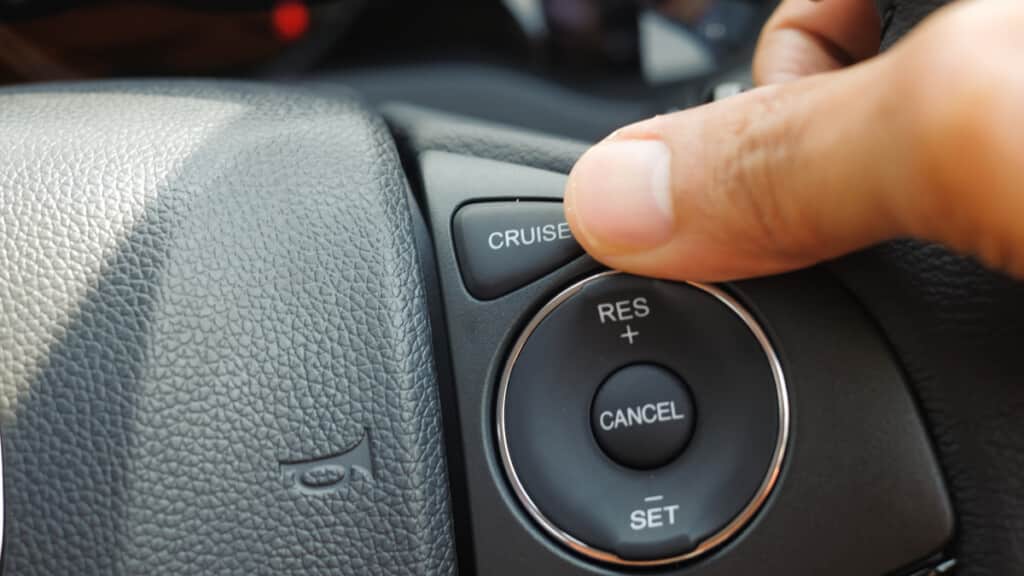
- Clock Spring Continuity: The steering wheel clock spring transfers electrical signals from the buttons to the column harness. If your cruise buttons are unresponsive but your horn works, the clock spring is a likely failure point. Use a multimeter to check for voltage at the switch connector while manipulating the steering wheel.
- Vacuum Integrity: Trace the line from the actuator back to the vacuum source. Listen for a distinct hissing sound while the engine is idling.
- ABS System Check: If your ABS or “Brake” warning light is illuminated, the cruise system will often be disabled by the PCM to prevent unsafe operation.
Step-by-Step Fixes for 2004 F150 Cruise Control Not Working
Recommended Best Deal Products



📋
Step-by-Step Guide
Locate the switch on the master cylinder. Place a rag underneath to catch residual brake fluid. Unplug the harness, unscrew the old switch, and install the new one quickly to minimize fluid loss. Ensure the new switch is seated firmly.
Locate the throttle cable leading to the actuator. If there is more than 1/4 inch of play, the system cannot pull the throttle wide enough to hold speed. Use the adjustment clip to tighten the cable until slight resistance is felt, then re-test on the road.
After any component replacement, use an OBD-II scanner to clear existing codes. Even if the part is fixed, a persistent code in the PCM memory may prevent the system from re-engaging.

Prime for Young Adults — 6 Months Free
Students and 18–24s get six months of Prime free, then half price.
Start 6 Months FreeNever attempt to repair a damaged clock spring; it is a safety-critical component tied to your airbag system. If continuity is lost, the entire unit must be replaced.
Troubleshooting Persistent Cruise Control Problems
Recommended Best Deal Products


If your cruise control drops out intermittently—especially over bumps—you are likely dealing with a loose ground or a failing electrical connection within the steering column.
Diagnosing Intermittent Signal Loss
Intermittent issues are usually mechanical. Use a scan tool to monitor “Cruise Switch” status in real-time. If you see the status toggle to “off” while driving over bumps, focus your inspection on the clock spring connectors and the steering column wiring harness. Vibration can cause brittle, aging wires to lose connectivity for a millisecond, which is enough to force the system to disengage.
Addressing Grounding Issues in the Column
The cruise switches utilize a series of resistors to send different voltage signals to the PCM for “Set,” “Resume,” and “Cancel.” If the ground at the column is corroded, the resistance values change, causing the PCM to receive invalid data. Ensure all ground points under the dash are clean and tightened to the chassis.
When to Consult a Professional Mechanic
If you have verified the fuses, bulbs, vacuum lines, and the deactivation switch, but the system still fails to engage, the issue may reside within the instrument cluster or the PCM itself. These components are expensive and require specialized diagnostic software to program, so consult a professional once you have exhausted the basic DIY path.
If you have recently added aftermarket lighting or modified your truck’s wiring, revert these changes before diagnosing. Even a minor change in current flow can confuse the sensitive logic of the 2004 cruise control system.
Summary of Repair Strategy
Fixing your 2004 F150 cruise control requires a methodical approach that starts with the simplest electrical variables. To summarize: always start with the cheapest and simplest fixes, such as checking fuses and brake light bulbs. The brake pressure switch and clock spring are the most likely mechanical failure points for this model year. Don’t overlook vacuum leaks or cable slack, which are common physical hurdles to system engagement. If the issue persists after these checks, use a scan tool to interrogate the PCM for specific error codes.
Check your brake lights today—it might be the simplest, most effective fix you ever perform on your truck.
2004 f150 Cruise Control Not Working: Frequently Asked Questions
Why does my cruise control light flash?
A flashing cruise control light on a 2004 F-150 typically signals a diagnostic trouble code within the speed control system. This is often caused by a fault in the brake pressure deactivation switch, which is a safety mechanism designed to disengage the cruise system immediately if it detects a malfunction. You should check for stored codes using an OBD-II scanner to pinpoint the specific sensor or module fault triggering the flash.

Audible Premium Plus — Annual Membership
12 audiobook credits up front, plus the full Audible catalogue.
See Annual PlansIs there a fuse for 2004 F-150 cruise control?
Yes, there is. The cruise control system relies on dedicated fuses within the power distribution center. You should check the owner’s manual to locate the specific fuse, usually labeled for ‘Speed Control’ or integrated into the ‘Brake/Stop Lamp’ circuit. A blown fuse here is a common failure point; always inspect the fuse for a broken metal bridge before proceeding to more complex electrical troubleshooting or component replacement.
Why does cruise control stop working when I hit a bump?
If your cruise control cuts out after a bump, you likely have a loose electrical connection, a frayed wire, or a dying clock spring. The vibration momentarily interrupts the signal between the steering wheel buttons and the PCM. Specifically, inspect the connectors at the deactivation switch on the master cylinder and the main wiring harness under the dash for signs of corrosion or poor contact that allows movement.
Does the brake light switch affect cruise control?
Absolutely. The cruise control system is hardwired to the brake pedal to ensure the system disengages immediately when you apply the brakes. If the brake light switch is misaligned, faulty, or stuck, the vehicle’s computer may believe you are constantly applying the brakes, thereby preventing the cruise control from activating. Ensure the switch is firmly mounted and that the brake lights are not staying on while you drive.
How do I test if the servo motor is the problem?
To test the servo motor, first check for vacuum leaks in the lines leading to the unit. With the engine idling, you can manually test for mechanical resistance or use a diagnostic scanner to command the servo to operate. If the electrical signal is reaching the unit but the throttle cable does not move, the internal motor or diaphragm inside the servo unit has likely failed and requires replacement.