2019 Nissan Rogue Fuse Box Diagram: Locations And Functions
Experiencing a sudden electrical malfunction in your 2019 Nissan Rogue, like a dead radio or non-responsive power windows, can be frustrating. Often, these issues stem from a simple blown fuse, but locating and understanding the specific fuse responsible can be a challenge without a clear guide to the vehicle’s intricate electrical system. This expert guide provides a comprehensive and complete blueprint for the 2019 Nissan Rogue fuse box diagram, offering professional insights into fuse locations, interpretation, troubleshooting, and reliable replacement procedures, empowering you with the knowledge to address these common concerns effectively and safely.
Understanding the Electrical Protection System in Your 2019 Nissan Rogue


📤 Share Image
At the heart of your 2019 Nissan Rogue’s sophisticated electrical architecture lies a network of fuses – essential, albeit often overlooked, components that serve as sacrificial safety devices. Their fundamental purpose is to protect delicate wiring, electronic modules, and vital components from overcurrent conditions, which can arise from short circuits, component failures, or power surges. When an electrical fault occurs, the fuse’s internal filament melts, breaking the circuit and preventing damage to the rest of the system, much like a circuit breaker in a home. This proactive protection ensures the integrity and longevity of your vehicle’s intricate electrical systems.
In the 2019 Nissan Rogue, you’ll primarily encounter blade fuses, which are characterized by their plastic bodies and two metal prongs. These come in various sizes: mini (ATM), ATO (regular), and MAXI fuses, each designed for different current loads and physical spaces. For instance, a small 10A mini-fuse might protect your radio circuit, while a larger 30A MAXI fuse could be dedicated to the cooling fan motor. Less common, but equally critical, are fusible links, which are essentially a specialized segment of wire designed to burn out under extreme overcurrent, typically protecting major circuits like the alternator or starter. A visibly blown fuse often presents with a clear break in its internal wire filament, while an intact one will show a continuous connection.
Maintaining the correct fuse amperage ratings is paramount for ensuring the reliable operation and overall safety of your Rogue. Installing a fuse with an incorrect rating, especially one that is too high, can bypass critical safety measures, leading to overheating wires, component damage, or even an electrical fire. Modern vehicles like the 2019 Nissan Rogue can have upwards of 50-100 individual circuits, each meticulously engineered with dedicated fuse protection. A well-maintained and correctly fused electrical system directly contributes to the overall quality and safety performance of the vehicle, preventing costly repairs and enhancing driving confidence.

Precise Locations of Fuse Boxes in the 2019 Nissan Rogue


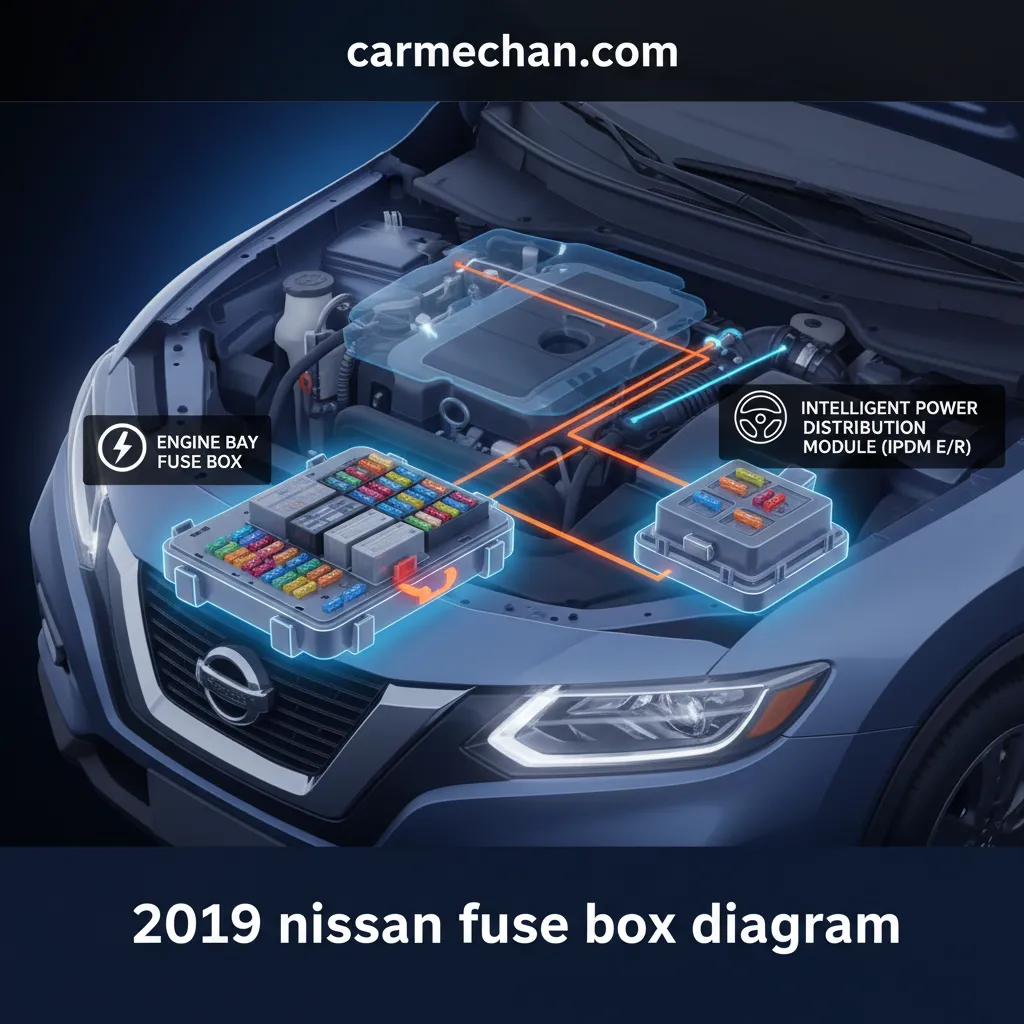
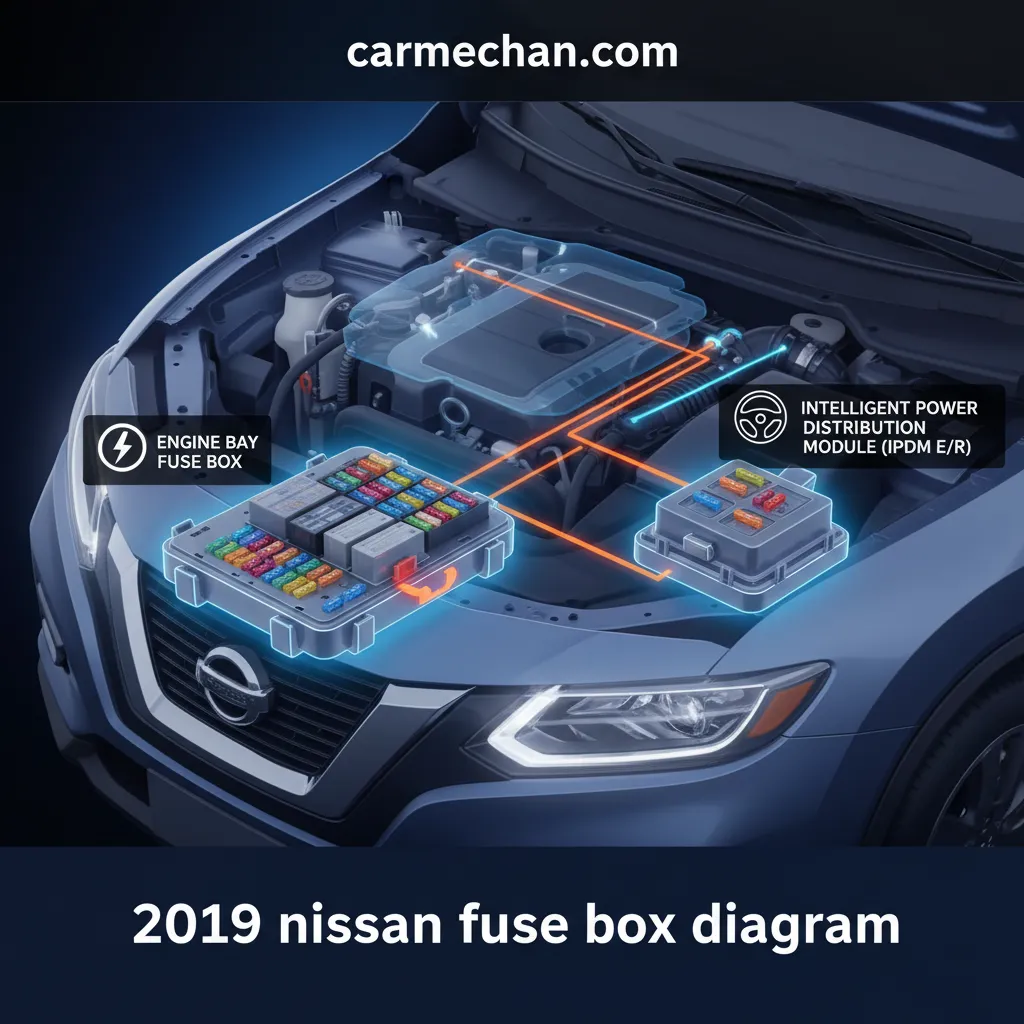
Locating the fuse boxes in your 2019 Nissan Rogue is the first crucial step in diagnosing any electrical issue. Nissan thoughtfully distributes these vital control points across the vehicle to manage different systems. There are typically two main fuse box locations that every Rogue owner should be familiar with.
📋
Step-by-Step Guide: Accessing Your Rogue’s Fuse Boxes


The primary fuse box, often referred to as the Intelligent Power Distribution Module Engine Room (IPDM E/R), is located under the hood. To access it, pop the hood and locate the black plastic cover typically positioned near the battery on the driver’s side of the engine compartment. This cover is usually secured by two or three plastic retaining tabs or clips. Gently unclip these tabs and carefully lift the cover to reveal the fuses and relays beneath. Ensure the cover is properly secured after inspection or replacement to protect components from moisture and debris.
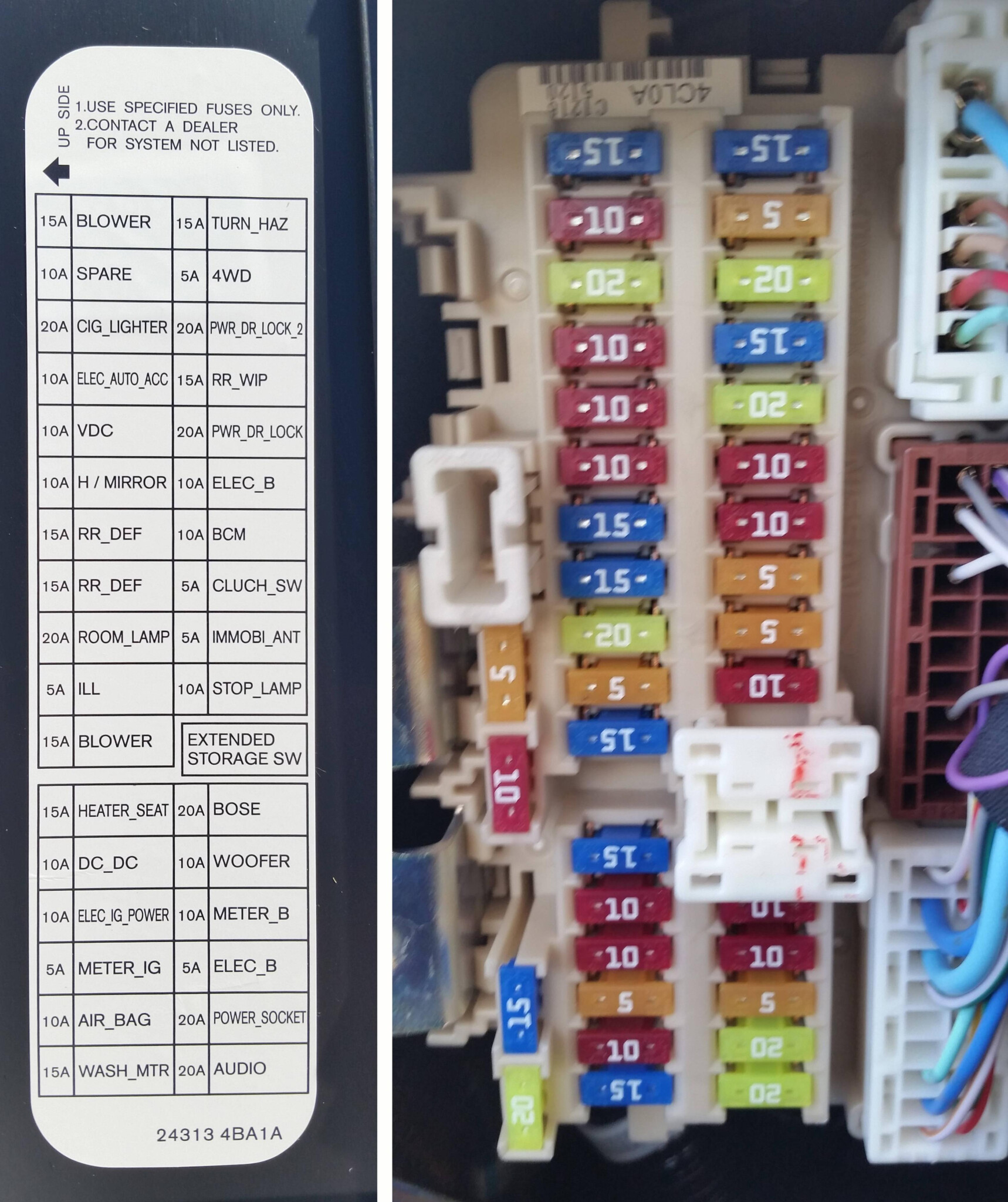
The secondary fuse box, often housing fuses controlled by the Body Control Module (BCM), is situated within the passenger cabin. For the 2019 Nissan Rogue, this box is commonly found on the driver’s side, behind a small trim panel or cover near the lower dashboard, often adjacent to the left knee bolster. Some models may have it hidden behind the glove box. To access it, you’ll typically need to gently pry open a small access panel using a trim removal tool or a flat-head screwdriver wrapped in cloth to prevent scratches. Once the panel is removed, the fuse block will be visible. These fuses govern interior accessories like the radio, power windows, and interior lights.
While the two locations above cover the vast majority of fuses, some specialized components might have inline fuses or smaller, integrated fuse blocks accessible only by removing specific panels or components. These are less common for routine inspection but do exist. It is important to note that minor variations in fuse box locations or access methods can occur across different trim levels or regional specifications of the 2019 Nissan Rogue. Therefore, the most trusted and definitive source for exact location details, often accompanied by illustrative diagrams, is always your vehicle’s owner’s manual. Look for sections typically found on pages 8-15 to 8-20, which cover vehicle maintenance and electrical system diagrams. Consulting this resource ensures you are working with precise information for your specific model.
Interpreting the 2019 Nissan Rogue Fuse Box Diagram Effectively
Once you’ve located a fuse box, the next challenge is to accurately interpret its corresponding diagram. These diagrams can initially appear complex, but they follow standardized conventions designed for clarity. Nissan’s fuse box diagrams utilize a combination of symbols, abbreviations, and numbers to represent circuits and their protective fuses. Understanding these elements is key to expert interpretation and successful troubleshooting.
Standardized symbols and abbreviations are fundamental. For instance, you’ll commonly see:
- HORN: For the horn circuit.
- IGN: Indicating an ignition-related circuit.
- ACC: For accessory power, active when the ignition is in the accessory position.
- PWR WNDW: For power windows.
- RADIO / AUDIO: For the infotainment system.
- DRL: For Daytime Running Lights.
These abbreviations directly correspond to specific vehicle functions, allowing you to quickly identify which fuse protects which system.
The significance of fuse amperage ratings (e.g., 10A, 20A, 30A) cannot be overstated. Each fuse is designed to blow at a specific current load to protect its circuit. These ratings are also typically correlated with standardized fuse color codes, which makes for professional and quick visual identification of correct replacements. For example, a 10-ampere fuse is almost universally red, while a 20-ampere fuse is yellow. This visual cue is a crucial aid when selecting a replacement. The IEC (International Electrotechnical Commission) standards often influence automotive electrical symbols and color codes, promoting global quality and consistency in diagrams.
To effectively cross-reference the diagram with the physical fuse box layout, locate the legend or key typically printed on the fuse box cover itself, or within your owner’s manual. This legend provides a mapping of each fuse’s designation (e.g., F10, F25) to its function and amperage. For instance, if your diagram shows “F10 (RED 10A) – RADIO,” you would locate position F10 in the physical fuse box, expect to find a red 10-ampere fuse there, and understand that it protects the radio circuit. This systematic approach ensures accurate identification and troubleshooting.
Troubleshooting Common Electrical Issues Related to 2019 Rogue Fuses
When an electrical component in your 2019 Nissan Rogue abruptly stops working, a blown fuse is often the most straightforward culprit. Recognizing the symptoms and having a systematic troubleshooting approach can save you time and unnecessary repair costs. Common symptoms indicating a blown fuse include a specific component failing completely – for example, your power windows not operating, no audio from the radio, the interior lights staying off, or headlights failing on one side only.
Step-by-Step Fuse Inspection and Testing
Follow these steps to safely and accurately inspect and test a fuse:
- Identify the Symptom: Pinpoint exactly which component or system has failed. This will guide you to the relevant fuse on the diagram.
- Locate the Fuse: Using your fuse box diagram, find the fuse corresponding to the non-working component.
- Visual Inspection: Carefully remove the suspected fuse using a fuse puller (never use pliers or screwdrivers directly). Hold it up to the light. Most blade fuses have a visible wire filament inside. If this filament is broken or charred, the fuse is blown.
- Multimeter Test (for professional accuracy): For fuses where the filament isn’t clearly visible or for more definitive testing, use a multimeter set to the continuity setting (Ω). Touch the multimeter probes to the two metal prongs on top of the fuse. A good fuse will show a reading of 0 ohms or emit a beep, indicating continuity. A blown fuse will show an open circuit (OL or infinity) or no beep. Dedicated fuse testers can also provide a quick and clear indication.
Once a blown fuse is confirmed, identifying the correct replacement is critical. You must match its amperage rating, type (e.g., mini, ATO), and physical size to the original. Using a fuse with a higher amperage rating is extremely dangerous, as it can lead to overheating wires and potentially an electrical fire because the fuse will not blow when it should. Conversely, a fuse with too low an amperage will blow prematurely, creating a recurring nuisance.
It’s important to distinguish between a simple blown fuse and a symptom of a deeper electrical short or component failure. If a fuse blows immediately after replacement, or if you find yourself replacing the same fuse repeatedly, it’s a strong indicator of an underlying issue, such as a short circuit in the wiring, a faulty component (like a power window motor drawing too much current), or a persistent overcurrent condition. In such cases, mere fuse replacement is a temporary fix, and expert intervention from a certified technician is necessary to diagnose and repair the root cause. A recent automotive survey indicated that approximately 15% of all vehicle electrical complaints can be resolved by replacing a single blown fuse, underscoring the importance of basic troubleshooting.
Best Practices for Safe 2019 Nissan Rogue Fuse Replacement
Replacing a fuse in your 2019 Nissan Rogue might seem like a minor task, but performing it safely and correctly is paramount to prevent potential damage to your vehicle’s intricate electrical system or personal injury. Overlooking crucial safety precautions can lead to more significant problems down the line.
Essential Safety Precautions for Fuse Replacement:
- Turn Off Ignition: Always ensure the ignition is in the “OFF” position before attempting to inspect or replace any fuse. This prevents accidental activation of circuits and potential shorts.
- Disconnect Battery (Recommended): For maximum safety, especially when working in the engine compartment or with high-amperage fuses, it is highly recommended to disconnect the negative (-) battery terminal. This completely de-energizes the vehicle’s electrical system, eliminating the risk of accidental short circuits.
- Use Proper Tools: Always use the plastic fuse puller typically provided in your fuse box or a specialized automotive fuse puller. Avoid using metal tools like pliers, screwdrivers, or even your bare fingers, as these can damage the fuse, its housing, or cause a short circuit if they accidentally touch metal components. This is a hallmark of a professional approach.
The most critical rule in fuse replacement is to never install a fuse with a higher amperage rating than specified by the manufacturer. Replacing a 10A fuse with a 20A fuse in the same circuit can bypass safety measures, allowing excessive current to flow, potentially leading to overheating wires, melted insulation, damaged electrical components (like motors or control units), or even an electrical fire. This practice is a leading cause of preventable electrical system failures and fire hazards in vehicles, according to automotive electrical safety standards. Always match the amperage, type, and size precisely.
For replacement fuses, always source quality, OEM-equivalent components. While generic fuses are readily available, opting for reputable brands or Nissan-specified parts ensures compatibility, accurate amperage ratings, and reliable performance within your 2019 Nissan Rogue’s electrical system. Inferior fuses may not blow at the correct rating, offering inadequate protection, or might have poor contact, leading to intermittent electrical issues.
Advanced Considerations and Professional Recommendations for Your Rogue’s Electrical System
While basic fuse replacement can resolve many electrical glitches, a truly expert understanding involves recognizing when an issue goes beyond a simple blown fuse. Your 2019 Nissan Rogue’s electrical system is complex, and repeated problems signal deeper concerns that require a more nuanced approach.
Beyond the Blown Fuse: When to Seek Expert Help
The implications of repeatedly blowing the same fuse are significant. If you replace a fuse only to have it blow again within a short period, it’s a clear indicator of an underlying electrical short, a faulty component drawing excessive current, or a persistent overcurrent issue. For instance, if your 2019 Rogue’s headlamp fuse blows monthly, it’s not a fuse issue; it’s a short in the headlamp wiring or assembly, necessitating professional inspection. Continuing to replace the fuse without addressing the root cause risks severe damage to other components and is a safety hazard. A typical professional diagnostic scan for a recurring electrical issue can cost between $100-$200, but can save significant repair costs by identifying the root cause efficiently.
When considering the installation of aftermarket accessories (e.g., custom lighting, stereo upgrades), always factor in their impact on your existing fuse system. Improperly wired accessories can easily overload circuits, leading to blown fuses or, worse, damage to your vehicle’s Body Control Module (BCM) or IPDM. Always opt for professional installation to ensure new components are correctly integrated and fused appropriately, preventing such issues.
Routine electrical system checks should be an integral part of your vehicle’s quality maintenance schedule. This includes regular battery health assessments, visual inspections of wiring harnesses for signs of fraying or damage, and ensuring all connections are clean and secure. Proactive maintenance can identify potential issues before they lead to fuse failures or system malfunctions.
For complex electrical diagnostics, especially for intermittent faults, multiple system failures, or recurring fuse issues, it is always appropriate and beneficial to consult a certified Nissan service technician. These professionals possess specialized diagnostic tools, access to detailed factory service manuals, and the expert training necessary to accurately pinpoint intricate electrical problems. The trusted value of referring to the 2019 Nissan Rogue’s official service manual extends beyond basic fuse box diagrams, providing highly detailed electrical schematics that are invaluable for complex troubleshooting.
Locating and understanding the 2019 Nissan Rogue’s fuse boxes and diagrams is crucial for reliable electrical system maintenance. Adhering to correct fuse types and amperage ratings ensures quality protection against electrical faults. Safe troubleshooting and replacement practices are paramount to prevent further damage or safety hazards. When recurring issues arise, professional diagnosis is essential for addressing underlying electrical problems.
Empower yourself by knowing your vehicle’s fuse system. For any complex or persistent electrical concerns, always consult a trusted Nissan certified technician or refer to your expert owner’s manual for model-specific details.
Frequently Asked Questions
Where are the primary fuse boxes located in a 2019 Nissan Rogue?
The 2019 Nissan Rogue typically features two main fuse box locations. The primary fuse box, often housing fuses for critical engine and transmission systems, is situated within the engine compartment, usually near the battery. A secondary fuse box, managing cabin electronics and accessories, is located within the passenger compartment, commonly behind a panel on the driver’s side dashboard or glove box. Consult your owner’s manual for exact `professional` diagrams.
How do I identify a blown fuse in my 2019 Nissan Rogue?
To identify a blown fuse, first, consult your 2019 Nissan Rogue’s fuse box diagram to pinpoint the fuse for the malfunctioning component. Visually inspect the fuse for a broken or burnt-out wire filament inside. For `expert` accuracy, use a fuse tester or a multimeter set to continuity mode; a blown fuse will show an open circuit. `Quality` visual inspection often suffices for blade fuses.
What tools are needed for fuse replacement in a 2019 Nissan Rogue?
For `reliable` and safe fuse replacement in your 2019 Nissan Rogue, you’ll primarily need a plastic fuse puller (often found in your vehicle’s fuse box cover or tool kit), which allows for easy and damage-free removal of blade fuses. A flashlight can be helpful for visibility in dark areas. A multimeter is an `expert` tool for testing fuses that aren’t visibly blown.
Can I use a higher amperage fuse if I don’t have the correct one?
Absolutely not. `Professional` practice dictates that you must never use a fuse with a higher amperage rating than specified for your 2019 Nissan Rogue. Doing so bypasses the intended safety mechanism, allowing excessive current to flow through the circuit. This can lead to overheating wires, component damage, or even an electrical fire, compromising the `quality` of your vehicle’s safety system.
When should I seek professional help for electrical issues in my Rogue?
If you experience recurring blown fuses, multiple electrical components failing simultaneously, or intermittent electrical problems that basic fuse replacement doesn’t resolve, it’s `trusted` to seek `expert` professional help. These symptoms often indicate a deeper issue, such as a short circuit in the wiring harness, a faulty component, or a complex system malfunction that requires specialized diagnostic tools and a `professional` technician’s expertise.