2016 Nissan Rogue Oil Filter Location: A Detailed Guide For Maintenance
Maintaining your 2016 Nissan Rogue’s engine health is paramount, and at its core lies the critical task of regular oil and oil filter replacement. However, precisely locating the oil filter on the 2016 Nissan Rogue can be a challenge for owners and even some inexperienced technicians, leading to confusion and potential delays in essential maintenance. This authoritative guide will meticulously detail the exact 2016 Nissan Rogue oil filter location, provide comprehensive steps for safe access and replacement, and offer expert advice on selecting the optimal components, ensuring your vehicle receives the precise care it requires.

Understanding the 2016 Nissan Rogue’s Oil Filtration System
Recommended Best Deal Products


📤 Share Image
For any internal combustion engine, including the robust 2.5L QR25DE found in the 2016 Nissan Rogue, regular oil and filter changes are not merely a recommendation; they are paramount for engine longevity and sustained performance. The engine oil serves multiple critical functions: lubrication, cooling, cleaning, and sealing. As oil circulates, it picks up metallic particles, carbon deposits, dirt, and other contaminants that are byproducts of combustion and normal engine wear. Without an efficient filtration system, these abrasive particles would prematurely wear down critical engine components like bearings, camshafts, and cylinder walls, leading to reduced efficiency and eventual catastrophic engine failure.
The 2016 Nissan Rogue specifically utilizes a spin-on cartridge type oil filter. This design integrates the filter media, housing, and sealing gasket into a single, replaceable unit, offering operational advantages in terms of ease of replacement and a consistent seal. Within the 2.5L QR25DE engine, oil is drawn from the oil pan by the oil pump, then pressurized and directed through the oil filter before being distributed to vital engine components. This ensures that only clean, filtered oil reaches the moving parts, maintaining optimal lubrication and effectively removing debris. While a visual diagram would perfectly illustrate this, imagine a circulatory system where the filter acts as the kidney, constantly purifying the vital fluid.
Neglecting oil filter maintenance leads to severe consequences. A clogged filter restricts oil flow, causing reduced oil pressure and potentially bypassing unfiltered oil directly to the engine, accelerating wear. Symptoms may include unusual engine noise, particularly a knocking or ticking sound, increased exhaust emissions, and a noticeable decrease in engine performance. Ultimately, a severely neglected filter can lead to overheating and irreparable engine damage. Nissan, aligned with typical industry recommendations, advises oil and filter replacement every 5,000 to 7,500 miles or 6 months, whichever comes first, to uphold the OEM design considerations and ensure the QR25DE engine operates as intended.
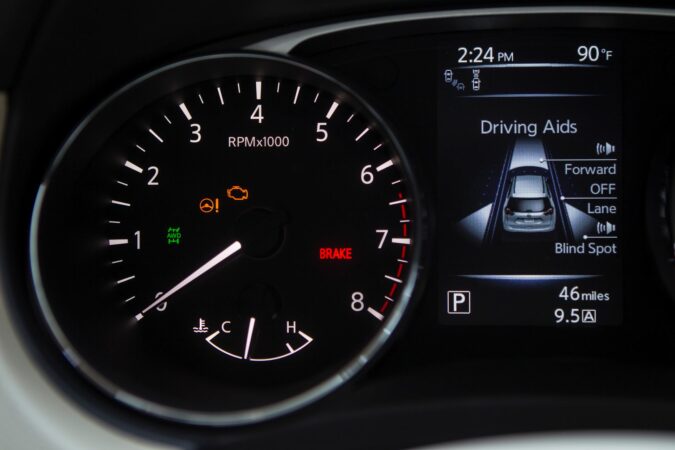
Pinpointing the Exact 2016 Nissan Rogue Oil Filter Location
Locating the oil filter on your 2016 Nissan Rogue precisely is the first critical step for successful maintenance. Unlike some vehicles where the filter is easily accessible from the top of the engine bay, the Rogue’s design necessitates access from below. The primary instruction is to safely elevate the vehicle and secure it on jack stands. Proper vehicle positioning is non-negotiable for both safety and clear, unobstructed access to the undercarriage. We recommend using a sturdy hydraulic jack to lift the front end, then placing jack stands securely under the vehicle’s frame rails.
Once the vehicle is safely elevated, your next task is accessing the underbody. The 2016 Nissan Rogue features a plastic underbody splash shield (also known as an engine cover) designed to protect engine components from road debris and enhance aerodynamics. This shield must be removed to gain direct visibility and access to the oil filter. Typically, this splash shield is secured by a series of fasteners—often a combination of 10mm bolts and plastic push-pins. A technician using a creeper to slide comfortably under the vehicle would first identify these fasteners and systematically remove them to detach the shield, allowing clear visibility of the engine’s lower front portion.
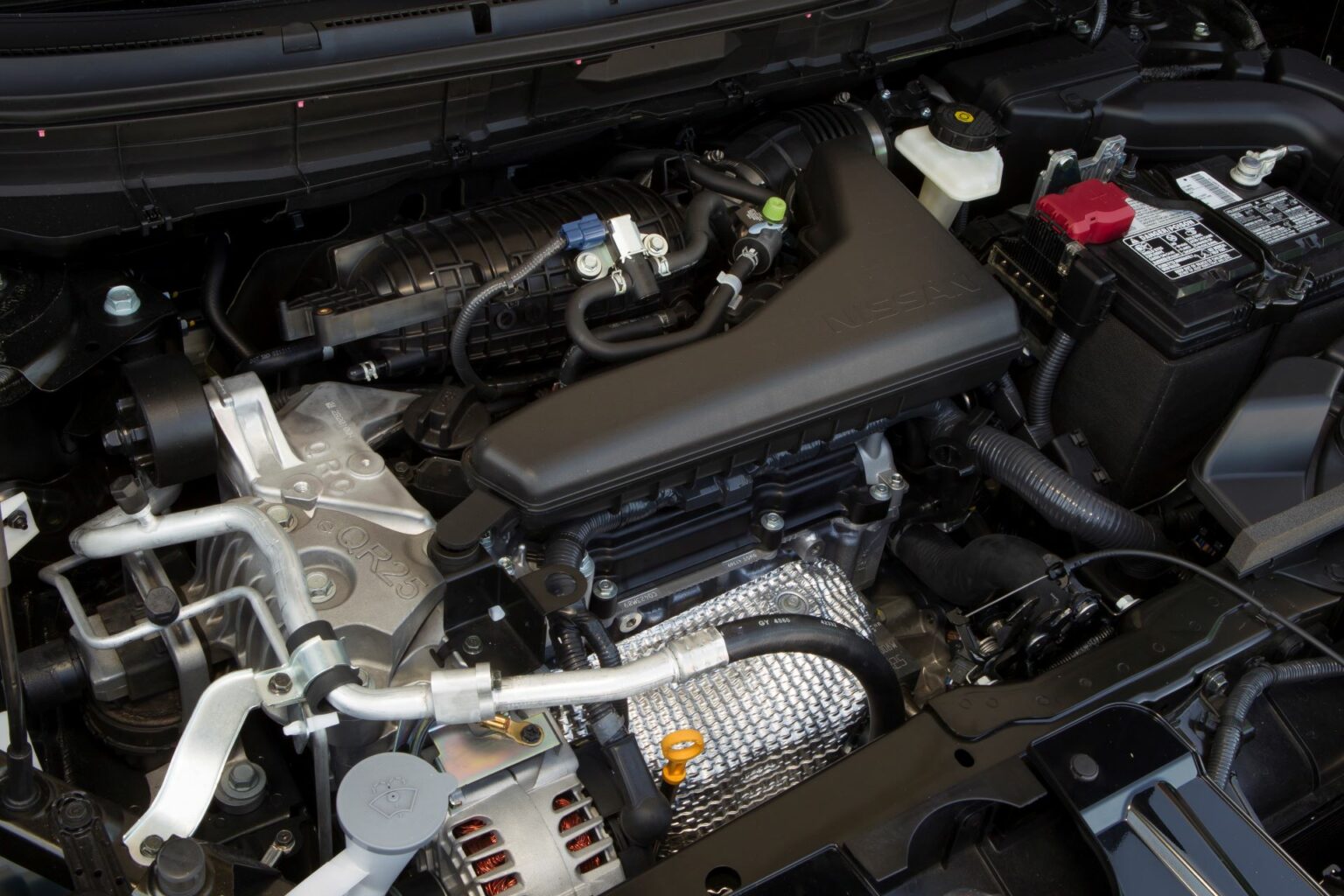
The oil filter’s precise geographical description is crucial: it is situated on the lower front portion of the engine block, typically behind the passenger-side (right-hand side of the vehicle when viewed from the front) front wheel. To help orient yourself, first locate the engine oil pan and the drain plug. The oil filter housing will be in close proximity, usually slightly forward and to the side of the drain plug, integrated into the engine block itself. This is a common design for transversely mounted engines in this class. Often, the filter becomes clearly visible once the front-right wheel well liner is partially detached or, more commonly, when the underbody shield is fully removed, offering direct line of sight to this key maintenance location.
Essential Tools and Safety Protocols for 2016 Rogue Oil Filter Access
Recommended Best Deal Products
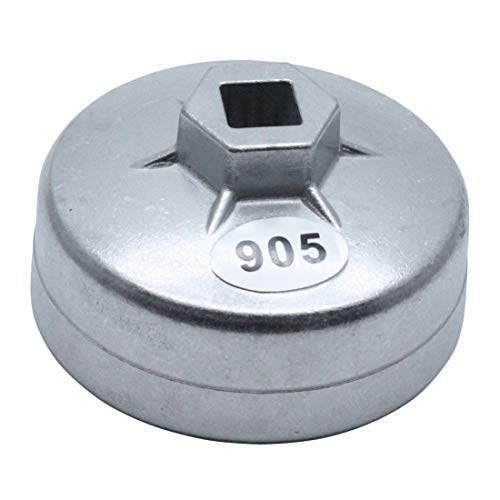


Before commencing any under-vehicle maintenance on your 2016 Nissan Rogue, assembling the correct equipment and adhering to stringent safety protocols are non-negotiable. These steps ensure not only the successful execution of the task but, more importantly, your personal safety. Here’s a comprehensive list of what you’ll need:
- Oil Drain Pan: A minimum 6-quart capacity is essential, given the Rogue’s 4.9-quart oil capacity, to prevent spills.
- Sockets and Ratchet: You’ll need a 10mm socket for the splash shield fasteners and either a 14mm or 17mm socket for the oil drain plug, depending on your specific model variation.
- Oil Filter Wrench: A cap-style wrench that fits the Nissan filter (typically 65/67mm with 14 flutes) or a robust strap-style wrench is necessary to remove the old filter.
- Torque Wrench: Absolutely vital for properly tightening the drain plug and new oil filter to manufacturer specifications, preventing leaks or overtightening damage.
- Jack and Jack Stands: For safe and stable elevation of the vehicle.
- Wheel Chocks: To prevent unintended vehicle movement while working underneath.
- New Drain Plug Gasket/Crush Washer: Always replace this to ensure a leak-free seal.
- Funnel and Clean Cloths/Rags.
NEVER rely solely on a hydraulic jack to support the vehicle. Always use approved jack stands placed on a solid, level surface. Failure to do so can result in the vehicle falling, leading to severe injury or fatality. Disconnect the battery if any electrical work is performed nearby, although typically not required for an oil change.

Audible — Listen Free for 30 Days
One free credit a month and thousands of titles included.
Listen Free for 30 DaysFor personal protection, always wear chemical-resistant gloves to prevent skin exposure to hot oil and other automotive fluids, which can be irritating and contain harmful chemicals. Safety glasses are crucial to protect your eyes from splashes, drips, or falling debris. Long sleeves are also recommended. Once the used oil and filter are removed, responsible disposal is paramount. Used motor oil is a hazardous waste and must not be poured down drains or onto the ground. Most auto parts stores, and many municipal waste facilities, offer convenient and accessible recycling services for used oil and filters. For instance, any trusted local auto parts store in your community that is serving the automotive needs of residents will typically accept used oil for recycling.
By The Numbers
Oil Capacity (with filter)
Oil Filter Torque Spec
Step-by-Step Procedure for 2016 Nissan Rogue Oil Filter Replacement
📋
Step-by-Step Guide
Recommended Best Deal Products


Ensure the vehicle is safely elevated on jack stands and wheel chocked. Remove the underbody splash shield using a 10mm socket. Position your oil drain pan directly beneath the oil drain plug. Using the appropriate socket (14mm or 17mm), carefully loosen and remove the drain plug. Allow sufficient time, typically 10-15 minutes, for the engine oil to drain completely. Inspect the drain plug gasket/crush washer; it should always be replaced with a new one to prevent leaks.
Move the drain pan under the oil filter location. Using your oil filter wrench, carefully loosen the old oil filter. Be prepared for some residual oil to spill from the filter as it loosens – a partially drained filter can cause a significant mess. Spin the filter off by hand once it’s loose enough. Always double-check that the old rubber gasket came off with the filter; occasionally, it can stick to the engine block, which would cause a severe leak with the new filter installed.
Take your new oil filter and apply a thin film of fresh engine oil to its rubber gasket. This lubricates the seal, preventing it from sticking or tearing during installation and allowing for easier removal next time. Hand-tighten the new filter onto the engine block until it is snug. Then, using your torque wrench and the appropriate cap-style filter wrench, tighten the filter to the manufacturer’s specification, which for the 2016 Nissan Rogue is typically around 11-14 ft-lbs. Over-tightening can damage the filter or its seal, while under-tightening will lead to leaks.
Reinstall the drain plug with a new gasket and torque it to its specification (typically 25 ft-lbs). Refill the engine with the correct amount and type of new motor oil – the 2016 Nissan Rogue 2.5L engine typically requires 4.9 quarts with a filter change. Start the engine and let it run for a few minutes to circulate the oil, then shut it off. Wait a few minutes for the oil to settle, then check for leaks around the filter and drain plug. Finally, verify the oil level on the dipstick and top off if necessary. Reinstall the splash shield.
Audible Premium Plus — Annual Membership
12 audiobook credits up front, plus the full Audible catalogue.
See Annual PlansSelecting the Optimal Oil Filter and Motor Oil for Your 2016 Rogue
Choosing the right oil filter and motor oil is fundamental to maximizing your 2016 Nissan Rogue’s engine life and performance. This decision directly impacts filtration efficiency, engine protection, and fuel economy.
Oil Filter Selection: OEM vs. Aftermarket
For oil filters, you generally have two main choices:
- Original Equipment Manufacturer (OEM) Filters: These filters, such as Nissan Part Number 15208-65F0E, are designed and tested specifically for your vehicle’s engine architecture. They guarantee precise fitment, optimal filtration media, and consistent pressure relief valve settings, ensuring full compatibility with your QR25DE engine.
- High-Quality Aftermarket Alternatives: Reputable brands like Mobil 1, Bosch, Wix, and Mann-Filter produce aftermarket filters that often meet or exceed OEM specifications. Many premium synthetic filters boast filtration efficiency as high as 99% at 20 microns, providing superior contaminant removal and sometimes offering enhanced durability for extended drain intervals. While potentially more cost-effective than OEM, it’s crucial to select brands known for quality and compatibility.
✅ Pros (OEM)
- Guaranteed perfect fit and factory specifications.
- Engineered alongside the vehicle, ensuring optimal performance.
- Peace of mind regarding warranty compliance.
❌ Cons (OEM)
- Can be more expensive than aftermarket options.
- May not offer “performance” advantages over high-end aftermarket.
Motor Oil Recommendations
For the 2016 Nissan Rogue, Nissan explicitly recommends using API certified 0W-20 full synthetic motor oil for optimal performance, fuel efficiency, and protection across most climates. Understanding certification standards is key:
- API Certification: Look for the API ‘donut’ symbol on the oil container, indicating that the oil meets the latest performance standards (e.g., API SN, SP).
- ILSAC GF-5/GF-6: These standards relate to fuel economy and engine protection, specifically for newer gasoline engines. A 0W-20 synthetic oil typically carries both API and ILSAC certifications.
The benefits of using full synthetic oil over conventional or synthetic blend oils are substantial. Full synthetics offer:
Extended Drain Intervals
Synthetic oils maintain their viscosity and protective properties longer, allowing for extended intervals between changes.
Enhanced Engine Protection
Superior film strength and thermal stability protect against wear and breakdown in extreme temperatures or varying driving conditions.
Improved Fuel Economy
Reduced friction within the engine can translate to marginal but noticeable improvements in fuel efficiency.
Always ensure the oil you choose is available and suitable for your specific climate and driving habits. Major brands like Mobil 1, Castrol EDGE, and Pennzoil Ultra Platinum offer excellent 0W-20 full synthetic options.
Seeking Local Professional Assistance for 2016 Nissan Rogue Oil Changes
While performing your own oil change can be a rewarding and cost-effective endeavor, there are distinct benefits to seeking professional vehicle maintenance for your 2016 Nissan Rogue. Professional service centers offer more than just an oil change; they provide access to specialized tools, employ certified technicians with extensive training specific to Nissan vehicles, and conduct comprehensive vehicle inspections that often go beyond a simple oil change. This can lead to the early identification of other issues, such as a leaking seal, worn suspension components, or deteriorating belts, saving you from more costly repairs down the line. A professional in your nearby community is often a trusted local resource.
When identifying reputable automotive service centers, particularly those experienced in serving Nissan vehicles, focus on transparency and customer reviews. Look for shops that openly communicate findings, provide clear estimates, and have a strong track record of positive feedback. Both authorized Nissan dealerships and independent mechanic shops can provide excellent service. Dealerships offer factory-trained expertise and genuine OEM parts, while independent shops may offer more competitive pricing with experienced, brand-agnostic technicians. Inquire about their experience with Nissan Rogues specifically, and if they use the recommended 0W-20 full synthetic oil.
The typical costs associated with professional synthetic oil change services for a 2016 Nissan Rogue range from $60 to $100, depending on the service center’s location and the specific package offered. Many reputable shops include a multi-point inspection, tire rotation, and fluid top-offs as part of their service, providing excellent value. Inquire about any available service packages or loyalty programs. For a smooth experience, call ahead to inquire about availability and schedule an appointment, especially if you have a tight schedule. Many modern service centers offer the convenience of online scheduling and provide digital inspection reports directly to your email or phone, allowing you to review vehicle health findings at your leisure. Choosing a professional, accessible service ensures your Rogue receives expert care and maintains its reliability.
When discussing service options with a local shop, specifically ask if their oil change package includes a new drain plug gasket and if they use 0W-20 full synthetic oil that meets Nissan’s API and ILSAC specifications. This ensures adherence to manufacturer guidelines.
Proper maintenance of your 2016 Nissan Rogue is fundamental to its enduring reliability and performance. This guide has thoroughly addressed the nuances of locating its oil filter—situated on the lower front engine block, requiring specific underbody access protocols. We’ve underscored the non-negotiable importance of adhering to strict safety measures and utilizing correct tools for successful oil filter replacement. Furthermore, we’ve emphasized that choosing the right OEM or high-quality aftermarket filter alongside Nissan’s recommended 0W-20 full synthetic oil is crucial for optimal engine longevity. Empower yourself with this comprehensive knowledge for your DIY maintenance efforts, or confidently engage a reputable local service center for professional assistance, ensuring your 2016 Nissan Rogue continues to perform reliably for years to come.
Frequently Asked Questions
How often should the oil filter be changed on a 2016 Nissan Rogue?
For optimal engine health, the oil filter on a 2016 Nissan Rogue should be replaced every 5,000 to 7,500 miles or every 6 months, whichever comes first. This interval aligns with most manufacturer recommendations for using synthetic motor oil and helps prevent the accumulation of contaminants that can degrade engine performance.
What kind of oil filter does a 2016 Nissan Rogue use?
The 2016 Nissan Rogue (with the 2.5L engine) typically uses a spin-on cartridge-style oil filter. It’s crucial to select a filter that meets or exceeds OEM specifications, such as Nissan part number 15208-65F0E or a high-quality aftermarket equivalent from reputable brands like Mobil 1, Bosch, or Wix, ensuring proper fit and filtration efficiency.
Can I change the oil filter without draining all the oil?
While technically possible to attempt, it is highly inadvisable to change the oil filter without draining the engine oil first. Significant oil spillage will occur, creating a mess and an environmental hazard. Moreover, changing the filter without replacing the old, contaminated oil largely negates the benefit of a new filter, compromising engine health.
What are the signs of a clogged oil filter in a 2016 Nissan Rogue?
Signs of a clogged oil filter can include a noticeable drop in engine performance, a sputtering engine, metallic noises coming from the engine (due to inadequate lubrication), reduced oil pressure readings, or the illumination of the ‘Check Engine’ light. Prompt replacement is critical to prevent severe engine damage.
Is it better to use OEM or aftermarket oil filters for a 2016 Nissan Rogue?
Both OEM (Original Equipment Manufacturer) and high-quality aftermarket oil filters can be excellent choices for your 2016 Nissan Rogue. OEM filters guarantee a precise fit and performance as designed by Nissan. Reputable aftermarket brands often offer comparable or superior filtration at a potentially lower cost, provided they meet or exceed OE specifications and industry certifications.