Honda Accord Cruise Control Switch Replacement: Done Right
Is your Honda Accord’s cruise control failing to set or becoming unresponsive? Many drivers encounter this frustration, often assuming the worst about their vehicle’s electronic integrity. However, drivers frequently misdiagnose switch failure, leading to unnecessary expense or, worse, risky attempts at airbag handling without proper preparation. This guide provides the expert, professional path to diagnosing your system and completing a Honda Accord cruise control switch replacement to restore your highway comfort safely.
Diagnosing Honda Accord Cruise Control Failure Symptoms


Before you begin a Honda Accord cruise control switch replacement, you must confirm the fault lies within the steering wheel assembly. Cruise control is an integrated system that relies on several inputs. If the Engine Control Unit (ECU) detects a conflict or an open circuit in the chain, it will disable the system, often signaling this with a flashing “CRUISE” or “MAIN” light on the dashboard.
📤 Share Image

Testing the Brake Pedal Position Sensor
The most common culprit is not the steering button, but the brake light switch—the same component that illuminates your tail lamps. When you press the brake, the system is designed to immediately cut cruise power. If this sensor is stuck in the “active” position due to a failing internal contact or a degraded rubber stopper on the pedal arm, the ECU assumes the brake is depressed and refuses to engage the cruise system. Test this by checking if your brake lights remain on after you exit the vehicle. If they stay lit, the sensor is likely the primary issue, not your cruise switch.
Checking Fuses and Electrical Continuity
Consult your owner’s manual to identify the specific fuses related to the cruise control system and the dashboard cluster. A blown fuse in the under-dash box can simulate a complete system failure. Furthermore, consider the age of your vehicle; as the wiring harness ages, pin-corrosion at the clock spring or steering wheel connectors can create high resistance, which the ECU interprets as an electrical fault. Inspecting these connections before committing to a part replacement is a hallmark of professional diagnosis.
Industry Data
False Positives (Brake Switch)
Required SRS Wait Time
How to Perform a Honda Accord Cruise Control Switch Replacement


Once you have verified that the switch itself is unresponsive, you can proceed with the replacement. This process involves working in close proximity to the Supplemental Restraint System (SRS), commonly known as the airbag module. Never skip the safety protocols outlined below.
📋
Step-by-Step Guide


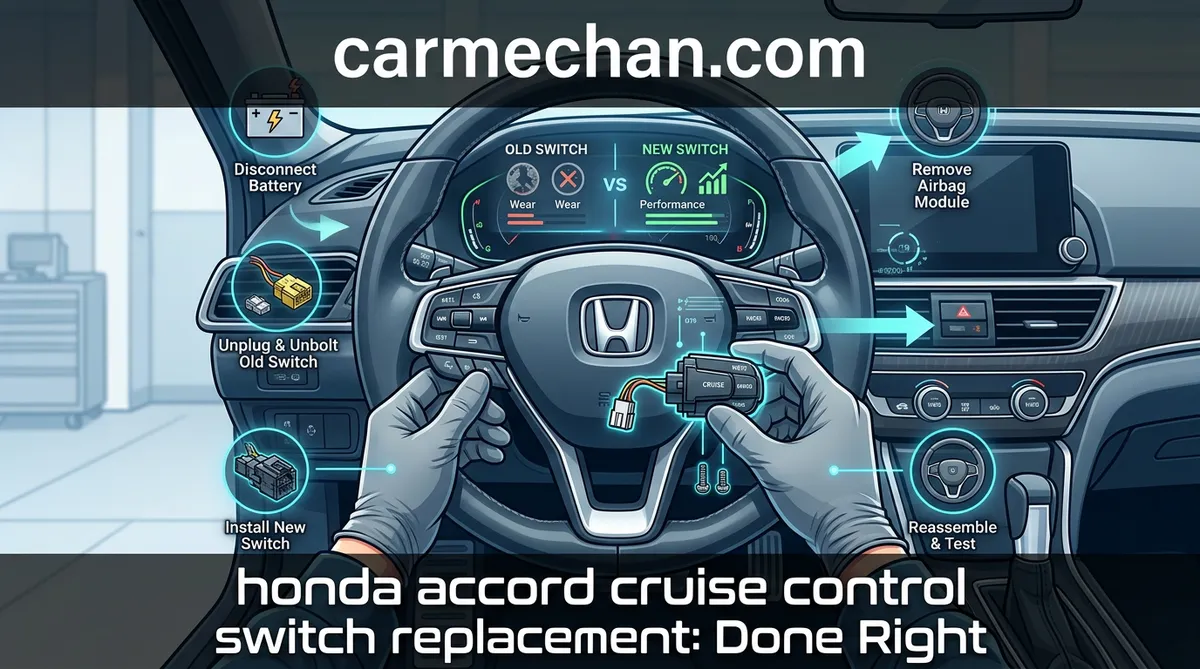
Disconnect the negative battery terminal. Wait a minimum of 15 minutes to allow the SRS capacitor to discharge. This is non-negotiable to prevent accidental airbag deployment while you handle the steering wheel assembly.
Locate the Torx screws (usually T30 or T40) on the sides of the steering wheel. Remove these, and gently pull the airbag module toward you. Disconnect the yellow SRS harness carefully, taking care not to pinch the wires.
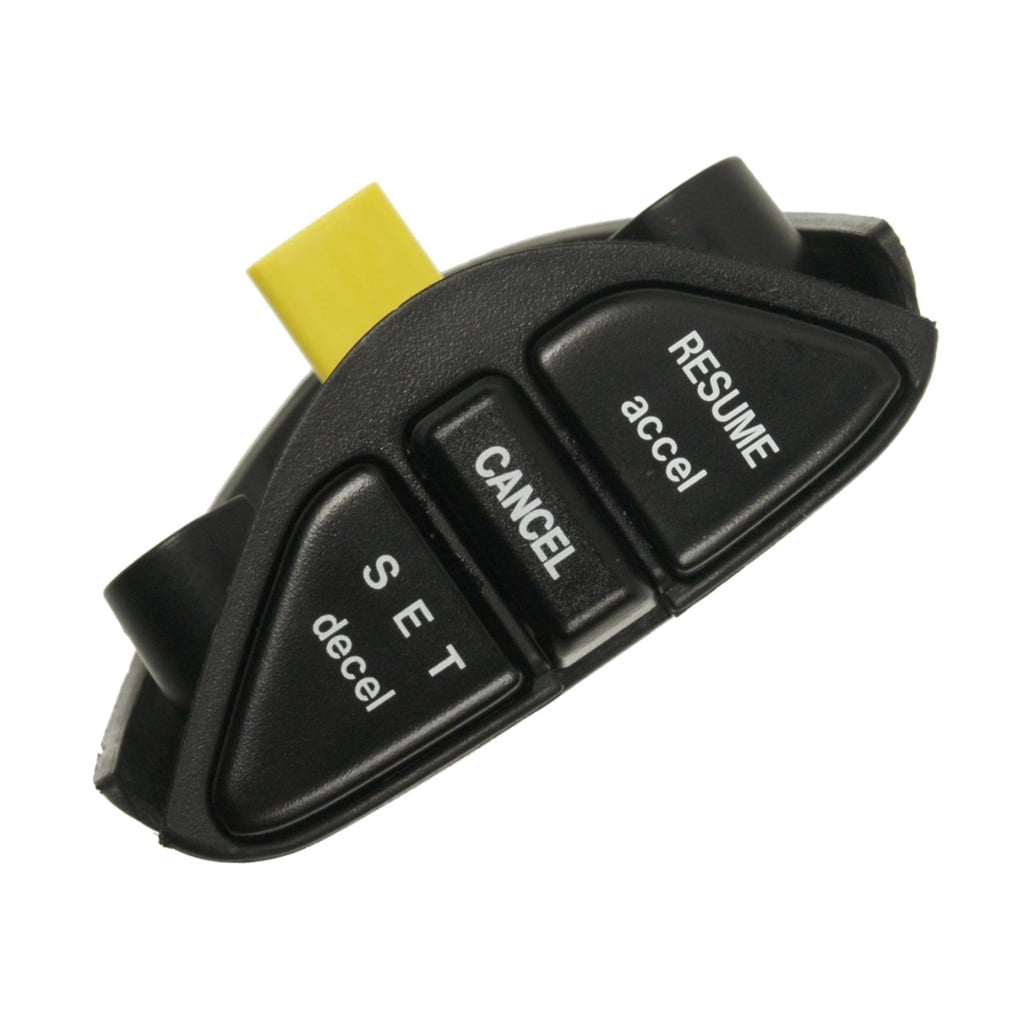
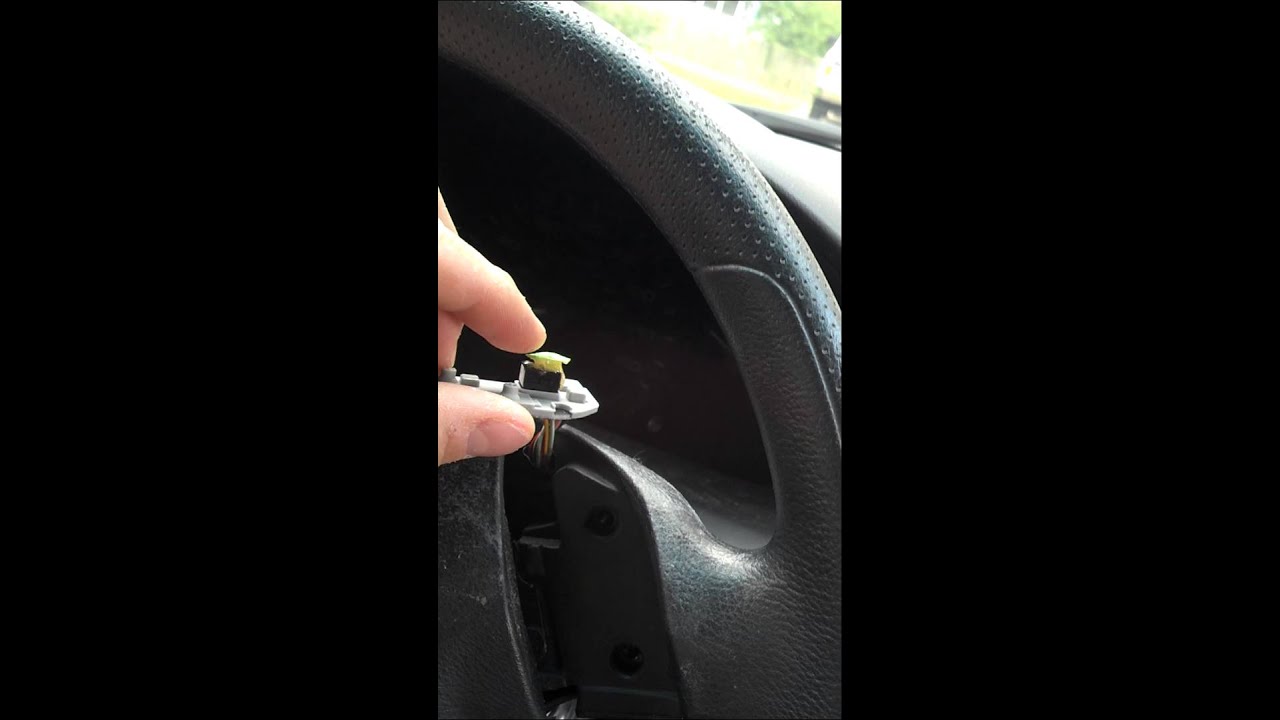
With the airbag removed, you will see the screws securing the trim and cruise control switch assembly. Undo these fasteners, swap the old switch for your high-quality replacement, and reconnect the wiring harness. Reassemble the trim and reinstall the airbag, ensuring all screws are torqued to factory specifications.
Navigating Clock Spring and Steering Component Hazards
The area behind your steering wheel is a delicate ecosystem. Mishandling these components can lead to long-term electrical gremlins or safety system warnings.
- Protect the Clock Spring: The clock spring is a wound ribbon cable that allows the steering wheel to turn while maintaining electrical contact with the horn, airbag, and cruise controls. If the steering wheel rotates freely while the column is disconnected, the cable can overstretch and snap. Always use a piece of tape to keep the wheel centered during service.
- Ensuring Grounding Integrity: Proper grounding is critical for the ECU to receive clean signals from the switches. When reinstalling the switch assembly, ensure no wiring is pinched beneath the mounting screws. Even a minor short here can confuse the ECU logic, resulting in a cruise light that refuses to illuminate or “set.”
- Avoid Over-Tightening: Plastic components within the steering wheel are prone to cracking if you over-torque the fasteners. Use a precision screwdriver and tighten only until “snug.” Stripping a mounting hole in the steering frame will make future repairs significantly more difficult.
OEM vs. Aftermarket Cruise Control Switch Quality Comparison
When sourcing parts for your Honda Accord cruise control switch replacement, you face the choice between Original Equipment Manufacturer (OEM) parts and generic aftermarket alternatives. Understanding the trade-offs is essential for a reliable long-term fix.
While aftermarket parts appear identical, they often use cheaper internal contact materials. Given the labor-intensive nature of steering wheel disassembly, the slight cost savings of generic switches rarely justify the risk of having to repeat the repair in two years.
Conclusion
Restoring your vehicle’s cruise functionality is a manageable project when approached with technical discipline. Always prioritize battery disconnection and wait for the SRS system to discharge before starting any work. Remember to verify the brake switch and fuses before committing to a steering wheel tear-down, as these are frequent points of failure that require no steering column access. When replacing parts, choose OEM components to ensure electrical longevity and perfect tactile response. Exercise extreme caution with the delicate clock spring, and keep your workspace clean. By following this guide, you can ensure your Honda Accord remains a reliable companion on the open road.
Honda Accord Cruise Control Switch Replacement: Frequently Asked Questions
Do I need to disconnect the battery to replace cruise buttons?
Yes, absolutely. Because the cruise control switch assembly is located within the steering wheel, you must remove the airbag module to access it. Disconnecting the battery and waiting 15–30 minutes is a mandatory safety step to drain the SRS capacitor, preventing the risk of accidental airbag deployment during your repair work.
Why does my cruise control light flash but not set?
A flashing cruise control light usually indicates a system error stored by the ECU, often related to the throttle position, vehicle speed sensor, or the brake light circuit. While a faulty switch can cause failure, a flashing light often points to a sensor mismatch or a communication error that requires a diagnostic scan tool to read specific fault codes.
Can I replace just the button or do I need the whole harness?
On most Honda Accord models, the cruise control buttons are sold as a complete switch assembly unit. While you can technically swap just the plastic button covers, the underlying electronic board and spring mechanisms are usually what fail. For a reliable, long-term repair, it is standard practice to replace the entire switch assembly and harness.
Is it difficult to remove the Honda airbag?
Removing the airbag module is a straightforward task if you have the correct Torx bits and follow proper safety protocols. It is not necessarily ‘difficult,’ but it requires extreme care. You must ensure the battery is disconnected and handle the module gently. If you find the bolts overly tight or the clips resistant, do not force them, as you could damage the steering wheel trim.
How do I know if my cruise control failure is electrical?
You can diagnose an electrical issue by checking the vehicle’s fuses first, then observing if any other steering wheel controls (like volume or Bluetooth buttons) are also failing. If all buttons on the steering wheel assembly are unresponsive, the issue likely lies in the clock spring (cable reel) rather than the individual cruise control switch itself.