Can You Jump A Car With A Hybrid Car Can You Jump A 2026
Last Updated on September 1, 2026 by Albert Duke
Yes, you can jump start another car with a hybrid vehicle, but it requires specific knowledge and precautions due to the hybrid’s unique 12V auxiliary battery system. Failing to follow proper procedures can lead to damage to your hybrid’s sensitive electronics or its conventional vehicle counterpart.
Yes, you can jump start another car with a hybrid vehicle, but it requires specific knowledge and precautions due to the hybrid’s unique 12V auxiliary battery system. Failing to follow proper procedures can lead to damage to your hybrid’s sensitive electronics or its conventional vehicle counterpart.
Key Takeaways:
- Hybrids use a 12V battery for jump starting.
- Locate the specific jump-start terminals carefully.
- Always follow a precise, hybrid-specific procedure.
- Incorrect connections risk serious electrical damage.
- Portable jump starters offer safer alternatives.
Yes, you absolutely can jump-start a car with a hybrid vehicle, but doing so requires specific knowledge and adherence to crucial precautions. Many drivers in 2026 wonder if their eco-friendly hybrid can assist a stranded conventional car without risking damage to either vehicle. While possible, the process differs significantly from jump-starting with two gasoline-powered cars.
Hybrid vehicles possess a more intricate electrical system, making a standard jump-start approach potentially harmful. Understanding these differences is key to safely providing or receiving a jump. We will guide you through the correct methods, pinpoint potential risks, and offer alternatives.
Key Takeaways


- Hybrids use a 12V battery for jump starting.
- Locate the specific jump-start terminals carefully.
- Always follow a precise, hybrid-specific procedure.
- Incorrect connections risk serious electrical damage.
- Portable jump starters offer safer alternatives.
How Does Hybrid Car 12V Power a Jump Start?



Hybrid cars incorporate a sophisticated electrical design that often surprises those accustomed to traditional gasoline engines. Unlike conventional vehicles, the primary function of a hybrid’s 12V auxiliary battery is not to crank a large engine directly. It plays a different, yet critical, role in the vehicle’s operation.


Understanding 12V Battery Role
Your hybrid vehicle relies on a smaller 12V auxiliary battery to power its essential onboard electronics. This includes systems like the dashboard, lights, infotainment, and computer modules. Crucially, it also energizes the starter relay that ‘boots up’ the hybrid’s high-voltage system, which then starts the internal combustion engine.
This 12V battery is typically smaller in capacity than those found in conventional cars. It is optimized for powering electronics and initiating the high-voltage system, not for delivering a massive surge of power to an external, dead battery.
Main Traction Battery Distinction
It is vital to distinguish the 12V auxiliary battery from the hybrid’s high-voltage traction battery. The large traction battery powers the electric motor for propulsion and is typically a much higher voltage (e.g., 200V-600V). This high-voltage system is entirely separate and not involved in jump-starting another vehicle.
Attempting to access or interfere with the high-voltage system for jump-starting is extremely dangerous. It can lead to severe injury, electrocution, or irreparable damage to the hybrid car.
Conventional Car Differences
In a conventional car, the 12V battery is designed to provide the large surge of amperage needed to directly crank the engine’s starter motor. This makes it a power source for jump-starting other vehicles.
Hybrid 12V batteries, however, are often optimized for consistent, lower-amperage electronic supply. While they can provide enough power to jump-start another car, they are less forgiving of improper connections or excessive draw. Understanding these differences helps ensure a safe and successful jump-start procedure.
How to Jump Start With a Hybrid in 6 Steps?


Following a precise, step-by-step procedure is paramount when jump-starting another car with your hybrid vehicle. Deviating from these instructions can lead to damage for both vehicles or personal injury. Always prioritize safety and consult your hybrid’s owner’s manual for model-specific guidance before starting.
Assemble Safety Gear
Before beginning, gather all necessary safety equipment. We recommend sturdy leather gloves and safety glasses to protect against sparks or acid. Ensure you have high-quality jumper cables, preferably thick gauge (e.g., 4- or 6-gauge) to minimize resistance and heat build-up. Also, check that the area is well-lit and clear of flammable materials.
Position Vehicles Properly
Park the hybrid car close enough to the disabled vehicle so that the jumper cables can easily reach both batteries or jump-start terminals. Do not let the vehicles touch. Turn off both vehicles and engage their parking brakes. Put both vehicles in “Park” (for automatic transmissions) or “Neutral” (for manual transmissions).
Identify Jump Points Accurately
This is a critical step for hybrid cars. In many hybrids, the 12V battery is not under the hood; often, only a dedicated positive jump-start terminal is present in the engine bay, with the negative connection made to a solid metal ground point. The actual 12V battery might be in the trunk or under a back seat.
Consult your hybrid’s owner’s manual for the exact location of its 12V battery or, more commonly, the designated jump-start terminals . For the recipient car, locate its 12V battery, typically under the hood.
Attach Cables Sequentially
- Attach one red (positive) clamp to the positive (+) terminal of the dead battery.
- Attach the other red (positive) clamp to the positive (+) jump-start terminal of the hybrid vehicle.
- Attach one black (negative) clamp to a clean, unpainted metal surface on the engine block or frame of the dead car, away from the battery. This provides a ground.
- Attach the other black (negative) clamp to the designated negative (-) jump-start terminal on the hybrid vehicle, or to a solid metal ground point on the hybrid’s engine block or frame. Again, consult your manual for the correct negative connection point for the hybrid.
Initiate Vehicle Startup
Once all cables are securely connected, start the hybrid vehicle. Let it run for 5-10 minutes to allow its auxiliary battery to provide a charge to the dead battery. After this charging period, try to start the disabled vehicle. If it doesn’t start immediately, wait a few more minutes before trying again.
Do not crank the dead car for more than 10 seconds at a time.
Remove Cables Carefully
Once the disabled vehicle starts, let both cars run for several minutes. Then, remove the jumper cables in the reverse order of attachment to prevent short circuits. First, detach the black (negative) clamp from the hybrid. Next, remove the black (negative) clamp from the previously dead car.
Then, remove the red (positive) clamp from the hybrid. Finally, remove the red (positive) clamp from the now running car. The recipient vehicle should continue running to recharge its battery.
3 Key Risks of Jump Starting With a Hybrid?
Despite careful adherence to procedure, inherent risks exist when using a hybrid to jump-start another vehicle. These risks are often more significant than with conventional cars due to the hybrid’s complex and sensitive electrical architecture. We highlight the most critical concerns to help you make informed decisions in 2026.

Sensitive Electronics Damage
Hybrid vehicles are packed with sophisticated electronic control units (ECUs) and an inverter that manages power flow between the 12V and high-voltage systems. An improper jump-start can send voltage spikes or current overloads through these delicate components. This can fry expensive ECUs, damage the 12V charging system, or even affect the high-voltage system.
Repairs for such damage can be exceedingly costly.
Potential Warranty Invalidity
Many hybrid manufacturers include specific warnings in their owner’s manuals regarding jump-starting. Some manufacturers may explicitly state that improper jump-starting techniques, or even using the hybrid as a donor vehicle, could void portions of the vehicle’s electrical system warranty. Always review your vehicle’s warranty and owner’s manual before attempting a jump-start.
Incorrect Connection Hazards
The dangers associated with incorrect jumper cable connections are amplified in a hybrid car. Reversing polarity (connecting positive to negative) can cause severe damage to both vehicles’ electrical systems, creating sparks, smoke, and potentially causing the battery to explode. Even touching the high-voltage components by mistake can lead to serious injury or death.
Always double-check your connections and wear appropriate safety gear to mitigate these serious hazards.
Where to Find Hybrid Jump Start Terminals?
Locating the correct jump-start terminals is a critical first step, as they often differ significantly from those in conventional cars. Forgetting this crucial detail can lead to frustration or, worse, damage to your vehicle. Knowing where to look is half the battle when preparing for a jump-start.
Locating Under Hood Terminals
Many hybrid vehicles, especially those where the main 12V battery is in the trunk or under a rear seat, provide a dedicated positive (+) jump-start terminal under the hood. This terminal is typically covered with a red cap and is explicitly marked. A negative (-) connection point is then usually a solid metal part of the engine block or chassis, clearly indicated in your owner’s manual.
For example, in many Toyota Prius models, the 12V battery is located in the trunk. However, an accessible positive jump terminal and a designated ground point are available in the engine bay for convenience.
Trunk Mounted 12V Batteries
It is common for hybrid manufacturers to place the 12V auxiliary battery in the trunk, under the rear seat, or even in the cargo area. This placement helps with weight distribution and protects the battery. If your hybrid has its 12V battery in the trunk, you will likely connect the cables directly to it, ensuring you also find a proper ground point nearby for the negative connection.
Always exercise caution when working directly with the battery, ensuring good ventilation and avoiding sparks. Some vehicles, like certain Honda Insight models, might have their 12V battery more traditionally located under the hood, but this varies significantly by make and model.
Consulting Owner Manuals
The most accurate and safest way to locate your hybrid’s jump-start terminals is to consult its owner’s manual. This document provides model-specific diagrams and instructions. It details where the 12V battery is located, where the jump-start terminals are, and the precise procedure recommended by the manufacturer.
Relying on generic advice can be risky due to the wide variation in hybrid vehicle designs. If you cannot find your physical manual, many manufacturers offer digital versions online.
3 Better Alternatives to Hybrid Jump Starting?
While jump-starting with a hybrid is possible, it is often not the safest or most efficient option. Fortunately, several better alternatives exist for dealing with a dead car battery. These solutions reduce the risk of damage to your hybrid and provide more reliable power in an emergency.
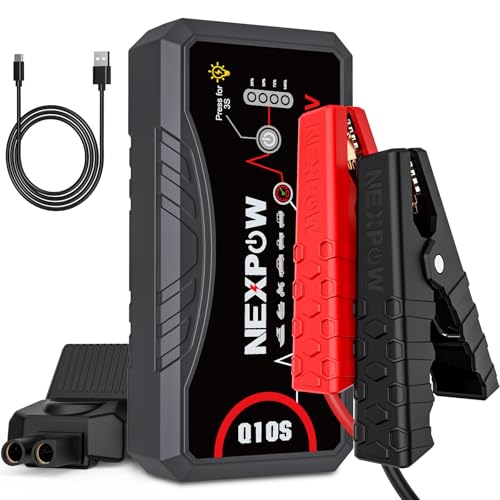
Using Portable Jump Starters
Portable jump starters are compact, self-contained units specifically designed to start vehicles with dead batteries. They offer a safe and convenient alternative, eliminating the need for another car entirely. Modern portable jump starters feature built-in safety mechanisms, such as reverse polarity protection and spark-proof clamps.
When purchasing one, look for models with sufficient peak amperage for your vehicle type. We recommend keeping one fully charged in your trunk for peace of mind.
Calling Roadside Assistance
For many drivers, contacting a professional roadside assistance service is the safest and least stressful option. Services like AAA or your vehicle’s manufacturer-provided assistance can send a trained technician with the proper equipment. They can safely jump-start your vehicle or tow it if necessary, ensuring no damage occurs to your car’s complex electrical system.
This option is especially valuable in adverse weather conditions or if you are unsure about performing a jump-start yourself. It removes all personal risk and potential for vehicle damage from your shoulders.
Employing Battery Chargers
If you discover your car battery is dead while at home, a dedicated battery charger is an excellent long-term solution. These devices connect to a wall outlet and slowly replenish your battery’s charge. They are much gentler on the battery than a rapid jump-start and can help recondition a deeply discharged battery.
Some models also offer maintenance modes to keep your battery topped off during periods of inactivity.
Battery chargers are not suitable for immediate roadside emergencies. However, they are invaluable for preventative maintenance and ensuring your battery remains healthy, reducing the likelihood of needing a jump-start in the first place.
FAQs About Hybrid Jump Starting
Can a Prius Jump Start Another Car?
Yes, a Toyota Prius can jump-start another car, but only from its 12V auxiliary battery, not its high-voltage system. You must locate the designated jump-start terminals under the hood, as the 12V battery itself is typically in the trunk. Always follow the specific instructions in your Prius owner’s manual to avoid damaging its sensitive electronics.
Is It Safe to Jump Start With a Hybrid?
Jump-starting with a hybrid can be safe if you follow specific, precise steps outlined in your owner’s manual. However, it carries higher risks of damaging sensitive electronics compared to using a conventional car. Incorrect connections can lead to costly repairs or even void your vehicle’s warranty. Alternatives like portable jump starters are often safer.
Will Jump Starting Damage My Hybrid Vehicle?
Jump-starting can potentially damage your hybrid vehicle, particularly its 12V charging system or complex electronic control units, if the procedure is not followed exactly. Voltage spikes or current overloads from improper connections can be detrimental. Always consult your owner’s manual and consider the risks before using your hybrid as a donor vehicle.
Where Is the 12V Battery in a Hybrid Car?
The 12V battery in a hybrid car is often located in the trunk, under the rear seat, or in the cargo area, rather than under the hood. While there may be jump-start terminals in the engine bay, the actual battery is frequently located elsewhere. Consult your specific hybrid model’s owner’s manual for its precise location.
What Type of Jumper Cables Are Best for Hybrids?
For jump-starting any vehicle, including with a hybrid, we recommend using high-quality, heavy-gauge jumper cables (e.g., 4- or 6-gauge). These cables offer lower resistance, allowing for more efficient power transfer and reducing heat buildup. Good insulation and sturdy clamps are also crucial for safety and effective operation during the jump-start process.
While you can jump a car with a hybrid vehicle, it is a task that demands careful consideration and strict adherence to safety protocols. We have highlighted that hybrids use a unique 12V auxiliary battery for this purpose, distinct from their powerful high-voltage system. Always locate the specific jump-start terminals in your hybrid’s owner’s manual and follow the connection sequence precisely to prevent costly damage.
For ultimate peace of mind in 2026, we often suggest safer alternatives like portable jump starters or professional roadside assistance. Prioritize safety and preparedness in every jump-start scenario.