How Many Miles Does a Honda Civic Last? Lifespan & Longevity Tips
Last Updated on September 1, 2026 by Ryan
A Honda Civic can typically last between 200,000 and 300,000 miles with proper care and maintenance, making it one of the most reliable vehicles. Factors like consistent servicing, driving habits, and environment significantly influence its overall lifespan.

Prime for Young Adults — 6 Months Free
Students and 18–24s get six months of Prime free, then half price.
Start 6 Months Free🎯 Key Takeaways
- Regular, consistent maintenance extends Civic lifespan.
- Smooth driving habits boost your Civic’s mileage.
- Many Honda Civics surpass 250,000 miles.
- Adhere to manufacturer’s service schedule diligently.
- Address minor repairs promptly to prevent major issues.
If you’re wondering, “How many miles does a Reliability & Owner Satisfaction by Consumer Reports”>civic
” target=”_blank” rel=”noopener noreferrer” title=”Honda Civic Quality & Reliability Ratings from J.D. Power”>Honda Civic last?” you’re asking one of the most important questions a potential or current owner can pose. The good news is, with its reputation for reliability, a Honda Civic can typically last between 200,000 to 250,000 miles on average. Many owners report their Civics far exceeding this benchmark, reaching 300,000 miles or even more with diligent maintenance and sensible driving habits.
Understanding this potential lifespan is crucial for budgeting, resale value, and long-term ownership planning. Knowing what to expect from your Civic helps you make informed decisions, whether you’re buying used, planning for future repairs, or simply wanting to get the absolute most out of your dependable vehicle. Your Honda Civic isn’t just transportation; it’s an investment, and its longevity directly reflects its value.
Understanding the Average Lifespan of a Honda Civic
The Honda Civic has consistently earned a reputation as one of the most reliable and long-lasting compact cars on the market. This isn’t just anecdotal; it’s backed by countless owner experiences and industry data highlighting its robust engineering and durable components. For most Civics, reaching a quarter-million miles isn’t just a possibility; it’s a realistic expectation when cared for correctly.
The Baseline: What to Expect
On average, you can confidently expect a Honda Civic to provide reliable service for 200,000 to 250,000 miles. This range accounts for various models and conditions. Many factors contribute to this impressive average, including Honda’s meticulous manufacturing processes, the quality of materials used, and the straightforward, efficient engine designs. These vehicles are built for daily driving and designed to withstand the rigors of years on the road, making them a smart choice for long-term ownership.
Beyond the Average: Reaching High Mileage
While 250,000 miles is a strong average, it’s not uncommon to hear of Honda Civics pushing well past this figure. Owners frequently share stories of their Civics hitting 300,000 miles, 400,000 miles, or even more. These high-mileage heroes aren’t flukes; they are direct testaments to the Civic’s inherent durability when paired with a committed owner. Achieving such extraordinary longevity isn’t luck; it’s a direct result of consistent preventative maintenance and careful driving habits, turning a reliable car into an exceptionally long-lived one.
Key Factors Influencing Your Civic’s Longevity
While the Honda Civic is engineered for endurance, its ultimate lifespan isn’t predetermined at the factory. Several critical factors directly influence how many miles your specific Civic will last. Understanding these elements empowers you to take control and maximize your vehicle’s operational life.
Consistent Maintenance: The Non-Negotiable
Perhaps the single most important factor in extending your Honda Civic’s lifespan is adherence to its factory-recommended maintenance schedule. Think of regular servicing as preventative medicine for your car; it addresses small issues before they become major, costly problems. Neglecting maintenance inevitably shortens a vehicle’s life and leads to premature wear and tear on vital components.
- Oil Changes: Regular oil and filter changes are paramount. Fresh oil lubricates moving engine parts, prevents friction, and dissipates heat, all crucial for engine health.
- Fluid Checks: Ensuring transmission fluid, brake fluid, coolant, and power steering fluid are at proper levels and changed according to schedule prevents system failures.
- Scheduled Inspections: Following the owner’s manual for spark plug replacement, timing belt (if applicable), and general system checks ensures all components are functioning optimally.
Driving Habits and Environment
How and where you drive your Honda Civic significantly impacts its longevity. Gentle driving is always better than aggressive handling for reducing stress on the engine, transmission, brakes, and suspension.

Audible — Listen Free for 30 Days
One free credit a month and thousands of titles included.
Listen Free for 30 Days- Smooth Driving: Avoiding rapid acceleration and harsh braking reduces wear on the engine, transmission, and brake components.
- Road Conditions: Driving on well-maintained roads is less taxing than constantly navigating potholes or rough terrain, which can prematurely wear out suspension components and tires.
- Climate: Extreme hot or cold weather can put additional strain on your vehicle. Protecting your Civic from harsh elements, like parking in a garage, can help preserve its exterior and internal components over time.
Original Build Quality and Components
Honda’s reputation for quality is a cornerstone of the Civic’s longevity. The inherent design and manufacturing standards play a significant role. Choosing genuine Honda parts for repairs and replacements ensures that your vehicle maintains its original quality and performance standards. While aftermarket parts can sometimes be more affordable, genuine components are engineered to fit perfectly and meet Honda’s strict durability specifications, contributing to a longer overall lifespan for your Civic.
Expert Tips to Maximize Your Honda Civic’s Mileage
While the Honda Civic is inherently durable, its ultimate lifespan heavily depends on how you treat it. Adopting a proactive approach to maintenance and mindful driving habits can significantly extend its useful life, potentially pushing it well beyond the 200,000-mile mark.

Adhere to the Manufacturer’s Maintenance Schedule
This is arguably the single most important factor in ensuring your Civic’s longevity. Honda engineers design their vehicles with specific service intervals in mind, and deviating from these can lead to premature wear and costly repairs. Think of it as preventative healthcare for your car.
- Regular Oil Changes: Crucial for engine health, especially with modern synthetic oils recommended for many Civics. Follow the manufacturer’s mileage or time intervals.
- Fluid Checks and Replacements: Don’t overlook transmission fluid, brake fluid, coolant, and power steering fluid. These keep vital systems operating smoothly.
- Tire Rotations and Pressure: Proper tire care not only improves safety and fuel economy but also reduces stress on suspension components.
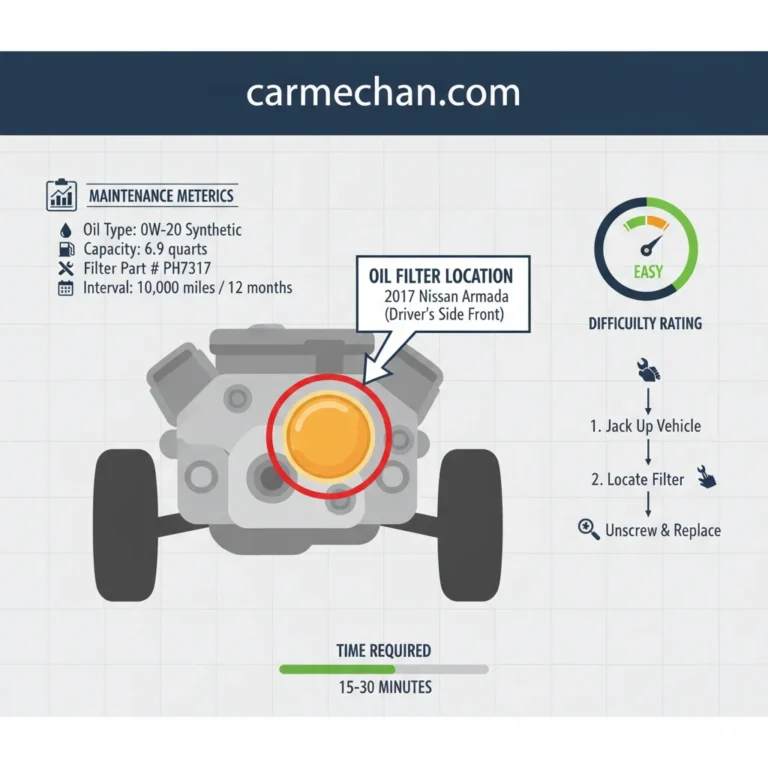
- Filter Replacements: Air filters and filter location featured.png”>cabin filters might seem minor, but they impact engine performance, fuel efficiency, and air quality inside the car.
Drive Smart, Drive Smooth
Your driving style has a direct impact on the wear and tear of your vehicle’s components. Aggressive driving puts unnecessary stress on the engine, transmission, brakes, and suspension.
- Avoid Harsh Acceleration and Braking: Smooth starts and gradual stops reduce strain on the powertrain and extend the life of your brake pads and rotors.
- Anticipate Traffic: Looking ahead allows for smoother driving, minimizing sudden adjustments and panic stops.
- Keep it Clean: Regularly washing your Civic, especially in areas where salt is used on roads, helps prevent rust, preserving the body and undercarriage.
- Listen to Your Car: Pay attention to any unusual noises, vibrations, or warning lights. Addressing small issues promptly prevents them from escalating into major problems.
Why Honda Civics Are Built to Last: Durability Factors
It’s no accident that Honda Civics frequently top lists for reliability and longevity. A combination of thoughtful engineering, quality manufacturing, and a commitment to driver satisfaction contributes to their impressive durability. Understanding these underlying factors can boost your confidence in your Civic’s long-term potential.
Engineering Excellence and Robust Components
Honda’s reputation for building durable vehicles is well-earned, rooted in decades of rigorous design and manufacturing processes. The Civic benefits from this legacy, featuring components designed for endurance.
- Reliable Engines: Honda’s VTEC and i-VTEC engines are renowned for their efficient design, robust construction, and ability to handle high mileage with proper care. They’re built to tight tolerances, ensuring smooth operation and reducing internal wear.
- Durable Transmissions: Whether automatic, manual, or CVT (Continuously Variable Transmission), Civic transmissions are engineered for smooth power delivery and a long service life, provided their fluid is changed as recommended.
- Quality Materials: Honda utilizes high-grade materials throughout the Civic, from the engine block to the interior components, contributing to overall structural integrity and resistance to wear.
Smart Design for Maintainability and Longevity
Beyond the core components, Honda’s design philosophy also considers the practicalities of vehicle ownership over many years, making Civics easier and more cost-effective to maintain in the long run.
- Accessible Parts: Civic parts are widely available and often reasonably priced, making repairs and routine maintenance more manageable and less expensive than many competitors.
- Ease of Service: Mechanics generally find Civics straightforward to work on, which can translate to lower labor costs for repairs. Common maintenance points are often easily accessible.
- Resale Value Retention: The Civic’s reputation for longevity contributes to its strong resale value, a testament to the market’s trust in its enduring quality. This is a clear indicator of its perceived long-term reliability.
The Road Ahead for Your Civic
Ultimately, the question of “how many miles does a Honda Civic last?” often comes down to this: with diligent care, your Civic has the potential to be a true automotive marathon runner. Achieving 200,000 miles is a realistic goal for many owners, and breaking the 300,000-mile barrier isn’t unheard of for well-maintained examples.
It’s a testament to Honda’s engineering prowess combined with smart ownership. So, embrace your manufacturer’s maintenance schedule, drive considerately, and address any issues promptly. Your Honda Civic isn’t just a car; it’s an investment in reliable transportation for years to come. Enjoy the journey, knowing your Civic is built for the long haul.
Audible Premium Plus — Annual Membership
12 audiobook credits up front, plus the full Audible catalogue.
See Annual Plans❓ Frequently Asked Questions
What does ‘proper maintenance’ entail for maximizing a Honda Civic’s lifespan?
Proper maintenance includes adhering to the factory-recommended service schedule for oil changes, fluid checks (transmission, brake, coolant), tire rotations, filter replacements, and timely inspections of wear items like brakes and belts. Addressing minor issues promptly prevents them from escalating into costly major repairs.
How do driving habits directly influence how long a Honda Civic lasts?
Aggressive driving, such as rapid acceleration, harsh braking, and frequent high-speed operation, places significant stress on engine, transmission, and braking components, accelerating wear. Conversely, smooth, consistent driving reduces strain, prolongs component life, and contributes greatly to higher mileage achievements.
Are there specific common issues or components in Honda Civics that typically limit their lifespan?
While generally reliable, certain generations might see common wear items like suspension components, alternators, or a specific automatic transmission issue (e.g., in some 7th generation models). Regular inspections can identify these potential weak points before they lead to major breakdowns.
How does the environment or climate affect a Honda Civic’s potential mileage?
Harsh environments, such as areas with heavy road salt usage, can lead to premature rust on the undercarriage and body panels, compromising structural integrity. Extreme heat can degrade fluids and rubber components faster, while extreme cold can strain the battery and engine, all of which can shorten a vehicle’s overall lifespan.
What are the warning signs that a Honda Civic might be nearing the end of its practical lifespan?
Key signs include persistent warning lights, excessive oil consumption, frequent and expensive major repairs (e.g., transmission, engine rebuild), significant rust on structural components, or a noticeable decline in performance and reliability. When repair costs outweigh the car’s value, it’s often a sign.
Is it realistic to expect a Honda Civic to reach well over 300,000 miles?
Yes, it is absolutely realistic for many Honda Civics to exceed 300,000 miles, and some even reach 400,000+ with exceptional care. This typically applies to vehicles that have received meticulous maintenance, have been driven gently, and have avoided major accidents or severe neglect throughout their operational life.