How To Make Ac Colder In Car Fix Car AC Real Steps for 2026
Last Updated on September 1, 2026 by Albert Duke
To make your car’s AC colder, start by checking simple issues like a dirty cabin air filter or low refrigerant levels, then progress to inspecting more complex components like the condenser or compressor.

Prime for Young Adults — 6 Months Free
Students and 18–24s get six months of Prime free, then half price.
Start 6 Months FreeTo make your car’s AC colder, start by checking simple issues like a dirty cabin air filter or low refrigerant levels, then progress to inspecting more complex components like the condenser or compressor.
- Begin AC troubleshooting with easy checks.
- Low refrigerant often causes warm air.
- Maintain your AC system yearly for best cold.
- DIY fixes save money on simple issues.
- Know when professional AC repair is essential.
If you’re wondering how to make your AC colder in your car, understanding the common issues and simple fixes can restore comfort to your ride. A warm car AC on a hot day is more than just inconvenient; it can be a significant source of discomfort and even affect driver focus.
This guide for 2026 will empower you to diagnose AC problems, attempt practical DIY solutions, and recognize when professional help is essential. We will cover everything from basic maintenance to recognizing signs of major component failure. Let’s explore the most frequent culprits behind a weak AC system, so you can diagnose your vehicle’s specific problem.
Key Takeaways
- Begin AC troubleshooting with easy checks.
- Low refrigerant often causes warm air.
- Maintain your AC system yearly for best cold.
- DIY fixes save money on simple issues.
- Know when professional AC repair is essential.
7 Common Reasons Your Car AC Isn’t Cold Enough

A range of issues can prevent your car’s air conditioning from delivering truly cold air, from minor nuisances to major component failures. Identifying the specific problem is the first step toward getting your vehicle’s cooling system back on track.
Refrigerant Levels Low
Your car’s AC system relies on refrigerant, also known as Freon, to absorb heat from the cabin and release it outside. If the refrigerant level is too low, the system cannot effectively transfer heat, leading to warm or lukewarm air from the vents. Low refrigerant almost always indicates a leak, as the system is sealed.
Symptoms often include the AC clutch cycling on and off rapidly, or simply producing air that isn’t as cold as it used to be. A simple visual inspection won’t confirm low refrigerant; specialized gauges are needed. A professional recharge costs around , but finding and fixing the leak is crucial.
Condenser Blockage Present
The AC condenser, located at the front of your car usually near the radiator, is responsible for dissipating heat from the compressed refrigerant. If debris like leaves, dirt, or bugs block its fins, airflow is restricted. This prevents proper heat exchange, making your AC less efficient.
You might notice warm air, especially when your car is idling or moving slowly, as less air is forced through the condenser. Keeping this component clean is a vital part of maintaining optimal cooling performance.

Audible — Listen Free for 30 Days
One free credit a month and thousands of titles included.
Listen Free for 30 DaysCompressor Malfunction Occurs
The AC compressor is the heart of your car’s air conditioning system, pressurizing the refrigerant and circulating it. If the compressor fails to engage or is not working efficiently, the entire cooling process grinds to a halt. You might hear strange noises, such as grinding or squealing, when the AC is on, or simply get no cold air at all.
Sometimes, the compressor’s clutch, which engages the compressor, is the culprit. If the clutch does not engage, the compressor won’t spin. This issue often requires a professional diagnosis and repair due to the complexity of the component.
Blend Door Actuator Fails
Your car’s climate control system uses a blend door to mix hot and cold air, directing the desired temperature into the cabin. If the blend door actuator malfunctions, it might get stuck in a position that allows too much hot air in, regardless of your AC settings.
You might notice that one side of the car blows cold air while the other blows warm, or that the temperature settings do not respond accurately. This is an electrical or mechanical issue usually located behind the dashboard.
Electrical Wiring Faulty
The entire AC system relies on a network of electrical components, including fuses, relays, sensors, and wiring. A blown fuse, a corroded wire, or a faulty sensor can interrupt the flow of power or signals, preventing parts of the AC from working correctly. For example, a bad pressure switch might prevent the compressor from engaging.
Symptoms can vary widely, from the AC not turning on at all to intermittent cold air. Diagnosing electrical issues requires specific tools and expertise.
Cabin Air Filter Clogged
The cabin air filter cleans the air entering your car’s interior, removing dust, pollen, and other pollutants. A severely clogged filter restricts airflow into the cabin, making the AC feel weaker, even if the air itself is cold. This reduces overall cooling effectiveness and can strain the blower motor.
You might notice reduced air volume from the vents, even on high fan settings. This is one of the simplest and most overlooked AC problems. We recommend inspecting and replacing your cabin air filter every .
Refrigerant System Leaks
As mentioned, low refrigerant levels typically point to a leak somewhere in the system. These leaks can occur at various points, including O-rings, hoses, the evaporator, or the condenser. Over time, these components can degrade, leading to small refrigerant escapes.
Audible Premium Plus — Annual Membership
12 audiobook credits up front, plus the full Audible catalogue.
See Annual PlansEven a slow leak will eventually deplete your refrigerant, causing the AC to perform poorly. Professional leak detection often involves using UV dye or electronic sniffers to pinpoint the exact location.
Fortunately, many of these issues have straightforward solutions you can tackle yourself, often saving you a trip to the mechanic.
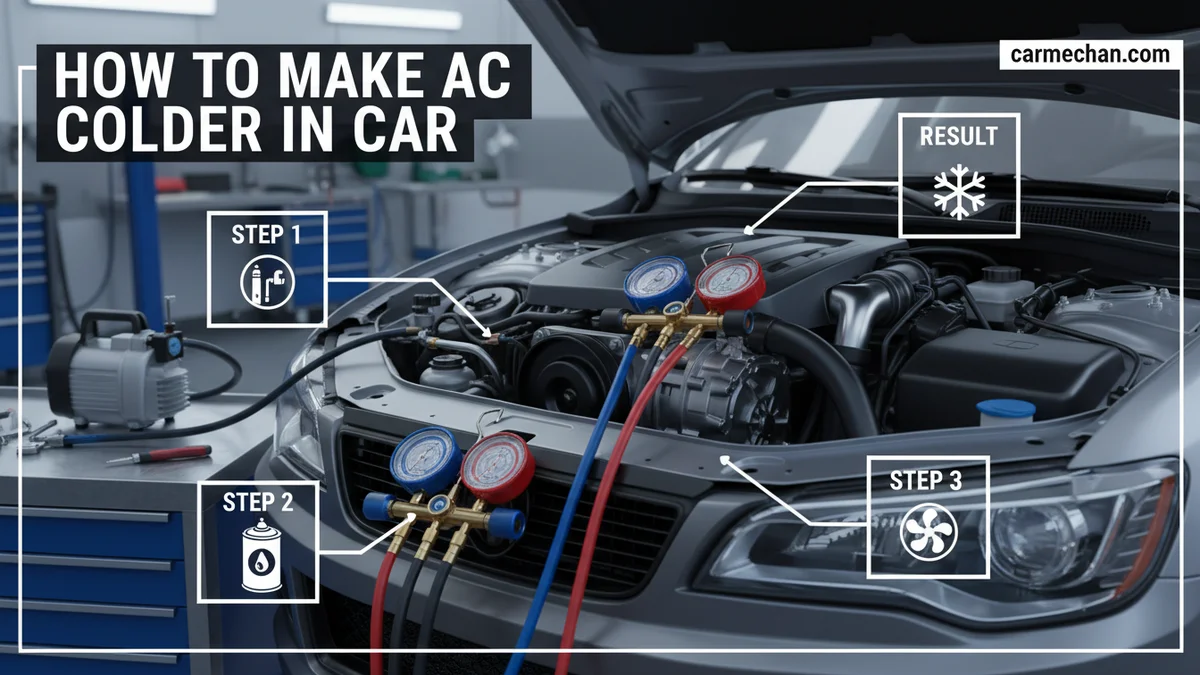
How to Fix Basic Car AC Issues in 5 Steps
Before heading to a mechanic, you can perform several effective DIY checks and repairs to improve your car’s AC performance and potentially restore its chill. These steps are designed for the average car owner.
Inspect Cabin Filter
First, locate your car’s cabin air filter, typically found behind the glove compartment or under the hood near the windshield wipers. Open the compartment or housing according to your vehicle’s manual. Remove the old filter carefully.
Inspect the filter for dirt, leaves, or debris. If it appears dark, clogged, or has excessive accumulation, it needs replacement. Install a new filter, ensuring the airflow direction arrow matches your car’s specifications. This simple swap can significantly improve airflow and cooling efficiency.
Clean Condenser Fins
The AC condenser is usually visible through your car’s front grille. With the engine off and cool, use a soft brush or a low-pressure garden hose to gently clean away any accumulated bugs, leaves, or road grime from the condenser fins. Do not use a high-pressure washer, as it can bend the delicate fins.
Ensure you clean both sides if accessible. This improves heat exchange, helping the refrigerant cool more effectively. We recommend cleaning the AC condenser annually or every for optimal performance.
Verify Cooling Fans
Start your car and turn on the AC to its coldest setting. Look at the radiator fan, which often also serves as the condenser fan. It should be spinning when the AC is active, especially if the engine is warm.
If the fan is not engaging, check its fuse in your car’s fuse box. A non-functional fan prevents heat from escaping the condenser, significantly reducing cooling capacity. Address any issues with the fan or its electrical connection promptly.
Recharge Refrigerant Safely
A DIY AC recharge kit [EXTERNAL LINK: AC recharge kit guide] can temporarily boost your AC’s coldness if low refrigerant is the issue. These kits include a can of refrigerant and a gauge. Connect the hose to the low-pressure service port, typically marked with an “L,” and follow the kit’s instructions carefully.
Always wear safety glasses and gloves, as refrigerant can cause frostbite. Do not overcharge the system, as this can damage components. this is a temporary fix if a leak exists; a professional should address persistent low refrigerant. These kits typically cost .
Check Drive Belt Tension
The compressor is powered by the engine’s serpentine belt. Open your hood and visually inspect the serpentine belt for cracks, fraying, or excessive looseness. A loose or worn belt may slip, preventing the compressor from operating at full capacity.
With the engine off, gently press on the belt. There should be some give, but not excessive slack. If the belt looks worn or feels too loose, it may need to be tightened or replaced by a professional. This ensures consistent power delivery to the AC compressor.
While these DIY steps are incredibly helpful for immediate improvements, adopting consistent maintenance practices will prevent many future AC headaches and ensure lasting cold air.
5 Best Practices for Optimal Car AC Performance

Keeping your car’s AC system in peak condition involves adopting a few simple maintenance habits that extend its lifespan and maximize its cooling power. Proactive care makes a big difference.
Run AC Regularly
Even during colder months, run your car’s AC for at least 10 minutes once a week. This circulates the refrigerant and oil, keeping seals lubricated and preventing component deterioration. Regular use helps maintain system integrity.
Replace Cabin Filter
Regularly replacing your cabin air filter ensures maximum airflow and prevents allergens from entering your car. A clean filter allows your AC system to work efficiently without straining the blower motor. Check your vehicle’s owner manual for specific recommendations.
Schedule Annual Check
Have a professional perform an AC system check-up every . A technician can identify minor issues before they become major problems, check refrigerant levels, and inspect components. This preventative measure saves money in the long run.
Park Smartly Whenever Possible
Whenever possible, park your car in the shade or use a sunshade. This reduces the heat buildup inside the cabin, lessening the load on your AC system when you start driving. Your AC won’t have to work as hard to cool down an already hot interior.
Monitor Refrigerant Levels
Avoid unnecessary refrigerant recharges. Refrigerant loss indicates a leak, not normal depletion. If your AC is losing its cool frequently, have a professional diagnose and fix the leak rather than just adding more refrigerant. Continuously adding refrigerant without fixing the leak is wasteful and environmentally irresponsible.
Despite your best maintenance efforts and DIY attempts, some AC issues require a professional’s touch for proper diagnosis and repair.
When to Seek Expert Help for Car AC Problems
Understanding the limits of DIY repair is crucial for both your safety and the long-term health of your car’s AC system. Some problems are best left to experienced technicians.
Complex Diagnosis Needed
If you have tried basic troubleshooting and your AC still isn’t cold, a complex diagnostic issue might be present. This could involve electrical shorts, sensor failures, or issues with the electronic control unit. Mechanics have specialized diagnostic tools to pinpoint these elusive problems quickly.
They can interpret trouble codes and perform in-depth electrical tests that are beyond the scope of most DIYers. Attempting to diagnose complex issues without proper tools can lead to further damage.
Major Component Failure
Problems with major AC components like the compressor, evaporator, or the main AC lines often require professional attention. These parts are expensive, difficult to access, and require specific tools for safe replacement. For instance, replacing an AC compressor can range from .
Similarly, evaporator replacement can be a labor-intensive job requiring dashboard disassembly, with costs potentially reaching . These are not DIY-friendly repairs.
Refrigerant Leak Detection
If your AC system consistently loses refrigerant, a professional can accurately locate and repair the leak. They use specialized equipment like UV dye and electronic sniffers to find even the smallest leaks. Simply topping off refrigerant without fixing the underlying leak is a temporary and unsustainable solution.
Proper leak repair ensures the longevity of your AC system and prevents harmful refrigerants from escaping into the environment. This is a regulated process that demands expert handling.
Specialized Tools Required
Many AC repairs necessitate specialized tools that are not typically found in a home garage. These include vacuum pumps for evacuating the system, specific AC manifold gauges for precise pressure readings, and recovery equipment for safely handling refrigerant. Without these tools, certain repairs are impossible or unsafe to perform.
Professionals have access to the right equipment to perform repairs correctly and efficiently, ensuring your system functions optimally. Attempting to force repairs without the correct tools can cause more extensive damage.
Safety Concerns Arise
Working with a car’s AC system involves potential safety hazards, especially when dealing with refrigerants under high pressure. Refrigerant can cause severe frostbite if it comes into contact with skin or eyes. Moreover, accidental release of refrigerants is harmful to the environment.
If you are uncomfortable or unsure about any repair step, it’s always safer to consult a certified mechanic. Their expertise ensures both your safety and the proper functioning of your vehicle.
Armed with this knowledge, you are better equipped to enjoy a consistently cold car AC, whether through your own efforts or with professional support.
Regain Your Cool Essential Car AC Maintenance for 2026
Restoring your car’s AC to its peak performance is entirely achievable, whether through simple DIY solutions or by knowing when to call a professional. By understanding common issues and performing routine maintenance, you can ensure your car’s interior remains refreshingly cool for 2026 and beyond. Regularly checking your cabin filter and condenser can prevent many problems, empowering you to tackle minor fixes yourself. For complex issues, embracing expert help protects your investment and ensures a lasting solution. Staying proactive with your car’s cooling system guarantees comfort on every journey.
Frequently Asked Questions About Car AC
Why Is My Car AC Not Blowing Cold Air but Working?
Your car AC might not blow cold air but still work due to low refrigerant, a dirty cabin air filter, or a clogged condenser. The system is running, but inefficiently. Check these common culprits first for a potential DIY fix before seeking professional help.
How Often Should I Recharge My Car AC Refrigerant?
You generally should not need to recharge your car AC refrigerant unless there is a leak. Refrigerant operates in a closed system. If it’s low, a leak is present, which a professional should diagnose and repair before recharging to prevent future issues.
Can a Dirty Cabin Air Filter Affect AC Coldness?
Yes, a dirty cabin air filter can significantly affect AC coldness by restricting airflow into the cabin. This makes the AC feel weaker and less effective, even if the refrigerant is working correctly. Replacing it can improve performance.
What Does It Mean If My AC Blows Warm Air at Idle but Cold When Driving?
If your AC blows warm air at idle but cold when driving, it often indicates an issue with the condenser fan or a clogged condenser. When driving, airflow naturally cools the condenser. At idle, the fan is crucial, and if it fails, cooling stops.
Is It Safe to Add AC Refrigerant Myself?
Adding AC refrigerant yourself can be safe if you use a DIY kit and follow the instructions carefully, wearing proper eye and hand protection. However, overcharging or improper handling can damage the system or cause injury, so proceed with caution.