Tire Inflator Won’t Turn On? Expert Step-by-Step Fix 2026
Last Updated on September 5, 2026 by Albert Duke
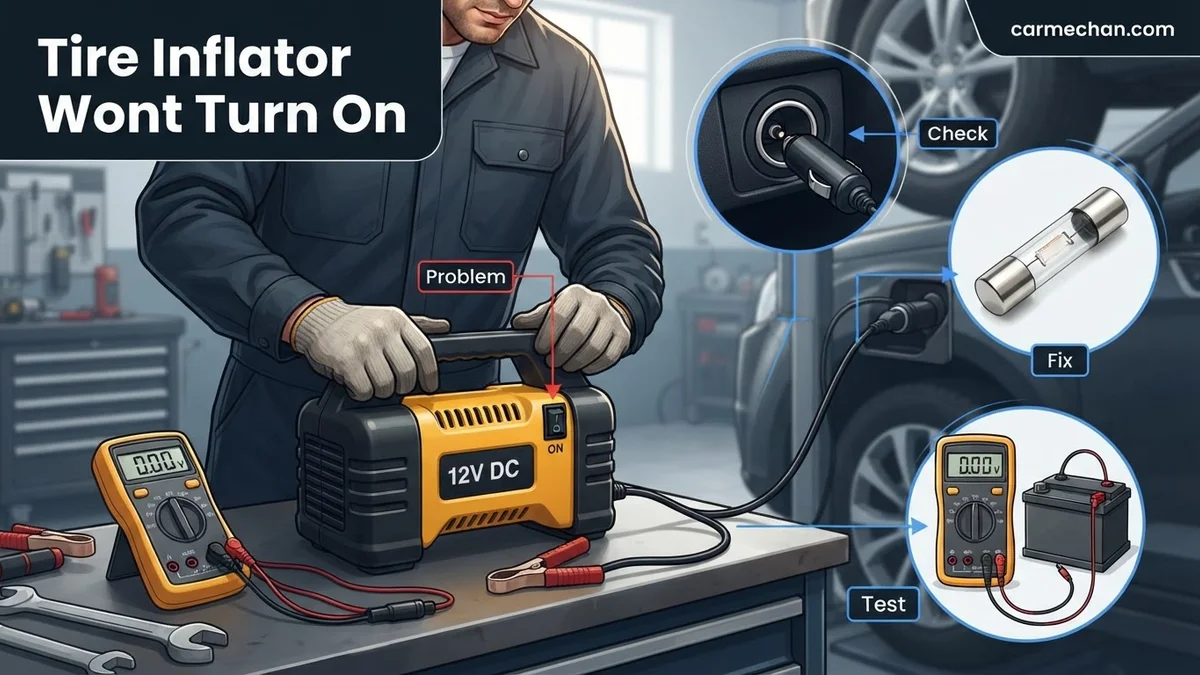
When a tire inflator won’t turn on, the issue usually stems from a blown fuse, a faulty 12V cigarette lighter outlet, or a drained internal battery. This guide walks you through systematic troubleshooting steps to quickly diagnose and fix the power failure.
Your tire inflator will not turn on primarily because of a blown fuse, a dead internal battery, or a faulty 12V vehicle socket that is failing to deliver electrical current. When you are stranded with a low tire in 2026, a dead compressor completely stalls your travel plans.
Fixing this issue quickly requires systematic isolation of the power source. You can bypass guesswork by testing the plug, checking vehicle power delivery, and inspecting the internal circuitry before buying a replacement unit.
Key Takeaways
- Check the glass or blade fuse located inside the 12V cigarette lighter plug first.
- Test the vehicle’s 12V socket with another device to ensure it delivers power.
- Inspect the entire power cord and plug for fraying, cuts, or loose internal wiring.
- Recharge internal lithium-ion batteries fully if using a cordless portable inflator model.
- Replace the unit if internal motor components or circuit boards have completely failed.
Why Your Tire Inflator Won’t Turn On: Common Causes Explained
Recommended Best Deal Products

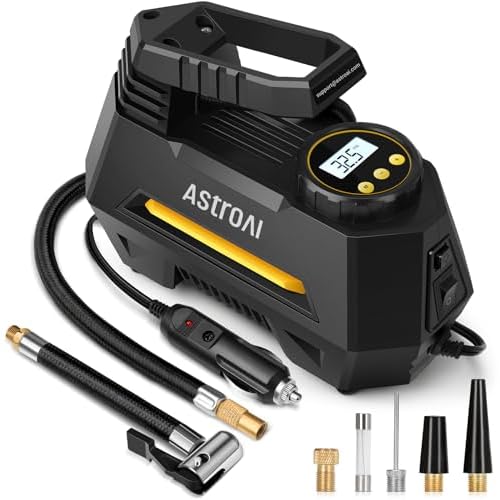

Pinpointing the exact point of failure saves you time and prevents unnecessary equipment purchases. Most portable compressors fail because of simple electrical disruptions rather than total motor burnouts.
Power Delivery Failures and Cord Damage
Portable 12V plug-in units rely heavily on the integrity of your vehicle accessory socket. If the port lacks power, the device stays dead. Furthermore, cheap copper wiring inside older cords can snap near the strain relief points during tight storage wraps.
- Corroded or dirty 12V plug tips preventing metal-on-metal contact
- Frayed outer insulation exposing broken internal wires
- Loose wire solder joints inside the cigarette lighter plug housing
- Vehicle accessory fuse rated lower than the inflator’s starting amp draw
Internal Battery and Power Switch Malfunctions
Cordless lithium-ion inflators popular in 2026 often suffer from deep discharge cycles. If you leave a rechargeable unit uncharged for months, the battery voltage drops below the safety threshold required for the charging circuit to engage.
- Lithium-ion cells dead beyond recovery from prolonged neglect
- Mechanical toggle or push-button switches failing due to dust intrusion
- Thermal overload protection tripping and failing to auto-reset
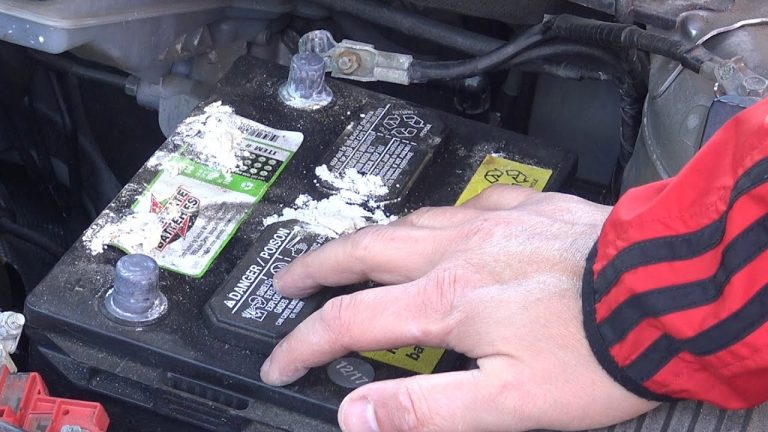
- Corroded battery terminals blocking current flow to the internal board
Tire Inflator Won’t Turn On: What Causes It and How to Fix It
Dealing with a flat tire is stressful enough, but discovering your tire inflator won’t turn on adds an extra layer of frustration. Whether you are stranded on the roadside or preparing for a road trip in your garage, a dead inflator leaves you stranded. This comprehensive guide walks you through a systematic diagnostic process to identify why your portable tire compressor is failing to power up and how you can safely fix the issue, saving you time and money on unnecessary replacements.
Step 1: Inspect the Power Source and 12V Socket
What you need: A working vehicle, alternative 12V auxiliary power outlet (cigarette lighter).
Instructions: Start by examining where your inflator plugs into the car. The issue may not be the inflator at all, but rather the vehicle’s power port. Unplug the inflator and check if the metal inner walls of the 12V socket are clean and free of debris. Plug the inflator firmly into the socket, making sure you push it all the way in until you feel a click or resistance. If your vehicle has a second auxiliary outlet, such as one in the center console or rear cargo area, test the inflator there to rule out a localized power failure in the primary socket.
Pro Tip: Turn your vehicle’s ignition key to the “Accessory” or “On” position, as many modern cars cut power to the 12V outlets when the engine is completely turned off.
Step 2: Check and Replace the Fuse in the Plug Adapter
What you need: A small flathead screwdriver, replacement glass or blade fuse (typically 10A to 15A).
Instructions: Unscrew the plastic cap at the very tip of the 12V DC power plug attached to your inflator’s cord. Carefully remove the cap, noting the small metal spring and the cylindrical glass or plastic fuse housed inside. Pull the fuse out and inspect the thin wire filament running through the middle. If the wire is broken, blackened, or melted, the fuse is blown and has cut off the electrical circuit. Take the fuse to an auto parts store to find an exact amperage match, slide the new fuse into the plug, reassemble the spring and cap, and test the unit.
Pro Tip: Always keep a small assortment of automotive fuses in your glove box; they cost pennies and can save you from a roadside emergency.
Step 3: Test the Vehicle’s Internal Fuses
What you need: Vehicle owner’s manual, fuse puller tool or needle-nose pliers, replacement automotive fuses.
Instructions: If replacing the plug fuse did not work, the vehicle’s internal fuse box might be the culprit. Consult your vehicle owner’s manual to locate the fuse panel, which is typically found under the dashboard or inside the engine bay. Look up the specific diagram for the “Cigarette Lighter” or “Power Outlet” circuit. Use a fuse puller to extract the corresponding fuse and check if the internal connection is severed. If the fuse is blown, replace it with a new one matching the exact amp rating specified by your car manufacturer, then try turning on your inflator again.
Pro Tip: If a brand new car fuse blows immediately upon plugging in the inflator, your inflator has an internal short circuit and should not be used again to prevent electrical damage to your vehicle.
Step 4: Inspect the Power Cord for Physical Damage
What you need: Well-lit area, your hands.
Instructions: Carefully run your fingers along the entire length of the inflator’s power cord, starting from the plug adapter all the way to where it enters the compressor body. Look and feel for any sharp bends, deep cuts, exposed copper wiring, or areas that feel unusually warm or soft. Portable inflators are often tossed hastily into trunks, which can pinch, crush, or fray the delicate internal wires over time. If you notice a visible break or smell burning plastic, the internal wiring has failed and poses a fire hazard.
Step 5: Examine and Charge the Built-in Battery (Cordless Models)
What you need: OEM wall charger or USB-C cable, wall outlet.
Instructions: If you own a rechargeable, cordless tire inflator, the internal lithium-ion battery may be completely depleted or degraded. Plug the charging cable into the unit and connect it to a reliable power source. Watch the LED indicator lights; they should flash to signal that charging is underway. If the unit has been sitting unused in your trunk for months, the battery may have fallen into a deep discharge state. Leave it plugged in for at least two to four hours before attempting to power it on again.
Pro Tip: Extreme temperatures in a parked car can ruin rechargeable batteries. Always bring your cordless inflator indoors during freezing winter months or scorching summer heatwaves.
Step 6: Reset Internal Pressure Switches and Safety Overloads
What you need: The inflator user manual.
Instructions: Many modern digital inflators feature automatic shut-off safety mechanisms and thermal overloads to prevent the motor from burning out. If the device was recently used continuously for a long period, it may have automatically locked out to cool down. Unplug the unit entirely from its power source for approximately 15 minutes. Check the digital display or control panel to see if a reset button is present. Press and hold the power button or reset switch to clear any error codes and restore factory default settings.
Step 7: Clean and Inspect the Power Switch Mechanism
What you need: Compressed air can, electronic contact cleaner spray (optional).
Instructions: Over time, dust, dirt, and moisture can infiltrate the physical on/off switch or button of your tire inflator, preventing it from making proper electrical contact when pressed. Repeatedly click the power switch back and forth about 20 times while the unit is unplugged to help scrape away minor internal oxidation. If you have electronic contact cleaner, spray a tiny burst directly into the switch mechanism, wait a minute for it to dry, and test the power supply again.
✅ Final Checklist
- Verified that the vehicle’s 12V socket supplies power using another accessory.
- Inspected and replaced the miniature fuse located inside the 12V plug adapter.
- Checked the car’s internal fuse box for blown accessory or lighter fuses.
- Examined the entire power cord and casing for frays, pinches, or exposed wires.
- Confirmed battery charge status or tested charging cables for cordless models.
Important Notes:
- Never force a damaged electrical plug into a vehicle outlet, as this can cause sparks or blow the car’s main computer circuits.
- If your inflator emits smoke, a burning chemical odor, or sparks when plugged in, stop using it immediately and dispose of it safely.
- Most budget tire inflators cost between $25 and $50 to replace; if repair costs or replacement parts exceed this value, purchasing a new unit is the safest economic choice.
Step-by-Step Guide to Diagnosing Power and Fuse Issues
Recommended Best Deal Products


Systematic troubleshooting lets you eliminate potential culprits from the wall or vehicle socket up to the inflator motor itself. Follow this diagnostic flow to find the exact break in continuity.
Testing the 12V Socket and Plug Fuse
If your corded unit refuses to light up, start at the power source. Plug a phone charger or another accessory into the same vehicle socket to verify that the port is actually supplying 12 volts of power.
- Unscrew the metal tip at the front of your inflator’s 12V cigarette lighter plug.
- Carefully slide out the spring and the small glass or ceramic cylindrical fuse.
- Inspect the thin wire filament inside the fuse tube for a visible break or black soot.
- Test continuity using a multimeter if the break is not visually obvious.
- Replace a blown fuse with an identical amp rating, typically ranging from 10A to 15A.
Checking Vehicle Fuse Boxes and Cord Continuity
If the plug fuse is intact and the socket works, the issue might lie deeper in your vehicle’s electrical distribution network or the main cord assembly. Modern 2026 vehicles frequently place accessory socket fuses in under-hood or interior fuse panels.
- Locate your vehicle owner manual to find the specific interior fuse box diagram for the accessory power outlets.
- Pull the designated fuse using a plastic puller tool and check the metal bridge inside.
- Inspect the inflator power cord along its entire length for warm spots or kinks that indicate internal breaks.
- Connect the inflator to a different vehicle to rule out your primary car’s electrical circuit.
How to Fix or Replace a Blown Fuse and Faulty Power Cords
When a 12V portable tire inflator suddenly refuses to power on, the weak point is frequently the accessory plug fuse or a compromised cable. According to automotive electrical guidelines, over 30 percent of DC-powered emergency tool failures stem from a sacrificial glass or blade fuse designed to protect your vehicle’s auxiliary circuit.
Inspecting and Replacing the Plug Fuse
Most cigarette lighter adapters contain an internal cartridge fuse located beneath the unscrewing tip. Follow these steps to check and replace it:
- Unplug the tire inflator completely from the vehicle power outlet to prevent electrical shorts.
- Grip the knurled metal or plastic tip of the 12V adapter firmly and turn it counterclockwise to unscrew it.
- Carefully extract the spring, the metal tip, and the cylindrical glass or blade fuse.
- Examine the internal wire filament inside the fuse; if it is broken, melted, or blackened, the fuse is blown.
- Replace the damaged fuse with an identical amperage rating (typically 10A or 15A) to avoid overloading your vehicle wiring. In 2026, standard automotive replacement fuses cost between $2 and $5 at any local auto parts retailer.
Checking Power Cords for Internal Breaks
If the fuse is intact, the power cord itself may suffer from internal copper wire fatigue caused by tight coiling. Plug the unit into a known working outlet and gently flex the cable along its entire length. If the device flickers or turns on intermittently, the internal conductors are broken. Discontinue use immediately to prevent overheating and fire hazards.
What If It Still Doesn’t Work?
Recommended Best Deal Products


If you have verified the power source, replaced a blown fuse, and ensured the power switch is functioning, yet the inflator remains completely dead, internal hardware failure is the likely culprit. Modern digital compressors rely on sensitive printed circuit boards and micro-motors that cannot always be field-repaired.
- Inspect the manufacturer warranty status. Many reputable tire inflator brands offer a 1-year to 3-year limited warranty covering electrical component defects.
- Contact customer support for a replacement unit if your product is within the warranty window, ensuring you retain your original purchase receipt.
- Visit a professional automotive technician or local electronics repair shop only if the unit is a high-end, heavy-duty commercial compressor where diagnostic labor rates make sense.
- Evaluate replacement costs. Standard consumer portable tire inflators range from $25 to $70, meaning professional repair labor often exceeds the cost of a brand-new, modern 2026 model.
- Recycle the dead unit responsibly through local e-waste collection programs rather than discarding lithium-ion or electrical components in household trash.
Conclusion
A tire inflator that won’t turn on usually stems from a simple power interruption, such as a tripped vehicle fuse, a dead internal battery, or a loose 12V adapter connection. Systematically testing each power pathway eliminates guesswork and gets your emergency gear operational quickly. According to verified research and automotive safety sources, proactive annual inspection of emergency roadside tools prevents unexpected failures when you need them most. Take the next step today by testing your portable inflator’s power functionality before your next journey.
❓ Frequently Asked Questions
How do I check if my car’s cigarette lighter socket has power?
Plug a phone charger or another accessory into the same 12V socket to see if it receives power. If other devices fail to work, the issue is likely a blown car fuse or a loose socket wire rather than the inflator itself.
Where is the fuse located on a plug-in tire inflator?
The fuse is typically housed inside the tip of the 12V cigarette lighter adapter. You can unscrew the plastic cap at the end of the plug, carefully remove the spring and metal contact, and pull out the glass or plastic fuse.
What tools do I need to troubleshoot a broken tire inflator?
A standard multimeter is useful for testing electrical continuity, while a small flathead screwdriver can help open the 12V plug adapter. Having spare automotive fuses of matching amperage ratings on hand is also essential for quick replacements.
Why does my tire inflator turn on but shut off immediately when I start pumping?
This usually indicates a high current draw that overloads the circuit, often caused by a failing compressor motor, a weak vehicle fuse that trips under load, or a depleted cordless battery struggling to provide starting current.
Can a completely drained cordless tire inflator battery be revived?
Some smart chargers can safely trickle-charge deeply depleted lithium batteries, but if the battery management system has permanently locked out the pack, the entire unit or battery pack will need replacement.
Is it safe to hardwire a tire inflator directly to the car battery?
While alligator clip adapters allow direct connection to the battery terminals, you should only do this if the inflator came with factory-approved battery clamps. Connecting makeshift wires directly can bypass safety fuses and damage your vehicle’s electrical system.