How To Defrost Windows In Car How to Defrost Car 2026 2026
Last Updated on October 23, 2026 by Albert Duke
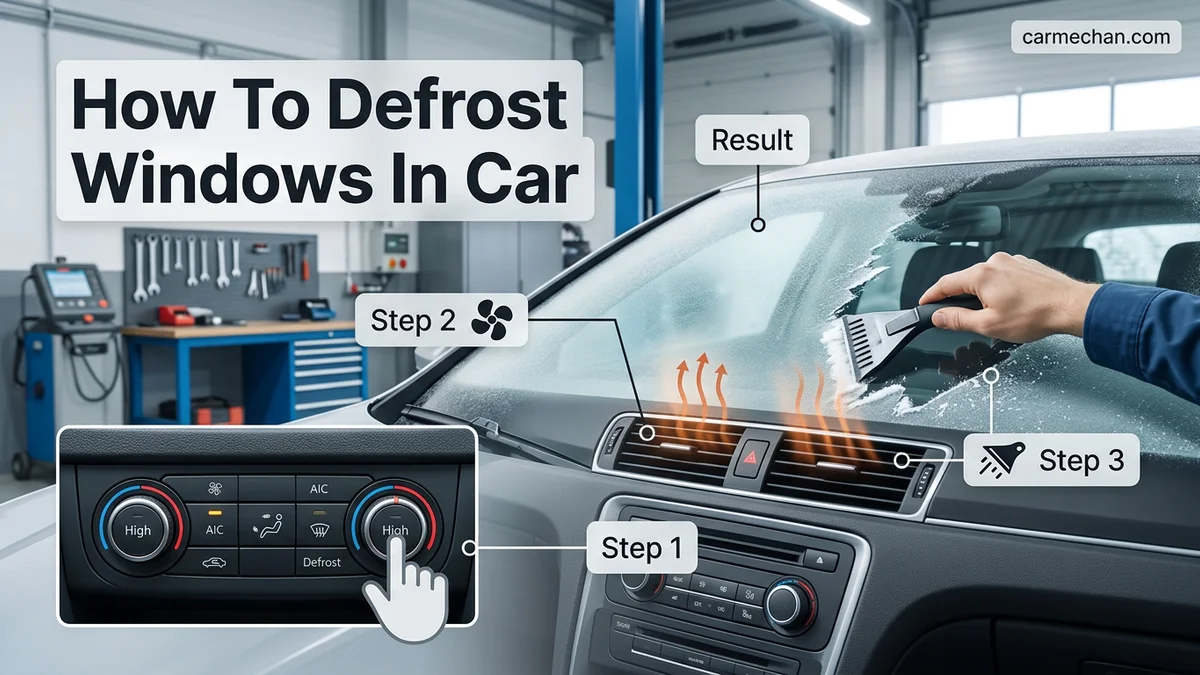
To defrost car windows effectively, activate your car’s climate control system by turning on the AC, setting the heat to high, and directing airflow to the windows for internal fog. For external ice, use a dedicated ice scraper and de-icer solution, always prioritizing safety and clear visibility before driving.
Knowing how to defrost windows in a car quickly and safely is essential for driver visibility and passenger safety, especially during challenging weather conditions. Obscured views from frost, ice, or fog pose significant risks on the road. We understand the urgency of clearing your car’s glass, whether you are rushing to work or simply need a clear path for safe travel. This article provides comprehensive, actionable strategies to tackle obscured windows and maintain optimal visibility in 2026. We will explore the best internal and external methods to clear your view, starting with mastering your vehicle’s built-in systems.
Key Takeaways

![[2026 Upgrade] Windshield Sun Shade Umbrella for Hyundai Elantra/Sonata 2000–2026 Windshield Sun…](https://m.media-amazon.com/images/I/419wWYVbnQL._SS500_.jpg)

- Prioritize safety with clear visibility.
- Utilize car’s climate control system.
- Scrape ice manually for quick results.
- Prevent fog and ice with smart habits.
- Address all car windows and mirrors.
How to Rapidly Defog Car Windows From Inside


The fastest way to defog your car windows from the inside involves a strategic use of your vehicle’s climate control system. Fog often occurs when warm, moist air inside your car meets the cold glass, causing condensation. Our goal is to dry out the air and warm the glass surface quickly.
Activate AC Mode
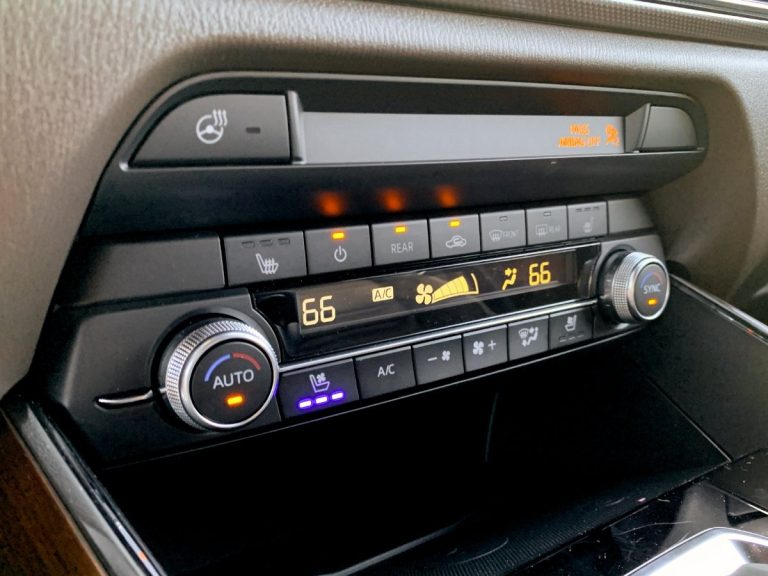
Begin by turning on your air conditioning (AC) system. Many people mistakenly believe AC is only for cooling, but it also acts as a dehumidifier. Engaging the AC will draw moisture out of the air, significantly speeding up the defogging process. This is a critical first step for effectively removing interior condensation.
Maximize Heat Output
After activating the AC, set your heater to its highest temperature. This combination of hot air and dry air is highly effective. The warm, dry air raises the temperature of the cold glass, evaporating the moisture quickly, while the AC actively removes humidity from the cabin. This dual-action approach works better than heat alone.
Direct Airflow Effectively
Ensure your fan speed is set to its maximum setting. Direct the airflow specifically to the defroster vents, which are typically located at the base of your windshield and sometimes along the side windows. For optimal results, ensure your car is set to draw in fresh air from outside, rather than recirculating the moist air already inside the cabin. Recirculation can trap humidity, slowing down the defogging process. While internal fog often yields to clever climate control, external ice presents a different challenge requiring more direct action.
3 Quick Ways to Scrape Ice Off Windshields
When faced with frozen car windows, several quick and safe methods exist to remove stubborn ice and frost. It is vital to use proper techniques to avoid damaging your vehicle’s glass. Never start driving with an obstructed view; always ensure your windshield is fully clear.
Use a Sturdy Scraper
A dedicated ice scraper is your most reliable tool for removing ice. Start your car and turn on the defroster to begin warming the windshield from the inside. Then, using the scraper, push the ice away from you, working from the top down. Ensure you maintain a firm grip and use even pressure to avoid scratching the glass. Clear a large enough area to see all around your vehicle, not just a small peephole.
Apply De-Icer Solution
Commercial de-icer sprays are highly effective and convenient for quick ice removal. These sprays contain chemicals that lower the freezing point of water, melting ice on contact. Alternatively, you can create a simple homemade de-icer: mix two parts rubbing alcohol with one part water in a spray bottle, adding a few drops of dish soap. Spray this solution directly onto the icy windows and allow it to work for a few moments before wiping away or using your scraper.
Employ a Warm Water Bag
For tougher ice, a warm (not hot or boiling) water bag can be surprisingly effective. Fill a Ziploc bag with warm tap water and gently rub it over the icy surface of your windows. The warmth transfers through the bag, melting the ice without directly exposing your windshield to extreme temperature changes. This method is safer than pouring water directly onto the glass. Never use boiling water, as the sudden temperature difference can cause your windshield to crack or shatter. Once your front windshield is clear, remember that full visibility requires attention to all other glass surfaces of your vehicle.
How to Clear All Vehicle Glass Properly
Ensuring every window and mirror on your vehicle is clear of obstruction is paramount for safe driving, extending beyond just the front windshield. Thoroughly clearing all glass surfaces provides complete situational awareness and greatly reduces accident risks in 2026. Drivers often overlook side and rear visibility, which can be just as dangerous.
Activate Rear Defroster
Most modern vehicles come equipped with a rear window defroster, identifiable by thin, horizontal lines embedded in the glass. Activate this feature by pressing the dedicated button on your dashboard. These lines heat up, melting ice and evaporating fog from the rear window. It may take a few minutes to become fully effective, so turn it on early.
Target Side Windows
For side windows, use the same climate control settings you would for the front windshield: AC on, high heat, and maximum fan speed directed towards the side vents if available. If your car lacks dedicated side window defroster vents, open your side windows slightly for a moment or two. This can equalize the temperature and humidity, helping to dissipate fog. Manually wipe away any persistent fog or ice with a clean cloth or scraper.
Clear Side Mirrors
Many vehicles in 2026 feature heated side mirrors, which activate automatically with the rear defroster or a separate button. If you have this feature, turn it on well before driving. For cars without heated mirrors, a quick wipe with a soft cloth or a gentle scrape with a plastic scraper is necessary. Ensure both side mirrors are completely clear before you depart. Addressing immediate defrosting needs is crucial, yet preventing the problem from arising offers even greater peace of mind and convenience.
5 Effective Strategies to Prevent Window Icing
Implementing preventative measures can significantly reduce the hassle of defrosting car windows every morning. Proactive steps can save you time, effort, and ensure your car is ready to go when you are. These strategies minimize the chances of ice and fog forming in the first place.
Cover Your Windshield
A simple windshield cover is one of the most effective ways to prevent ice and frost buildup. Place it over your windshield and secure it with the car doors or elastic straps overnight. In the morning, simply remove the cover, and your windshield will be clear. You can also use a large towel or cardboard as a temporary solution, though a purpose-built cover offers better protection.
Apply Anti-Fog Treatments
For interior fogging, anti-fog sprays or wipes create a thin, invisible layer on the glass that prevents condensation droplets from forming. Apply these products to the inside of your windows according to the manufacturer’s instructions, typically after a thorough cleaning. Reapply as needed, usually every few weeks or months, for consistent effectiveness.
Keep Interior Dry
Moisture inside your car’s cabin is a primary cause of interior fogging and can contribute to ice formation. Remove any wet items like towels, coats, or floor mats from your car. Consider placing a desiccant product, such as a reusable dehumidifier bag or silica gel packets, in your vehicle to absorb excess moisture from the air. Regular cleaning also helps by removing dirt and grime where moisture can cling.
Park Smartly
Where you park can make a significant difference. If possible, park your car in a garage or under a carport. If outdoor parking is your only option, try to position your vehicle facing east. The morning sun will naturally help to melt frost and ice from your windshield, reducing your manual clearing time. Avoid parking under trees where sap and debris can exacerbate ice adhesion.
Clean Windows Regularly
A clean window is less prone to fogging and icing. Dirt, grime, and oily films on your car windows provide surfaces for moisture to cling to. Regularly clean both the inside and outside of your windows with a good quality glass cleaner and a microfiber cloth. This ensures a smoother surface, making it harder for condensation to form and easier to remove any ice that does develop. Despite your best efforts, sometimes problems arise, and knowing how to troubleshoot a faulty defroster can save you time and frustration.
What to Do If Your Defroster Fails
Encountering a non-functional car defroster can be frustrating and unsafe, but several steps can help diagnose and address the issue. A broken defroster can stem from various causes, from minor electrical glitches to more complex HVAC problems. Addressing these issues promptly is crucial for safety, especially during cold or humid conditions in 2026.
Check Fan Settings
First, ensure your fan speed is set appropriately and the airflow is directed to the defroster vents. Sometimes, the problem is as simple as an incorrect dial setting or a loose connection to the fan. Also, verify that your climate control system is not stuck in recirculation mode, as this can prevent fresh, dry air from entering the cabin.
Inspect Air Filters
A clogged cabin air filter can significantly reduce the effectiveness of your defroster by restricting airflow. Check your vehicle’s owner’s manual for the location of the cabin air filter, typically behind the glove compartment or under the hood. If it appears dirty or obstructed, replacing it can often restore proper defroster function. This simple maintenance task is often overlooked.
Seek Professional Help
If basic checks do not resolve the issue, it may indicate a more serious problem. Potential culprits include a blown fuse, a malfunctioning fan motor, an issue with the heater core, or a low refrigerant level if your AC compressor (which helps dehumidify) is affected. These problems often require professional diagnosis and repair. Driving with a faulty defroster is dangerous, so do not hesitate to consult a qualified mechanic. Beyond these immediate fixes and preventative tactics, we also want to answer some of the most common questions drivers have about keeping their windows clear.
Mastering Clear Visibility for 2026 Driving
Maintaining clear car windows is more than a convenience; it is a fundamental aspect of driving safety in 2026. From activating your car’s internal defroster system correctly to employing manual ice removal techniques, the strategies discussed provide a comprehensive toolkit for every driver. Proactive prevention, such as using windshield covers and anti-fog treatments, minimizes daily hassles. always prioritize a completely unobstructed view before you begin your journey. By understanding both the immediate solutions and long-term preventative measures, you can confidently tackle any weather challenge. Knowing how to defrost windows in car effectively ensures you arrive at your destination safely.
Common Questions About Clear Car Windows
How Do I Quickly Defog My Car Windshield?
To quickly defog your car windshield, turn on your air conditioning, set the temperature to hot, and direct the fan to its highest setting onto the windshield. Use fresh air mode rather than recirculation to introduce drier air, clearing the condensation rapidly and effectively.
What Are the Best Settings to Defrost Car Windows?
The best settings involve activating your AC compressor, setting the heater to maximum warmth, directing airflow specifically to the defroster vents, and ensuring the air intake is set to fresh air (not recirculation). This combination efficiently dries and warms the glass.
Can I Use Hot Water to Defrost Car Windows?
No, you should never use hot or boiling water to defrost car windows. The sudden temperature change can cause the glass to crack or shatter due to thermal shock, leading to costly damage and safety risks. Stick to scrapers or de-icer sprays.
How Can I Prevent My Car Windows From Fogging up Overnight?
To prevent overnight fogging, ensure your car’s interior is dry, remove wet items, and consider using a desiccant product. Cleaning windows regularly, parking strategically out of direct cold, and applying anti-fog treatments can also greatly reduce condensation buildup.
Why Does My Car Defroster Not Work Sometimes?
A car defroster might not work due to several reasons, including a blown fuse, a malfunctioning fan motor, a clogged cabin air filter reducing airflow, or a low refrigerant level impacting the AC’s drying capability. These issues often require inspection.