Can Cruise Control Cause Check Engine Light? Diagnosed & Fixed
Ever wondered if your cruise control is the culprit behind that sudden, glowing check engine light? Many drivers find their speed control suddenly unavailable right as the engine warning light appears, leading to confusion about which part to fix. In this guide, we break down exactly how these systems interact and why the engine light is usually a symptom of a larger health issue, not a direct result of using your cruise control.


Can Cruise Control Cause Check Engine Light: Exploring the Link
📤 Share Image
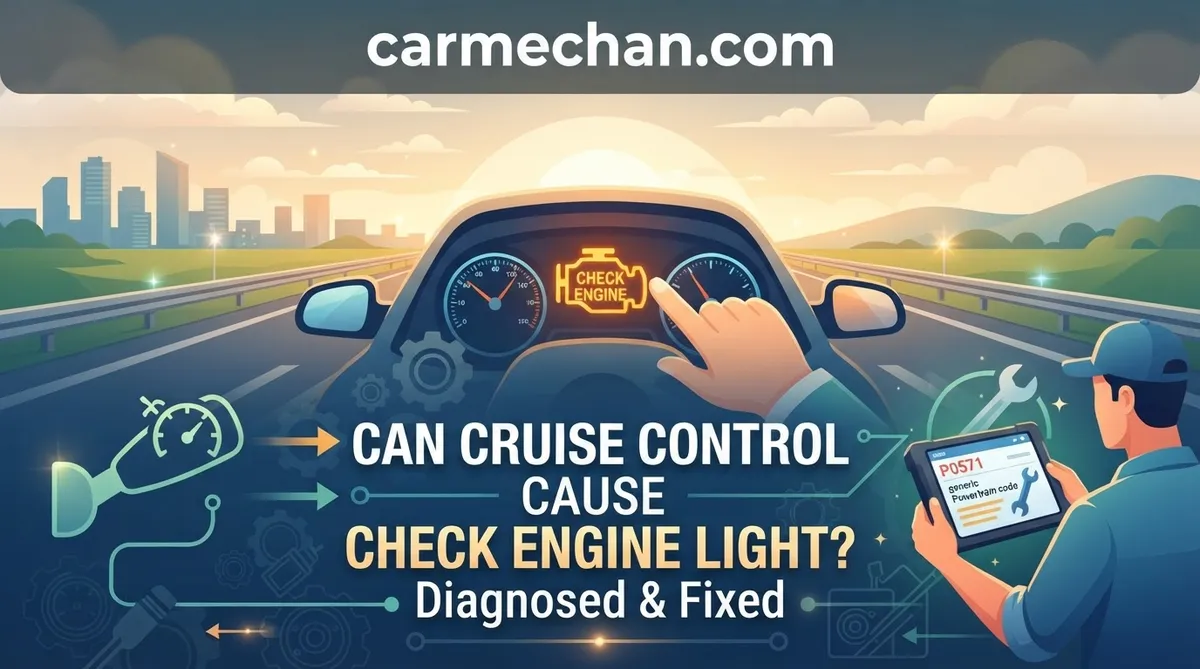
The common belief that engaging cruise control forces a check engine light is largely a misunderstanding of how modern vehicle diagnostics function. Cruise control is an electronic feature that relies on engine health data to function safely. If you activate the system, the computer must be confident that the engine and transmission are operating within optimal parameters. If a fault is detected, the Engine Control Module (ECM) intervenes immediately.
Why Modern Systems Link Speed Control and Engine Health
Modern vehicles utilize a highly integrated network where the cruise control is not an isolated component. It is a software function within the ECM or Powertrain Control Module (PCM). Because the system relies on real-time data from the throttle, transmission, and speed sensors, it acts as a “sanity check” for the vehicle. If the ECM logs a diagnostic trouble code (DTC), it immediately assumes the engine cannot reliably maintain a set speed, thus disabling the cruise function.
The Role of the Engine Control Module (ECM)
The ECM acts as the central hub for all powertrain data. It monitors inputs like intake air temperature, fuel trim, and ignition timing. If a throttle position sensor (TPS) begins to fail, the ECM logs a code. Even if the car is still drivable, the system recognizes that the TPS signal is erratic. To prevent unintended acceleration or lack of responsiveness, the ECM will cut power to the cruise control actuators, effectively shutting the system down.

Understanding Drive-by-Wire vs. Mechanical Actuators
In older vehicles, vacuum actuators physically pulled a throttle cable. In modern “drive-by-wire” systems, there is no physical link between the pedal and the engine; it is entirely electrical. A vacuum leak in an older system can lead to poor engine performance and a loss of cruise control, but in modern cars, the issue is almost always a faulty electrical sensor signal that the computer refuses to trust.
Common Symptoms: Why Cruise Control Stops When the CEL Appears
When a check engine light activates, your vehicle often enters a “Limp Mode” or a restricted performance state. This is a deliberate safety measure. Below are the primary reasons why this interaction occurs:
- Limp Mode Initiation: When the system detects a severe fault, it limits power to protect the engine, which automatically disables non-essential systems like cruise control.
- Speed Sensor Conflicts: If the vehicle speed sensor (VSS) provides conflicting data to the speedometer and the cruise control module, the system will disengage to prevent erratic acceleration.
- Brake Pedal Switch Failure: The brake switch is a dual-purpose sensor. It tells your brake lights to turn on and signals the cruise control to disengage. A failing switch can send a “brake engaged” signal to the cruise module while you are driving, causing an immediate system lockout and a potential CEL.
- Transmission Control Module (TCM) Logic: On many modern models, if the transmission is having trouble shifting or maintaining gear ratios, the TCM requests that the ECM disable cruise control to prevent excessive load on the drivetrain.
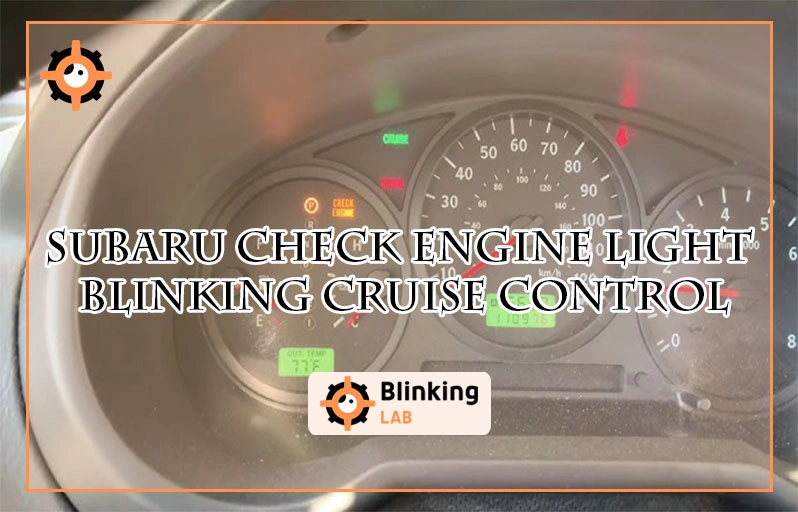
Never ignore a blinking Check Engine Light. This indicates a severe misfire that can cause immediate and catastrophic damage to your catalytic converter and internal engine components.
Diagnostic Steps: How to Resolve Engine and Cruise Failures
To fix the loss of cruise control, you must address the underlying error code. Follow these professional steps to identify the culprit.
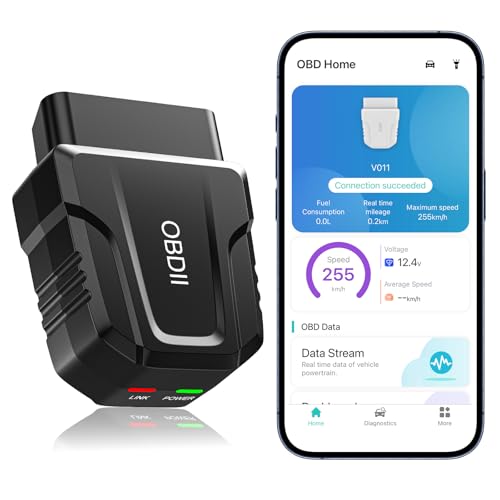
Plug a trusted OBD-II scanner into the vehicle’s port under the dashboard. A P0500 code specifically relates to a vehicle speed sensor malfunction, whereas a P0121 often points to a throttle position sensor issue. These codes are the diagnostic blueprint for your repair.
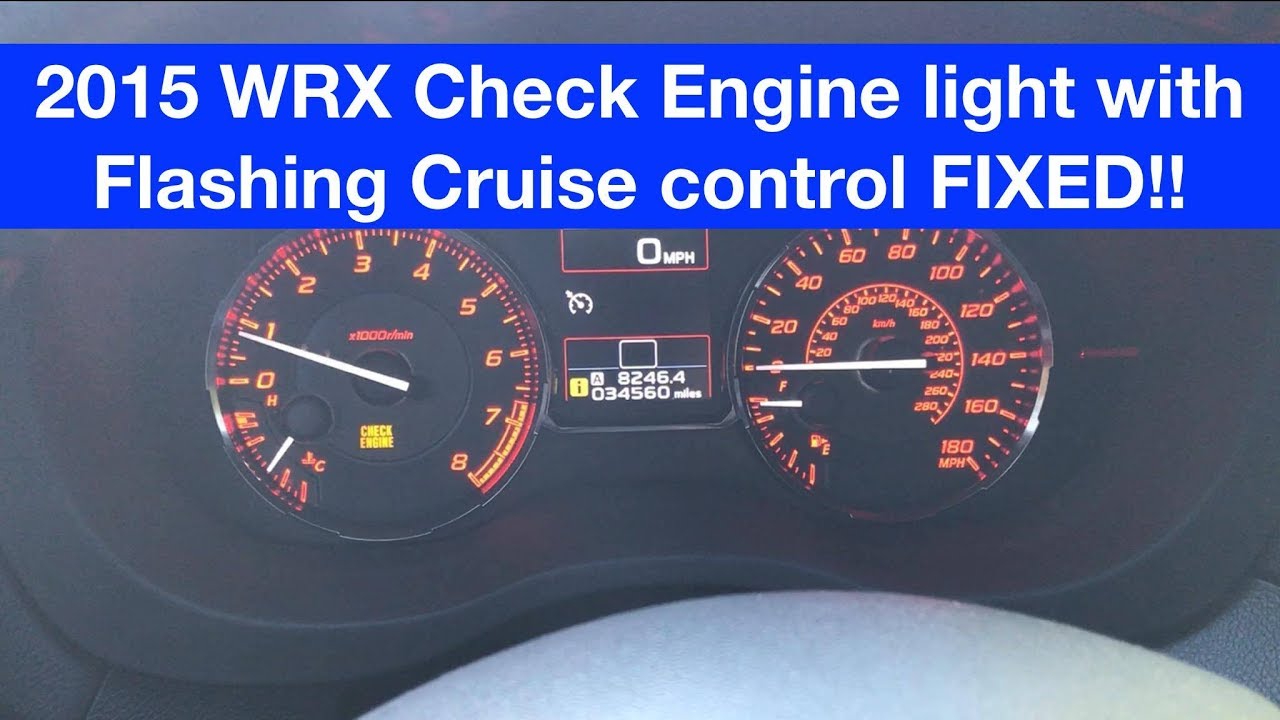
If the scanner reveals a TPS code, monitor the “live data” stream. If the voltage jumps or drops unexpectedly while the pedal is held steady, the sensor is likely faulty. This directly prevents the cruise control from maintaining a consistent engine load.


A dirty or failing Mass Air Flow (MAF) sensor can cause the engine to struggle, prompting the computer to disable high-load functions like cruise control. Clean the sensor with specialized MAF cleaner before considering a full replacement.
Can Cruise Control Cause Check Engine Light: Pitfalls and Safety
The most common pitfall is assuming the cruise control failure is an independent electrical “glitch” that can be ignored. Many drivers attempt to clear the codes using a scanner to “fix” the cruise control, only to have the light return within miles. This is because clearing a code removes the notification but does not repair the mechanical or sensor fault that triggered the alert in the first place.
The Risks of Ignoring Dashboard Warning Lights
Ignoring a CEL because the car feels “fine” is dangerous. Often, a minor vacuum leak or a slightly off-calibration sensor won’t cause immediate drivability issues, but it will lower your fuel efficiency and potentially damage emissions components over time. Relying on cruise control while these systems are failing puts extra stress on a powertrain that is already struggling to compensate for the recorded faults.
Is It Safe to Drive Without Cruise Control?
While it is generally safe to drive a vehicle without cruise control, the presence of an active CEL indicates that the vehicle’s management system is currently running in a suboptimal state. You should treat the vehicle as if it has a underlying mechanical issue. Until the root cause—be it a sensor, a loose wire, or a vacuum leak—is addressed, the vehicle should not be pushed to high-load situations, such as towing or long highway hauls.
If you have replaced a sensor and the light remains, check your vehicle’s ground points. Poor grounding is a common but often overlooked cause for “phantom” electrical codes that disable cruise control.
Reliable Industry Data: Diagnostic Frequency
By The Numbers
Of cruise control lockouts are tied to throttle or speed sensor errors.
Of cases are caused by simple brake switch or fuse issues.
Final Diagnostic Summary
The check engine light acts as a master diagnostic tool for your vehicle’s overall health, and cruise control failure is almost always a protective measure taken by the PCM to ensure your safety. Remember that the cruise control system does not “cause” the light—the underlying engine or electrical fault does. Always prioritize reading OBD-II codes before replacing parts, as this will save you time and unnecessary expenses. Do not ignore the warning lights, as they indicate deeper mechanical or electrical needs that, if addressed early, prevent more significant repairs later.
If you find your cruise control is unavailable and the dashboard light is illuminated, consult a professional mechanic or use an OBD-II scanner today to pinpoint the exact source of your system fault.
Can Cruise Control Cause Check Engine Light: Frequently Asked Questions
Why does my cruise control stop working when the check engine light comes on?
The cruise control system is electronically tethered to the engine’s health. When the PCM detects an error (CEL), it enters a ‘fail-safe’ mode, disabling non-essential features like cruise control to prevent potentially dangerous or unpredictable engine behavior while the system is compromised. This is a safety feature intended to prioritize engine protection and driver awareness.
Can a faulty speed sensor trigger a check engine light?
Yes, absolutely. A faulty Vehicle Speed Sensor (VSS) or wheel speed sensor provides the critical data the computer needs to calculate your speed. If that data becomes erratic or disappears, the computer cannot safely maintain speed, triggers a CEL (often a P0500 code), and immediately shuts down the cruise control system to prevent speed calculation errors.
Does a loose gas cap cause cruise control failure?


It is unlikely, but possible in specific vehicle architectures. A loose gas cap triggers an EVAP system leak code (P0440/P0442/P0455). While this illuminates the CEL, most modern vehicles do not disable cruise control for an EVAP leak. However, if the vacuum pressure is significantly affected, some engine management systems may force a power-reduction mode that coincidentally disables cruise control.
Should I continue to drive if cruise control is disabled by a CEL?
While the car may remain drivable, you should treat a check engine light as a priority service item. If the CEL is flashing, pull over immediately to avoid catastrophic engine damage. If the light is steady, schedule a professional diagnostic scan as soon as possible to prevent further wear on engine components or potential safety system failure.
Can replacing the cruise control module fix the check engine light?
Replacing the module is rarely the correct solution. Because the CEL indicates an engine performance issue, replacing a module without identifying the underlying fault code is inefficient. Always perform a professional diagnostic scan first; 99% of the time, the issue lies with a sensor, a vacuum leak, or a wiring issue, not the cruise control module itself.